Escrow Seller Does For Home Insurance In Florida
Description

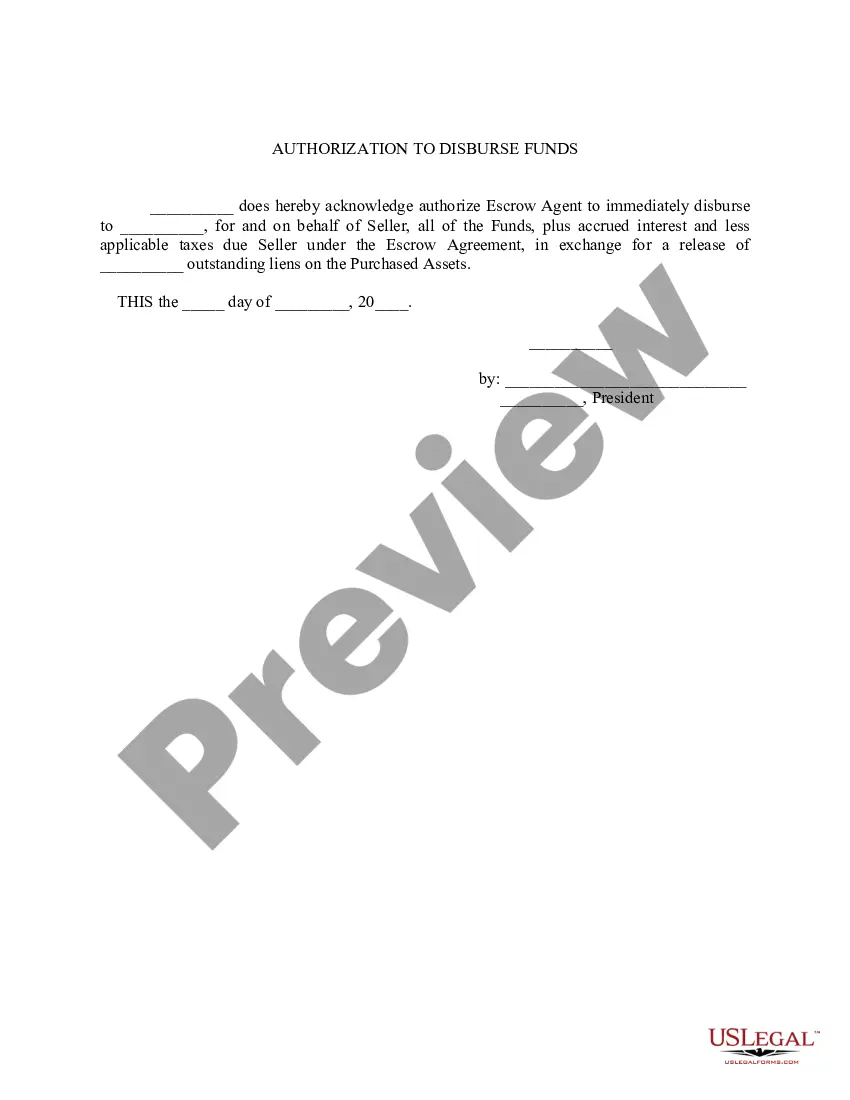
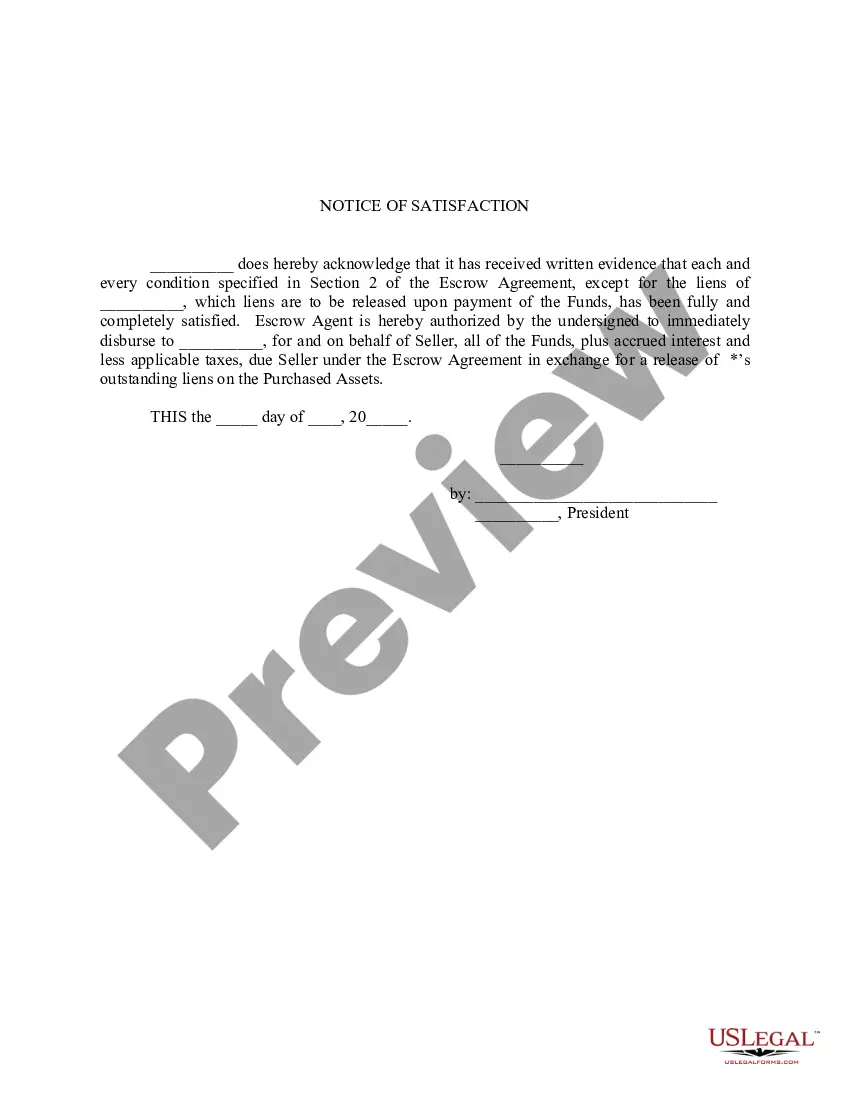
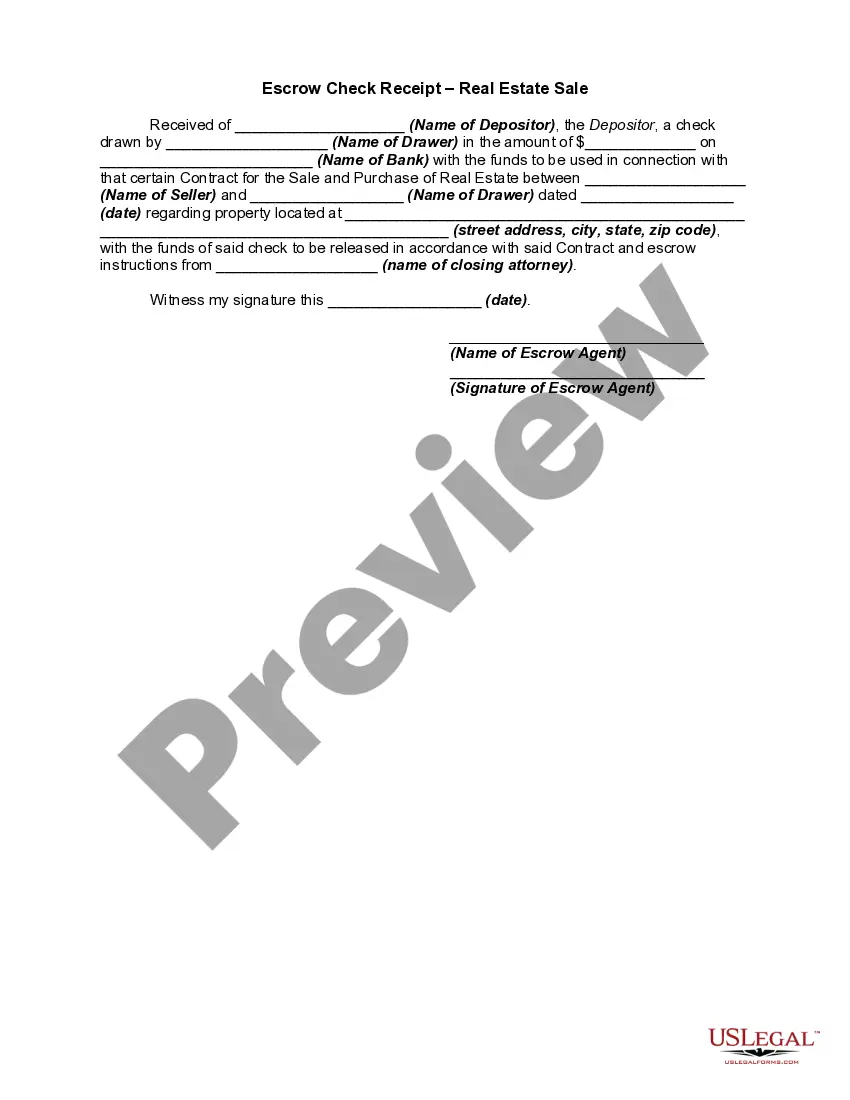
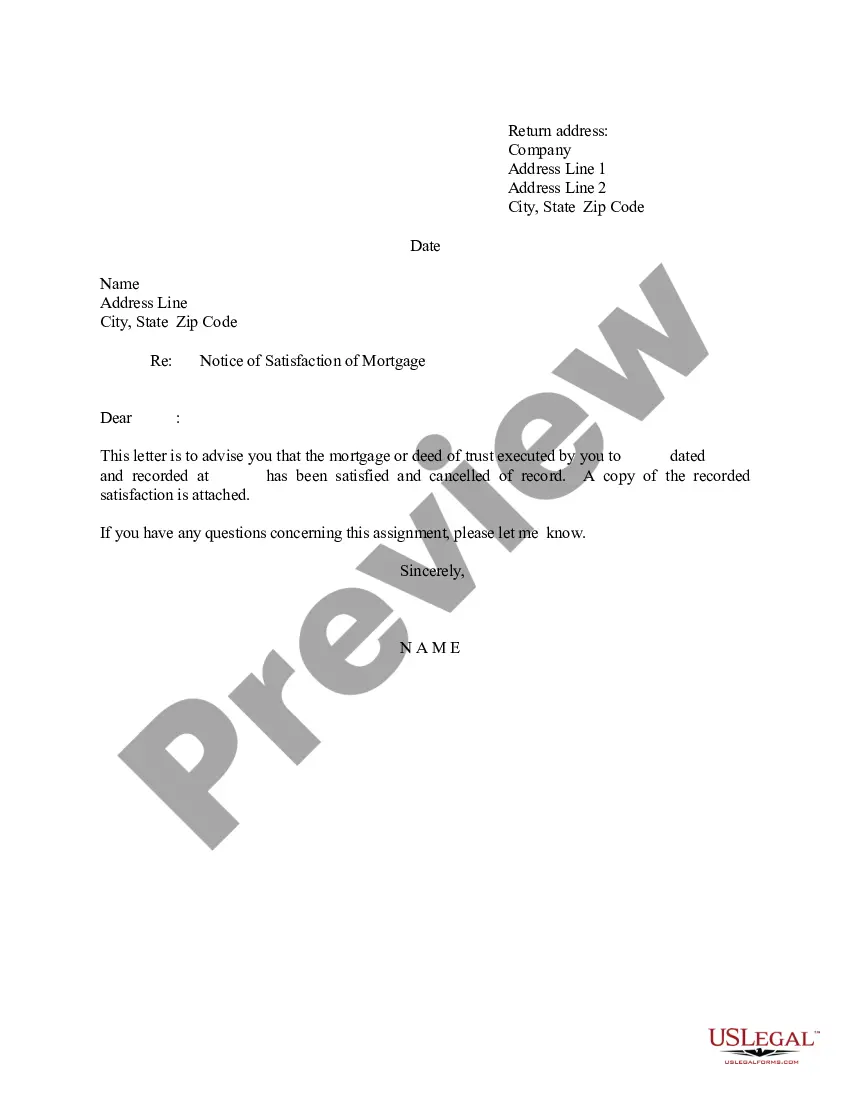
Get your form ready online
Our built-in tools help you complete, sign, share, and store your documents in one place.
Make edits, fill in missing information, and update formatting in US Legal Forms—just like you would in MS Word.
Download a copy, print it, send it by email, or mail it via USPS—whatever works best for your next step.
Sign and collect signatures with our SignNow integration. Send to multiple recipients, set reminders, and more. Go Premium to unlock E-Sign.
If this form requires notarization, complete it online through a secure video call—no need to meet a notary in person or wait for an appointment.
We protect your documents and personal data by following strict security and privacy standards.

Make edits, fill in missing information, and update formatting in US Legal Forms—just like you would in MS Word.

Download a copy, print it, send it by email, or mail it via USPS—whatever works best for your next step.

Sign and collect signatures with our SignNow integration. Send to multiple recipients, set reminders, and more. Go Premium to unlock E-Sign.

If this form requires notarization, complete it online through a secure video call—no need to meet a notary in person or wait for an appointment.

We protect your documents and personal data by following strict security and privacy standards.
Looking for another form?


Form popularity
FAQ
What Is an Escrow Agent? An escrow agent is a person or entity that holds property in trust for third parties while a transaction is finalized or a disagreement is resolved. The role of escrow agent is often played by an attorney (or notary in civil law jurisdictions).
Typically, the role of the escrow agent will be played by representatives from a title company, mortgage lender or an attorney, but it can depend on the laws and customs in your state.
How Using Different Escrow Companies Works In Florida. Florida real estate regulations make it clear that sellers cannot force a buyer to use their preferred title/escrow company of the sale. In fact, state law doesn't require sellers or buyers to use escrow companies, nor demand they use the same one if they do.
But who is responsible for hiring an escrow agent? The responsibility can lie with any party involved in the transaction. The buyer, seller or either real estate agent may choose an escrow agent during a real estate sale, but the escrow service provider that is selected must be agreed upon by all parties.
Note that an existing agent or an attorney of grantor or grantee cannot act as an escrow agent due to the conflict of interest in the duties. The selection of the escrow holder is normally done by an agreement between the principals.
The 3 Requirements of a Valid Escrow The Contract between the Grantor and the Grantee. Delivery of the Deposited Item to a Depositary. Communication of the Agreed Conditions to the Depositary.
Keeping the Escrow Funds: A third-party will oversee the escrow account until the closing date. This is done in ance with Florida Statutes § 651.033, which state that a certified financial institution must hold the escrow funds for the duration of the transaction. There's a clear logic behind this law.
The home you sell is considered yours until the closing process is finalized. At closing, once the buyer officially owns the home, you can cancel your coverage. Until that time, your homeowners insurance policy should remain in place to provide protection should anything happen to the home.
However, if you have to keep an escrow account for certain required payments, such as mortgage insurance, you can still remove your regular homeowners insurance premium, property tax payments or both from your escrow account.
