Meeting Do Board With Friends In Wayne
Description



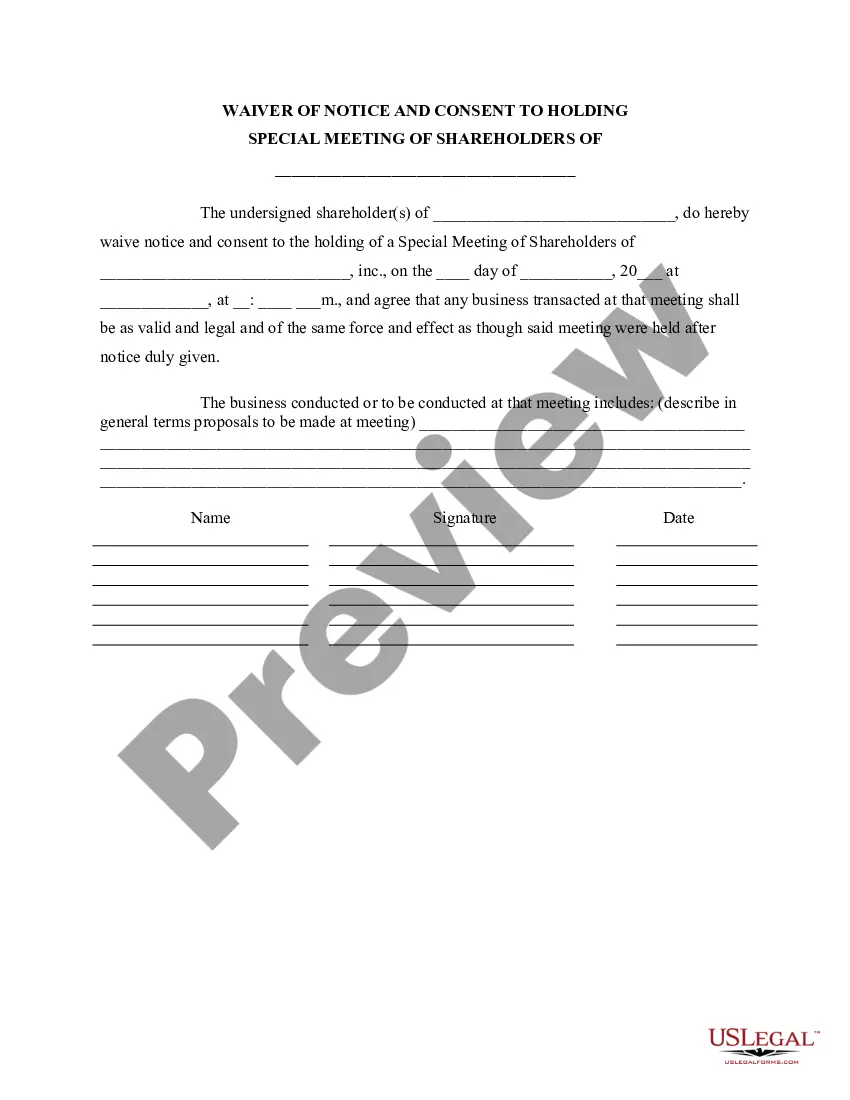
Get your form ready online
Our built-in tools help you complete, sign, share, and store your documents in one place.
Make edits, fill in missing information, and update formatting in US Legal Forms—just like you would in MS Word.
Download a copy, print it, send it by email, or mail it via USPS—whatever works best for your next step.
Sign and collect signatures with our SignNow integration. Send to multiple recipients, set reminders, and more. Go Premium to unlock E-Sign.
If this form requires notarization, complete it online through a secure video call—no need to meet a notary in person or wait for an appointment.
We protect your documents and personal data by following strict security and privacy standards.

Make edits, fill in missing information, and update formatting in US Legal Forms—just like you would in MS Word.

Download a copy, print it, send it by email, or mail it via USPS—whatever works best for your next step.

Sign and collect signatures with our SignNow integration. Send to multiple recipients, set reminders, and more. Go Premium to unlock E-Sign.

If this form requires notarization, complete it online through a secure video call—no need to meet a notary in person or wait for an appointment.

We protect your documents and personal data by following strict security and privacy standards.
Looking for another form?

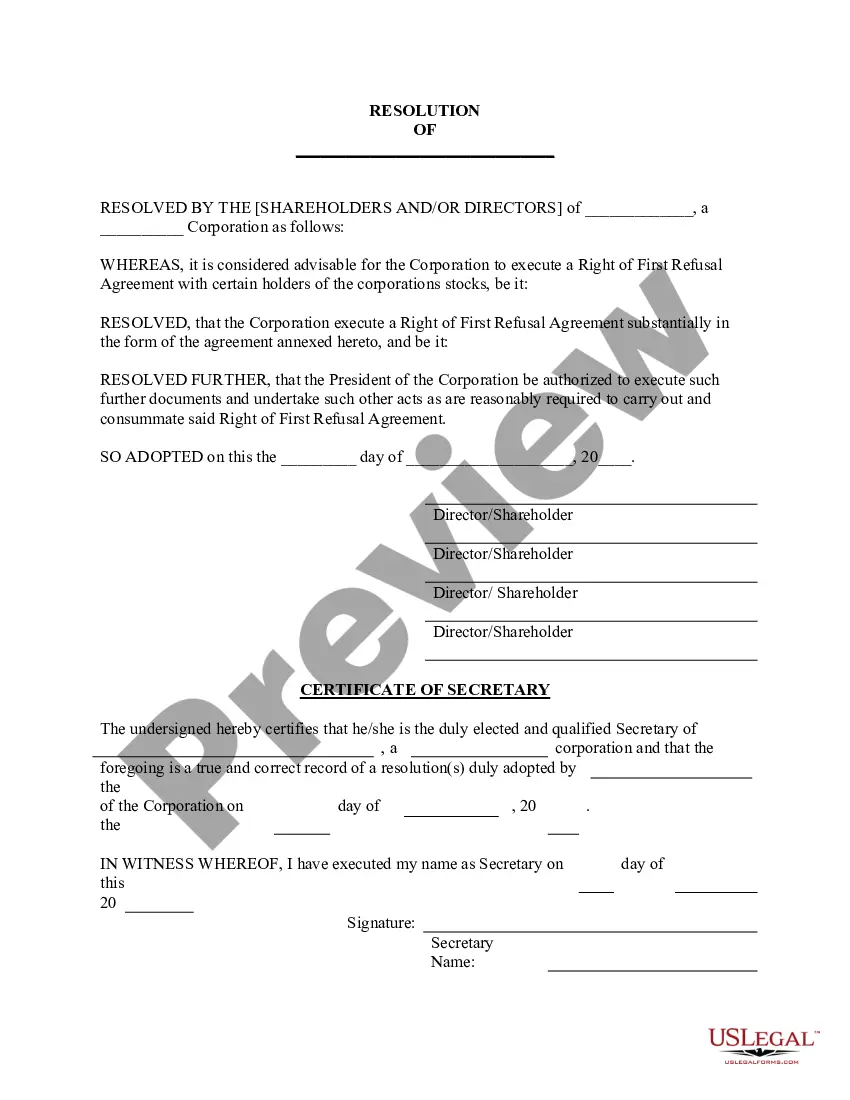

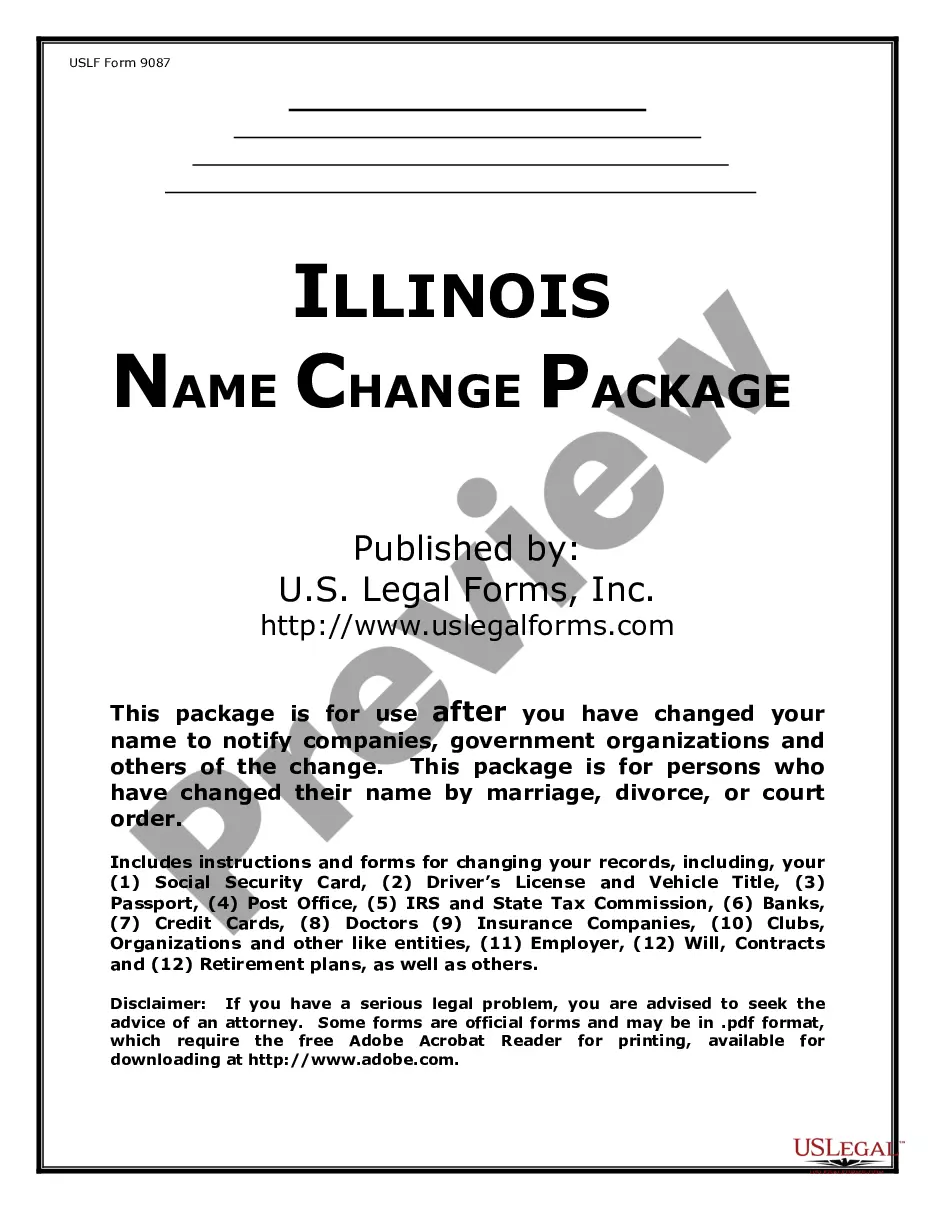
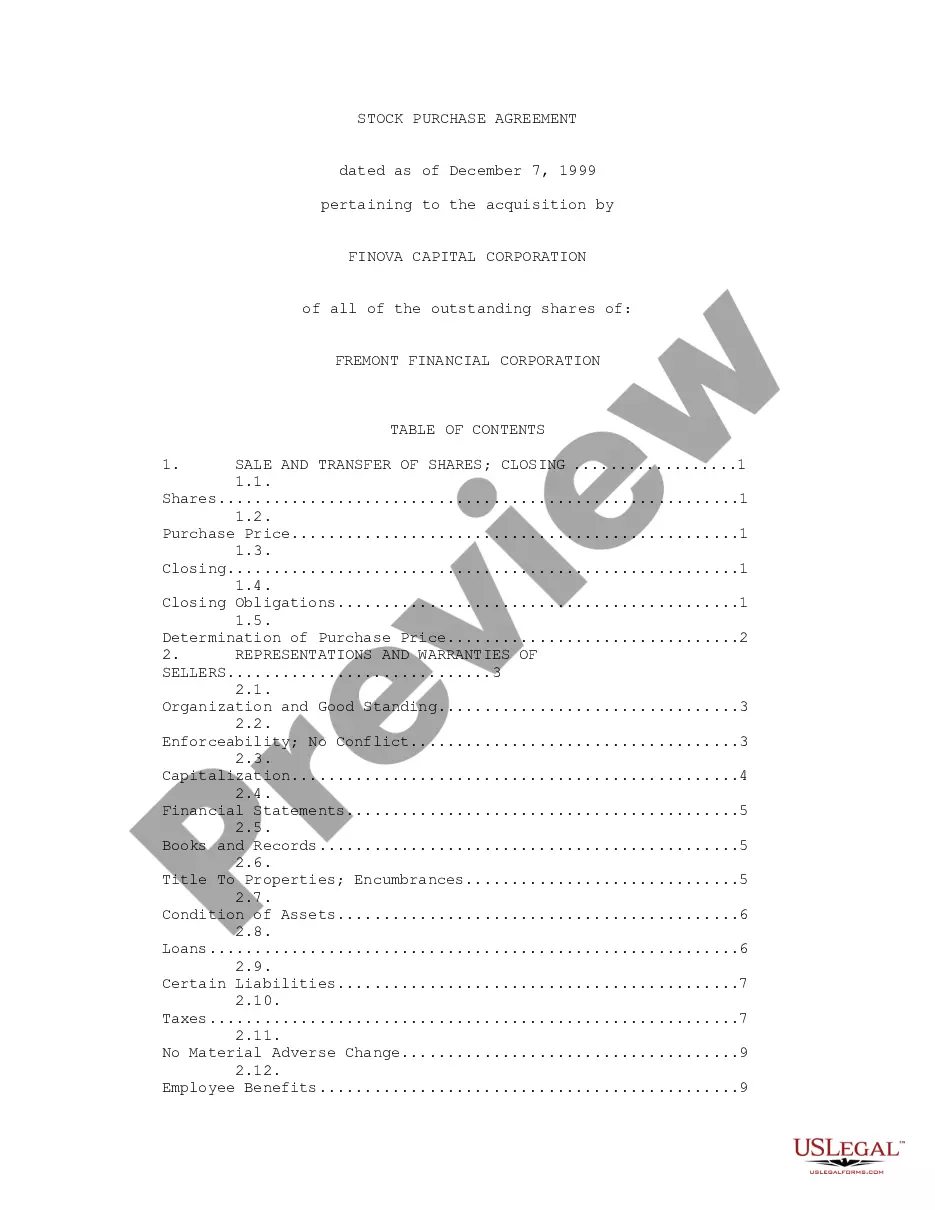




Form popularity
FAQ
Robert's Rules of Order lay out the following steps for running a meeting: Call the meeting to order. Take roll call. Read and approve past meeting minutes. Review reports. Address high-priority agenda items. Deal with any unfinished business. Cover new items of business. Adjourn the meeting.
Effective steps for running productive board meetings Step 1 – get clear on the board chair role. Step 2 – ensure board members know their role. Step 3 – communicate before, during, and after the board meeting. Step 4 – use meeting time well: right agenda, right leadership. Step 5 – prepare for meetings effectively.
No surprises! Send out agenda and materials (days) in advance. Talk with every Board member (days) before the Board meeting. Focus on the strategic, not tactical operations. Keep the Board meeting focused on the agenda you set. Focus on discussions, not monologues.
In public companies, meetings usually last around four to six hours due to the need to cover complex topics like compliance, board effectiveness, governance, and shareholder interests.
“Good morning/evening, everyone! It's state the date and time, and I'd like to call the meeting of organization name to order.” The officer then addresses any items of personal or perfunctory nature. This could include welcoming new members, thanking retiring members, and welcoming visitors.
Very simply, they should say: “This meeting of the board of COMPANY is called to order at TIME AND DATE and a quorum IS/ISN'T present.” This is also the time to add in any small items like apologies, welcoming visitors, special guests or new members. For example, wishing luck to retiring directors.
Board meetings are meetings at the highest level, i.e. a meeting where board members or their representatives are present. A company is not an actual entity but a legal one so it cannot take actions and make decisions.
B: Board Meeting. The regular gathering of the directors of an company or organization to discuss and decide on actions or strategies related to the running of the company. or organisation is called a board meeting.
“Good morning/evening, everyone! It's state the date and time, and I'd like to call the meeting of organization name to order.” The officer then addresses any items of personal or perfunctory nature. This could include welcoming new members, thanking retiring members, and welcoming visitors.
Here's a look at the procedure for calling an emergency board meeting: Review Board Bylaws. Submit a Written Notice. Specify the Meeting Agenda, Location, and Time. Capture Board Meeting Minutes. Leverage Board Meeting Technology.

