Meeting Do Board With Friends In Virginia
Description
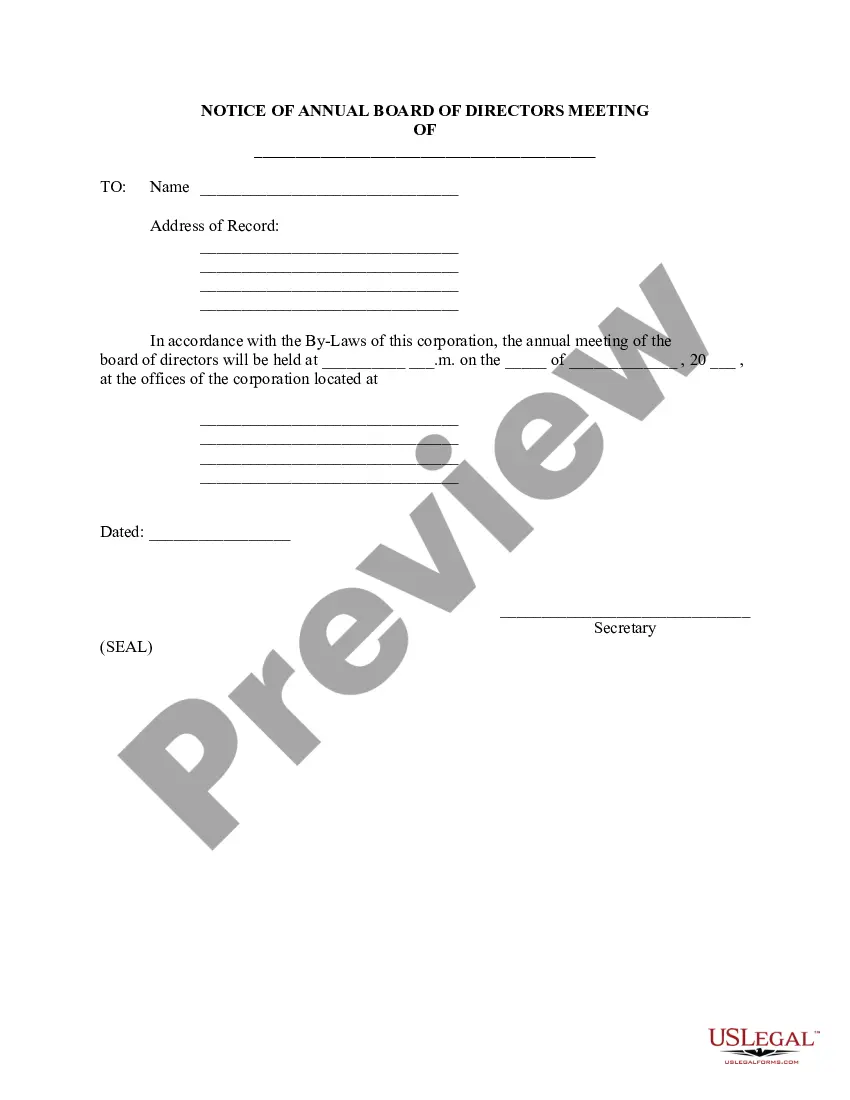


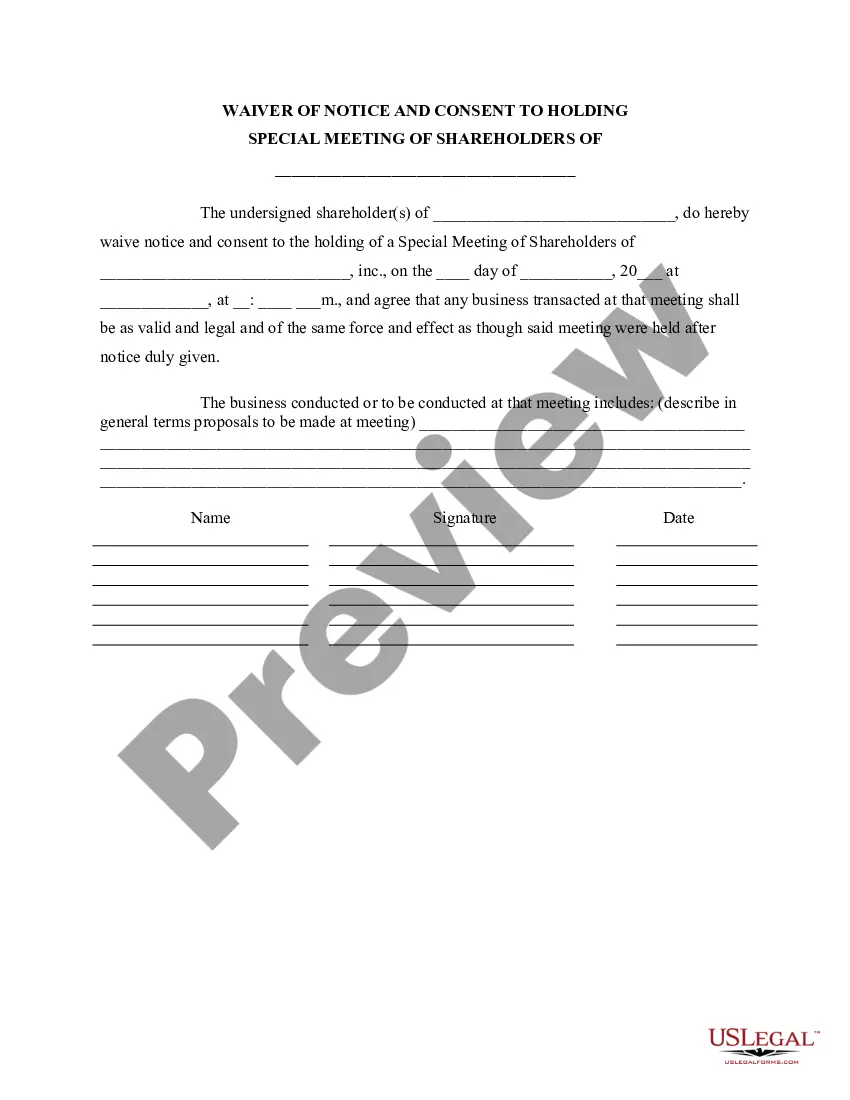
Get your form ready online
Our built-in tools help you complete, sign, share, and store your documents in one place.
Make edits, fill in missing information, and update formatting in US Legal Forms—just like you would in MS Word.
Download a copy, print it, send it by email, or mail it via USPS—whatever works best for your next step.
Sign and collect signatures with our SignNow integration. Send to multiple recipients, set reminders, and more. Go Premium to unlock E-Sign.
If this form requires notarization, complete it online through a secure video call—no need to meet a notary in person or wait for an appointment.
We protect your documents and personal data by following strict security and privacy standards.

Make edits, fill in missing information, and update formatting in US Legal Forms—just like you would in MS Word.

Download a copy, print it, send it by email, or mail it via USPS—whatever works best for your next step.

Sign and collect signatures with our SignNow integration. Send to multiple recipients, set reminders, and more. Go Premium to unlock E-Sign.

If this form requires notarization, complete it online through a secure video call—no need to meet a notary in person or wait for an appointment.

We protect your documents and personal data by following strict security and privacy standards.
Looking for another form?
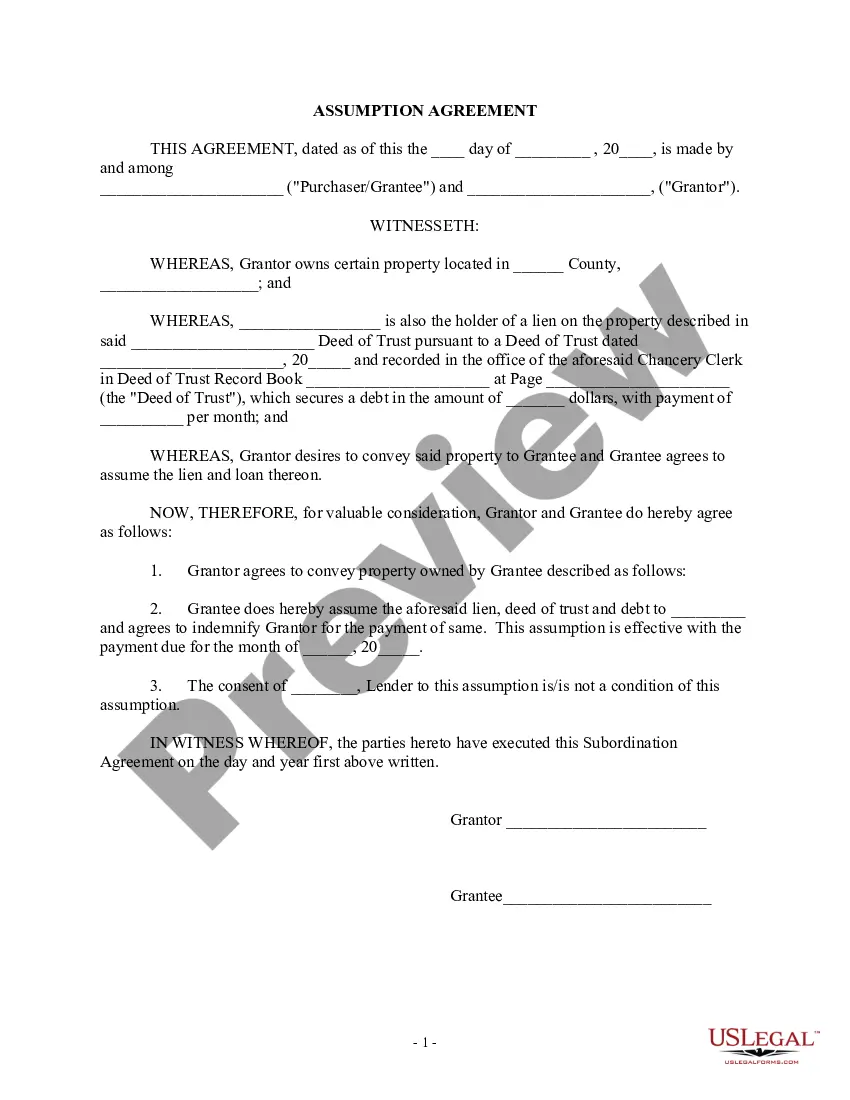

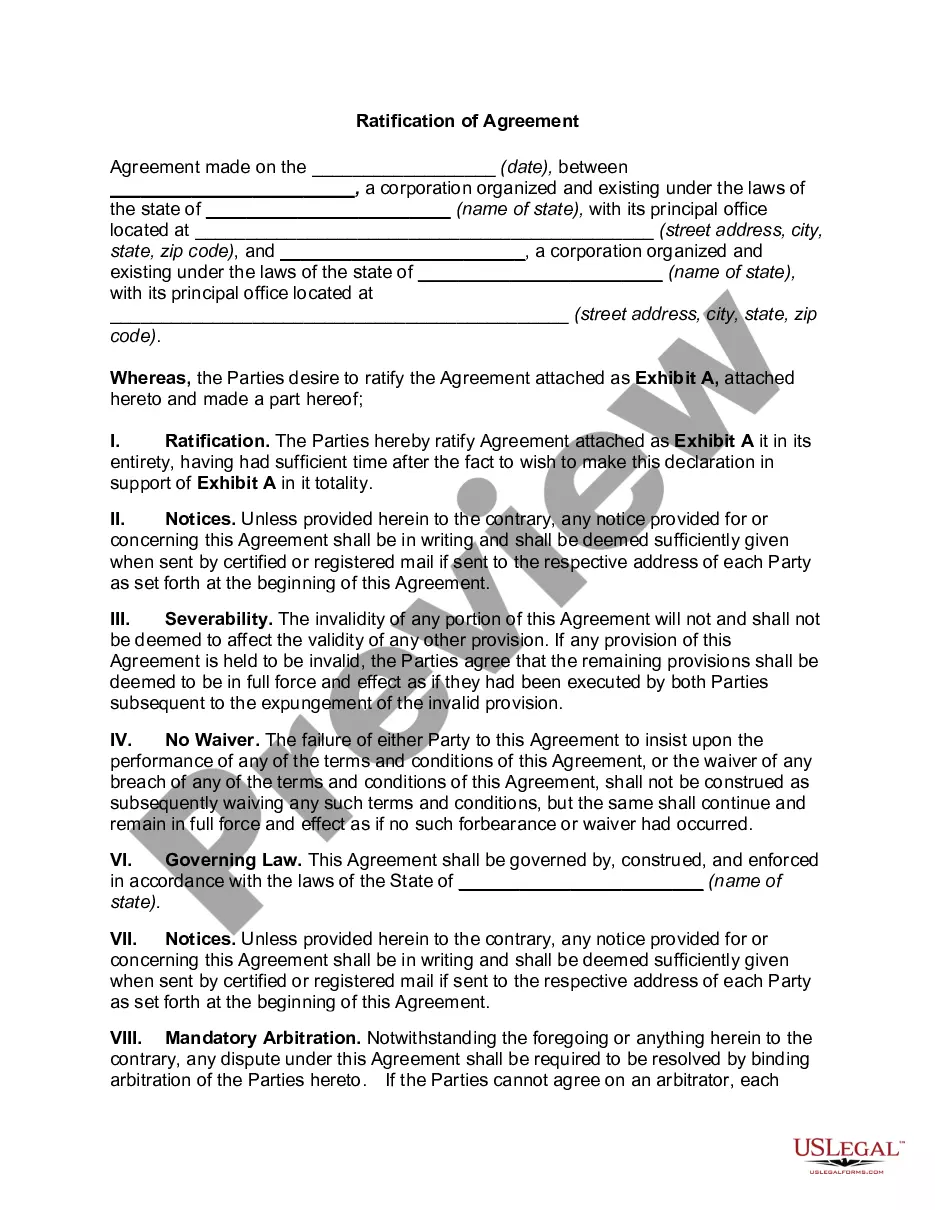



Form popularity
FAQ
Virginia FOIA gives the public the right to attend the meetings of public bodies, with exceptions for closed sessions discussed below. Virginia law does not limit access to meetings to a specific category of people or a profession, such as "the traditional press." Anyone may attend.
Board Meeting Etiquette Tips Take time to prepare and understand the meeting's purpose. Stick to the set board meeting agenda. Be open to feedback. Review post-meeting minutes. Respect the confidentiality of board meetings. Actively contribute and participate.
Brown Act is a “public access law” that ensures the public's right to attend the meetings of public agencies, facilitates public participation in all phases of local government decision-making, and curbs misuse of the democratic process by secret legislation.
4 Steps to Running an Effective Open Meeting Set Up the Room. Seat all your board members at a head table. Follow the Agenda. Keep your agenda limited to the business at hand, small items that are easily accomplished first, and controversial or complex issues next. Provide Any Necessary Handouts. Conduct the Meeting.
Under Virginia FOIA, a "meeting" is any gathering of three or more members of a public body (or a quorum, if a quorum is less than three) to discuss or transact business of the public body. The law applies to all discussions, deliberations, and formal action.
Starting the Meeting: ``Good (morning/afternoon), everyone. Thank you for joining us today. I'd like to welcome you to this meeting. Our agenda includes (briefly outline the agenda items). Let's begin with our first topic.''
Meetings must: Be noticed in advance; Include only business described in the agenda; Take place within agency boundaries; Be completely accessible by the public. Notice and agenda for regular meeting must be: Posted 72 hours in advance; Posted in an accessible location; Mailed to persons who request notice.
Most board meeting agendas follow a classic meeting structure: Calling meeting to order – ensure you have quorum. Approve the agenda and prior board meeting minutes. Executive and committee reports – allow 25% of time here for key topic discussion. Old/new/other business. Close the meeting and adjourn.
A quorum must be present for business to be conducted • All members have equal rights, privileges and obligations • No person should speak until recognized by the chair • Personal remarks or side discussions during debate are out of order • Only one question at a time may be considered, and only one person may have the ...
The acts for condos and HOAs provide that all meetings of a Board of Directors, including the meetings of any committee or subcommittee, be open to all members of the Association. They do allow a Board, however, to enter an executive session to discuss certain matters in private.

