Meeting Board Template With Time Slots In Riverside
Description
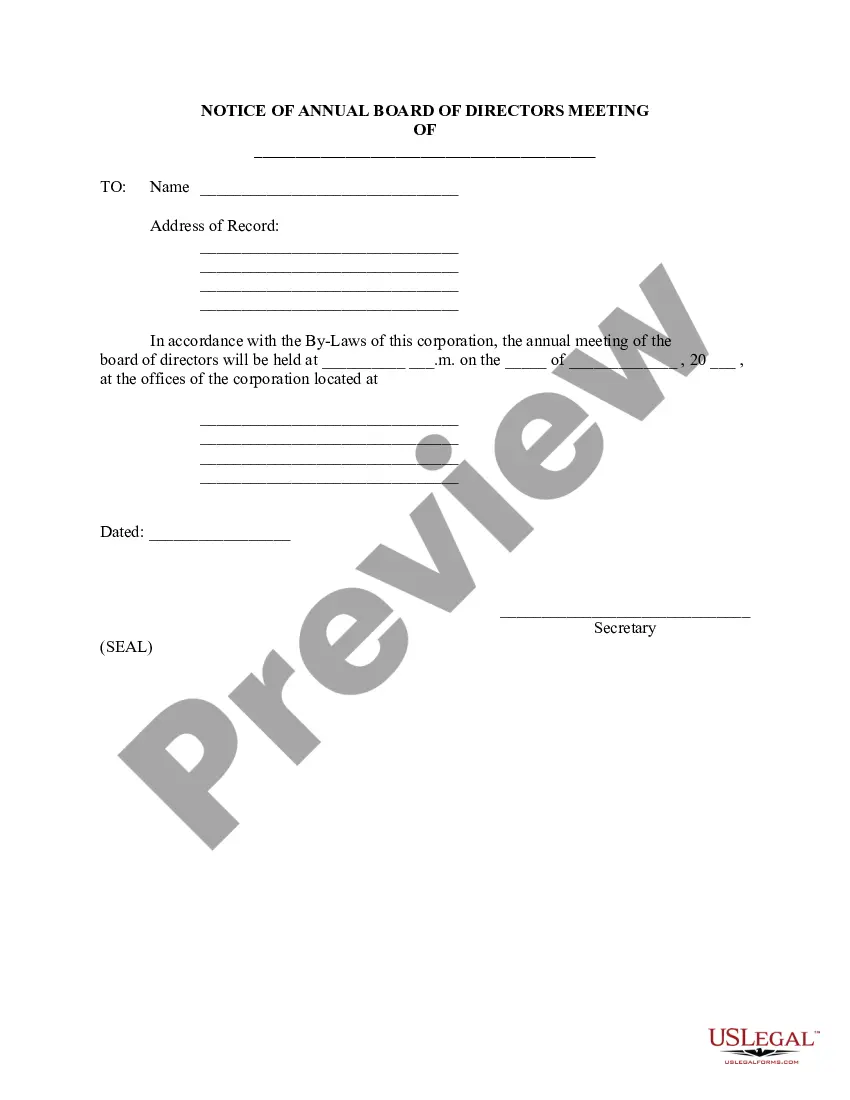


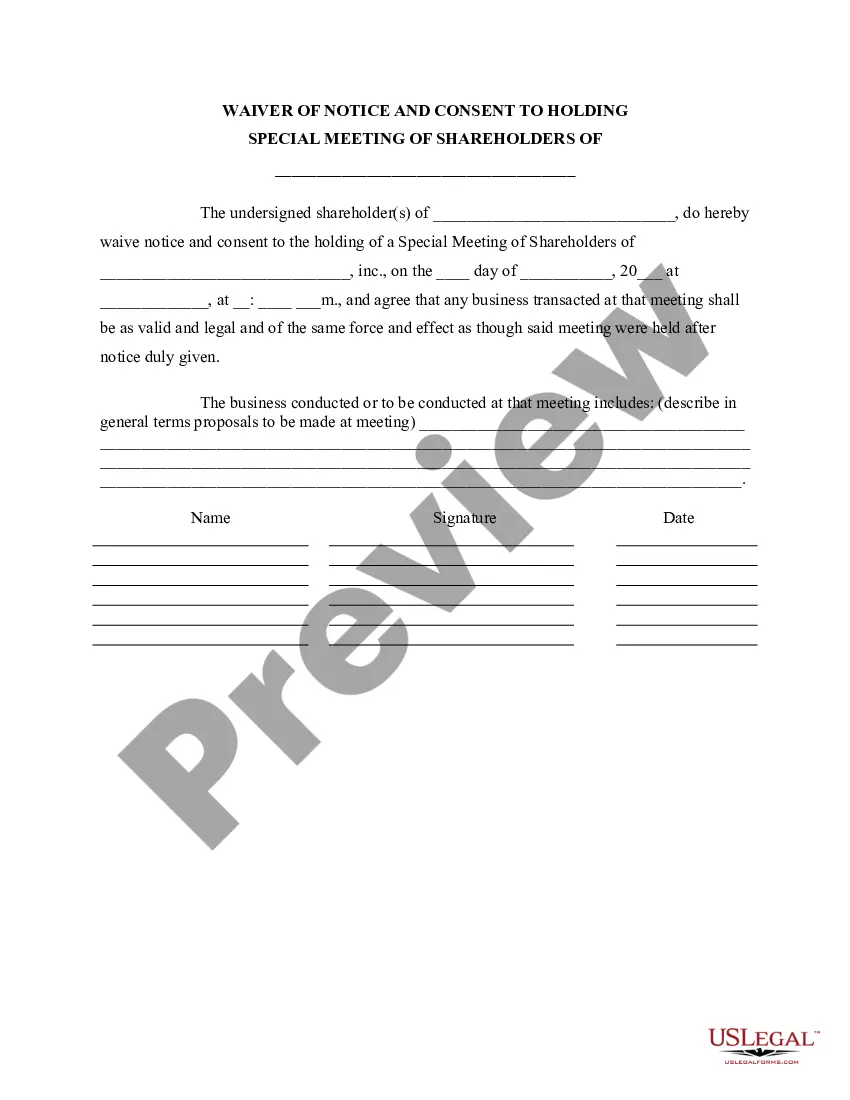
Get your form ready online
Our built-in tools help you complete, sign, share, and store your documents in one place.
Make edits, fill in missing information, and update formatting in US Legal Forms—just like you would in MS Word.
Download a copy, print it, send it by email, or mail it via USPS—whatever works best for your next step.
Sign and collect signatures with our SignNow integration. Send to multiple recipients, set reminders, and more. Go Premium to unlock E-Sign.
If this form requires notarization, complete it online through a secure video call—no need to meet a notary in person or wait for an appointment.
We protect your documents and personal data by following strict security and privacy standards.

Make edits, fill in missing information, and update formatting in US Legal Forms—just like you would in MS Word.

Download a copy, print it, send it by email, or mail it via USPS—whatever works best for your next step.

Sign and collect signatures with our SignNow integration. Send to multiple recipients, set reminders, and more. Go Premium to unlock E-Sign.

If this form requires notarization, complete it online through a secure video call—no need to meet a notary in person or wait for an appointment.

We protect your documents and personal data by following strict security and privacy standards.
Looking for another form?


Form popularity
FAQ
What is a Webinar Agenda? A webinar agenda is a structured outline of your webinar content. It should order everything that will happen in your webinar, including the topics covered, audience activities, and any guest speakers.
A webinar template is a reusable content outline or design asset that you can customize for each webinar. Webinar templates can take the form of slide decks, scripts, landing pages, online campaign ads, emails, banners, etc.
You can use these steps to effectively schedule a meeting by email: Write a clear and concise subject line. Use a salutation. Introduce yourself to colleagues you haven't met. Explain the purpose of the meeting. Offer multiple times and dates for the meeting. Request a reply or confirmation. Send a reminder.
How to create your own virtual meeting with Riverside Step 1: Before you get started, join Riverside and launch a virtual studio. Step 2: Set up your studio. Step 3: Next press the “Continue set up studio” button. Step 4: Add guests by scrolling to “Invite participants” and clicking “Add participant”.
So this one is normally what I'm going to choose it's a guest. So then it's going to be a sidebysideMoreSo this one is normally what I'm going to choose it's a guest. So then it's going to be a sidebyside. Video so I'm going to choose this. And then you're just going to copy the link.
Create a meeting in the Google Meet app Open the Google Meet app . At the bottom right, tap New . Tap Create link . To share a meeting link, select an option: Copy. You can email or text the link. Share. To join a meeting you created, tap Join meeting .
So I'm in Riverside right now on the top left here on the sidebar. You can see your studios. And ifMoreSo I'm in Riverside right now on the top left here on the sidebar. You can see your studios. And if you go to a studio on the drop. Down here's my Media Makers Club podcast. If I open that you can
To take effective meeting minutes, the secretary should include: Date of the meeting. Time the meeting was called to order. Names of the meeting participants and absentees. Corrections and amendments to previous meeting minutes. Additions to the current agenda. Whether a quorum is present. Motions taken or rejected.
How to write meeting minutes Organization name. Meeting purpose. Start and end times. Date and location. List of attendees and absentees, if necessary. Space for important information like motions passed or deadlines given. Space for your signature and the meeting leader's signature.

