Meeting Board Template For Teachers In Franklin
Description
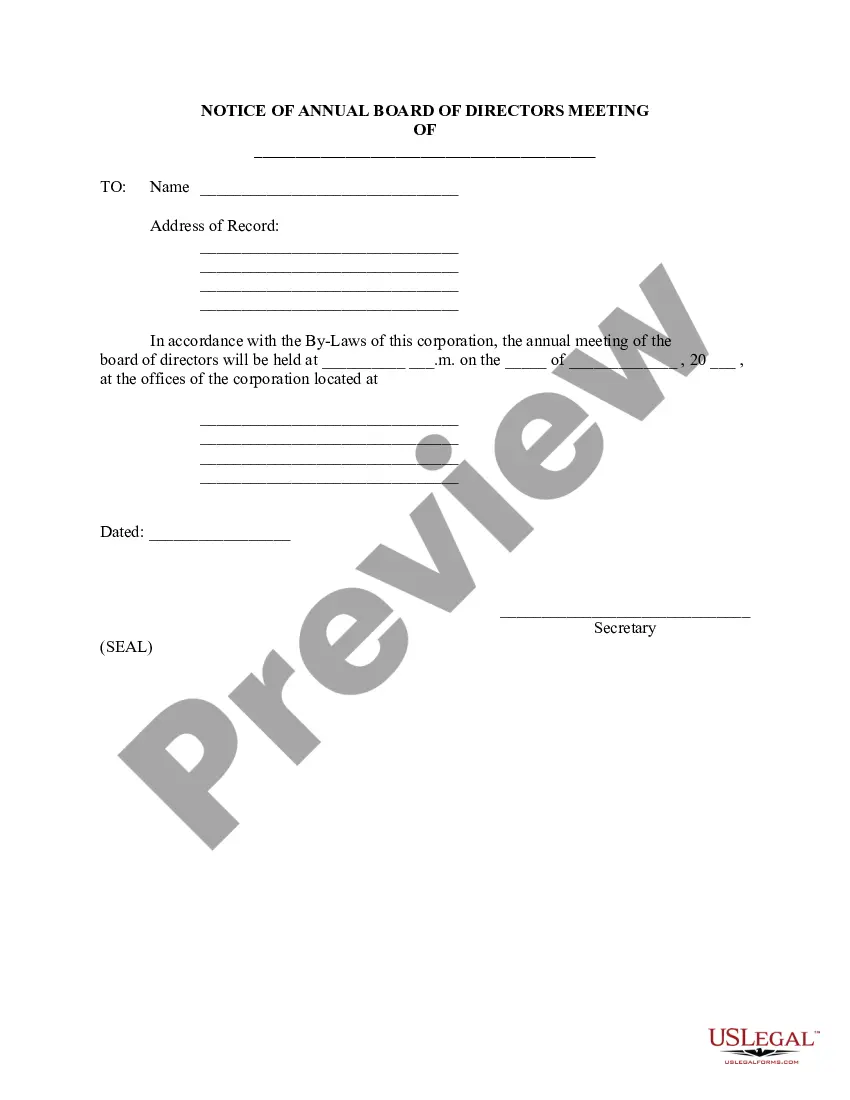


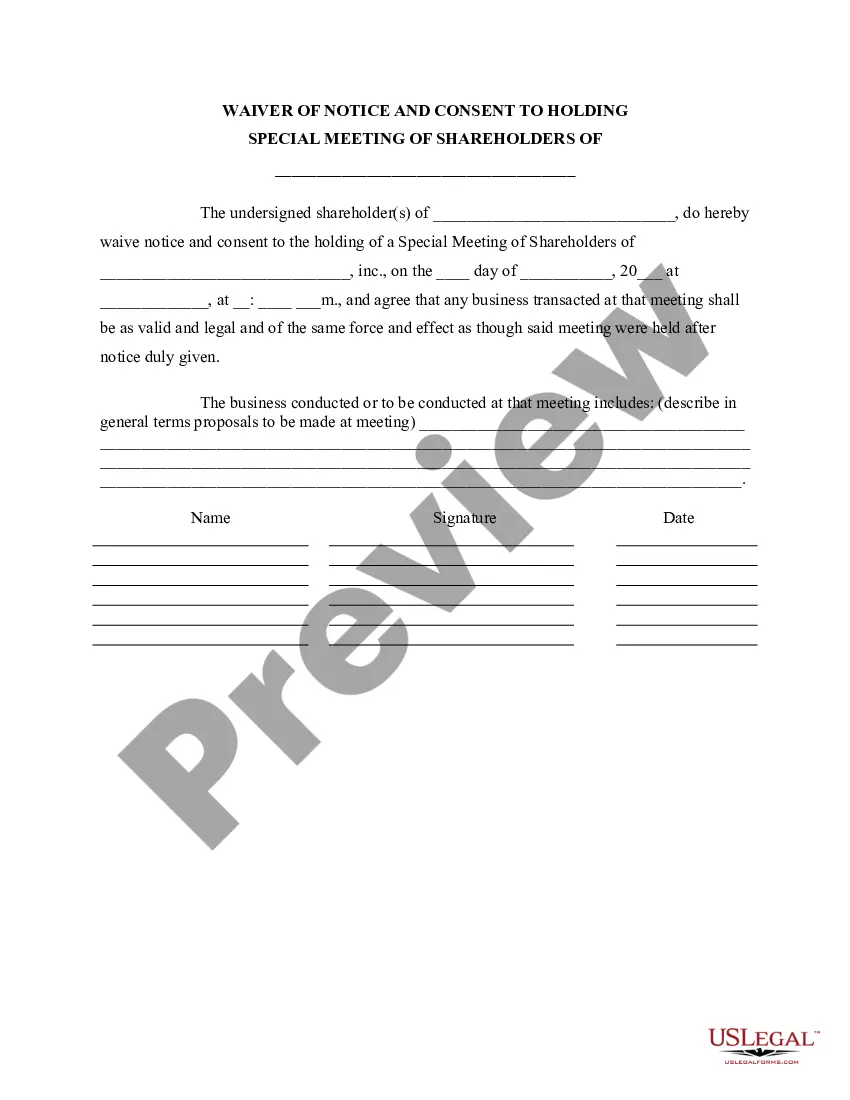
Get your form ready online
Our built-in tools help you complete, sign, share, and store your documents in one place.
Make edits, fill in missing information, and update formatting in US Legal Forms—just like you would in MS Word.
Download a copy, print it, send it by email, or mail it via USPS—whatever works best for your next step.
Sign and collect signatures with our SignNow integration. Send to multiple recipients, set reminders, and more. Go Premium to unlock E-Sign.
If this form requires notarization, complete it online through a secure video call—no need to meet a notary in person or wait for an appointment.
We protect your documents and personal data by following strict security and privacy standards.

Make edits, fill in missing information, and update formatting in US Legal Forms—just like you would in MS Word.

Download a copy, print it, send it by email, or mail it via USPS—whatever works best for your next step.

Sign and collect signatures with our SignNow integration. Send to multiple recipients, set reminders, and more. Go Premium to unlock E-Sign.

If this form requires notarization, complete it online through a secure video call—no need to meet a notary in person or wait for an appointment.

We protect your documents and personal data by following strict security and privacy standards.
Looking for another form?







Form popularity
FAQ
Effective steps for running productive board meetings Step 1 – get clear on the board chair role. Step 2 – ensure board members know their role. Step 3 – communicate before, during, and after the board meeting. Step 4 – use meeting time well: right agenda, right leadership. Step 5 – prepare for meetings effectively.
5 Tips to Conduct a School Board Meeting Enforce School Board Meeting Policies. School boards usually contain policies to guide each board meeting. Invest in Meeting Management Software. Distribute Meeting Agenda. Collaborate with Board Members. Distribute Post-Meeting Action Items.
Educators' proactive participation in school board advocacy is crucial to creating school districts that honor educators' expertise and experience and reflect the needs of students, families, teachers, and communities.
School Board Meetings are formal business meetings for the district where items are voted upon by the entire board for approval. Other than Recommended Routine Items, items that appear for a vote on the School Board agenda are usually researched and approved by a committee before being brought before the full board.
The 7 signs of effective school board members Having a clear vision for their district. Setting goals. Focusing on student achievement. Build positive relationships throughout the district. Connect with their community. Strategically use resources. Monitor progress using data.
The Directors shall attend Board Meetings in person. If unable to attend, a Director may appoint another Director to attend on his behalf by proxy which specifies the scope of authorization; any appointee shall not act as proxy for more than one Director.
Also called “business” or “regular” meetings, School Board meetings include two public comment opportunities; one for specific items listed on the agenda and another for general comment. Board Meetings are generally held in the Large Group Instruction Room (LGI) in the High School.
Board meetings are critical opportunities for the board and staff to build relationships rooted in respect. Don't miss this opportunity by segregating them. Board members really want to learn and appreciate what it takes to do the work.
By contributing their experience and expertise to school board proceedings, educators can play a valuable role in shaping their school district's vision, goals, priorities, and policies.
When called, stand and face/speak to the Board members. Do not turn and speak to the audience. State your name and keep your comments as concise as possible (generally three minutes). Speakers are expected to treat others with respect, confining their remarks to School District issues.

