Pleading Paper Format In Virginia
Description
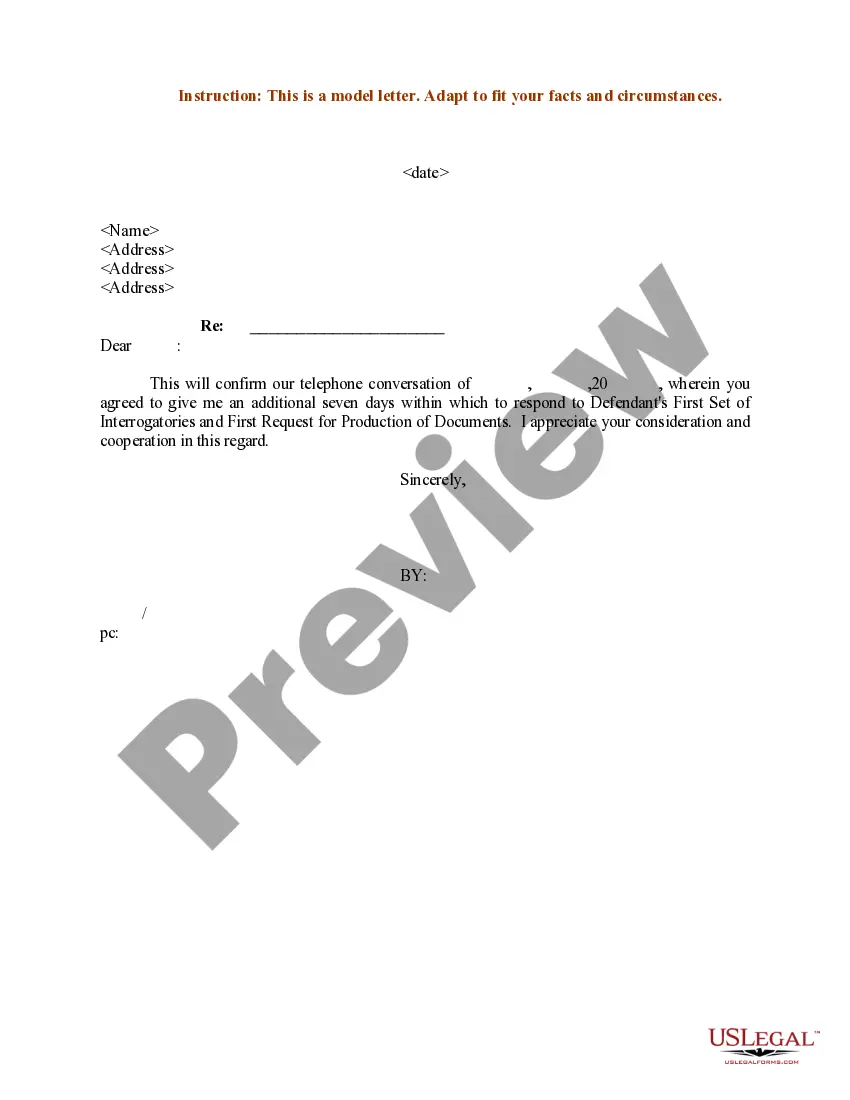
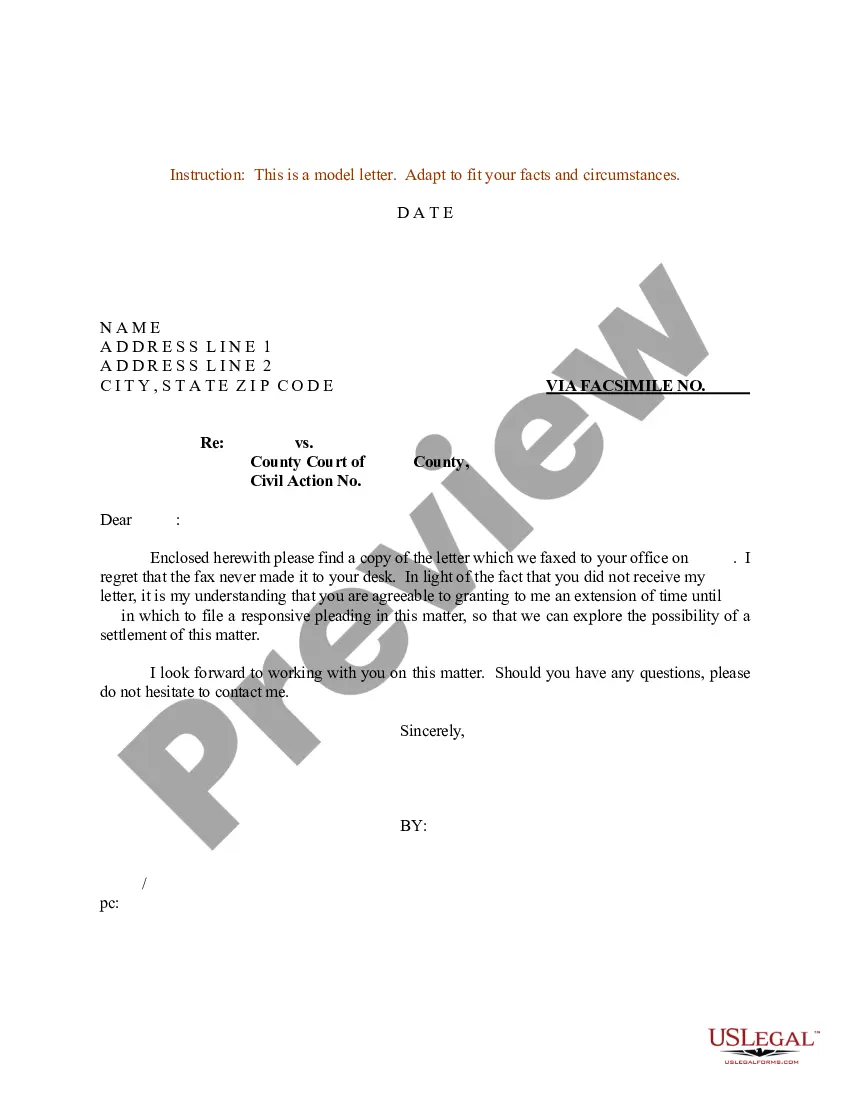
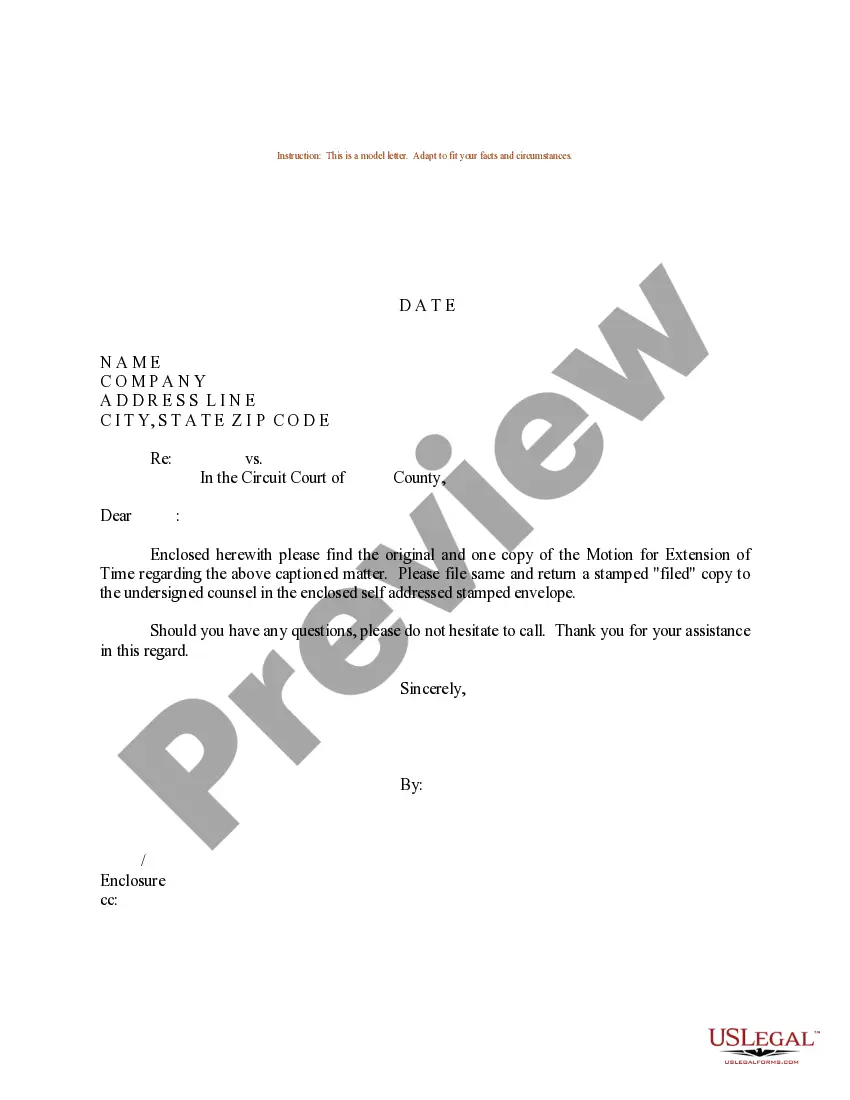
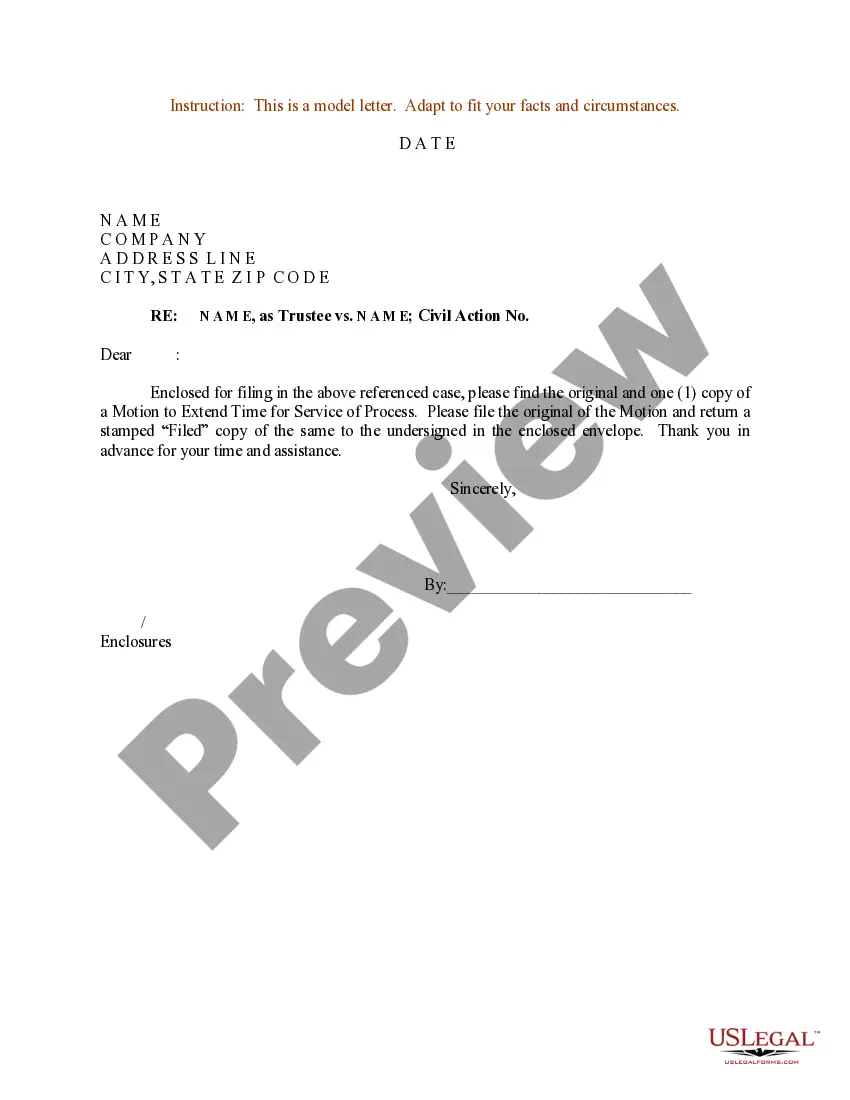
Get your form ready online
Our built-in tools help you complete, sign, share, and store your documents in one place.
Make edits, fill in missing information, and update formatting in US Legal Forms—just like you would in MS Word.
Download a copy, print it, send it by email, or mail it via USPS—whatever works best for your next step.
Sign and collect signatures with our SignNow integration. Send to multiple recipients, set reminders, and more. Go Premium to unlock E-Sign.
If this form requires notarization, complete it online through a secure video call—no need to meet a notary in person or wait for an appointment.
We protect your documents and personal data by following strict security and privacy standards.

Make edits, fill in missing information, and update formatting in US Legal Forms—just like you would in MS Word.

Download a copy, print it, send it by email, or mail it via USPS—whatever works best for your next step.

Sign and collect signatures with our SignNow integration. Send to multiple recipients, set reminders, and more. Go Premium to unlock E-Sign.

If this form requires notarization, complete it online through a secure video call—no need to meet a notary in person or wait for an appointment.

We protect your documents and personal data by following strict security and privacy standards.
Looking for another form?




Form popularity
FAQ
Draft your pleading on legal paper and include your identifying information and a caption that states the involved parties and case number. Draft the body with numbered paragraphs, double spacing, clear headings, and page numbers. Include a certificate of service in your submission.
Rule - Filing Format and Procedure (a) Except as provided in Rules , , 3A:23, 7A:7(c), and (f) pertaining to Electronically Filed Cases: (1) All pleadings, motions, briefs, depositions, requests for discovery and responses thereto, and all other documents filed in any clerk's office in any proceeding ...
Every pleading must have a caption with the court's name, a title, a file number, and a Rule 7(a) designation. The title of the complaint must name all the parties; the title of other pleadings, after naming the first party on each side, may refer generally to other parties. (b) Paragraphs; Separate Statements.
In any civil action, a party may plead as many matters, whether of law or fact, as he shall think necessary. A party may join a claim in tort with one in contract provided that all claims so joined arise out of the same transaction or occurrence. The court, in its discretion, may order a separate trial for any claim.
(1) Unless the court upon motion, for the convenience of parties and witnesses and in the interests of justice, orders otherwise, methods of discovery may be used in any sequence and the fact that a party is conducting discovery, whether by deposition or otherwise, shall not operate to delay any other party's discovery ...
Pursuant to this Rule, when a lawyer or an entire firm ceases to practice and another lawyer or firm takes over the representation, the selling lawyer or firm may obtain compensation for the reasonable value of the practice as may withdrawing partners of law firms.
All motions in writing, including a motion for a bill of particulars and a motion to dismiss, whether filed in paper document format or as electronic or digitally imaged filings, are pleadings.
(1) Unless the court upon motion, for the convenience of parties and witnesses and in the interests of justice, orders otherwise, methods of discovery may be used in any sequence and the fact that a party is conducting discovery, whether by deposition or otherwise, shall not operate to delay any other party's discovery ...
To plead means to draft and serve a pleading or to file a pleading in court; to answer the opposing party's plea; to make a plea. In civil lawsuits and petitions, the filing of any document (pleading) or the act of making an assertion or allegation in a legal proceeding.

