No Contest Vs Guilty In Virginia
Description
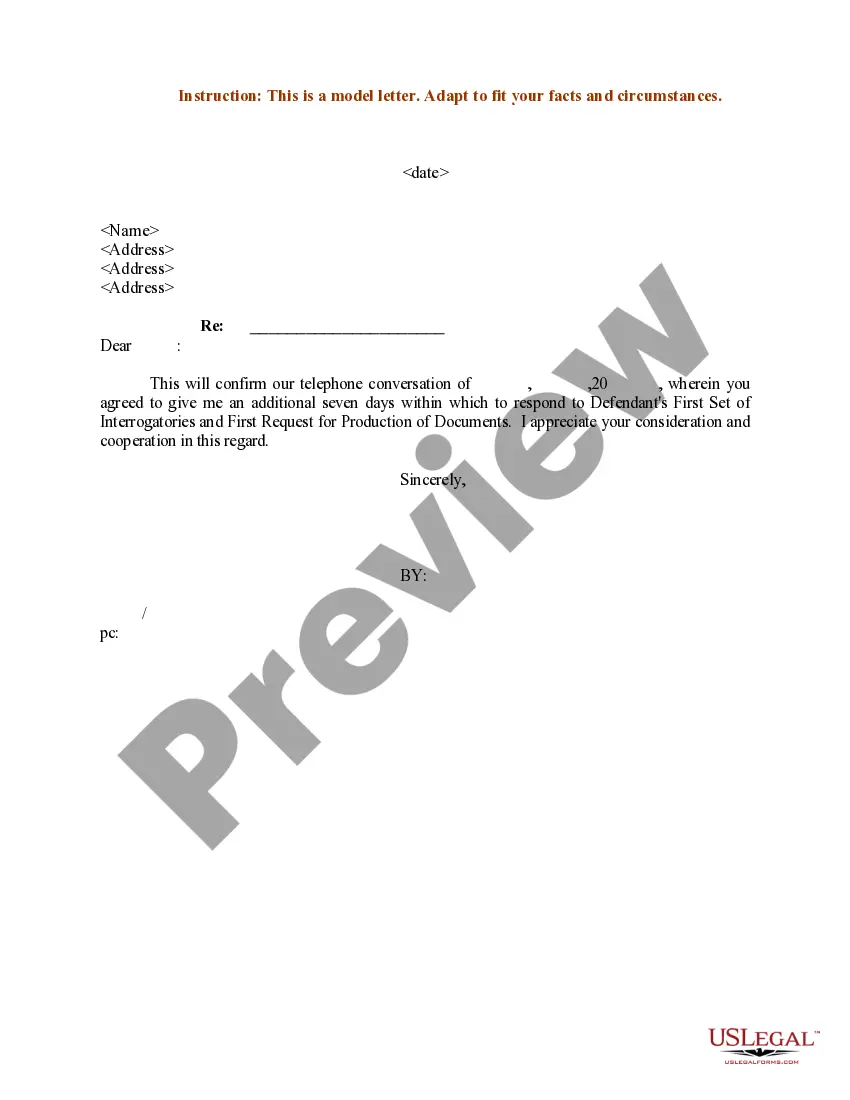
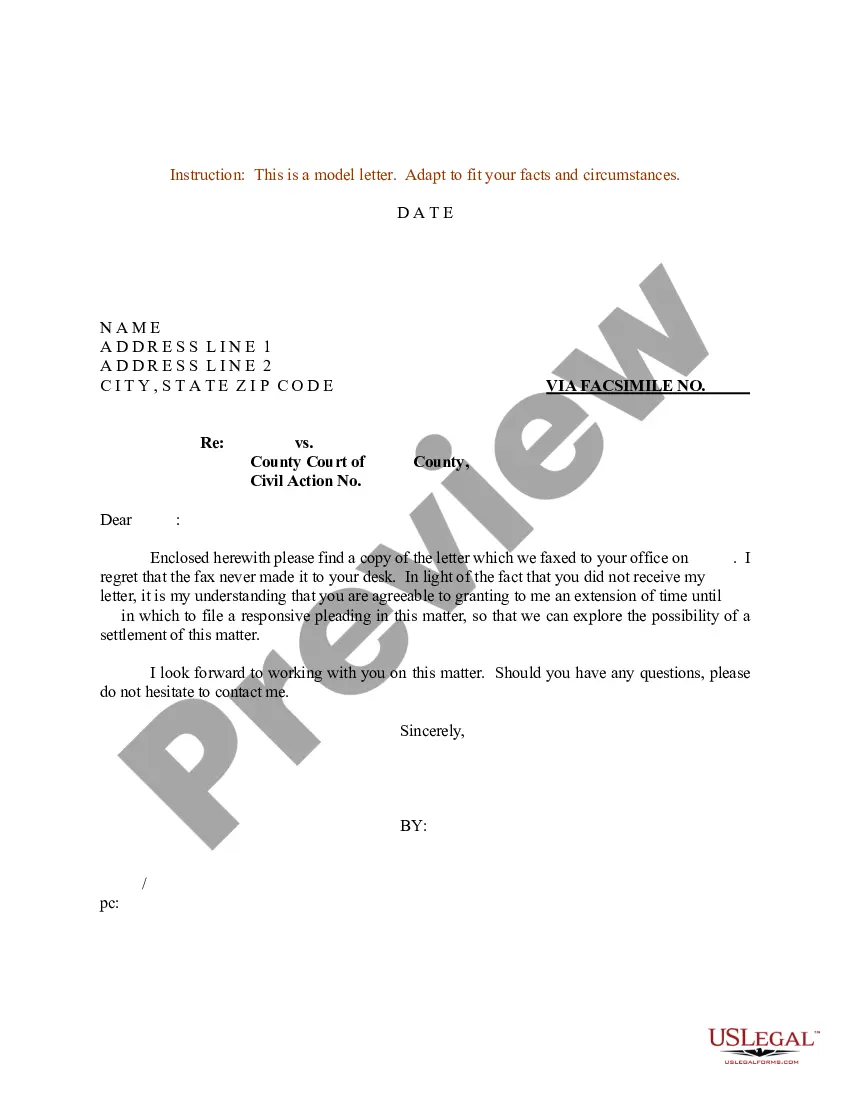


Get your form ready online
Our built-in tools help you complete, sign, share, and store your documents in one place.
Make edits, fill in missing information, and update formatting in US Legal Forms—just like you would in MS Word.
Download a copy, print it, send it by email, or mail it via USPS—whatever works best for your next step.
Sign and collect signatures with our SignNow integration. Send to multiple recipients, set reminders, and more. Go Premium to unlock E-Sign.
If this form requires notarization, complete it online through a secure video call—no need to meet a notary in person or wait for an appointment.
We protect your documents and personal data by following strict security and privacy standards.

Make edits, fill in missing information, and update formatting in US Legal Forms—just like you would in MS Word.

Download a copy, print it, send it by email, or mail it via USPS—whatever works best for your next step.

Sign and collect signatures with our SignNow integration. Send to multiple recipients, set reminders, and more. Go Premium to unlock E-Sign.

If this form requires notarization, complete it online through a secure video call—no need to meet a notary in person or wait for an appointment.

We protect your documents and personal data by following strict security and privacy standards.
Looking for another form?







Form popularity
FAQ
You may be able to enter into a favorable plea agreement with the prosecutor if you agree to plead guilty. They may drop the charges to a less serious offense or agree to reduce your sentence. This can be extremely beneficial, especially if you face a jail or prison sentence.
``No contest'' means you are not admitting guilt, but are accepting there is sufficient evidence to convict you. ``Guilty'' means you are admitting guilt. Either way, the court will sentence you for the crime.
The legal effect of such a plea, to a crime punishable as a felony, shall be the same as that of a plea of guilty for all purposes.
You should always plead no contest, if you can. A no contest plea mean that you do not contest the charges. The court still finds you guilty, but the conviction can't be used against you in a civil lawsuit. For example, if you are in a car accident and get cited, you would want to plead no contest to the citation.
Absolutely. Pleading not guilty and never admitting a thing doesn't keep you from being found guilty and sentenced. In Federal court you are automatically faced with longer sentences because you don't get credit for ``acceptance of responsibility.''
No contest is the same as a guilty plea, period. It just can't be used against you in civil case.
If you plead "nolo contendere" (no contest) you stated that while you do not wish to plead guilty you agree that the prosecutor has sufficient evidence that the court would find you guilty. This is considered the same as pleading guilty as far as the conviction is concerned.
Pleading guilty means you admit that you committed the crime. Pleading no contest (“nolo contendere”) means accepting the conviction but avoiding a factual admission of guilt.
If you might face a civil case related to your alleged crime, a no-contest plea can help you avoid giving the plaintiff a powerful piece of evidence. On the other hand, a guilty plea might get you a better deal from the prosecution, but it's essential to weigh the potential for a civil lawsuit.

