Pleading Paper Format In Salt Lake
Description




Get your form ready online
Our built-in tools help you complete, sign, share, and store your documents in one place.
Make edits, fill in missing information, and update formatting in US Legal Forms—just like you would in MS Word.
Download a copy, print it, send it by email, or mail it via USPS—whatever works best for your next step.
Sign and collect signatures with our SignNow integration. Send to multiple recipients, set reminders, and more. Go Premium to unlock E-Sign.
If this form requires notarization, complete it online through a secure video call—no need to meet a notary in person or wait for an appointment.
We protect your documents and personal data by following strict security and privacy standards.

Make edits, fill in missing information, and update formatting in US Legal Forms—just like you would in MS Word.

Download a copy, print it, send it by email, or mail it via USPS—whatever works best for your next step.

Sign and collect signatures with our SignNow integration. Send to multiple recipients, set reminders, and more. Go Premium to unlock E-Sign.

If this form requires notarization, complete it online through a secure video call—no need to meet a notary in person or wait for an appointment.

We protect your documents and personal data by following strict security and privacy standards.
Looking for another form?








Form popularity
FAQ
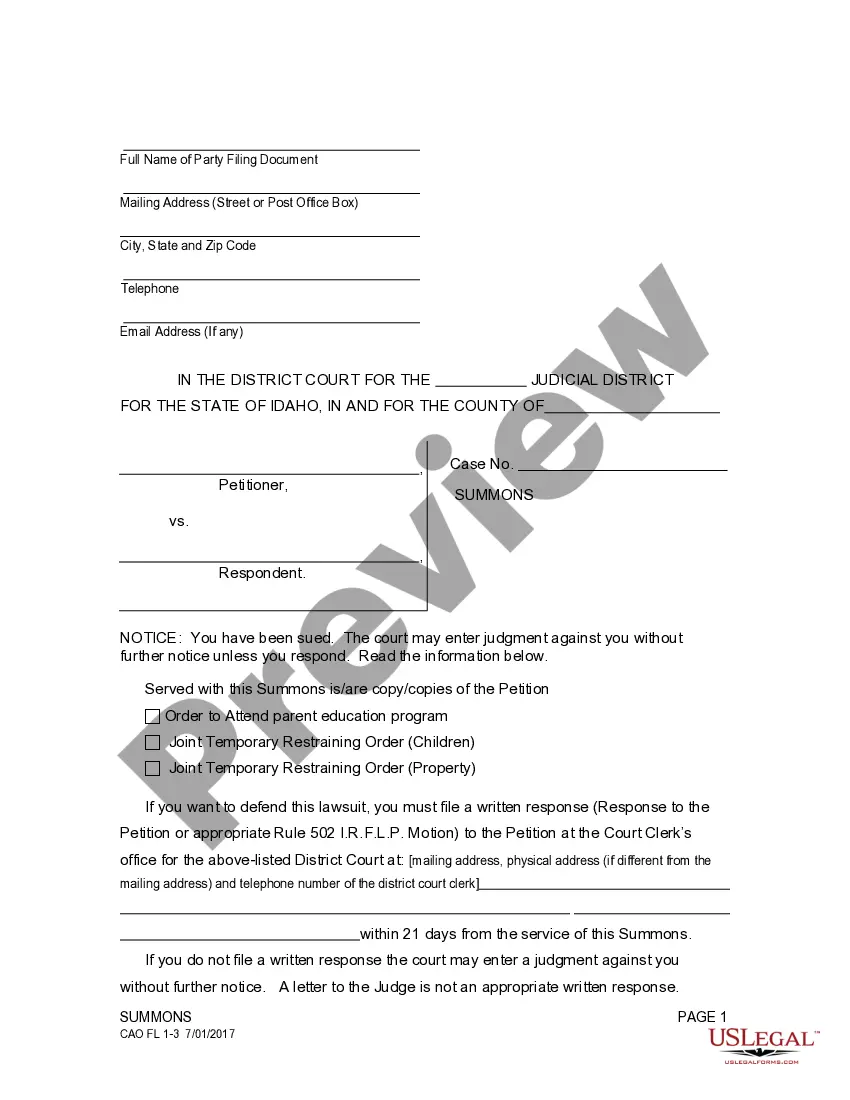
Pleading Paper Your name must start on line 1. The Court name and location must start on line 8. The caption of the case must start on line 11. You must have a footer with the title of the document. After the caption (the box with the name of the Plaintiff/Respondent) you can use the space as needed, using double spacing.
If there is not a California or Local Court form to fit your situation, you will need to draft your own pleading or motion on pleading paper. The template below is already pre-formatted to meet the requirements of California Rules of Court, rules 2.100, et.
Under the Utah Court Record Rule (4–202.02), criminal court records not sealed or expunged are public records, and can be viewed, inspected, and copied by citizens pertinent to their rights.
A Certificate of Disposition is an official court document affixed with the Court Seal that says what happened in a criminal case. It says the crime you were charged with, what you were convicted of, the date you were convicted and the sentence you got.
ON YOUR OWN BY COMPUTER: The majority of filings are available electronically online through PACER. If you do not have a PACER account, you may register online at . Or call (800) 676-6856 for registration assistance.
A certified disposition can only be issued by the court where the case took place. Courts have different procedures and requirements for how to get a certified disposition. Some courts may require that you make your request in person, while others may honor requests made by mail, phone, or online.
A Quick Definition. Disposition is the criminal justice system's method of noting how a case was resolved or how it will soon proceed. On background check reports, disposition tells you the status of all a candidate's previous court cases (dismissed, convicted, ongoing, etc).
A Certificate of Disposition is an official court document that indicates the current status of a case or its final disposition.

