Pleading With In Pennsylvania
Description
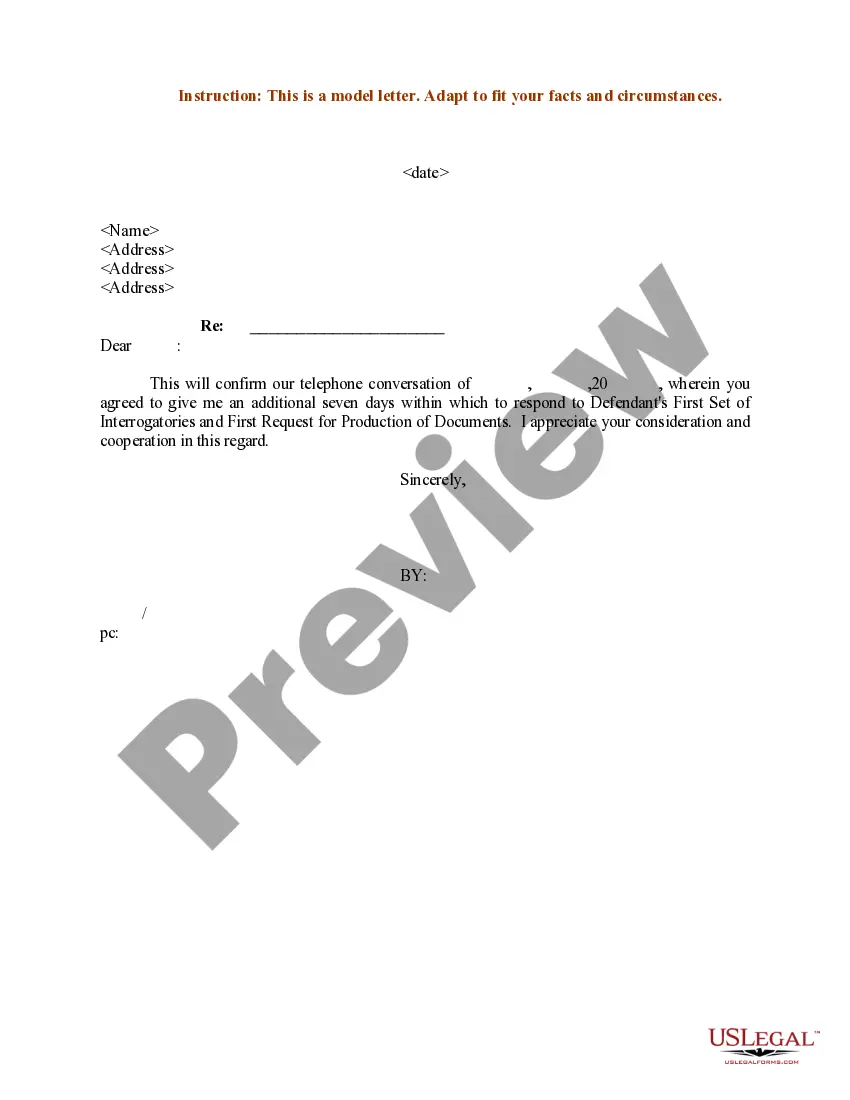
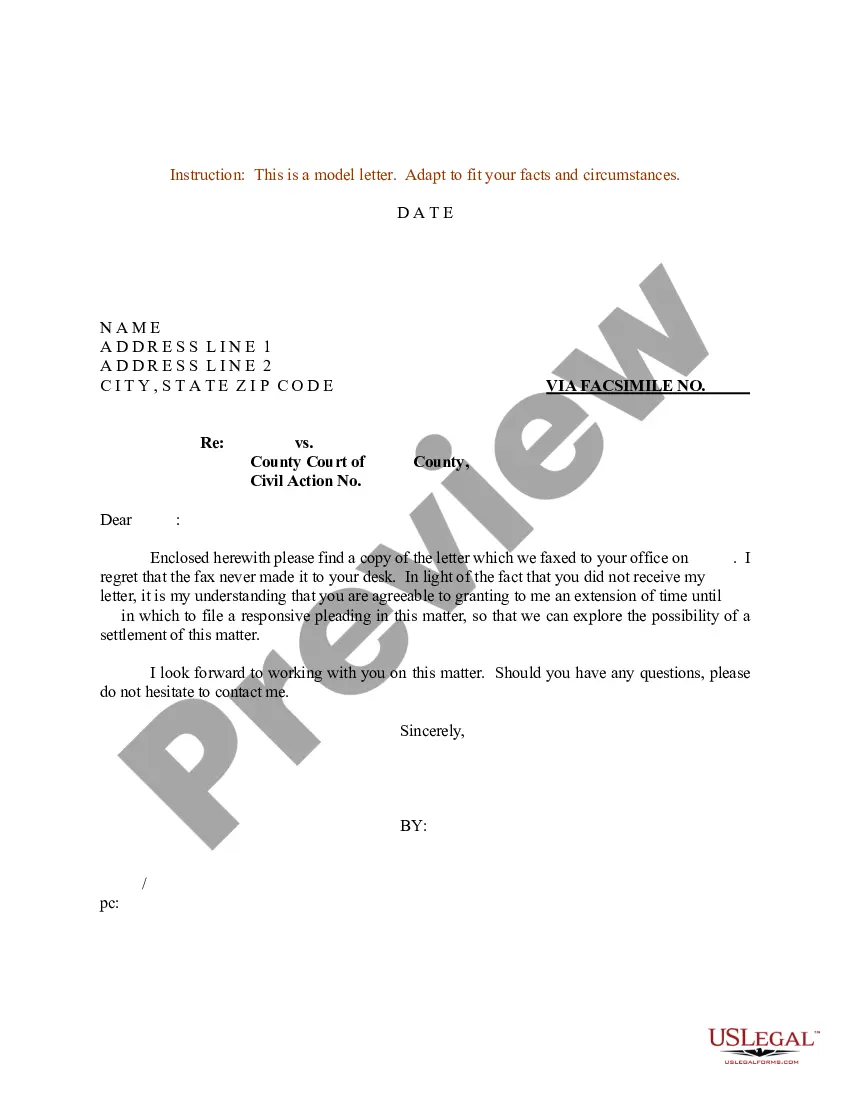


Get your form ready online
Our built-in tools help you complete, sign, share, and store your documents in one place.
Make edits, fill in missing information, and update formatting in US Legal Forms—just like you would in MS Word.
Download a copy, print it, send it by email, or mail it via USPS—whatever works best for your next step.
Sign and collect signatures with our SignNow integration. Send to multiple recipients, set reminders, and more. Go Premium to unlock E-Sign.
If this form requires notarization, complete it online through a secure video call—no need to meet a notary in person or wait for an appointment.
We protect your documents and personal data by following strict security and privacy standards.

Make edits, fill in missing information, and update formatting in US Legal Forms—just like you would in MS Word.

Download a copy, print it, send it by email, or mail it via USPS—whatever works best for your next step.

Sign and collect signatures with our SignNow integration. Send to multiple recipients, set reminders, and more. Go Premium to unlock E-Sign.

If this form requires notarization, complete it online through a secure video call—no need to meet a notary in person or wait for an appointment.

We protect your documents and personal data by following strict security and privacy standards.
Looking for another form?






Form popularity
FAQ
Pro Se Representation: Individuals are allowed to represent themselves in court, known as ``pro se'' or ``pro per'' representation. This means they do not need to be a certified attorney to represent themselves, but they also cannot represent anyone else.
In some circumstances, you file a petition or a motion. The court has several complaint forms that you may use in drafting your complaint. The forms are available online and at the Pro Se Intake Unit. You may also write your own complaint without using a court form.
When a petition is filed, the plaintiff and the defendant are given the opportunity to settle the case privately or to use an alternative dispute resolution (ADR) process rather than go to trial. The court may also provide a summary judgment. If the case goes to trial, the judge will ultimately issue a verdict.
Basically, you need to explain the reason you are filing, what you would like to see happen (the relief you are requesting) and provide specific examples of what occurred that makes you think the judge should give you what you are asking for.
Rule 1017 - Pleadings Allowed (a) Except as provided by Rule 1041.1, the pleadings in an action are limited to (1) a complaint and an answer thereto, (2) a reply if the answer contains new matter a counterclaim or a cross-claim, (3) a counter-reply if the reply to a counterclaim or cross-claim contains new matter, (4) ...
In some circumstances, you file a petition or a motion. The court has several complaint forms that you may use in drafting your complaint. The forms are available online and at the Pro Se Intake Unit. You may also write your own complaint without using a court form.
Put simply, the first-to-file rule is a rule of general application in our jurisdiction, which asserts that the applicant who first files their patent receives priority. Apparently, this is a departure from the “first to invent” rule, which historically gave priority to the inventor who first created the innovation.
(1) All motions shall be in writing, except as permitted by the court or when made in open court during a trial or hearing. (2) A written motion shall comply with the following requirements: (a) The motion shall be signed by the person or attorney making the motion.
Alternative Pleading. (a) The plaintiff may state in the complaint one or more grounds for divorce and may join in the alternative a cause of action for annulment. (4) file to the same term and number a subsequent petition raising the ancillary claims.
(c) Pleadings must contain facts which, if true, are sufficient to constitute a violation of the Act or a Commission regulation or order, or a defense to an alleged violation. (d) Averred facts, claims, or defenses shall be made in numbered paragraphs and must be supported by relevant evidence.
