Confirmation Letter Example With Cc In Pennsylvania
Description
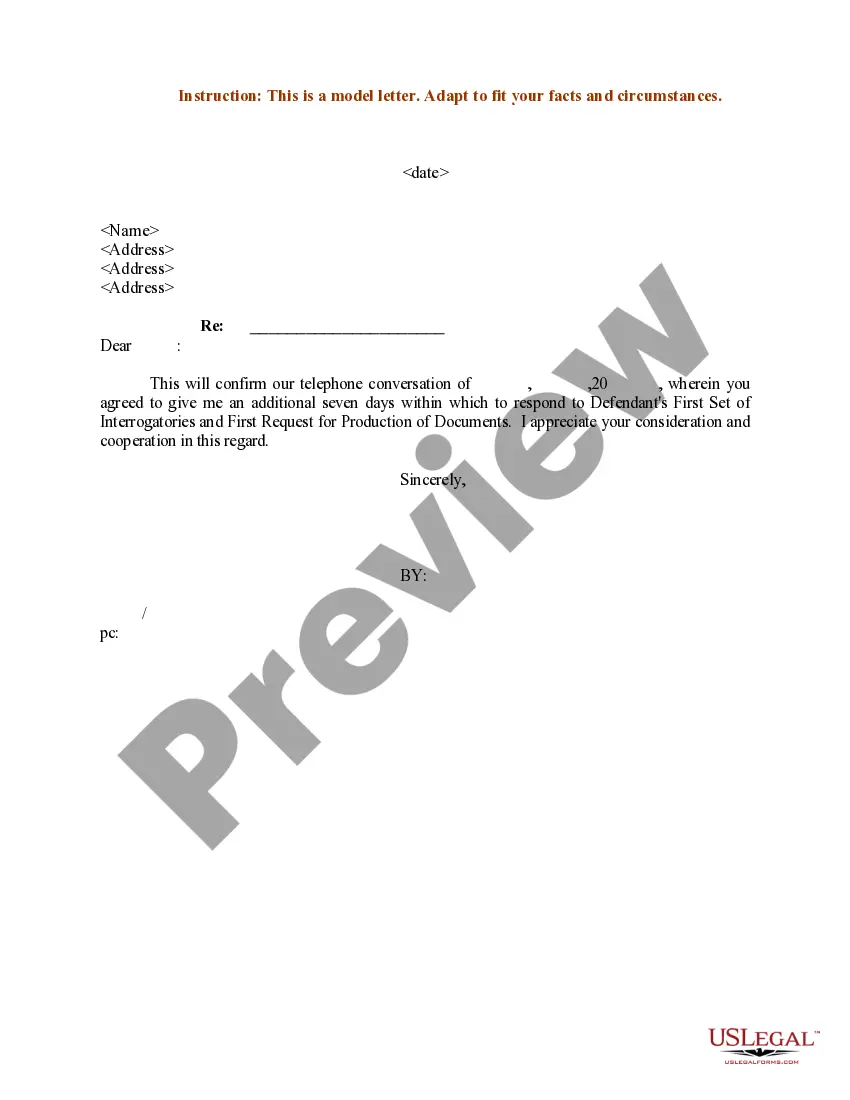
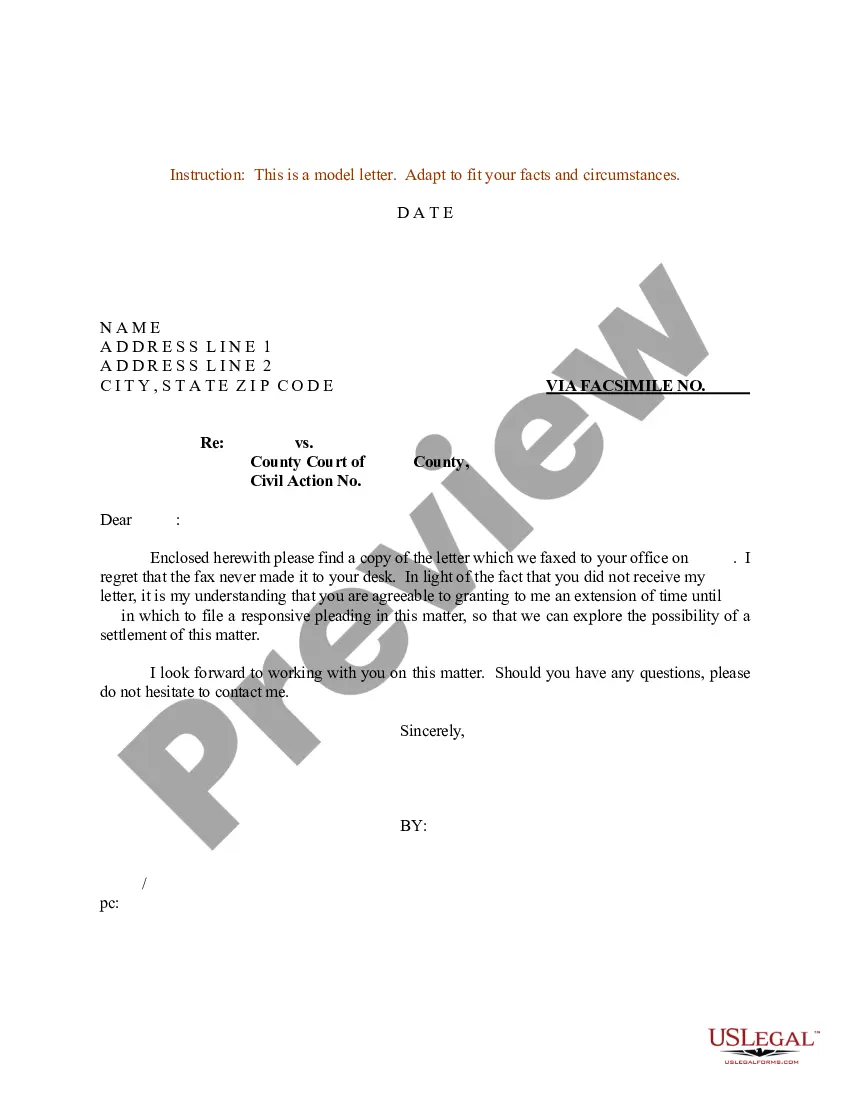


Get your form ready online
Our built-in tools help you complete, sign, share, and store your documents in one place.
Make edits, fill in missing information, and update formatting in US Legal Forms—just like you would in MS Word.
Download a copy, print it, send it by email, or mail it via USPS—whatever works best for your next step.
Sign and collect signatures with our SignNow integration. Send to multiple recipients, set reminders, and more. Go Premium to unlock E-Sign.
If this form requires notarization, complete it online through a secure video call—no need to meet a notary in person or wait for an appointment.
We protect your documents and personal data by following strict security and privacy standards.

Make edits, fill in missing information, and update formatting in US Legal Forms—just like you would in MS Word.

Download a copy, print it, send it by email, or mail it via USPS—whatever works best for your next step.

Sign and collect signatures with our SignNow integration. Send to multiple recipients, set reminders, and more. Go Premium to unlock E-Sign.

If this form requires notarization, complete it online through a secure video call—no need to meet a notary in person or wait for an appointment.

We protect your documents and personal data by following strict security and privacy standards.
Looking for another form?



Form popularity
FAQ
The 'cc' is typically included directly below the signature block, and it will indicate any additional recipients that will receive a copy of the letter. It is usually followed by the names of these additional recipients. Directly below 'cc', or following the names if any are listed, you will write 'Enc.
Under your signature, type "CC" and place two to four spaces between your signature and the CC line. Now enter the names of everyone who will be CC'd on this letter.
If the writer dictated the letter and someone else keyed it, the writer's initials appear in capitals, followed by a colon and the typist's initials in lowercase (e.g., “RLM:edi”).
In the digital age, the meaning of CC changed to refer to a copy of an email—essentially, the digital equivalent of a physical carbon copy. CC'd (or CC'ed) is the past tense verb of “carbon copy.” If you've carbon copied someone on an email, that means you've added them in the CC field.
Confirmation Letter Format Header: Includes the company's name, address, and official contact information. Date: Includes the date on which the letter is being sent. Recipient's information: Includes the recipient's name, title, and official address. Subject: It describes the purpose of the letter.
Seeing step one follow a proper letter format when you write your letter. Step two under yourMoreSeeing step one follow a proper letter format when you write your letter. Step two under your signature type CC put two to four spaces between your signature. And the CC.
Seeing step one follow a proper letter format when you write your letter. Step two under yourMoreSeeing step one follow a proper letter format when you write your letter. Step two under your signature type CC put two to four spaces between your signature. And the CC.
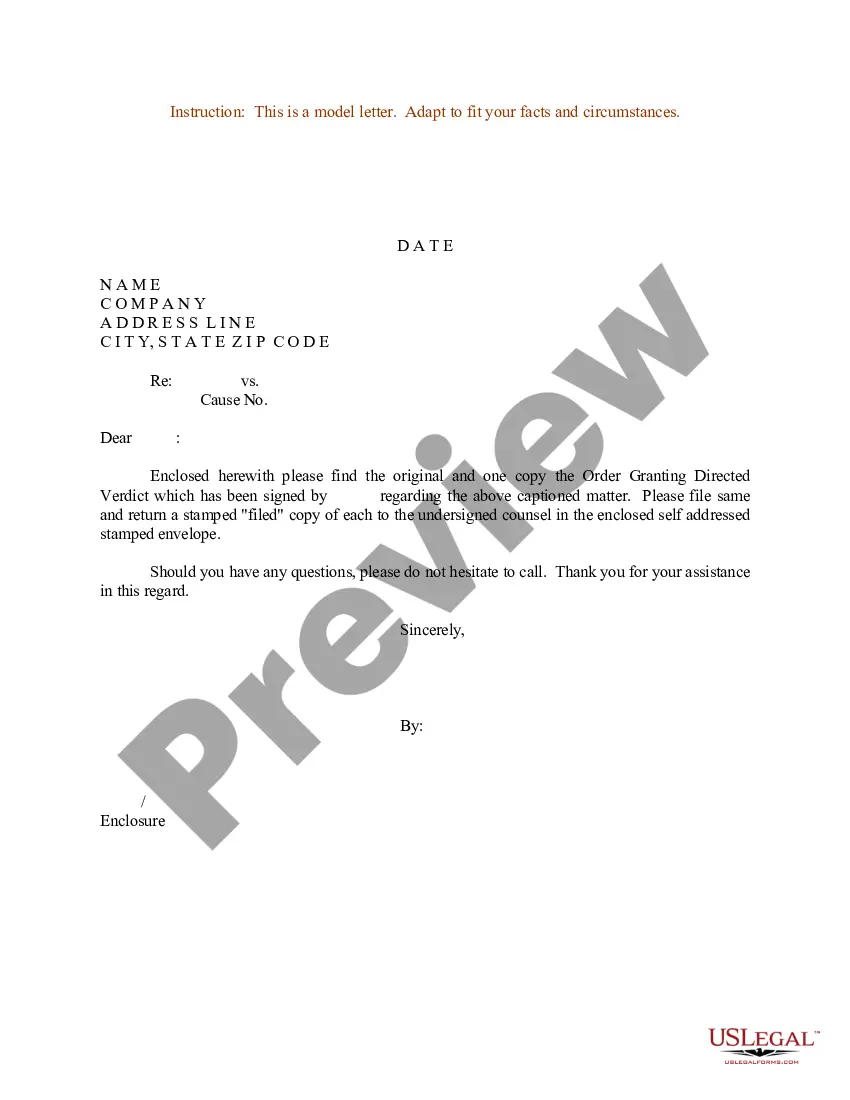
At the end of the letter, after the signature, type CC: and then the list of the names of the other people to whom you're going to send the letter. Print the letter with as many copies as you have on your CC list plus the one for the direct recipient. Address envelopes for all recipients.
In the digital age, the meaning of CC changed to refer to a copy of an email—essentially, the digital equivalent of a physical carbon copy. CC'd (or CC'ed) is the past tense verb of “carbon copy.” If you've carbon copied someone on an email, that means you've added them in the CC field.
Writing the Confirmation Letter Step 1: Start with a Proper Salutation. Address the recipient using their professional title and name. Step 2: Clearly State the Purpose of the Letter. Step 3: Provide Relevant Details. Step 4: Include Any Necessary Instructions or Next Steps. Step 5: Express Gratitude and Offer Assistance.

