Pleading With Particularity In Orange
Description
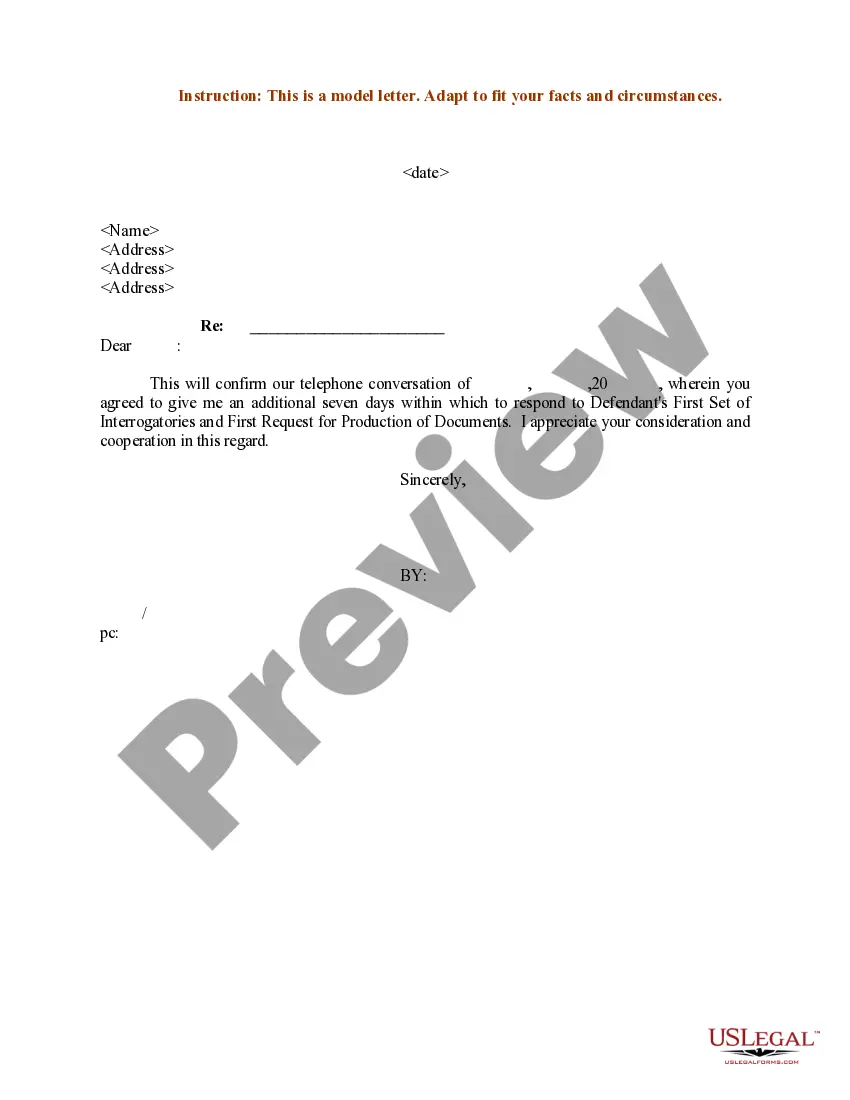
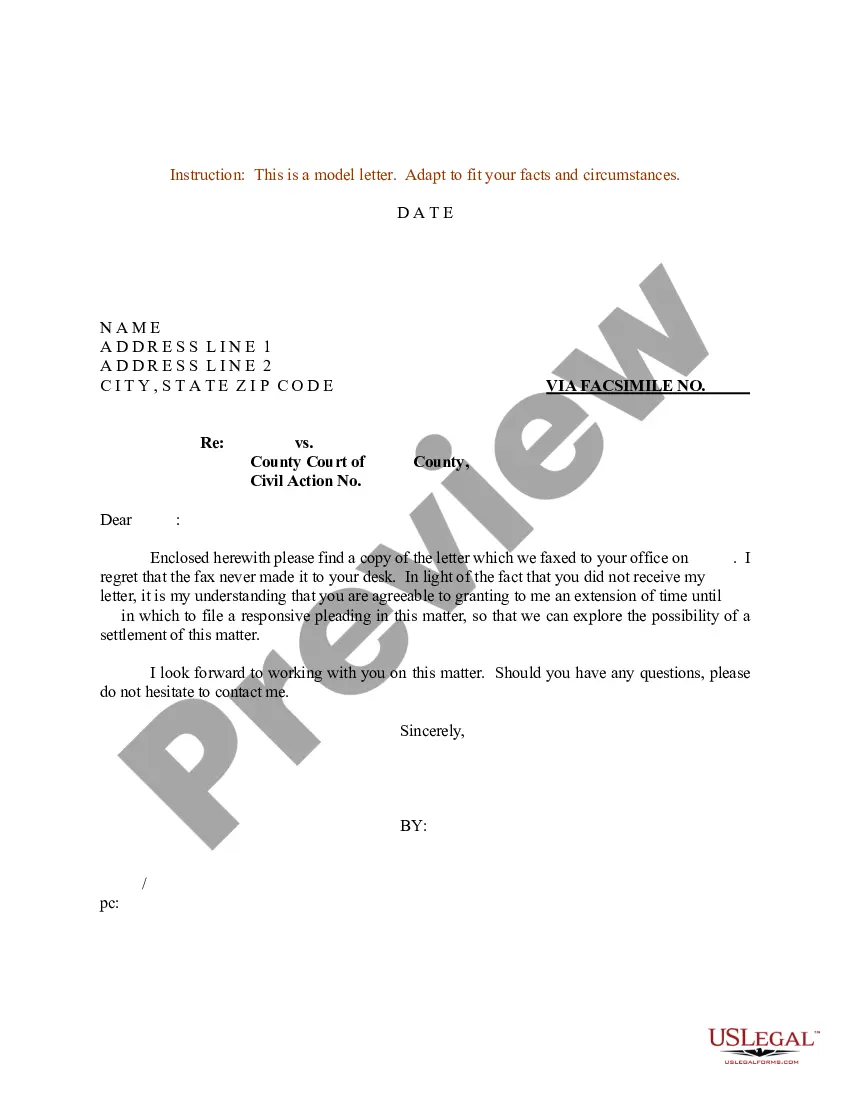
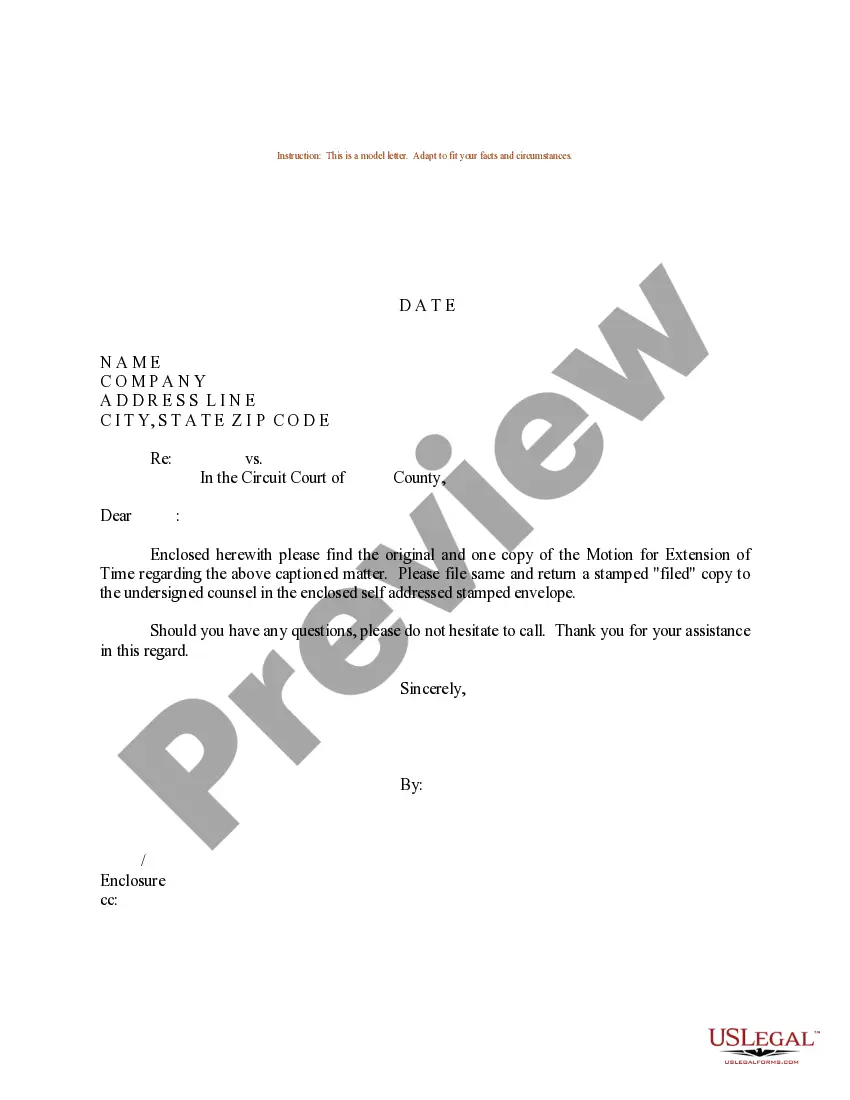
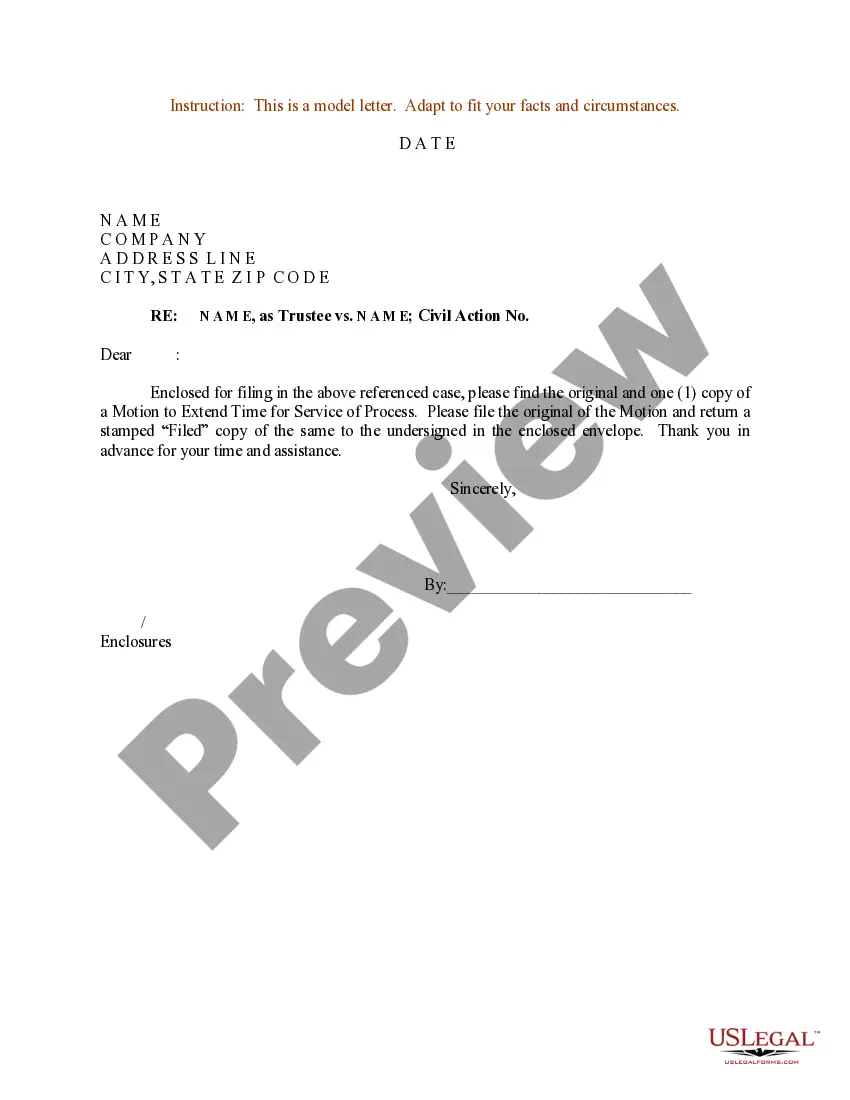
Get your form ready online
Our built-in tools help you complete, sign, share, and store your documents in one place.
Make edits, fill in missing information, and update formatting in US Legal Forms—just like you would in MS Word.
Download a copy, print it, send it by email, or mail it via USPS—whatever works best for your next step.
Sign and collect signatures with our SignNow integration. Send to multiple recipients, set reminders, and more. Go Premium to unlock E-Sign.
If this form requires notarization, complete it online through a secure video call—no need to meet a notary in person or wait for an appointment.
We protect your documents and personal data by following strict security and privacy standards.

Make edits, fill in missing information, and update formatting in US Legal Forms—just like you would in MS Word.

Download a copy, print it, send it by email, or mail it via USPS—whatever works best for your next step.

Sign and collect signatures with our SignNow integration. Send to multiple recipients, set reminders, and more. Go Premium to unlock E-Sign.

If this form requires notarization, complete it online through a secure video call—no need to meet a notary in person or wait for an appointment.

We protect your documents and personal data by following strict security and privacy standards.
Looking for another form?










Form popularity
FAQ
There are several types of pleadings in civil litigation. These include complaints, which serve as the basis of the legal action, and answers, which are the responses to the complaints. There may also be counterclaims, crossclaims, and third-party claims, which are also types of pleadings.
A Rule 8 Hearing is generally the second court appearance in Felony and Gross Misdemeanor cases. Some counties will not hold a Rule 8 Hearing unless you specifically request one. But if held, the hearing is meant to advise you of your rights for a second time.
In civil cases, a bill of particulars is a pleading, which "amplifies" the complaint, but can also act as a discovery device or tool.
The fourth rule – Rule 8(d) – tells that each allegation must be simple, concise, and direct. Further, a party may state as many claims or defenses or it has. Consistency does not matter. The pleading must be construed so as to do justice (Rule 8(e)).
In responding to a pleading, a party must: (A) state in short and plain terms its defenses to each claim asserted against it; and. (B) admit or deny the allegations asserted against it by an opposing party. (2) Denials—Responding to the Substance. A denial must fairly respond to the substance of the allegation.
The Indiana Trial Rules identify eight (8) types of pleadings that may be filed in a legal case. These include complaints, counterclaims, crossclaims, third-party complaints, answers, replies, motions, and petitions.
(1) Each averment of a pleading shall be simple, concise, and direct. No technical forms of pleading or motions are required. (2) A party may set forth two or more statements of a claim or defense alternately or hypothetically, either in one count or defense or in separate counts or defenses.
(b) Fraud, Mistake, Condition of the Mind. In all averments of fraud or mistake, the circumstances constituting fraud or mistake shall be stated with particularity. Malice, intent, knowledge, and other condition of mind of a person may be averred generally.
(c) Pleadings must contain facts which, if true, are sufficient to constitute a violation of the Act or a Commission regulation or order, or a defense to an alleged violation. (d) Averred facts, claims, or defenses shall be made in numbered paragraphs and must be supported by relevant evidence.
Pleading Paper Template – California Your name must start on line 1. The Court name and location must start on line 8. The caption of the case must start on line 11. You must have a footer with the title of the document.
