Pleading For Mercy In Orange
Description
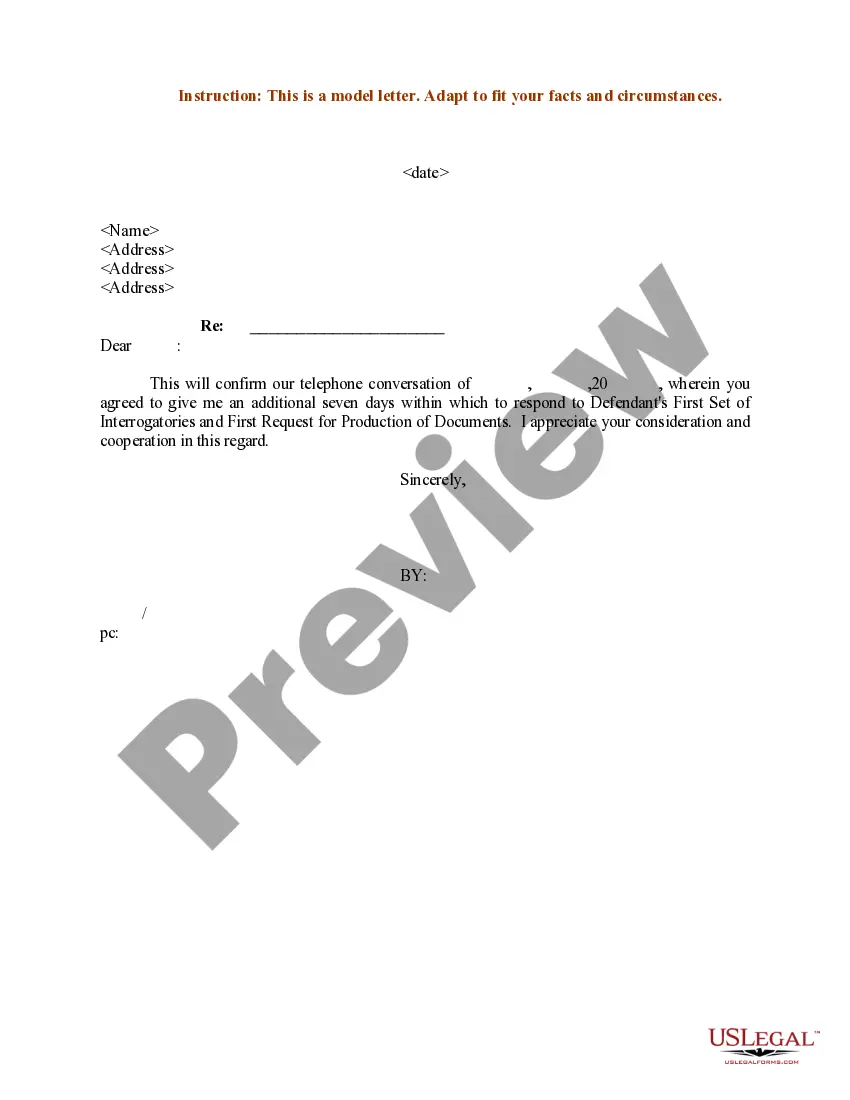
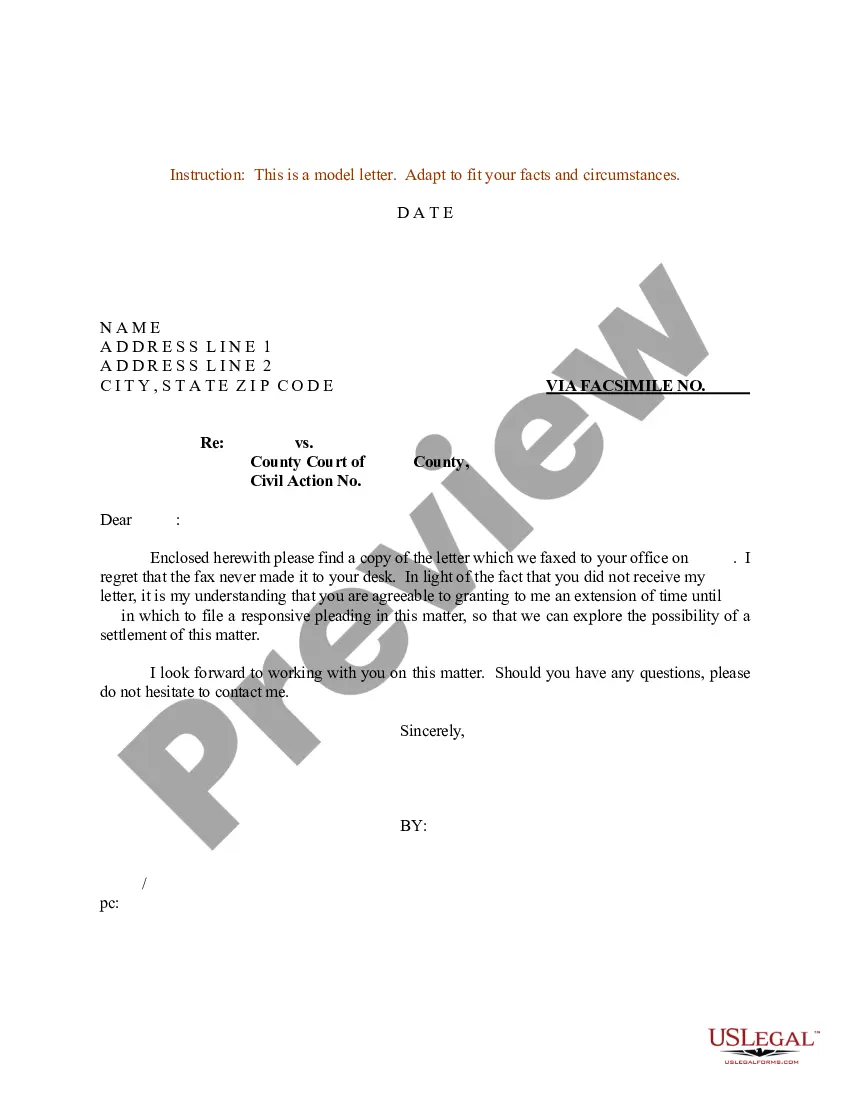


Get your form ready online
Our built-in tools help you complete, sign, share, and store your documents in one place.
Make edits, fill in missing information, and update formatting in US Legal Forms—just like you would in MS Word.
Download a copy, print it, send it by email, or mail it via USPS—whatever works best for your next step.
Sign and collect signatures with our SignNow integration. Send to multiple recipients, set reminders, and more. Go Premium to unlock E-Sign.
If this form requires notarization, complete it online through a secure video call—no need to meet a notary in person or wait for an appointment.
We protect your documents and personal data by following strict security and privacy standards.

Make edits, fill in missing information, and update formatting in US Legal Forms—just like you would in MS Word.

Download a copy, print it, send it by email, or mail it via USPS—whatever works best for your next step.

Sign and collect signatures with our SignNow integration. Send to multiple recipients, set reminders, and more. Go Premium to unlock E-Sign.

If this form requires notarization, complete it online through a secure video call—no need to meet a notary in person or wait for an appointment.

We protect your documents and personal data by following strict security and privacy standards.
Looking for another form?


Form popularity
FAQ
Pleading for Mercy and Forgiveness of Sin Cleanse my thoughts and desires. Restore to me again the joy of your salvation, and make me willing to obey you. Jesus, have mercy on me. Jesus, have mercy on me. Jesus, have mercy on me. Jesus, I trust in You. Jesus, I trust in You. Jesus, I trust in You. Amen.
If convicted of a crime, you might plead for the judge's mercy, meaning a lesser punishment. When people say "May God have mercy on me!" they're asking for forgiveness. Mercy may be given or received.
Lord, I beg for Your mercy. I am a sinner and I deserve damnation. I acknowledge my sin. I beg, in Your mercy, to forgive my sin and pour forth Your infinite compassion upon me.
Have mercy upon me, O Lord; for I am weak: O Lord, heal me; for my bones are vexed. My soul is also sore vexed: but thou, O Lord, how long? Return, O Lord, deliver my soul: oh save me for thy mercies' sake.
1. Be extremely polite. Some phrases to consider, ``Your Honor, may I address the court, I have something I would like the court to know'', or, ``Pardon me your Honor, may I speak?'' 2. Stay calm. This is hard to do when you think you might be losing, but the calmer you are, the calmer the whole situation will be.
If convicted of a crime, you might plead for the judge's mercy, meaning a lesser punishment. When people say "May God have mercy on me!" they're asking for forgiveness. Mercy may be given or received.
You typically write a leniency letter after the defendant has been convicted of a crime, but before they are sentenced. This allows the judge to consider the letter in their deliberations, potentially leading to a more lenient sentence for the defendant.
Explanation: In legal terms, "in mercy" means that the judge has the power to decide the punishment for the guilty party. For instance, if a plaintiff makes a false claim in court, they may be held in mercy, meaning that the judge can decide what punishment they should receive.
Mercy is compassion that forbears punishment even when justice demands it. In the judicial system, granting clemency, which is another word for mercy, depends entirely on the will of the grantor, who doesn't have to give a reason for granting it.

