Pleading Paper For Google Docs In Michigan
Description
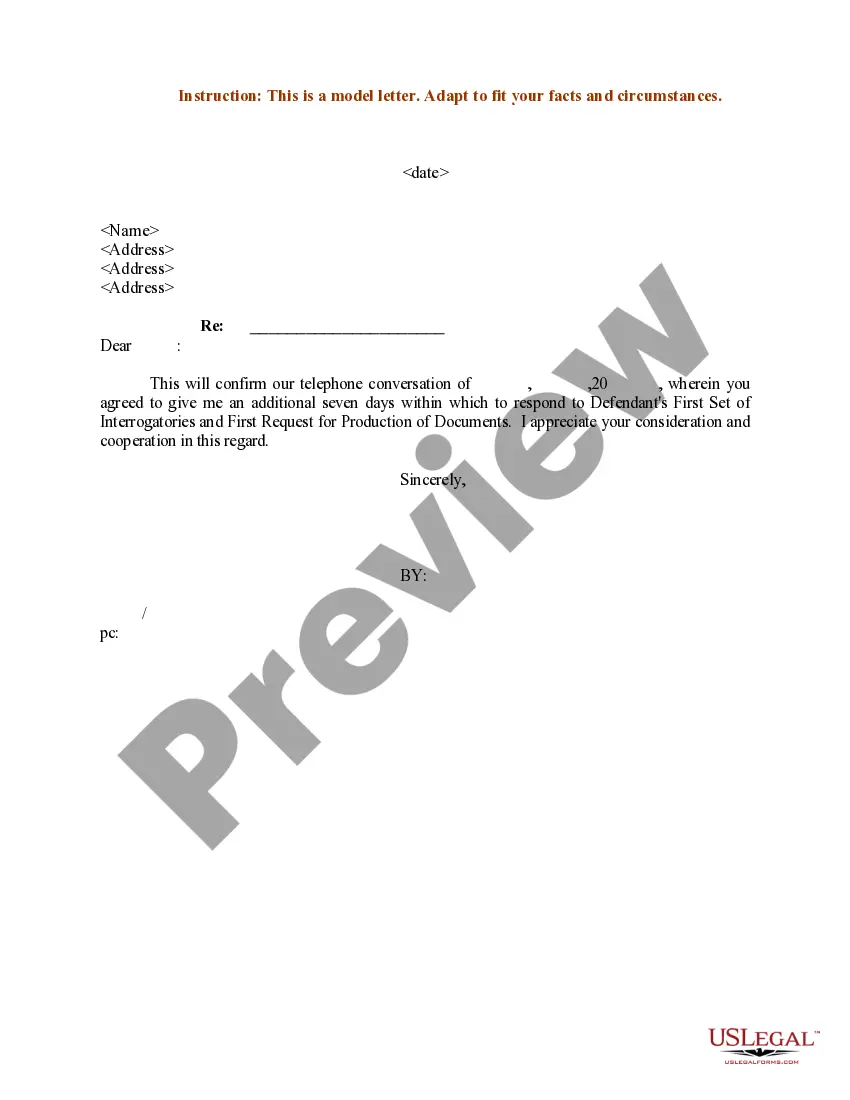
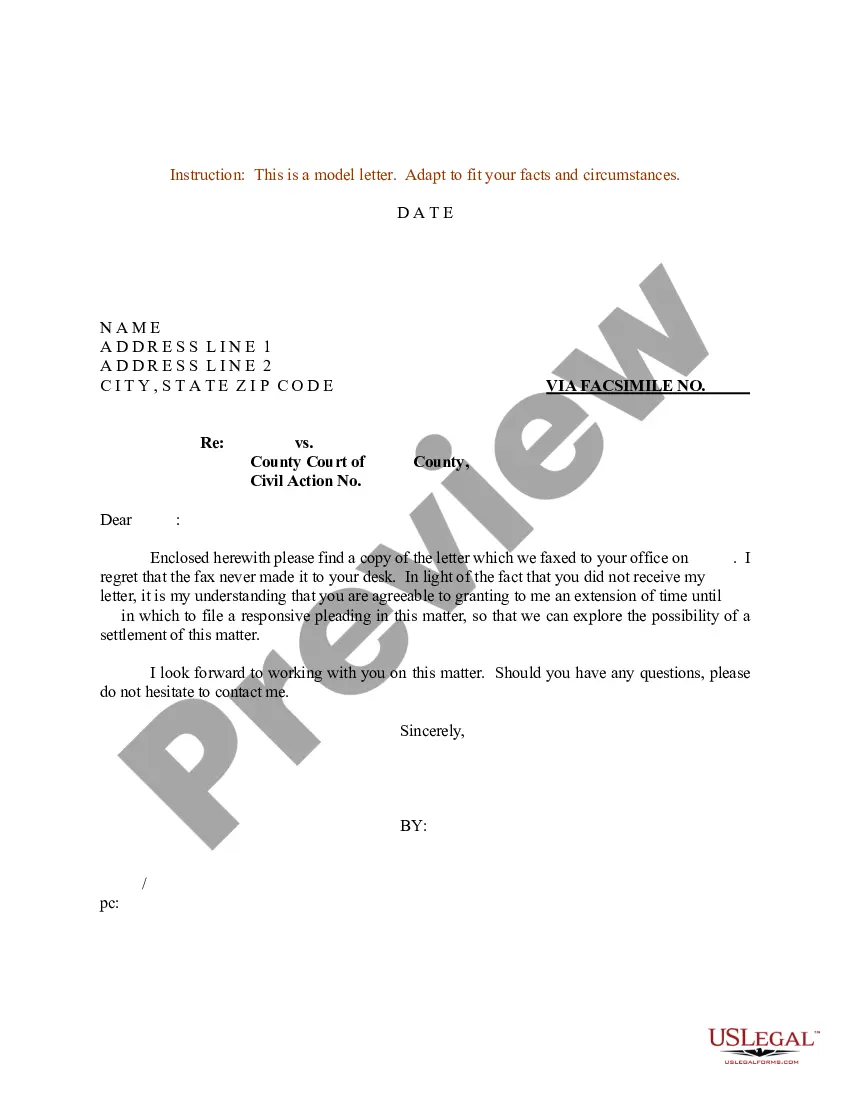


Get your form ready online
Our built-in tools help you complete, sign, share, and store your documents in one place.
Make edits, fill in missing information, and update formatting in US Legal Forms—just like you would in MS Word.
Download a copy, print it, send it by email, or mail it via USPS—whatever works best for your next step.
Sign and collect signatures with our SignNow integration. Send to multiple recipients, set reminders, and more. Go Premium to unlock E-Sign.
If this form requires notarization, complete it online through a secure video call—no need to meet a notary in person or wait for an appointment.
We protect your documents and personal data by following strict security and privacy standards.

Make edits, fill in missing information, and update formatting in US Legal Forms—just like you would in MS Word.

Download a copy, print it, send it by email, or mail it via USPS—whatever works best for your next step.

Sign and collect signatures with our SignNow integration. Send to multiple recipients, set reminders, and more. Go Premium to unlock E-Sign.

If this form requires notarization, complete it online through a secure video call—no need to meet a notary in person or wait for an appointment.

We protect your documents and personal data by following strict security and privacy standards.
Looking for another form?



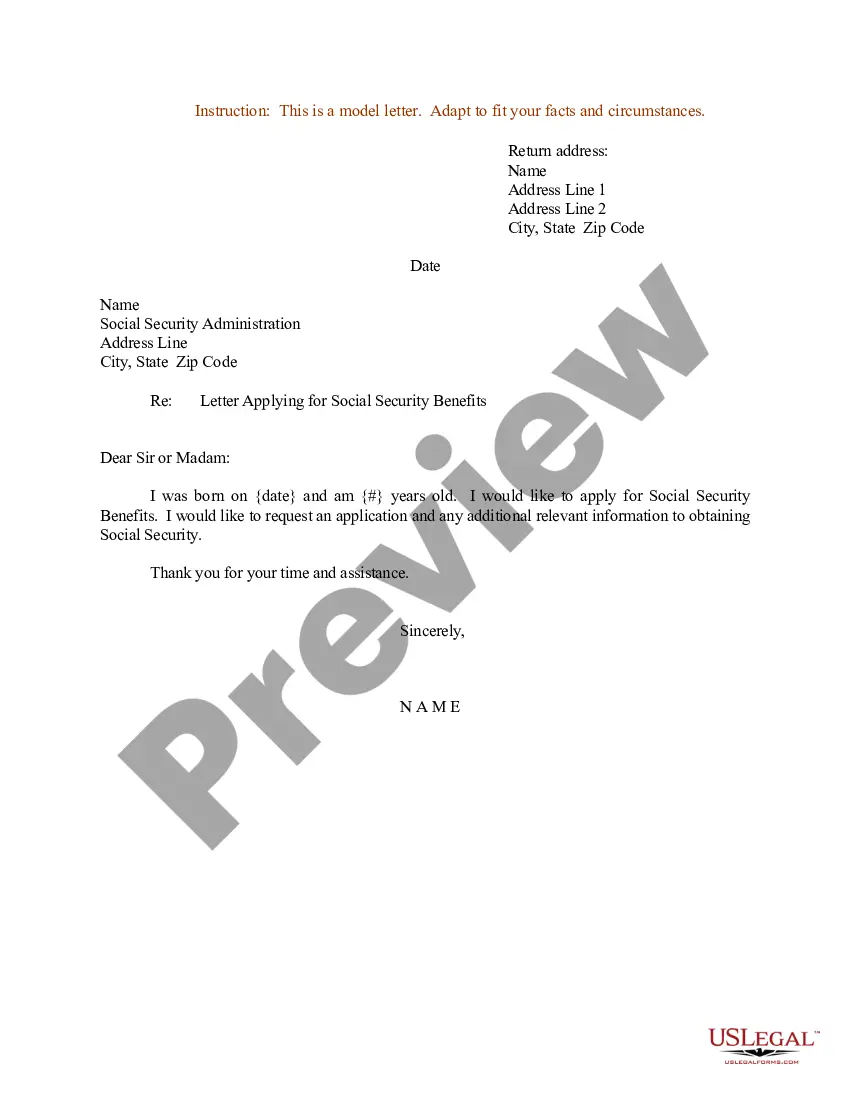



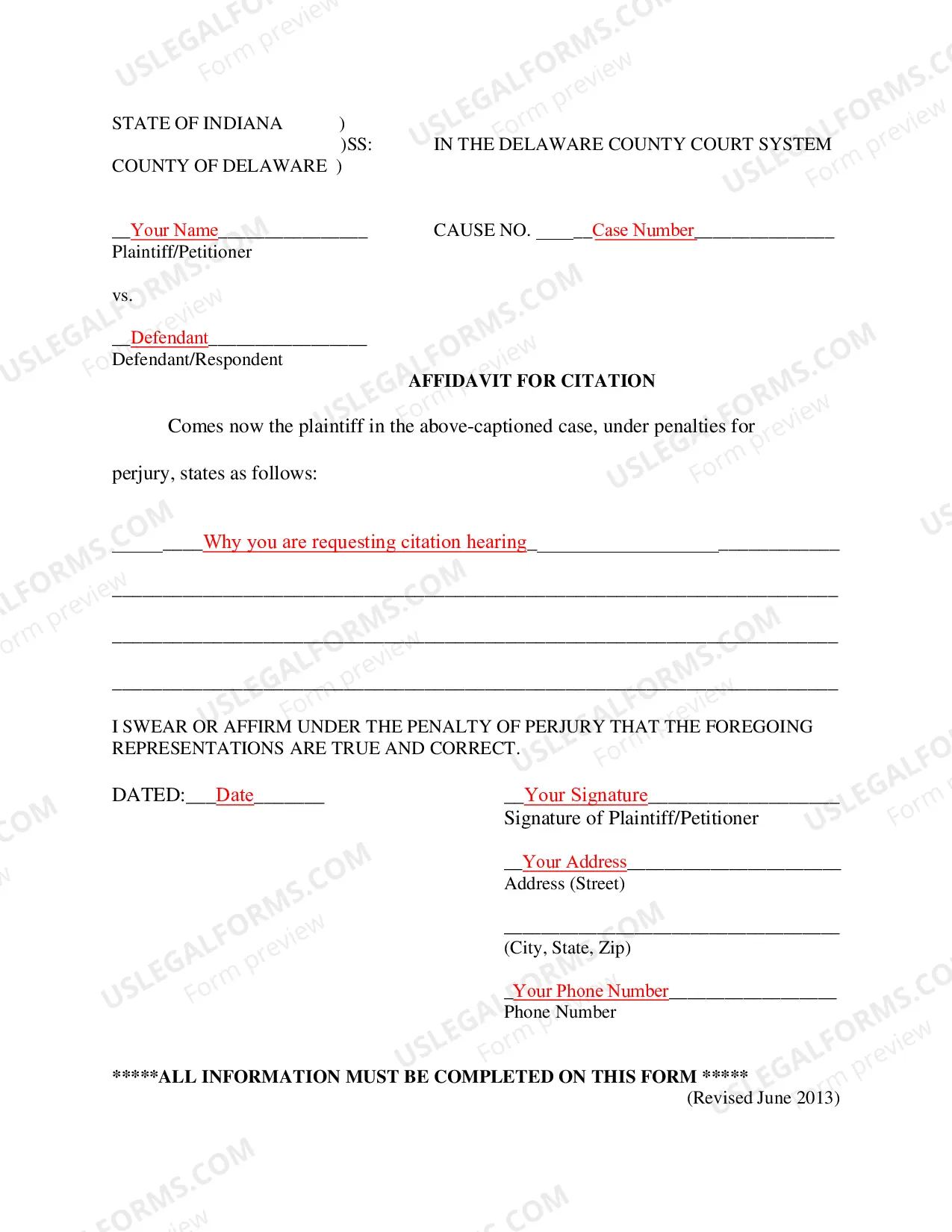


Form popularity
FAQ
Create a Legal Document in Google Docs step-by-step Instructions Step 1: Find the Template to Use. Step 2: Choose Google Docs for Download. Step 3: Open in a Different Tab. Step 4: Edit the Contents of the Template. Step 5: Change the Font Size and Style. Step 6: Print your Document.
Look for the 'Page size' dropdown menu. Click on it, and you'll see a list of pre-defined page sizes, including standard sizes like Letter, Legal, A4, and more. If you want a custom page size that is not in the pre-defined list, scroll down to the bottom of the dropdown menu and select 'Custom. '
Create a Legal Document in Google Docs step-by-step Instructions Step 1: Find the Template to Use. Step 2: Choose Google Docs for Download. Step 3: Open in a Different Tab. Step 4: Edit the Contents of the Template. Step 5: Change the Font Size and Style. Step 6: Print your Document.
How to Use: Open a Google Docs™ document. Click on the 'Page-Sizer' menu in the toolbar. Select 'Change Page Size'. Enter your desired page height and width, then click 'Update'.
You'll want to start with a standard page size (8.5 x 11 inches) with 1-inch margins. Keep the font simple, such as Times New Roman, and avoid the use of color. Remember to break up text with headers and paragraphs for readability.
You can also ask your court's Self-Help Center or public law library for a sample or blank pleading paper.
Pleading Paper Your name must start on line 1. The Court name and location must start on line 8. The caption of the case must start on line 11. You must have a footer with the title of the document. After the caption (the box with the name of the Plaintiff/Respondent) you can use the space as needed, using double spacing.

