Pleading For Help In Michigan
Description
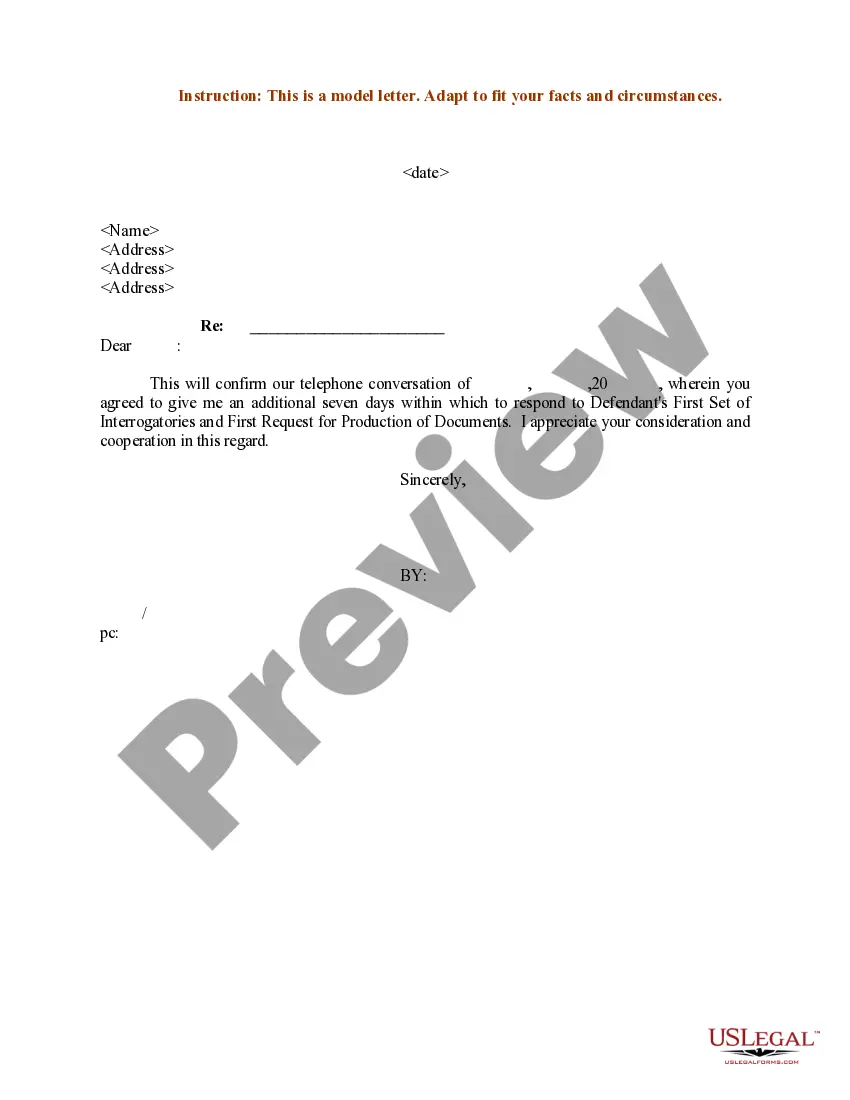
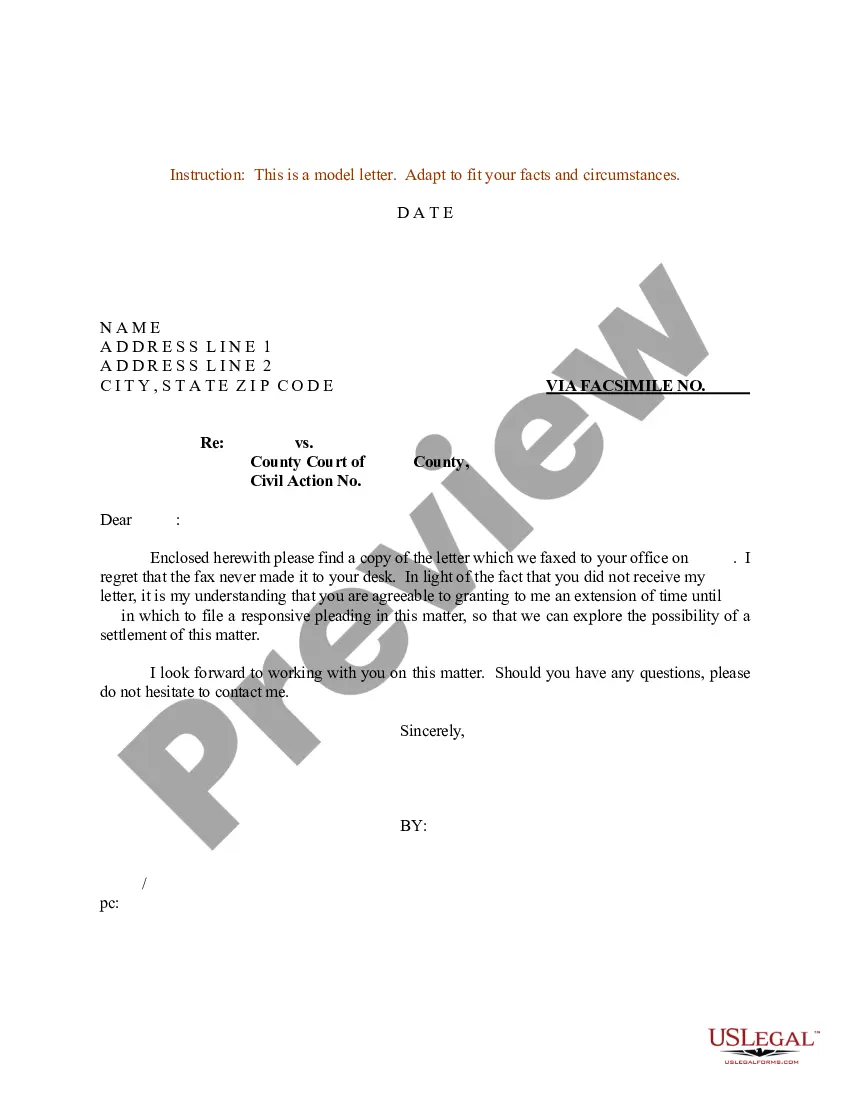


Get your form ready online
Our built-in tools help you complete, sign, share, and store your documents in one place.
Make edits, fill in missing information, and update formatting in US Legal Forms—just like you would in MS Word.
Download a copy, print it, send it by email, or mail it via USPS—whatever works best for your next step.
Sign and collect signatures with our SignNow integration. Send to multiple recipients, set reminders, and more. Go Premium to unlock E-Sign.
If this form requires notarization, complete it online through a secure video call—no need to meet a notary in person or wait for an appointment.
We protect your documents and personal data by following strict security and privacy standards.

Make edits, fill in missing information, and update formatting in US Legal Forms—just like you would in MS Word.

Download a copy, print it, send it by email, or mail it via USPS—whatever works best for your next step.

Sign and collect signatures with our SignNow integration. Send to multiple recipients, set reminders, and more. Go Premium to unlock E-Sign.

If this form requires notarization, complete it online through a secure video call—no need to meet a notary in person or wait for an appointment.

We protect your documents and personal data by following strict security and privacy standards.
Looking for another form?

Form popularity
FAQ
File your Motion and the copies with the court clerk's office in the court where your case was heard. File a copy of the proposed order with your Motion. Contact your court to find out which filing methods are available. Depending on your court, you may be able to file electronically.
If you want to file a motion, the process is generally something like this: You write your motion. You file your motion with the court clerk. The court clerk inserts the date and time your motion will be heard by the judge. You “serve” (mail) your motion to the other side.
In some circumstances, you file a petition or a motion. The court has several complaint forms that you may use in drafting your complaint. The forms are available online and at the Pro Se Intake Unit. You may also write your own complaint without using a court form.
Motion and Appeal Options in MI Criminal Cases Motion for New Trial. Motion for Directed Verdict. Motion for Ginther Hearing Based On Ineffective Legal Representation. Appeal by Right. Appeal by Leave.
Your landlord must ask for the eviction order within 56 days of the judgment. Your landlord must have the eviction carried out within 56 days of the date the eviction order is issued. After a court issues an Order of Eviction, it is very hard for a tenant to avoid eviction.
Process may be served on a resident or nonresident individual by (1) delivering a summons and a copy of the complaint to the defendant personally; or (2) sending a summons and a copy of the complaint by registered or certified mail, return receipt requested, and delivery restricted to the addressee.
Rule 2.313 - Failure to Serve Disclosure or to Provide or to Permit Discovery; Sanctions (A) Motion for Order Compelling Disclosure or Discovery. A party, on reasonable notice to other parties and all persons affected, may apply for an order compelling disclosure or discovery as follows: (1) Appropriate Court.
General Motion Information: A motion is a formal request, made in writing, asking the court for a specific action.
A motion is a formal request made by any party for a desired ruling, order, or judgment. The party that makes the motion is known as the movant. A motion can be written or spoken, as the relevant rules require. Various motions can be made throughout a proceeding, but only after the initial complaint has been filed.
