Pleading Form With 28 Lines In Miami-Dade
Description
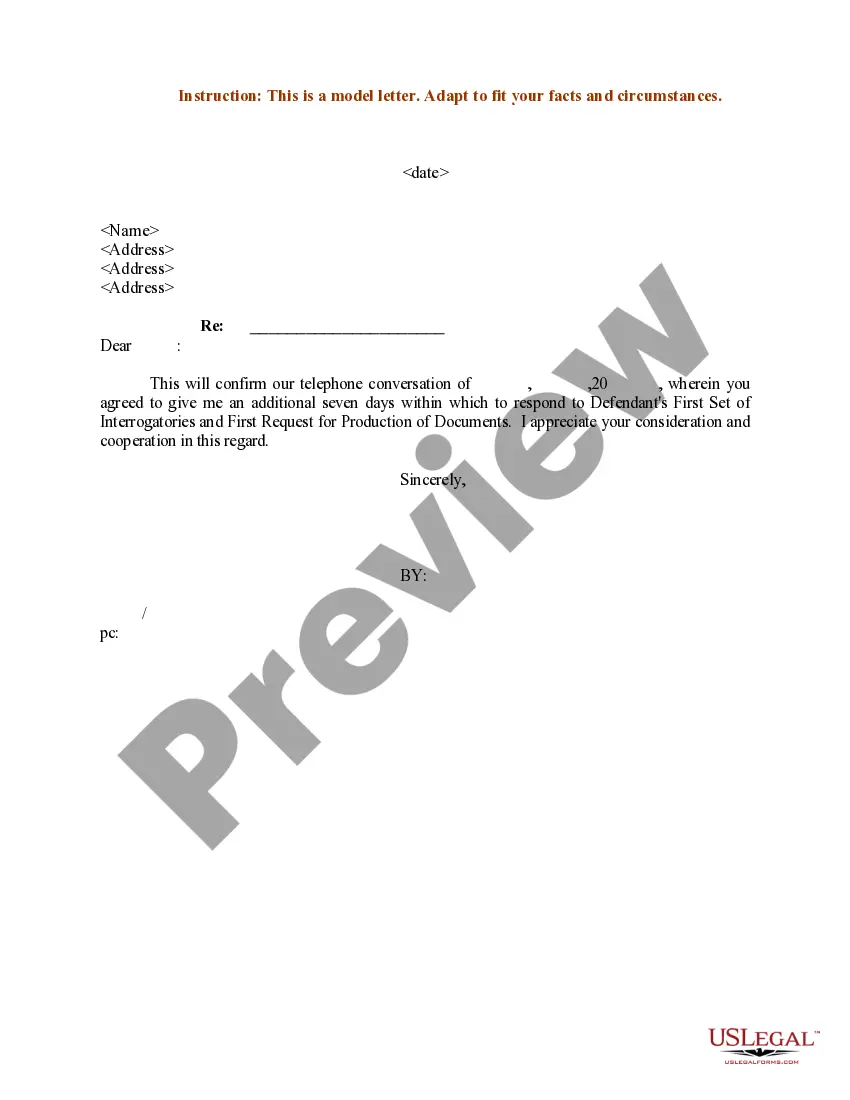
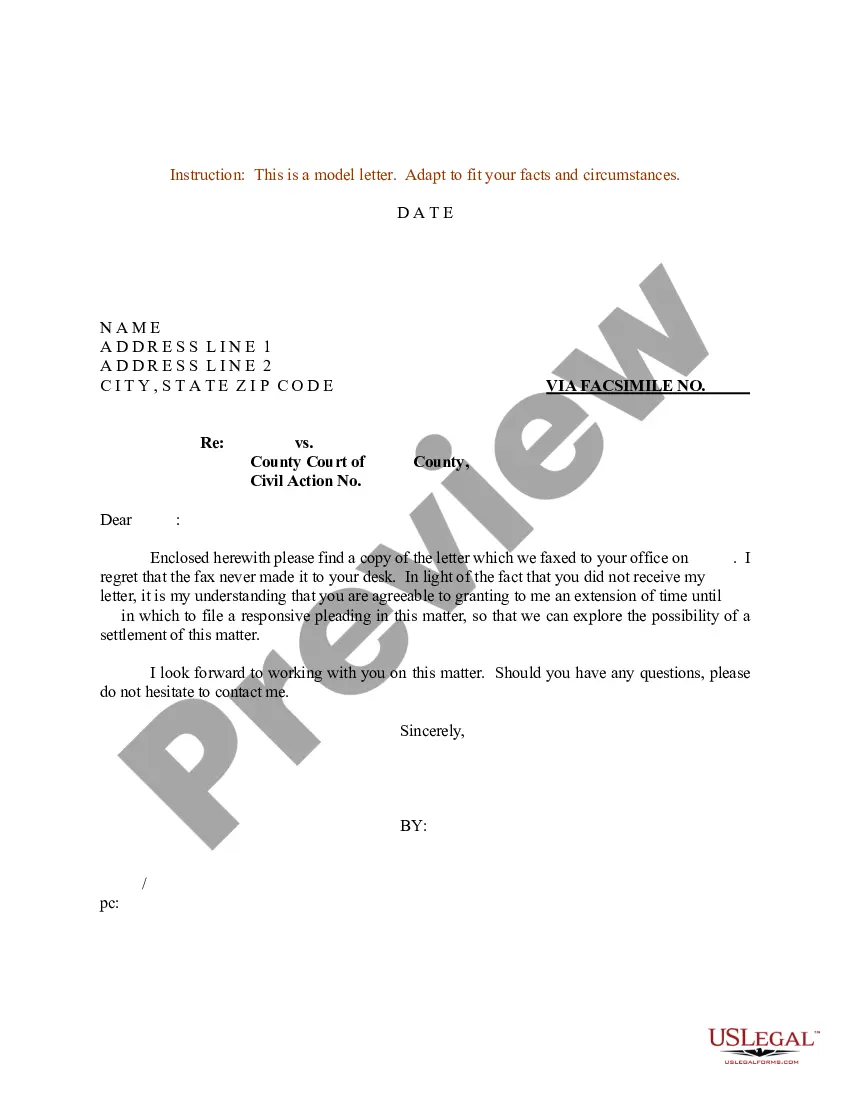


Get your form ready online
Our built-in tools help you complete, sign, share, and store your documents in one place.
Make edits, fill in missing information, and update formatting in US Legal Forms—just like you would in MS Word.
Download a copy, print it, send it by email, or mail it via USPS—whatever works best for your next step.
Sign and collect signatures with our SignNow integration. Send to multiple recipients, set reminders, and more. Go Premium to unlock E-Sign.
If this form requires notarization, complete it online through a secure video call—no need to meet a notary in person or wait for an appointment.
We protect your documents and personal data by following strict security and privacy standards.

Make edits, fill in missing information, and update formatting in US Legal Forms—just like you would in MS Word.

Download a copy, print it, send it by email, or mail it via USPS—whatever works best for your next step.

Sign and collect signatures with our SignNow integration. Send to multiple recipients, set reminders, and more. Go Premium to unlock E-Sign.

If this form requires notarization, complete it online through a secure video call—no need to meet a notary in person or wait for an appointment.

We protect your documents and personal data by following strict security and privacy standards.
Looking for another form?



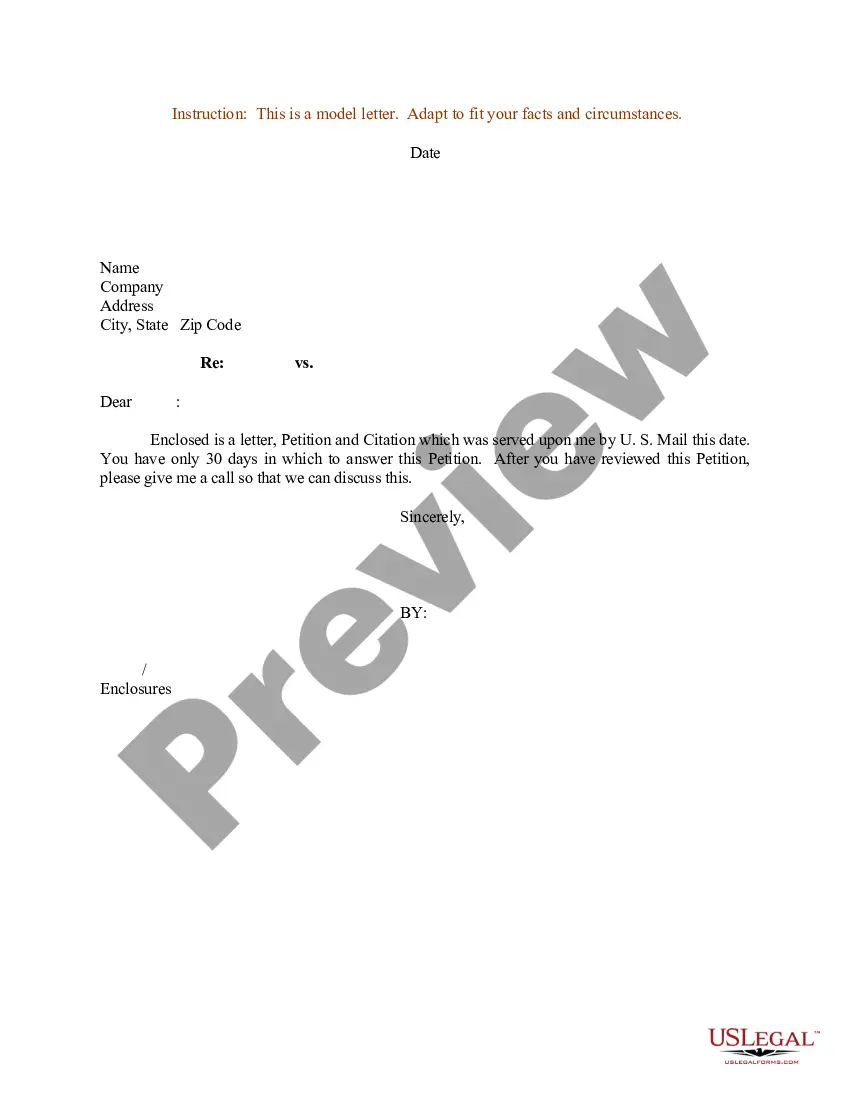



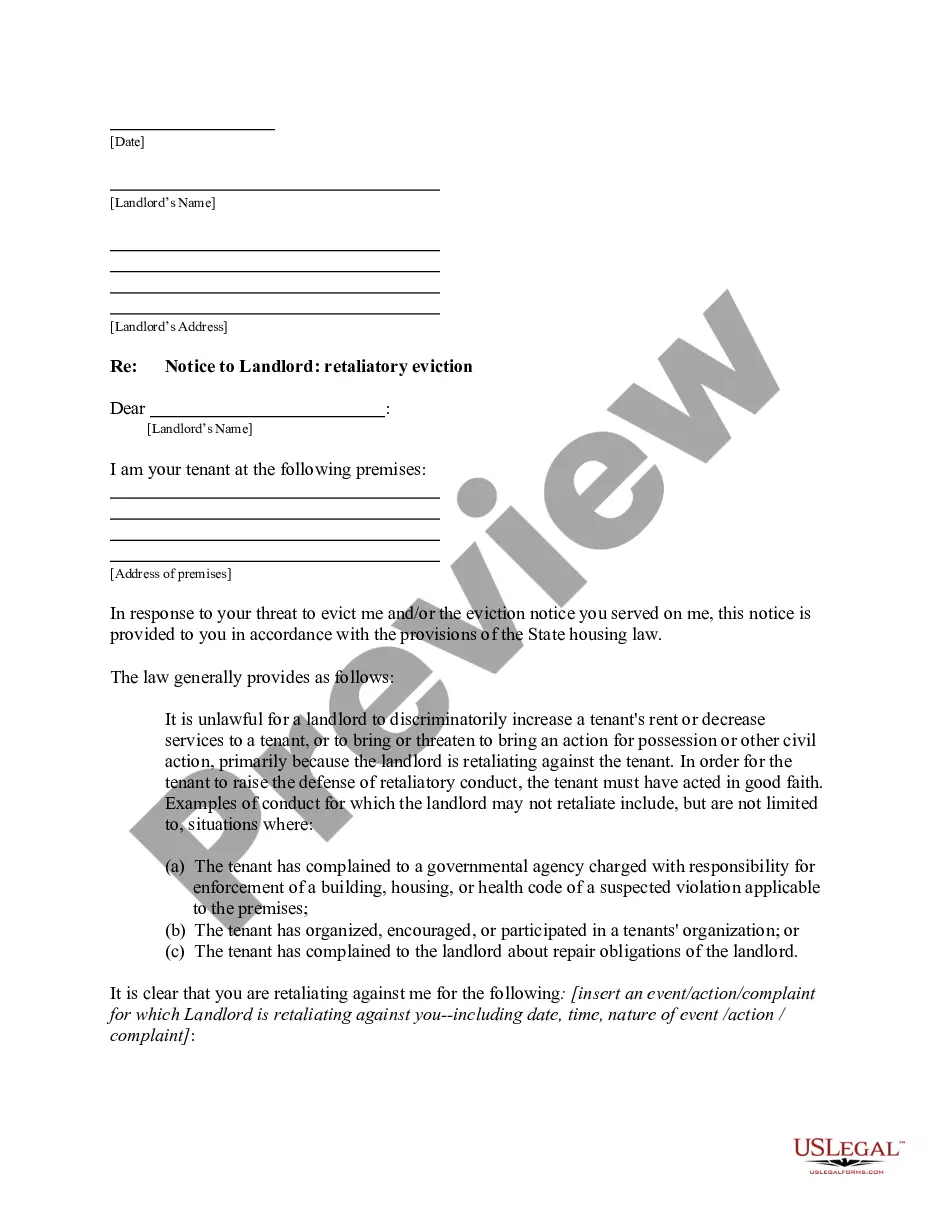


Form popularity
FAQ
Under Florida law, this response can take two forms: the traverse and the demurrer. A traverse is a type of pleading filed to contradict and defeat a motion to dismiss by either specifically denying a material fact or by presenting additional facts that amount to a prima facie case of guilt.
Draft your pleading on legal paper and include your identifying information and a caption that states the involved parties and case number. Draft the body with numbered paragraphs, double spacing, clear headings, and page numbers. Include a certificate of service in your submission.
A motion to dismiss is a formal request for a court to dismiss a case. The reasons for a dismissal vary greatly.
When a party files a motion to dismiss, they request the court waiver of either part or all of the other party's case. After the motion is filed, the parties will go to court for a order of dismissal hearing, where they'll have the opportunity to explain their case and answer any questions asked by the judge.
A removal proceeding that has been terminated can be re-opened or refiled, and termination offers only temporary relief from potential deportation. If a removal proceeding is dismissed, that dismissal is generally permanent and cannot be reopened or renewed.
A motion to dismiss for failure to state a cause of action will be granted only if the movant establishes that the pleader has failed to properly plead all of the necessary elements of the particular claim. This hinges on the substantive law for the different elements of different causes of action.
Pleading form with 28 lines.
Comply With the Relevant Federal, State, and Local Rules. Research Before Writing. Allege Subject Matter Jurisdiction, Personal Jurisdiction, and Venue. Jurisdiction. Draft Concise and Plain Statement of the Facts. Factual Allegations. Draft Separate Counts for Each Legal Claim. Plead Facts With Particularity Where Necessary.
“Pleading paper” is the format required for filing documents in court when there is no pre-printed form available. This pleading paper is blank and can be used anywhere 28-line paper is accepted. Check your court's local rules for other format requirements such as fonts, font size, and line spacing.
