Pleading Format In Maryland
Description
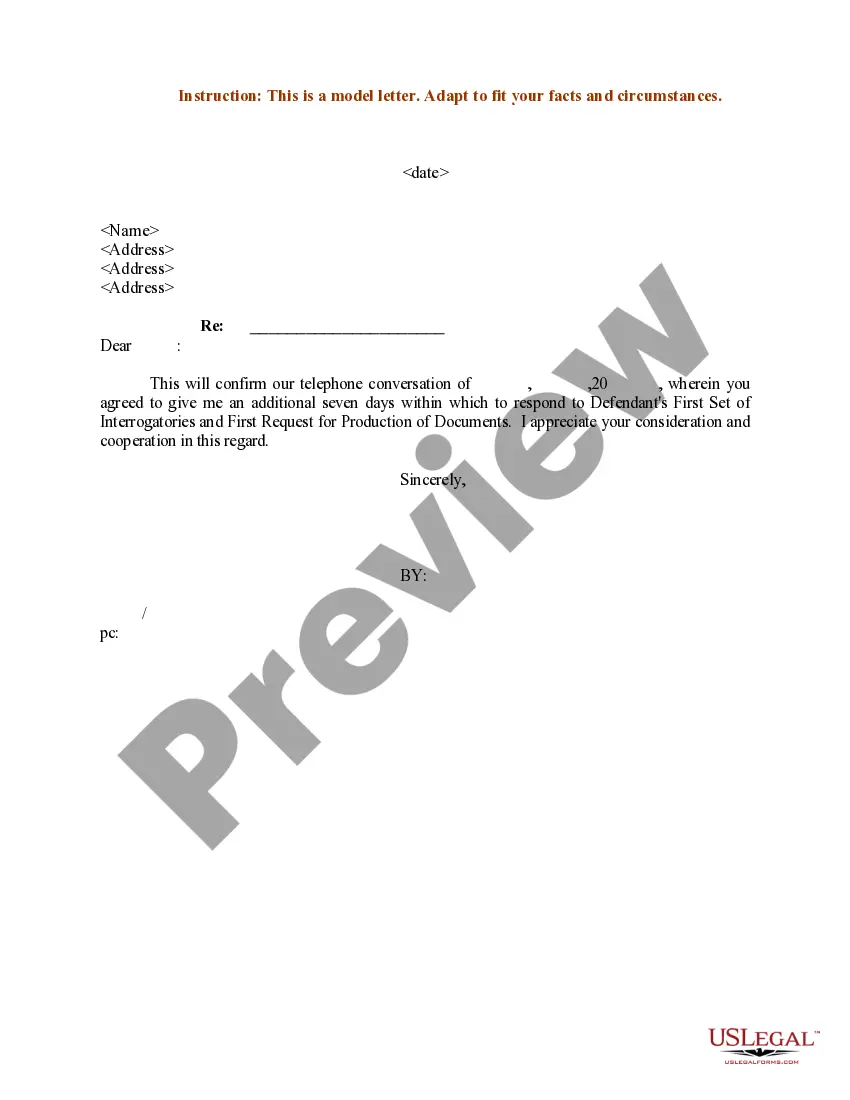
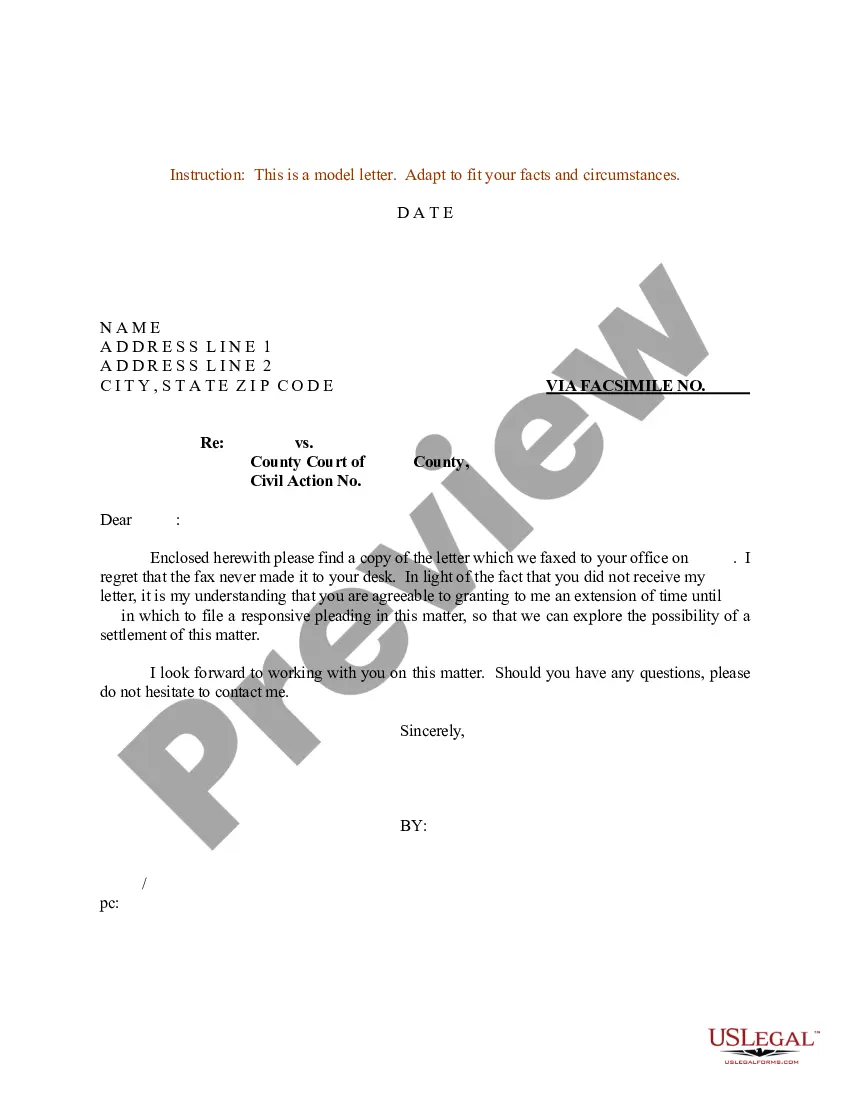
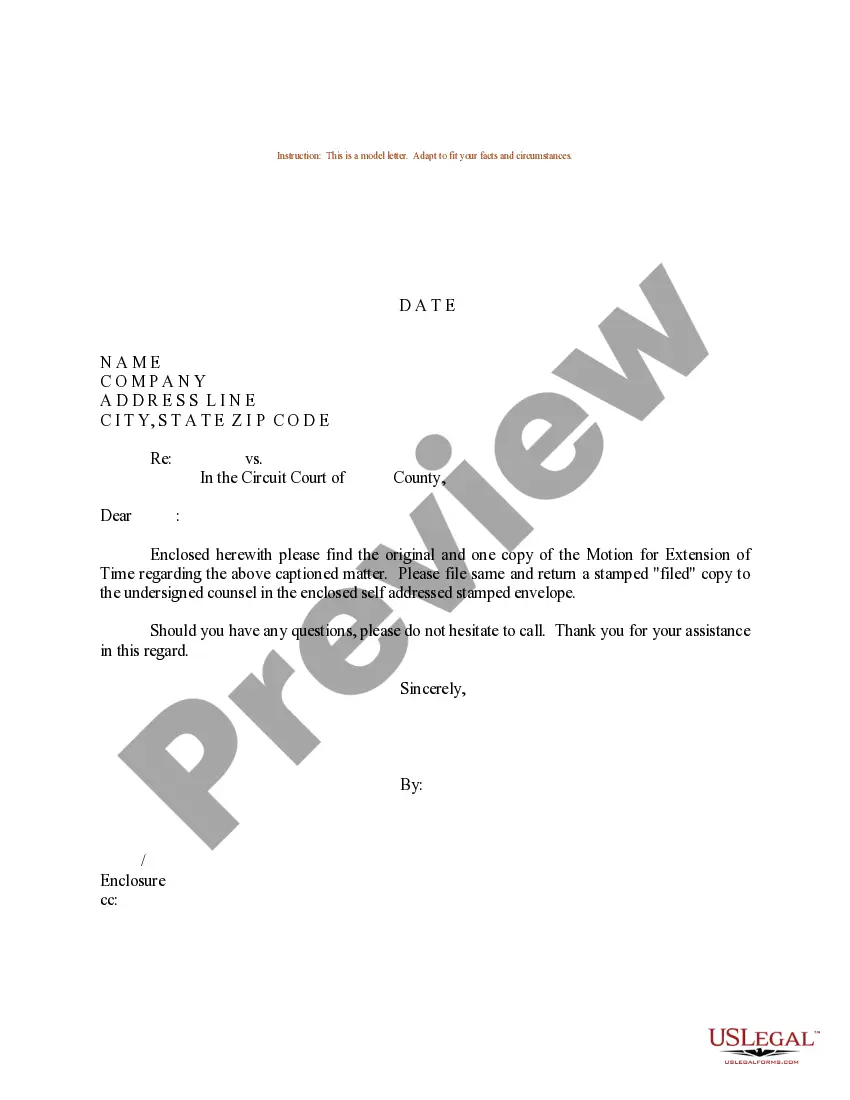
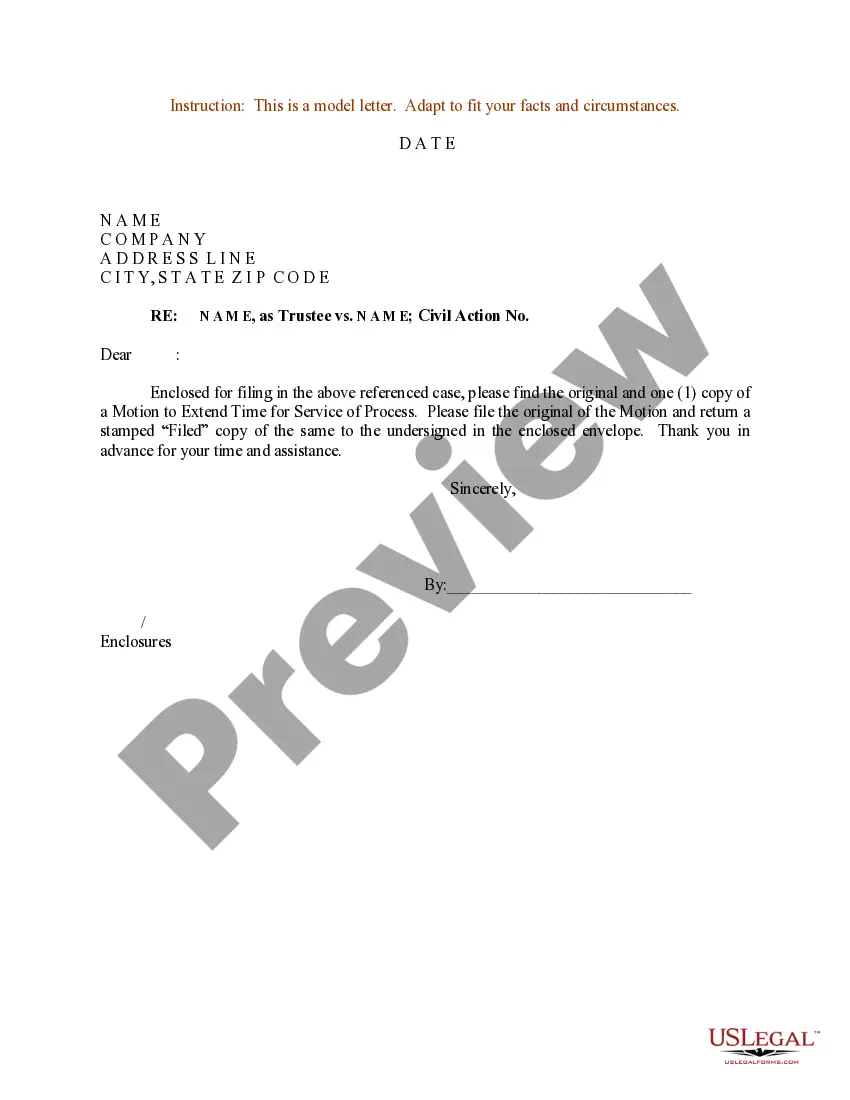
Get your form ready online
Our built-in tools help you complete, sign, share, and store your documents in one place.
Make edits, fill in missing information, and update formatting in US Legal Forms—just like you would in MS Word.
Download a copy, print it, send it by email, or mail it via USPS—whatever works best for your next step.
Sign and collect signatures with our SignNow integration. Send to multiple recipients, set reminders, and more. Go Premium to unlock E-Sign.
If this form requires notarization, complete it online through a secure video call—no need to meet a notary in person or wait for an appointment.
We protect your documents and personal data by following strict security and privacy standards.

Make edits, fill in missing information, and update formatting in US Legal Forms—just like you would in MS Word.

Download a copy, print it, send it by email, or mail it via USPS—whatever works best for your next step.

Sign and collect signatures with our SignNow integration. Send to multiple recipients, set reminders, and more. Go Premium to unlock E-Sign.

If this form requires notarization, complete it online through a secure video call—no need to meet a notary in person or wait for an appointment.

We protect your documents and personal data by following strict security and privacy standards.
Looking for another form?








Form popularity
FAQ
Enter the Case Number Enter your case number using one of the following formats: 99-12345. -cv-12345.
A pleading shall contain only such statements of fact as may be necessary to show the pleader's entitlement to relief or ground of defense. It shall not include argument, unnecessary recitals of law, evidence, or documents, or any immaterial, impertinent, or scandalous matter.
The nature of the proceeding is abbreviated by a letter code. For example, “R” stands for a Rate case, and "RM" is a Rulemaking case. The letter code is then followed by the current year and the number of the case for that year.
In some circumstances, you file a petition or a motion. The court has several complaint forms that you may use in drafting your complaint. The forms are available online and at the Pro Se Intake Unit. You may also write your own complaint without using a court form.
Letters indicating case type are often skipped (-ap-123456 vs. -123456; C-07-04771 vs. 07-04771) Letters at the end of the number are usually local notes such as, e.g. the judge's initials, and are commonly skipped (-cv-123456-ABC-RZ vs.
Pleading Paper Your name must start on line 1. The Court name and location must start on line 8. The caption of the case must start on line 11. You must have a footer with the title of the document. After the caption (the box with the name of the Plaintiff/Respondent) you can use the space as needed, using double spacing.
A docket number may be composed of a number or letter indicating the court, a two-digit number to identify the year, the case type (either CV/cv for civil cases or CR/cr for criminal cases), a four- or five-digit case number, and the judge's initials.
If you need information about court records, there is a valuable on-line tool that can help. It's called Maryland Judiciary Case Search or just “Case Search.” To get started visit mdcourts/casesearch.
“Pleading paper” is the format required for filing documents in court when there is no pre-printed form available. This pleading paper is blank and can be used anywhere 28-line paper is accepted. Check your court's local rules for other format requirements such as fonts, font size, and line spacing.
There are several types of pleadings in civil litigation. These include complaints, which serve as the basis of the legal action, and answers, which are the responses to the complaints. There may also be counterclaims, crossclaims, and third-party claims, which are also types of pleadings.

