Pleading For Insanity In Maryland
Description
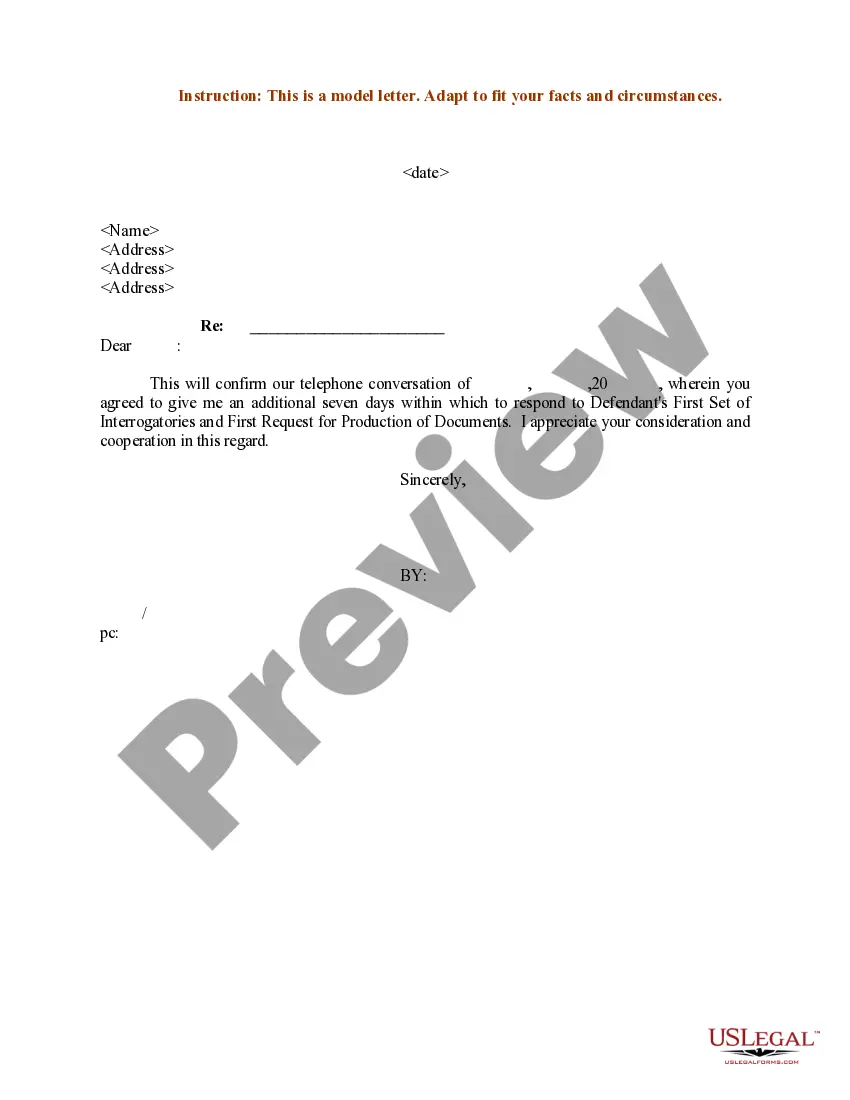
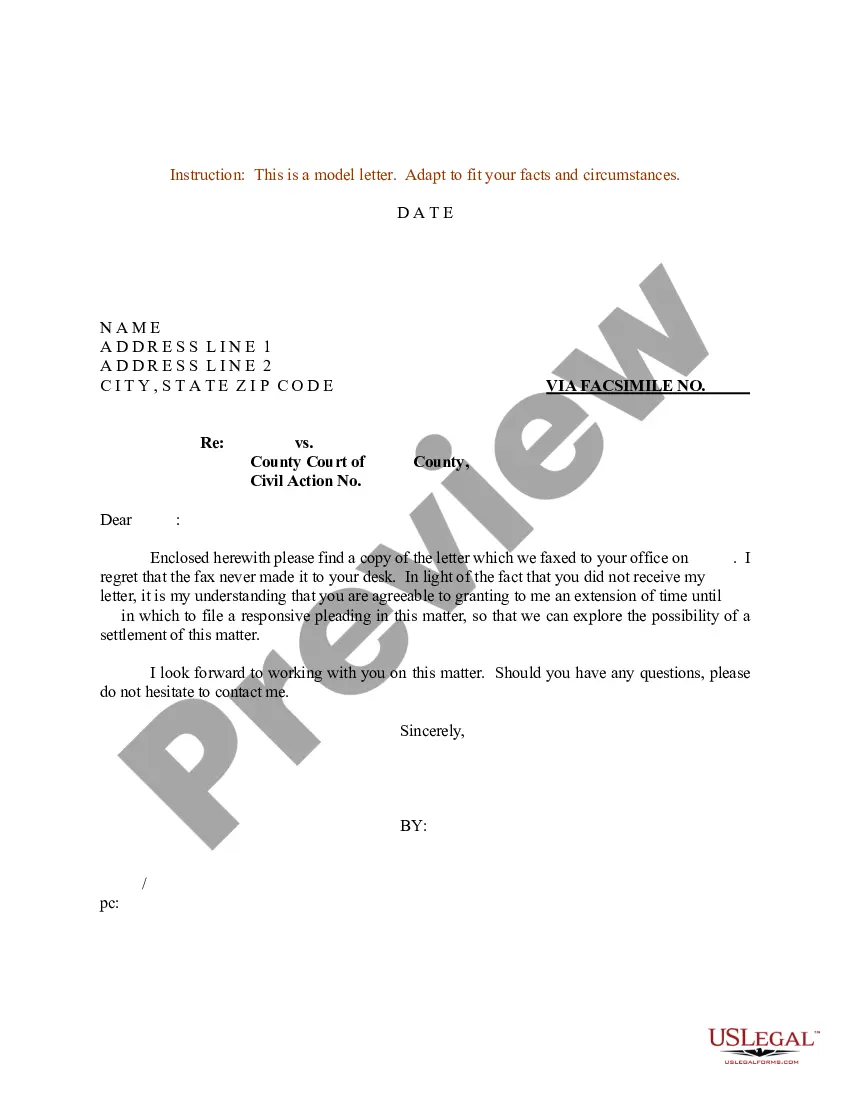


Get your form ready online
Our built-in tools help you complete, sign, share, and store your documents in one place.
Make edits, fill in missing information, and update formatting in US Legal Forms—just like you would in MS Word.
Download a copy, print it, send it by email, or mail it via USPS—whatever works best for your next step.
Sign and collect signatures with our SignNow integration. Send to multiple recipients, set reminders, and more. Go Premium to unlock E-Sign.
If this form requires notarization, complete it online through a secure video call—no need to meet a notary in person or wait for an appointment.
We protect your documents and personal data by following strict security and privacy standards.

Make edits, fill in missing information, and update formatting in US Legal Forms—just like you would in MS Word.

Download a copy, print it, send it by email, or mail it via USPS—whatever works best for your next step.

Sign and collect signatures with our SignNow integration. Send to multiple recipients, set reminders, and more. Go Premium to unlock E-Sign.

If this form requires notarization, complete it online through a secure video call—no need to meet a notary in person or wait for an appointment.

We protect your documents and personal data by following strict security and privacy standards.
Looking for another form?





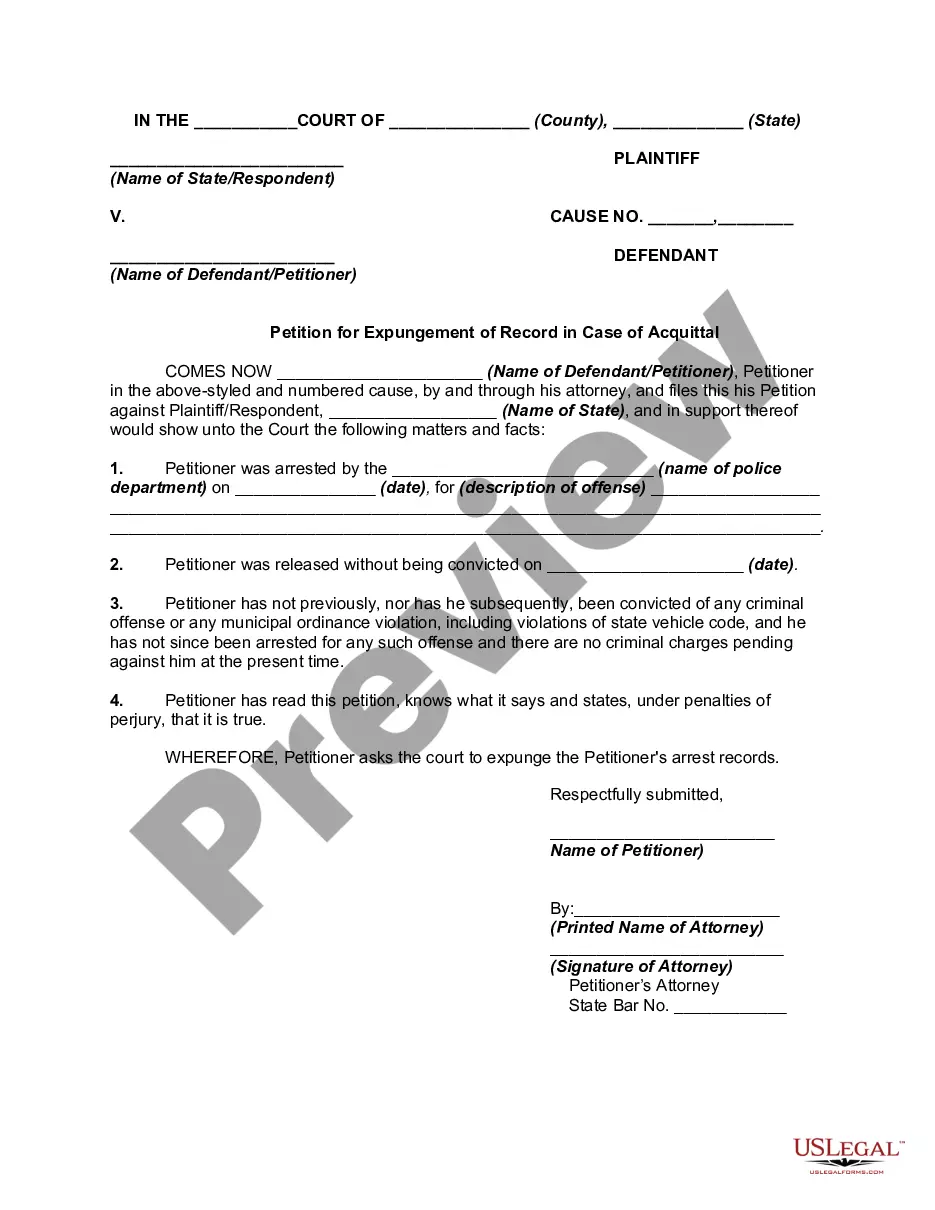




Form popularity
FAQ
In the criminal justice system, defendants are rarely successful with the insanity plea. ing to one study, the insanity defense is only used in about 1% of all court cases. It is only successful in about 26% of those cases. A defense of “temporary insanity” is difficult to prove.
Insanity can be extremely difficult to prove. In fact, less than 1% of defendants in criminal cases plead insanity as their defense in the United States, and only about . 26% of those who plead insanity are successful in their plea, ing to the same source.
A defendant who intends to assert a defense of insanity at the time of the alleged offense must so notify an attorney for the government in writing within the time provided for filing a pretrial motion, or at any later time the court sets, and file a copy of the notice with the clerk.
Moreover, even when the defense is asserted, it is successful in only about 30 cases every year. Defendants found not guilty by reason of insanity are not simply released.
The insanity defense refers to a defense that a defendant can plead in a criminal trial. In an insanity defense, the defendant admits the action but asserts a lack of culpability based on mental illness. The insanity defense is classified as an affirmative defense, rather than a partial defense.
Maryland's approach to the insanity defense is rooted in the legal principle that individuals who are incapable of understanding the nature of their actions or distinguishing between right and wrong due to mental illness should not be held criminally responsible for their actions.
Ing to an eight-state study, the insanity defense is used in less than 1% of all court cases and, when used, has only a 26% success rate. Of those cases that were successful, 90% of the defendants had been previously diagnosed with mental illness.
A defense of “temporary insanity” is difficult to prove. If a defendant asserts temporary insanity as a defense, they are claiming that: They were legally insane at the time of the alleged crime. They are lawfully sane now.
“In order to be an excuse and defense for a criminal act, the person accused, and who claims temporary insanity as a defense, must prove that the crime charged was caused by mental disease or unsoundness which dethroned, overcame, or swayed her reason and judgment with respect to that act, which destroyed her power ...
Legal insanity requires that the person, by reason of mental disease or defect was incapable of either: Knowing the nature of his or her act. Understanding the nature of his or her act. Distinguishing between right and wrong at the time of commission of the crime.
