Pleading With Meaning In Los Angeles
Description
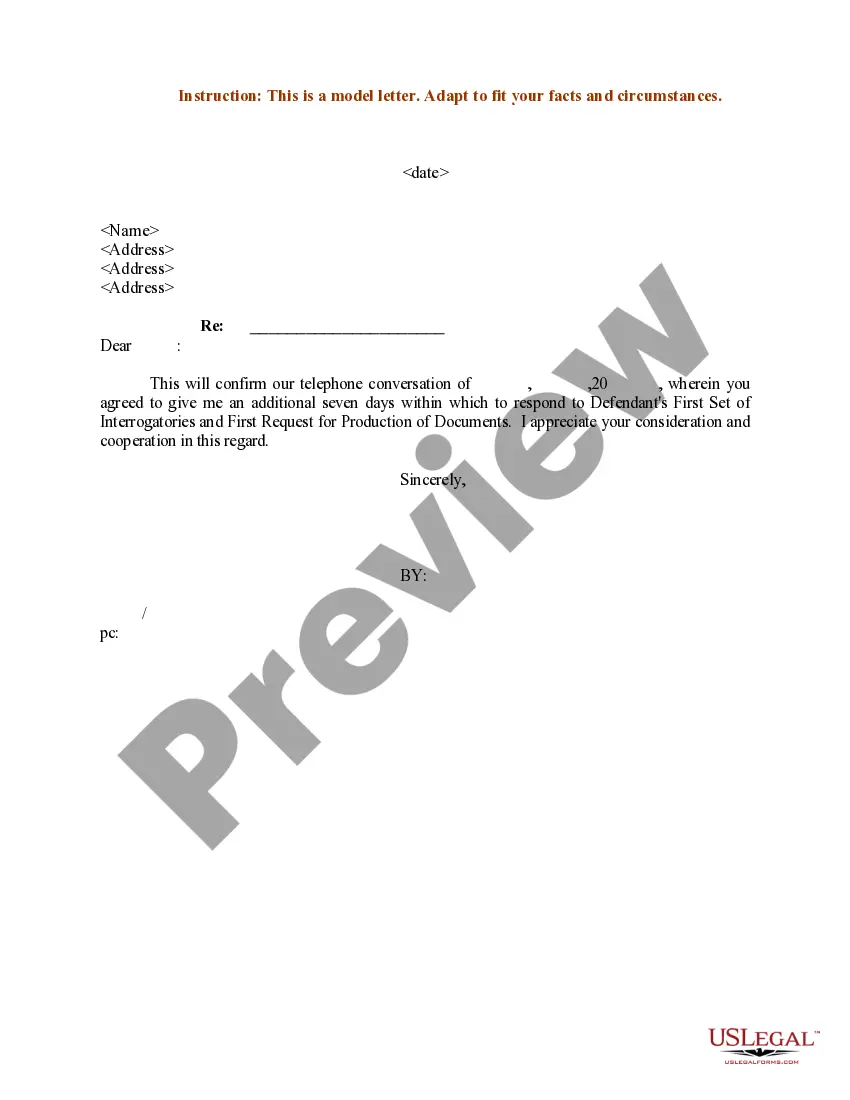
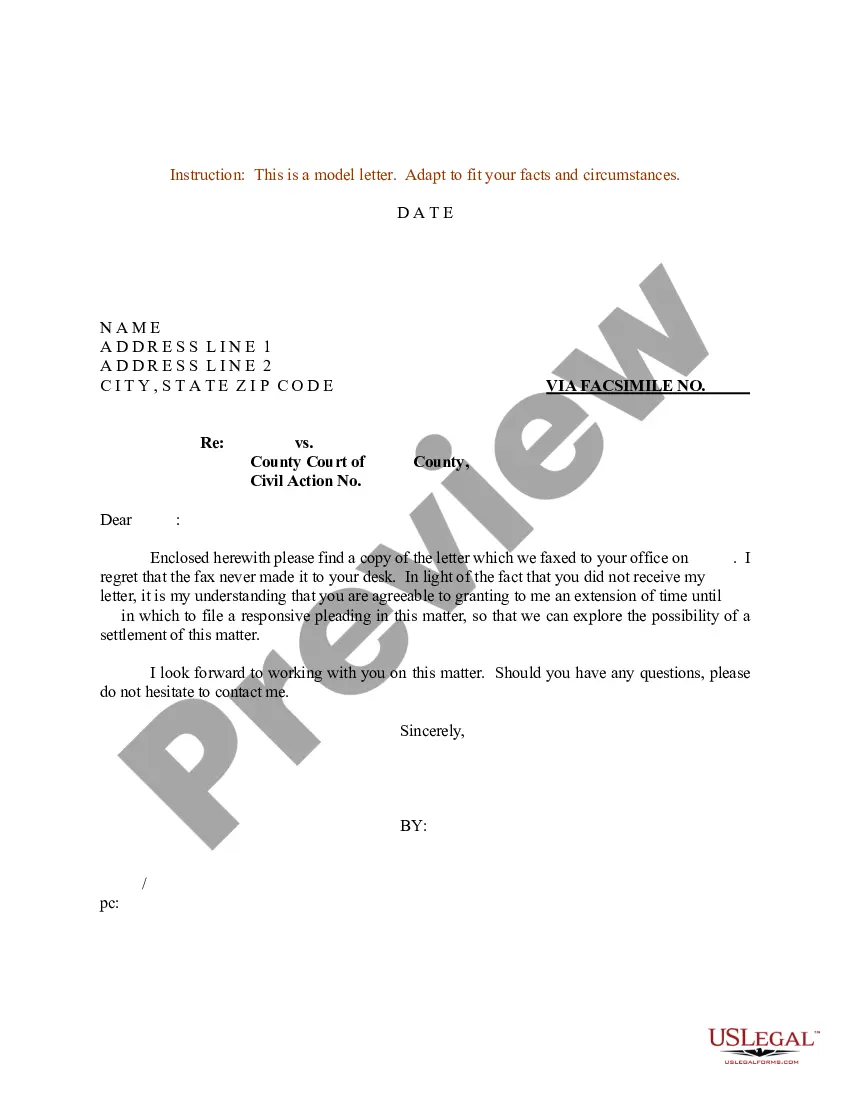


Get your form ready online
Our built-in tools help you complete, sign, share, and store your documents in one place.
Make edits, fill in missing information, and update formatting in US Legal Forms—just like you would in MS Word.
Download a copy, print it, send it by email, or mail it via USPS—whatever works best for your next step.
Sign and collect signatures with our SignNow integration. Send to multiple recipients, set reminders, and more. Go Premium to unlock E-Sign.
If this form requires notarization, complete it online through a secure video call—no need to meet a notary in person or wait for an appointment.
We protect your documents and personal data by following strict security and privacy standards.

Make edits, fill in missing information, and update formatting in US Legal Forms—just like you would in MS Word.

Download a copy, print it, send it by email, or mail it via USPS—whatever works best for your next step.

Sign and collect signatures with our SignNow integration. Send to multiple recipients, set reminders, and more. Go Premium to unlock E-Sign.

If this form requires notarization, complete it online through a secure video call—no need to meet a notary in person or wait for an appointment.

We protect your documents and personal data by following strict security and privacy standards.
Looking for another form?






Form popularity
FAQ
Pleading is one of the first stages of a lawsuit. In a pleading, the parties formally submit their claims and the defenses against the opposition's claims.
422.30. (a) Every pleading shall contain a caption setting forth: (1) The name of the court and county in which the action is brought. (2) The title of the action. (b) In a limited civil case, the caption shall state that the case is a limited civil case, and the clerk shall classify the case ingly.
(1) "Pleading" means a petition, complaint, application, objection, answer, response, notice, request for orders, statement of interest, report, or account filed in proceedings under the Family Code. (2) "Amended pleading" means a pleading that completely restates and supersedes the pleading it amends for all purposes.
(1) "Pleading" means a petition, complaint, application, objection, answer, response, notice, request for orders, statement of interest, report, or account filed in proceedings under the Family Code. (2) "Amended pleading" means a pleading that completely restates and supersedes the pleading it amends for all purposes.
A complaint is the pleading that starts a case. Essentially, a document that sets forth a jurisdictional basis for the court's power, the plaintiff's cause of action, and a demand for judicial relief.
To plead means to draft and serve a pleading or to file a pleading in court; to answer the opposing party's plea; to make a plea. In civil lawsuits and petitions, the filing of any document (pleading) or the act of making an assertion or allegation in a legal proceeding.
There are several types of pleadings in civil litigation. These include complaints, which serve as the basis of the legal action, and answers, which are the responses to the complaints. There may also be counterclaims, crossclaims, and third-party claims, which are also types of pleadings.
Have Meaningful Organization Categorize by Case or Client. Create a main file for each client or case. Subdivide Files. Divide your files into meaningful categories for easier navigation and understanding. Label Clearly. Use a consistent labeling system. Use Chronological Order.
You'll want to start with a standard page size (8.5 x 11 inches) with 1-inch margins. Keep the font simple, such as Times New Roman, and avoid the use of color. Remember to break up text with headers and paragraphs for readability.
Fact pleading, which is the standard in state court in California, requires one to provide to the court all facts that are needed to prove the cause of action.

