Pleading For Head Emoji In Kings
Description
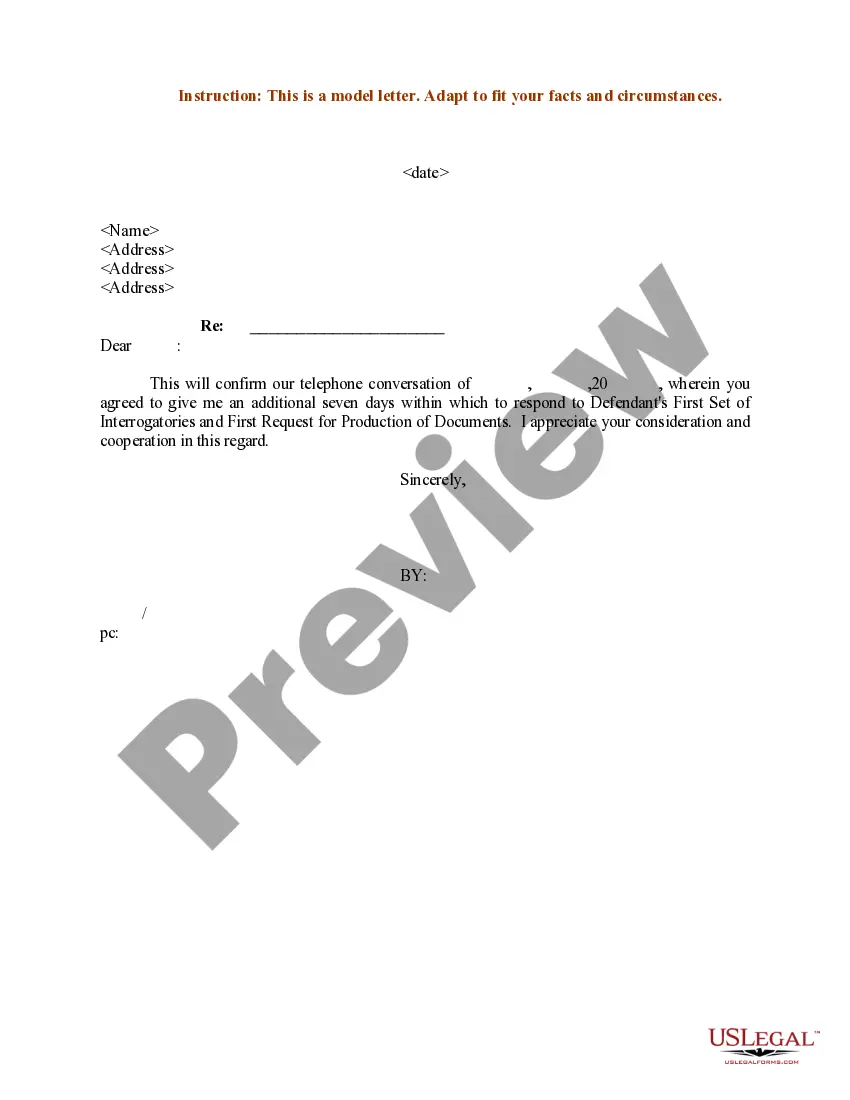
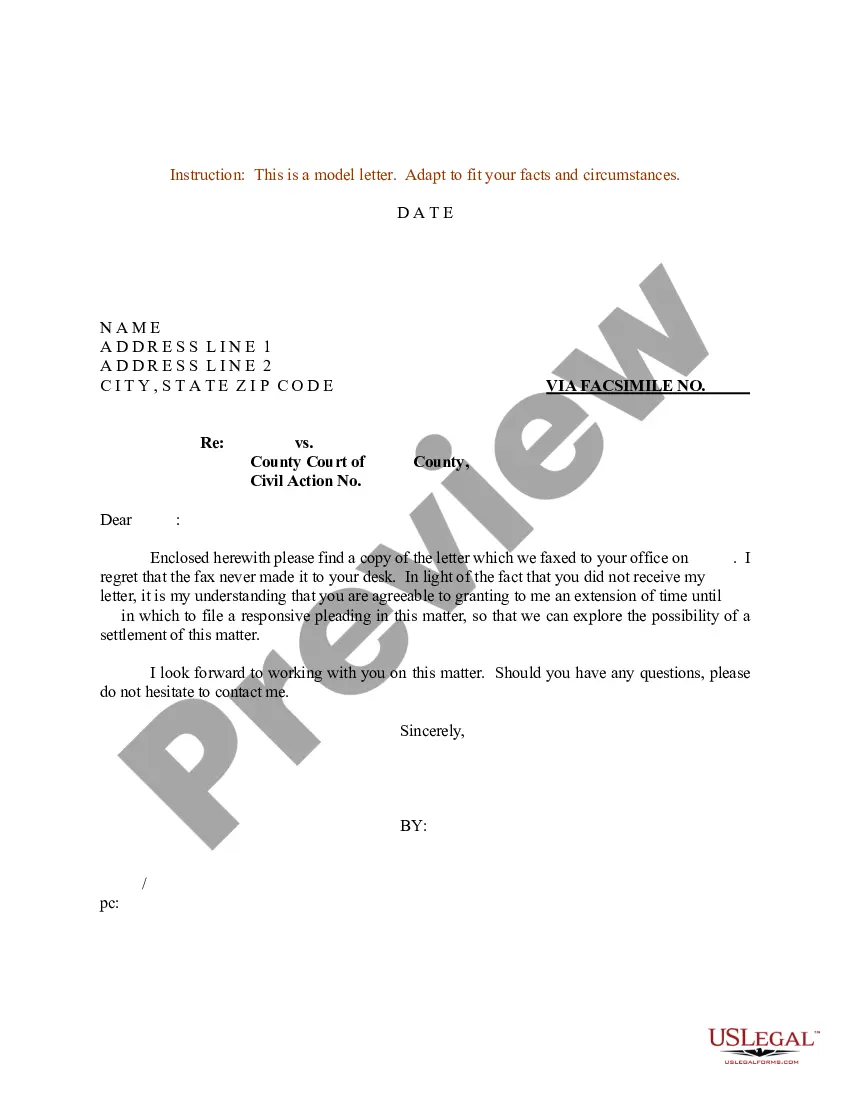

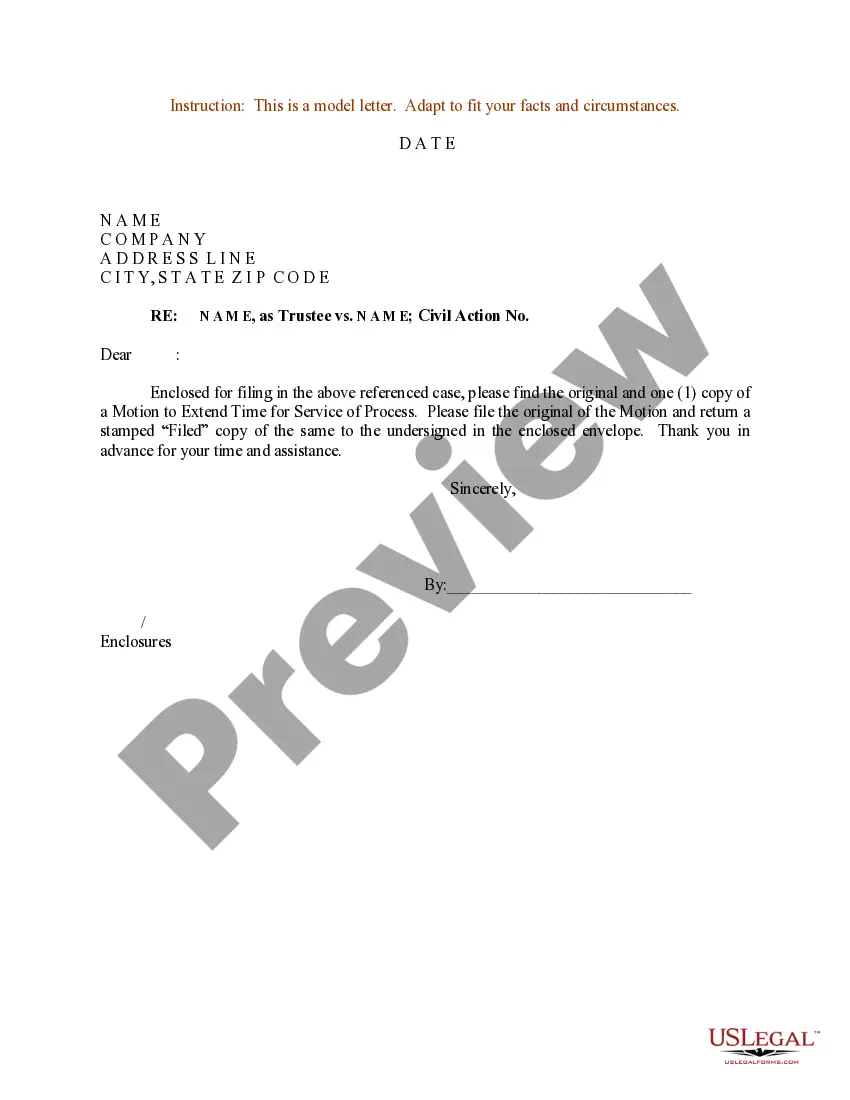
Get your form ready online
Our built-in tools help you complete, sign, share, and store your documents in one place.
Make edits, fill in missing information, and update formatting in US Legal Forms—just like you would in MS Word.
Download a copy, print it, send it by email, or mail it via USPS—whatever works best for your next step.
Sign and collect signatures with our SignNow integration. Send to multiple recipients, set reminders, and more. Go Premium to unlock E-Sign.
If this form requires notarization, complete it online through a secure video call—no need to meet a notary in person or wait for an appointment.
We protect your documents and personal data by following strict security and privacy standards.

Make edits, fill in missing information, and update formatting in US Legal Forms—just like you would in MS Word.

Download a copy, print it, send it by email, or mail it via USPS—whatever works best for your next step.

Sign and collect signatures with our SignNow integration. Send to multiple recipients, set reminders, and more. Go Premium to unlock E-Sign.

If this form requires notarization, complete it online through a secure video call—no need to meet a notary in person or wait for an appointment.

We protect your documents and personal data by following strict security and privacy standards.
Looking for another form?








Form popularity
FAQ
At 11-12. On consideration of the emoji as evidence, the Court noted that a “fraudster may not escape liability simply because he used an emoji. Just like with words, liability will turn on the emoji's particular meaning in context.” Id.
It is thus submitted that provided the plaintiff can establish that the publication of the emoji caused his reputation to be lowered, there would be no obstacle to our court's extending our current legal principles to an act of defamation perpetrated via the medium of an emoji.
Emoji List, v13. 0 Smileys & Emotion face-smiling 73 U+1F97A begging | mercy | pleading face | puppy eyes 74 U+1F626 face | frown | frowning face with open mouth | mouth | open 75 U+1F627 anguished | face122 more rows
Yes, emojis may be used as evidence in a trial. Expert forensic linguist witnesses often rely upon judicial proceedings to offer interpretations of written and spoken proof, including emojis. They can attribute writing to specific individuals depending on the words they choose to employ.
The pleading, I'm-begging-for-you emoji ? expresses an earnest appeal, often suggesting a cute, vulnerable charm that says “I'm into you and hoping you feel the same way.”
'Thumbs up' and 'smiley face' emojis have been accepted in some courts as approval for a contract or agreement, while a bomb, gun and knife emoji have been presented as evidence of a threat in criminal cases.
It is meant to represent the typical face one makes when pleading—that is, trying to win compassion or sympathy. Besides conveying such acts as pleading, begging, or beseeching, the Pleading Face emoji ? also variously conveys sadness, guilt, cuteness, and even arousal.
Because the sender and recipient could be seeing different symbols, lawyers should present as evidence the actual depictions of what their clients saw. Fact finders should see the actual emoji in order to judge what it meant. If testimony is read in court, emojis should be displayed, not orally described.
The ? (pleading face) emoji is a yellow face with large, puppy-dog-like eyes and a small frown. It's often used to earn sympathy from the recipient, and is sometimes used to request a favor, often with the ? (backhand index pointing right) and the ? (backhand index pointing left) emojis. It can also signify sadness.
