Pleading For Help Dmz In Illinois
Description
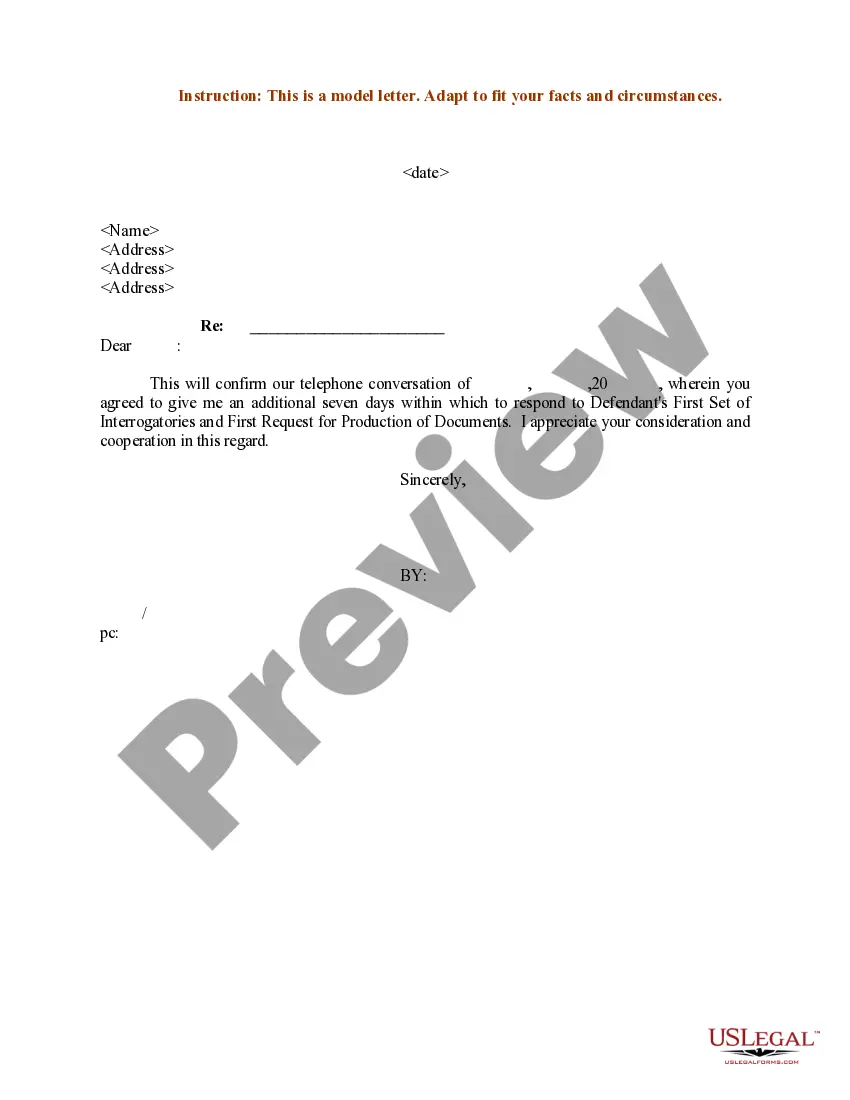
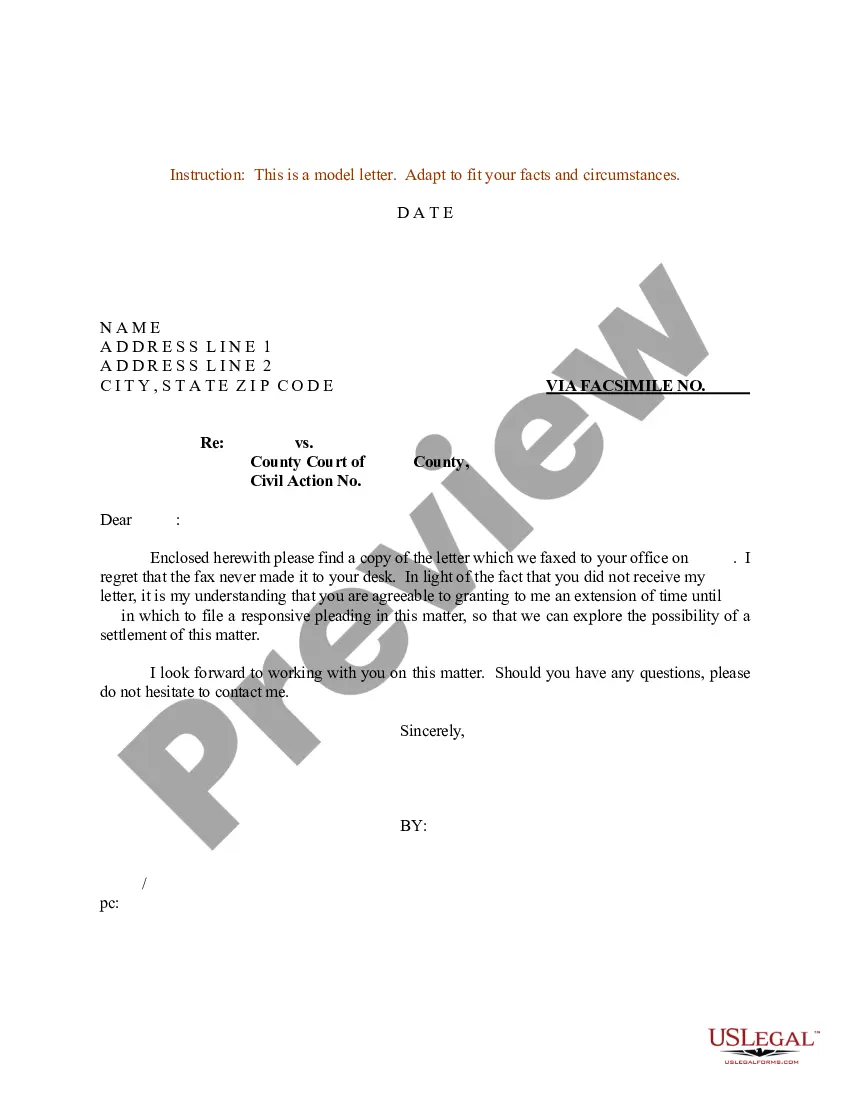


Get your form ready online
Our built-in tools help you complete, sign, share, and store your documents in one place.
Make edits, fill in missing information, and update formatting in US Legal Forms—just like you would in MS Word.
Download a copy, print it, send it by email, or mail it via USPS—whatever works best for your next step.
Sign and collect signatures with our SignNow integration. Send to multiple recipients, set reminders, and more. Go Premium to unlock E-Sign.
If this form requires notarization, complete it online through a secure video call—no need to meet a notary in person or wait for an appointment.
We protect your documents and personal data by following strict security and privacy standards.

Make edits, fill in missing information, and update formatting in US Legal Forms—just like you would in MS Word.

Download a copy, print it, send it by email, or mail it via USPS—whatever works best for your next step.

Sign and collect signatures with our SignNow integration. Send to multiple recipients, set reminders, and more. Go Premium to unlock E-Sign.

If this form requires notarization, complete it online through a secure video call—no need to meet a notary in person or wait for an appointment.

We protect your documents and personal data by following strict security and privacy standards.
Looking for another form?




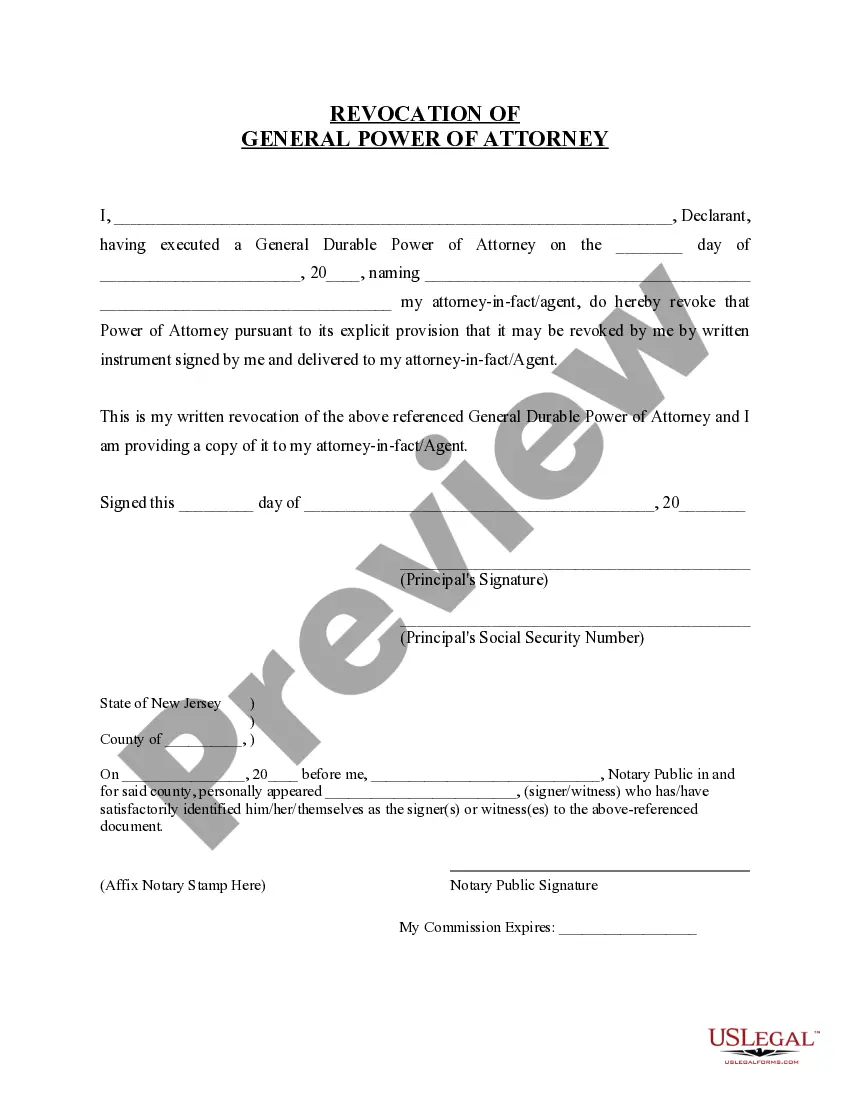




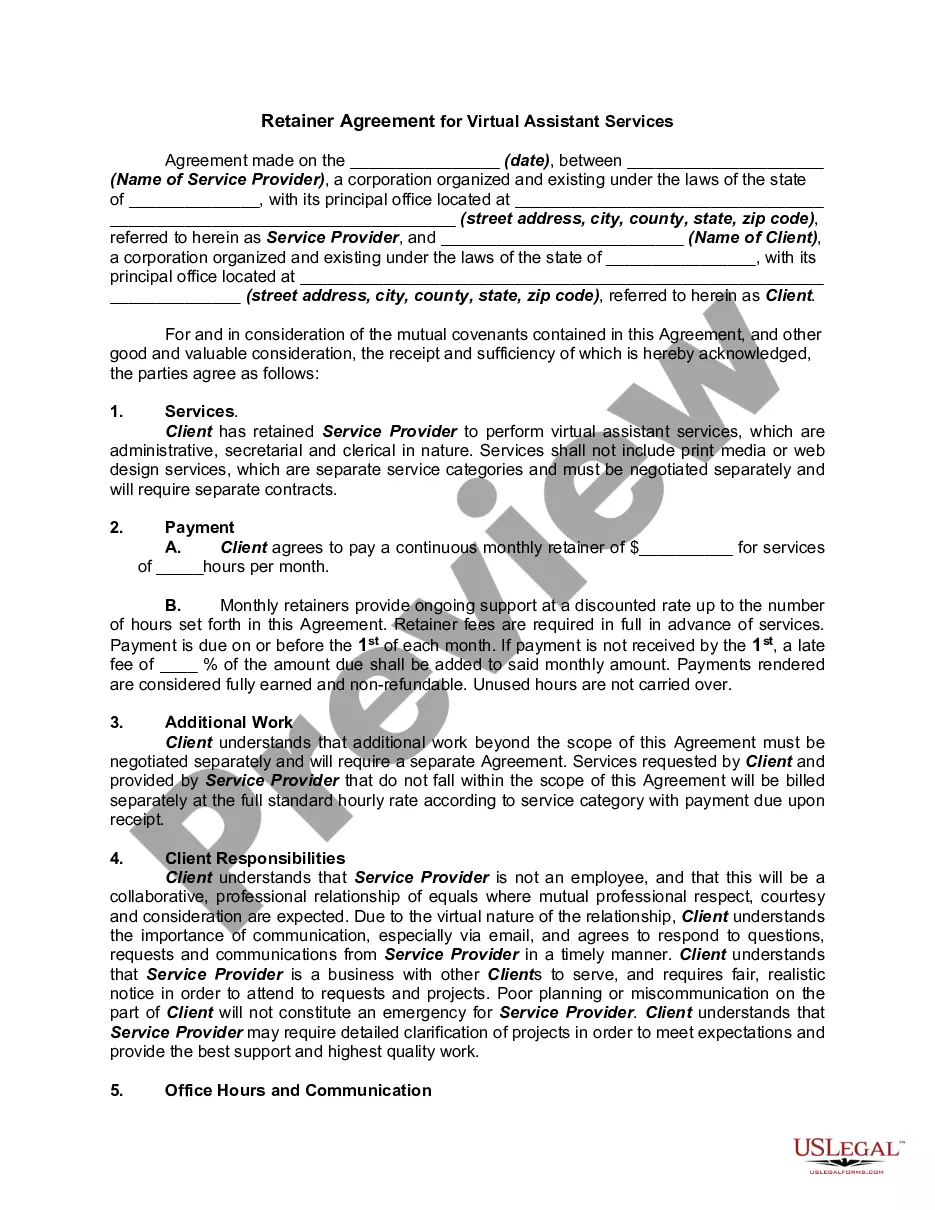
Form popularity
FAQ
If the defendant raises a new matter in an Affirmative Defense, or the affirmative defenses are deemed admitted, the plaintiff must reply. 735 ILCS 5/2-602. See also 735 ILCS 5/2-613(d).
O Your Answer/Response to Complaint/Petition is usually due at the same time as your Appearance. o The Summons might give you a specific time frame for filing your Answer/Response to Complaint/Petition: – for example, within 7 or 30 days of when you received the Plaintiff/Petitioner's Complaint/Petition.
If you file an Answer to the lawsuit and defend yourself in court, you can state an affirmative defense. You can deny what the plaintiff says you did without saying anything else. But you can also have affirmative defenses. You must raise it in your Answer or you may give up your right to bring it up later.
When making an affirmative defense claim, the burden is on the defendant to prove that the affirmative defense negates criminal responsibility. This is different from a typical defense where the aim is to show that the prosecution did not prove their case.
(b)Responding to Counterclaims. Answers to and motions directed against counterclaims shall be filed by parties already before the court within 21 days after the last day allowed for the filing of the counterclaim.
The same Rule applies to a party responding to a cross-claim or counterclaim. As a general rule, the failure to include an affirmative defense in when responding to a claim will result in the waiver of that defense.
8 The Illinois Code of Civil Procedure (Code) requires pleadings to “contain a plain and concise statement of the pleader's cause of action, counterclaim, defense, or reply.”9 In other words, the pleading must contain a plain statement identifying what the pleader is alleging or denying.
If the defendant raises a new matter in an Affirmative Defense, or the affirmative defenses are deemed admitted, the plaintiff must reply. 735 ILCS 5/2-602. See also 735 ILCS 5/2-613(d).
At the request of a party the court shall order witnesses excluded so that they cannot hear the testimony of other witnesses, and it may make the order of its own motion.
