Pleading For Insanity In Hillsborough
Description
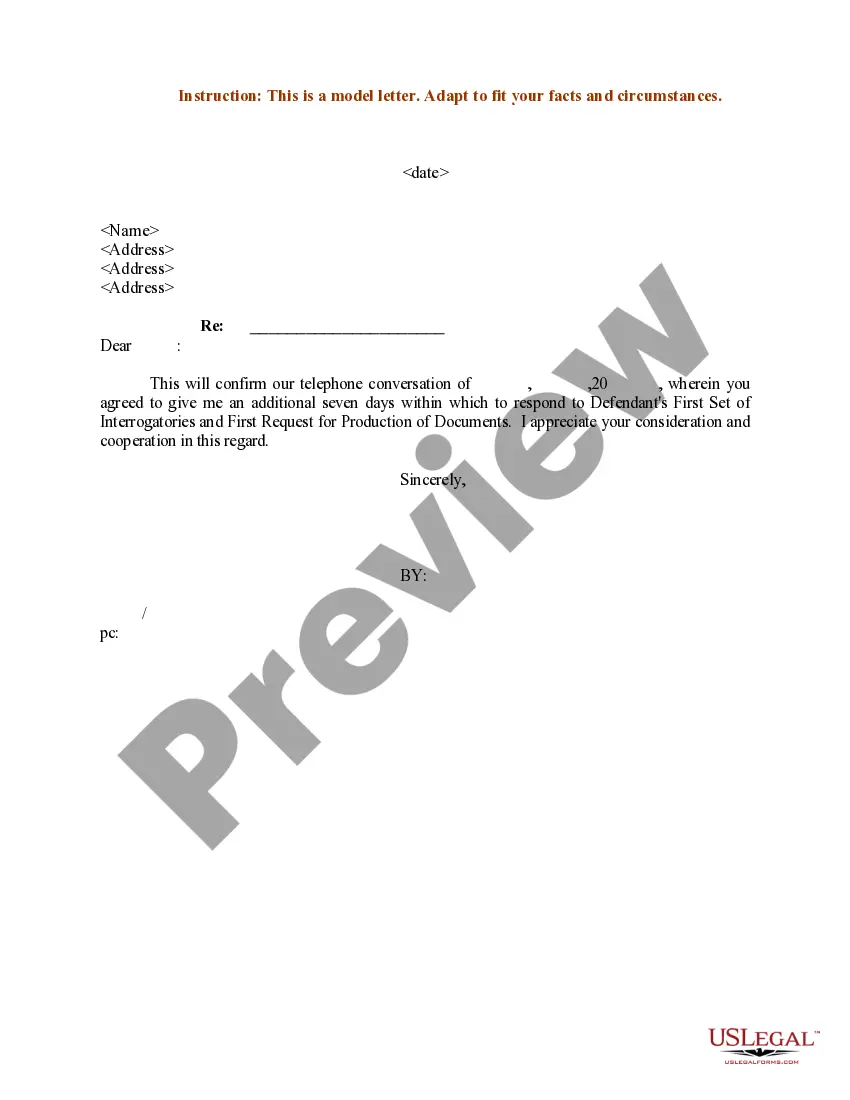
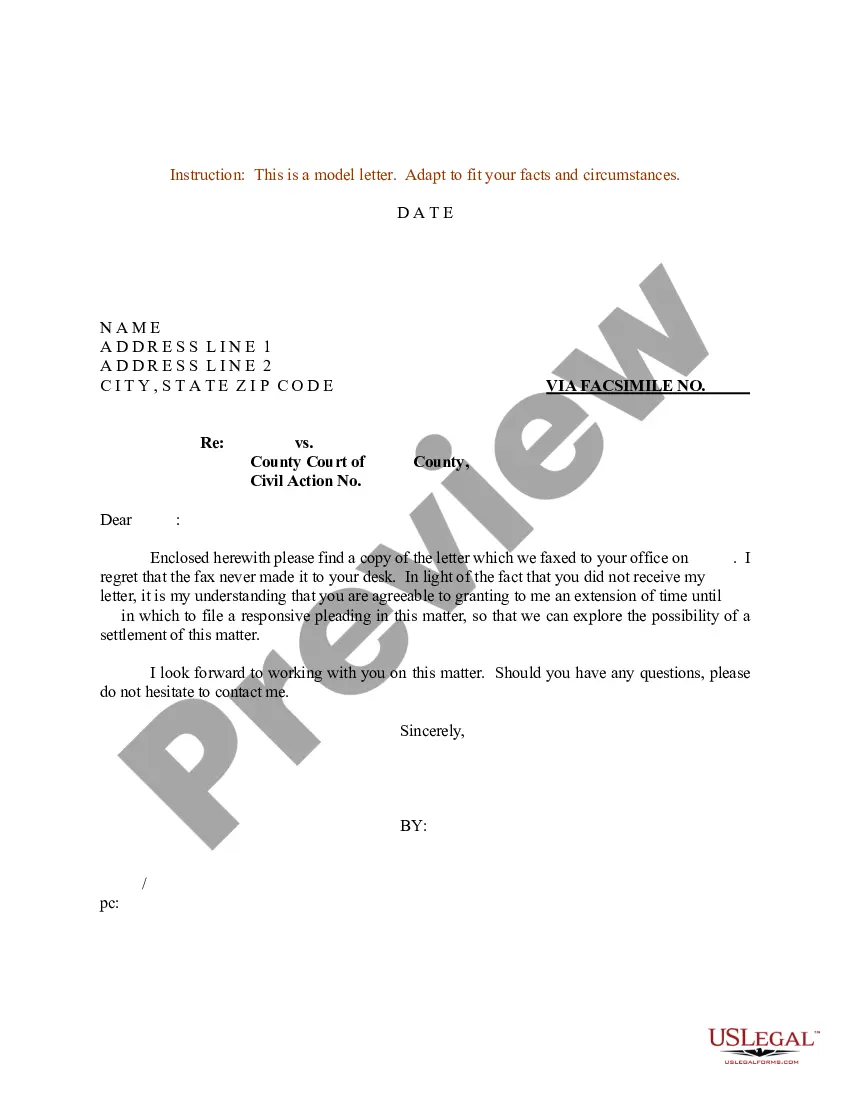


Get your form ready online
Our built-in tools help you complete, sign, share, and store your documents in one place.
Make edits, fill in missing information, and update formatting in US Legal Forms—just like you would in MS Word.
Download a copy, print it, send it by email, or mail it via USPS—whatever works best for your next step.
Sign and collect signatures with our SignNow integration. Send to multiple recipients, set reminders, and more. Go Premium to unlock E-Sign.
If this form requires notarization, complete it online through a secure video call—no need to meet a notary in person or wait for an appointment.
We protect your documents and personal data by following strict security and privacy standards.

Make edits, fill in missing information, and update formatting in US Legal Forms—just like you would in MS Word.

Download a copy, print it, send it by email, or mail it via USPS—whatever works best for your next step.

Sign and collect signatures with our SignNow integration. Send to multiple recipients, set reminders, and more. Go Premium to unlock E-Sign.

If this form requires notarization, complete it online through a secure video call—no need to meet a notary in person or wait for an appointment.

We protect your documents and personal data by following strict security and privacy standards.
Looking for another form?


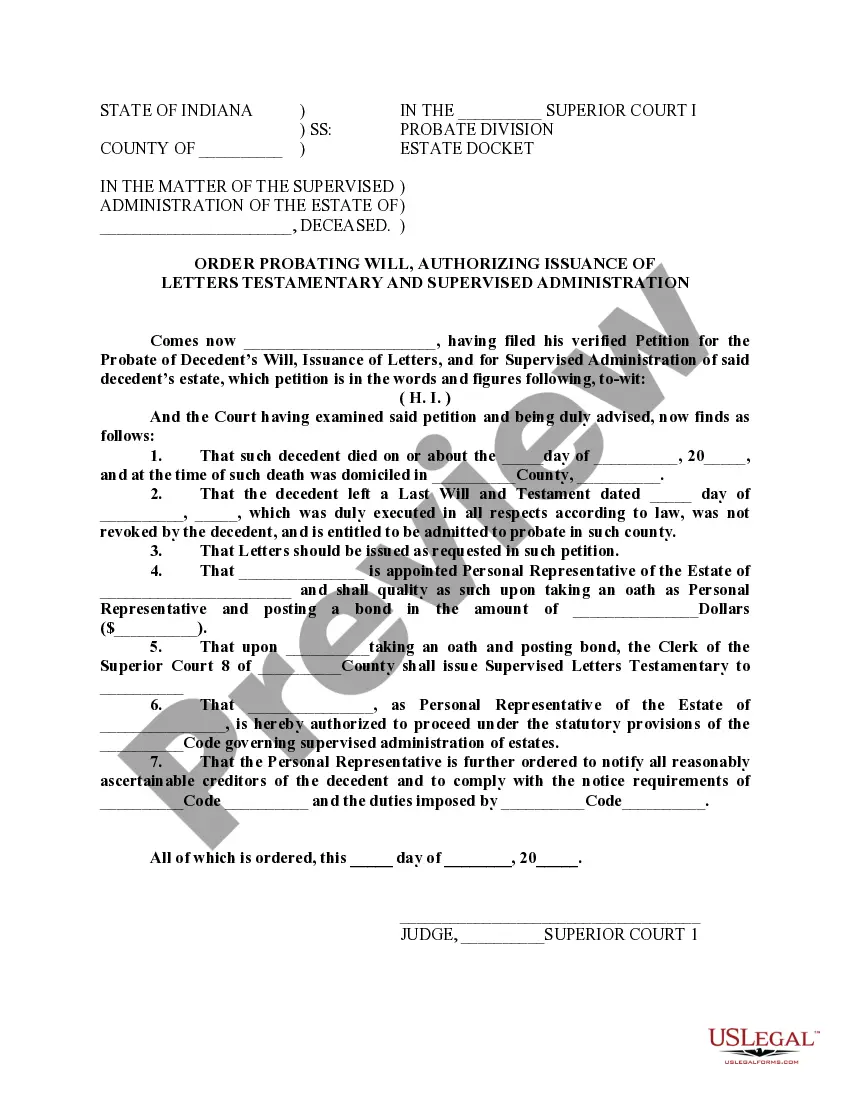




Form popularity
FAQ
Legal insanity requires that the person, by reason of mental disease or defect was incapable of either: Knowing the nature of his or her act. Understanding the nature of his or her act. Distinguishing between right and wrong at the time of commission of the crime.
The M'Naghten rule was the standard test for insanity in both the United States and the United Kingdom. While it remains the test in about half of the states, other states have instead implemented different tests, such as the irresistible impulse test, the Durham Test, or the Model Penal Code test.
Insanity defense Insanity & Diminished Capacity. Competency. The ''M'Naghten Rule'' The "Irresistible Impulse" Test. The Durham Rule (The "Product" Test) The Model Penal Code.
Legal insanity requires that the person, by reason of mental disease or defect was incapable of either: Knowing the nature of his or her act. Understanding the nature of his or her act. Distinguishing between right and wrong at the time of commission of the crime.
Under the Durham test, a defendant is entitled to an insanity defense if their illegal conduct is the product of a mental disease or defect. In other words, the Durham test asks if a mental disease or defect was the but-for cause of the criminal conduct.
Florida is a M'Naghten state. To prove insanity, the defense must establish, by clear and convincing evidence, that the defendant suffered from a mental disease or defect at the time the crime was committed and, as result, either (1) did not know what he or she was doing or, (2) did not know it was wrong.
Under 18 U.S.C. § 17(b), the burden has been shifted to the defendant to prove the defense of insanity by clear and convincing evidence.
The ALI rule is: "(1) A person is not responsible for criminal conduct if at the time of such conduct as a result of mental disease or defect he lacks substantial capacity either to appreciate the criminality of his conduct or to conform his conduct to the requirements of the law.
An insanity defense means that a defendant is not guilty of the crime because they didn't have the mental capacity required to commit a crime. If you are found not guilty by reason of insanity you could still be committed to a psychiatric institution.

