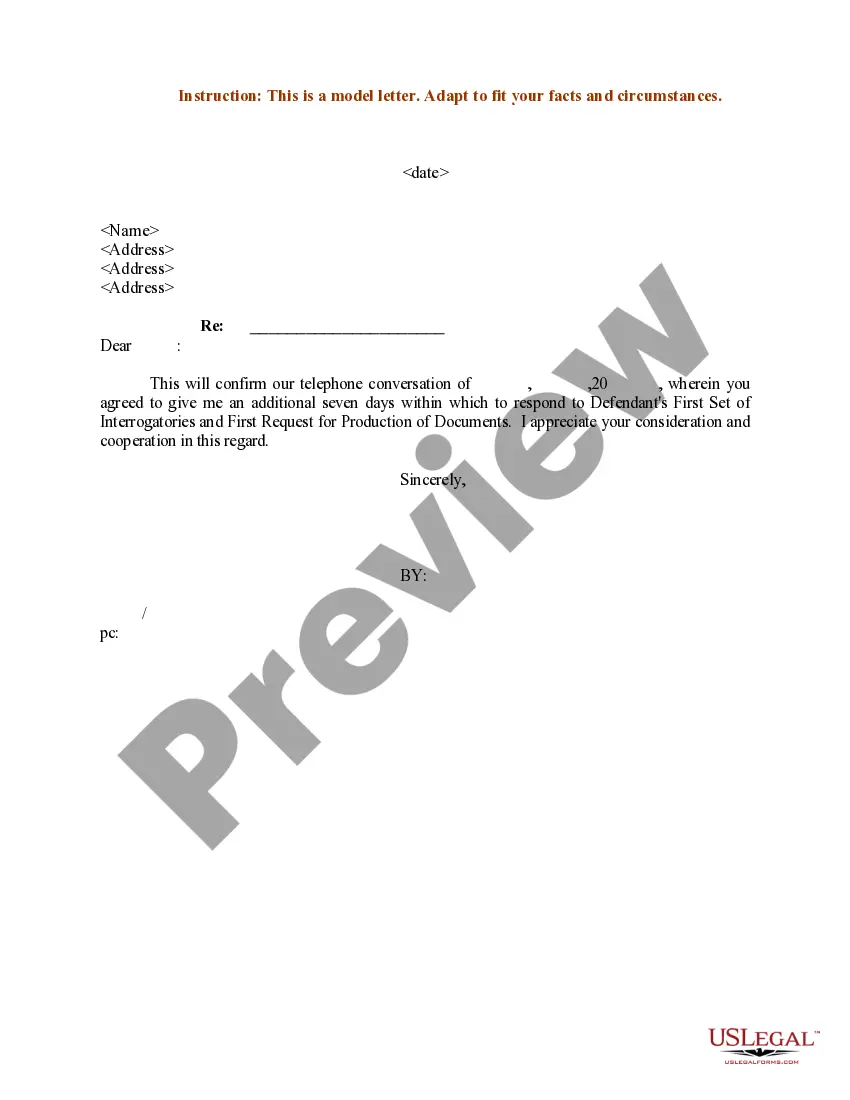
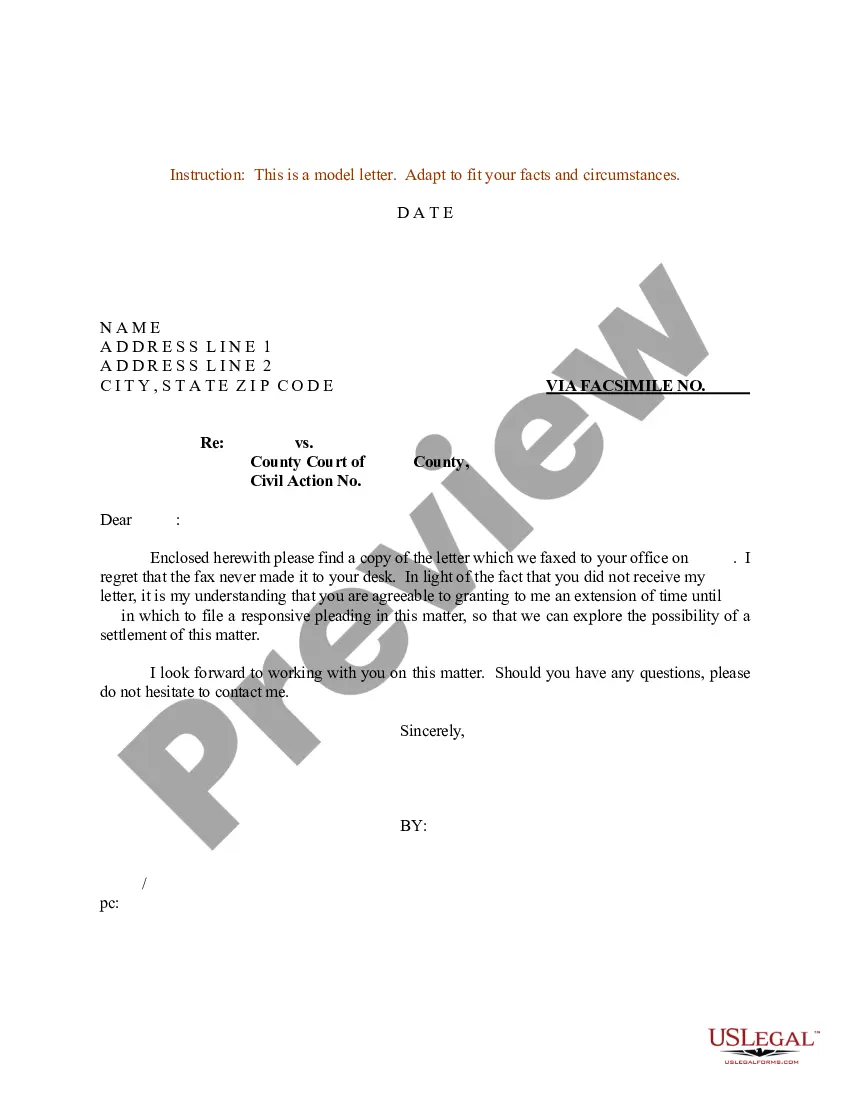
Pleading Paper For Court In Chicago
Description


Get your form ready online
Our built-in tools help you complete, sign, share, and store your documents in one place.
Make edits, fill in missing information, and update formatting in US Legal Forms—just like you would in MS Word.
Download a copy, print it, send it by email, or mail it via USPS—whatever works best for your next step.
Sign and collect signatures with our SignNow integration. Send to multiple recipients, set reminders, and more. Go Premium to unlock E-Sign.
If this form requires notarization, complete it online through a secure video call—no need to meet a notary in person or wait for an appointment.
We protect your documents and personal data by following strict security and privacy standards.

Make edits, fill in missing information, and update formatting in US Legal Forms—just like you would in MS Word.

Download a copy, print it, send it by email, or mail it via USPS—whatever works best for your next step.

Sign and collect signatures with our SignNow integration. Send to multiple recipients, set reminders, and more. Go Premium to unlock E-Sign.

If this form requires notarization, complete it online through a secure video call—no need to meet a notary in person or wait for an appointment.

We protect your documents and personal data by following strict security and privacy standards.
Looking for another form?








Form popularity
FAQ
In some circumstances, you file a petition or a motion. The court has several complaint forms that you may use in drafting your complaint. The forms are available online and at the Pro Se Intake Unit. You may also write your own complaint without using a court form.
Pro Se Representation: Individuals are allowed to represent themselves in court, known as ``pro se'' or ``pro per'' representation. This means they do not need to be a certified attorney to represent themselves, but they also cannot represent anyone else.
What do I need to eFile my legal paperwork? An account on an electronic filing service provider (EFSP) platform, like CourtFiling. What court to file your case in. Your case category. Your case number if you are uploading documents to an existing case. The completed paperwork to upload in a PDF file.
In some circumstances, you file a petition or a motion. The court has several complaint forms that you may use in drafting your complaint. The forms are available online and at the Pro Se Intake Unit. You may also write your own complaint without using a court form.
O You must file the Appearance form in the county where the court case is filed. o Make copies of your original Appearance for yourself and each party in the case. o Bring the original Appearance and the copies to the Circuit Clerk at the courthouse. Appearance, and return these copies to you.
When a petition is filed, the plaintiff and the defendant are given the opportunity to settle the case privately or to use an alternative dispute resolution (ADR) process rather than go to trial. The court may also provide a summary judgment. If the case goes to trial, the judge will ultimately issue a verdict.
Basically, you need to explain the reason you are filing, what you would like to see happen (the relief you are requesting) and provide specific examples of what occurred that makes you think the judge should give you what you are asking for.
The Motion and the Notice of Motion need to be e-filed with the Clerk of the Court. The e-Filing system will reject your filing if you do not enter a court date on the form before e-filing it.
A motion is an application to the court made by the prosecutor or defense attorney, requesting that the court make a decision on a certain issue before the trial begins. The motion can affect the trial, courtroom, defendants, evidence, or testimony. Only judges decide the outcome of motions.
Go to the Clerk's office at the courthouse where the court case was filed, Give the Clerk the case number and ask to see the case file; or if you do not know the case number, most clerks have computers to search by name. Once you have the case number, the Clerk can then get the court file for you.

