Pleading For Forgiveness In California
Description
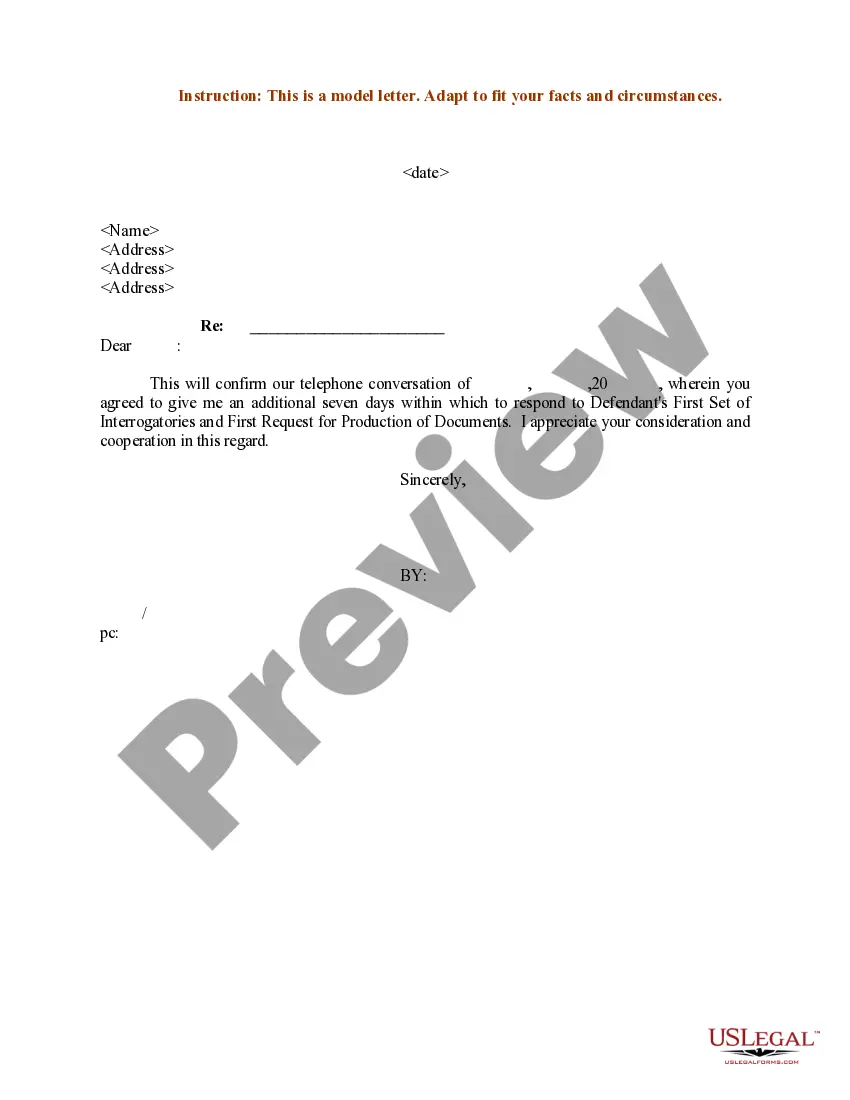


Get your form ready online
Our built-in tools help you complete, sign, share, and store your documents in one place.
Make edits, fill in missing information, and update formatting in US Legal Forms—just like you would in MS Word.
Download a copy, print it, send it by email, or mail it via USPS—whatever works best for your next step.
Sign and collect signatures with our SignNow integration. Send to multiple recipients, set reminders, and more. Go Premium to unlock E-Sign.
If this form requires notarization, complete it online through a secure video call—no need to meet a notary in person or wait for an appointment.
We protect your documents and personal data by following strict security and privacy standards.

Make edits, fill in missing information, and update formatting in US Legal Forms—just like you would in MS Word.

Download a copy, print it, send it by email, or mail it via USPS—whatever works best for your next step.

Sign and collect signatures with our SignNow integration. Send to multiple recipients, set reminders, and more. Go Premium to unlock E-Sign.

If this form requires notarization, complete it online through a secure video call—no need to meet a notary in person or wait for an appointment.

We protect your documents and personal data by following strict security and privacy standards.
Looking for another form?







Form popularity
FAQ
Asking For Forgiveness Apologize to the person you have wronged. Explain why you did what you did, but don't make excuses. Demonstrate empathy. Try to make things right. Show them that you've changed. Ask for their forgiveness. Try to sweeten the deal.
You can also ask your court's Self-Help Center or public law library for a sample or blank pleading paper.
The best way to show forgiveness to a judge is to apologize and demonstrate remorse for the mistake you made. Summarize the situation, take full responsibility, and offer an explanation, if appropriate.
The status of clemency cases submitted through the Department of Justice since 1989 can always be confirmed on our website at Search Clemency Case Status For Cases Opened Since 1989 | PARDON | Department of Justice.
Here are 4 ways to sincerely ask for forgiveness: Admit what you did that was wrong. Acknowledge your loved one was wronged and you were at fault. Explain what you did wrong. Correct what you did wrong, if you can, with follow-up actions. Give some space and time.
In order to demonstrate my remorse, I have taken the following steps: Acknowledging the impact of my actions. · What specifically did I do wrong? ... Taking responsibility for my actions. · What motivated me to act in the way that I did? ... Expressing regret and apologising. · How do I feel about what I have done? ... Making amends. ·
The best way to show forgiveness to a judge is to apologize and demonstrate remorse for the mistake you made. Summarize the situation, take full responsibility, and offer an explanation, if appropriate.
To kick off the process of setting aside your conviction, you have to file a timely motion with the court where your sentencing took place, which has to spell out a valid reason for your move to vacate. California law outlines several Penal Codes under which you may bring the motion to set aside a sentence, each of ...
Pleadings and Pre-Trial Motions in California Name(s) of plaintiff(s) Name(s) of defendant(s) State. County. Case number (docket number) Name or type of pleading. Court name. Judge name (if known)
A pleading must be in writing and must be signed by all persons joining in it. All pleadings filed in proceedings under the Probate Code must be verified. If two or more persons join in a pleading, it may be verified by any of them.

