Extension Time In Pcr In California
Description
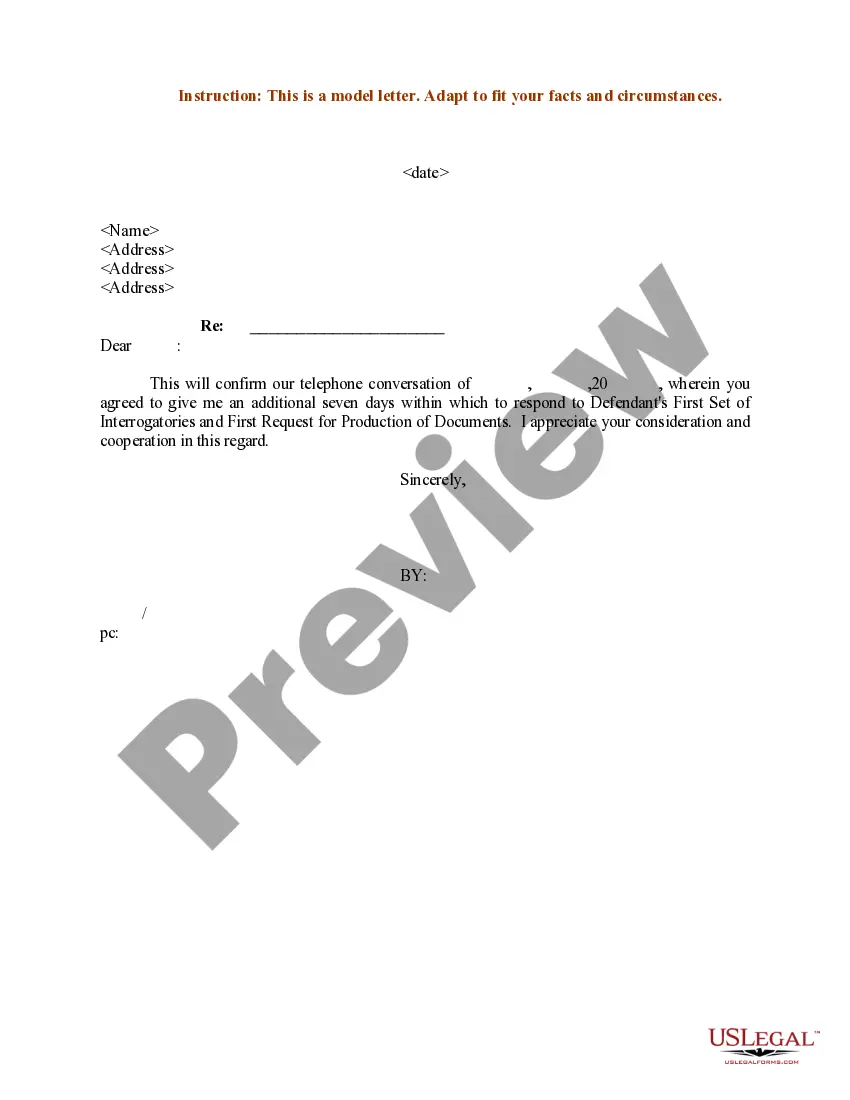
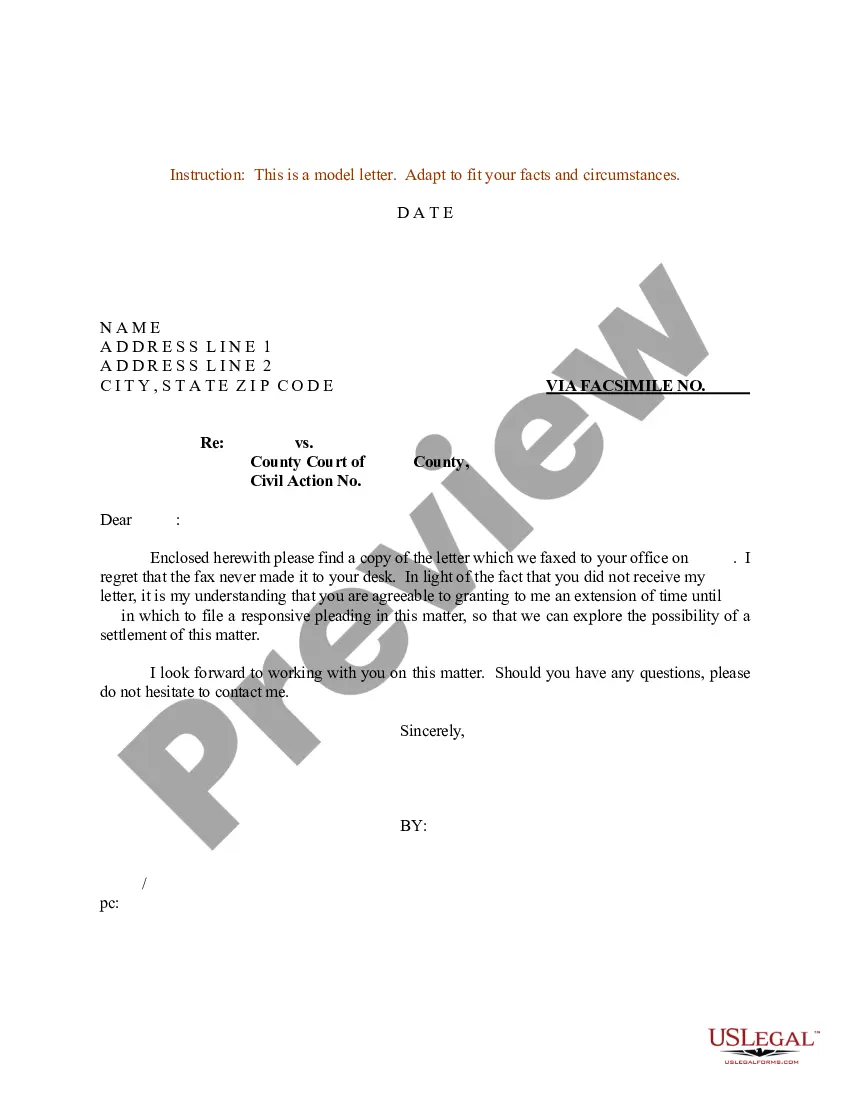
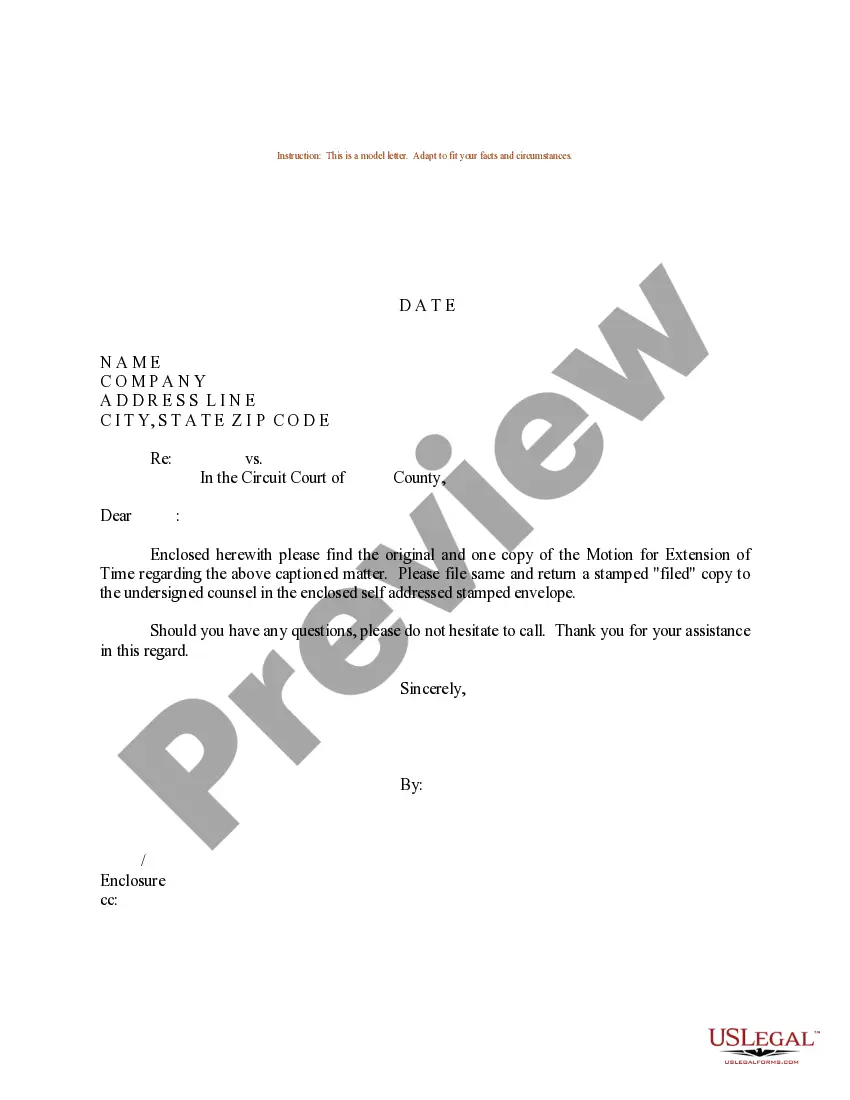
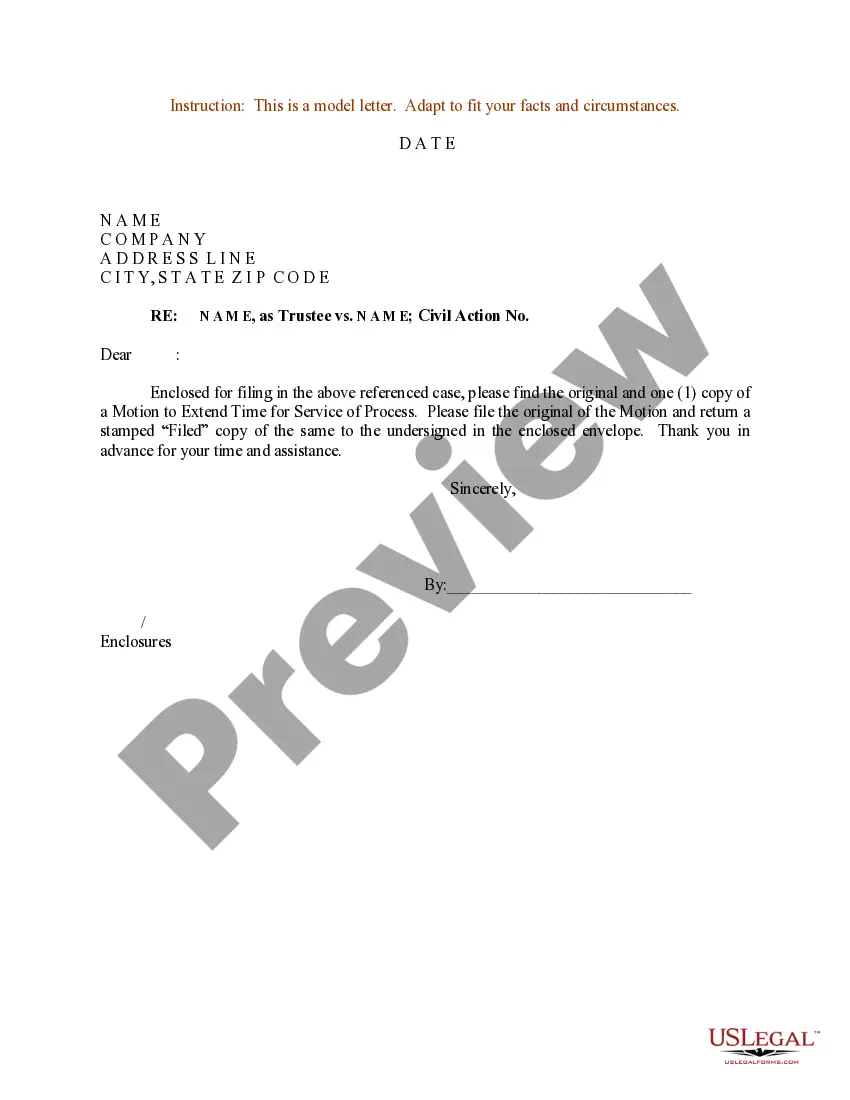
Get your form ready online
Our built-in tools help you complete, sign, share, and store your documents in one place.
Make edits, fill in missing information, and update formatting in US Legal Forms—just like you would in MS Word.
Download a copy, print it, send it by email, or mail it via USPS—whatever works best for your next step.
Sign and collect signatures with our SignNow integration. Send to multiple recipients, set reminders, and more. Go Premium to unlock E-Sign.
If this form requires notarization, complete it online through a secure video call—no need to meet a notary in person or wait for an appointment.
We protect your documents and personal data by following strict security and privacy standards.

Make edits, fill in missing information, and update formatting in US Legal Forms—just like you would in MS Word.

Download a copy, print it, send it by email, or mail it via USPS—whatever works best for your next step.

Sign and collect signatures with our SignNow integration. Send to multiple recipients, set reminders, and more. Go Premium to unlock E-Sign.

If this form requires notarization, complete it online through a secure video call—no need to meet a notary in person or wait for an appointment.

We protect your documents and personal data by following strict security and privacy standards.
Looking for another form?









Form popularity
FAQ
Policies and factors governing extensions of time. (1) The time limits prescribed by these rules should generally be met to ensure expeditious conduct of appellate business and public confidence in the efficient administration of appellate justice.
(1) The court may deliver any notice, order, opinion, or other document issued by the court by electronic means. (B) Adopting a local rule stating that the court accepts electronic service. The rule must indicate where to obtain the electronic service address at which the court agrees to accept service.
The parties may stipulate without leave of court to one 15-day extension beyond the 30-day time period prescribed for the response after service of the initial complaint. The court, on its own motion or on the application of a party, may extend or otherwise modify the times provided in (b)-(d).
If an appellant timely appeals from a judgment or appealable order, the time for any other party to appeal from the same judgment or order is extended until five court days after the superior court clerk serves notification of the first appeal.
Briefs by parties and amici curiae; judicial notice. (1) Within 30 days after the Supreme Court files the order of review, the petitioner must serve and file in that court either an opening brief on the merits or the brief it filed in the Court of Appeal.
Rule 8.60(d) provides that “for good cause, a reviewing court may relieve a party from default for any failure to comply with these rules except the failure to file a timely notice of appeal or a timely statement of reasonable grounds in support of a certificate of probable cause.” The reviewing court has discretion ...
If the parties are not able to meet and confer at least five days prior to the date the responsive pleading is due, the demurring party shall be granted an automatic 30-day extension of time within which to file a responsive pleading, by filing and serving, on or before the date on which a demurrer would be due, a ...
Many of the common problems with PCR and RT-PCR are identified during agarose gel electrophoresis of the reaction products. These include the absence of the expected amplification product, the presence of nonspecific products, excessive smearing, and the presence of a “primer dimer” band.
If the annealing temperature is too low, non-specific products can be generated, leading to smeared bands on the gel. If the extension time is too long, secondary products can be formed, which can contribute to smearing.
If the annealing temperature is too low, non-specific products can be generated, leading to smeared bands on the gel. If the extension time is too long, secondary products can be formed, which can contribute to smearing.

