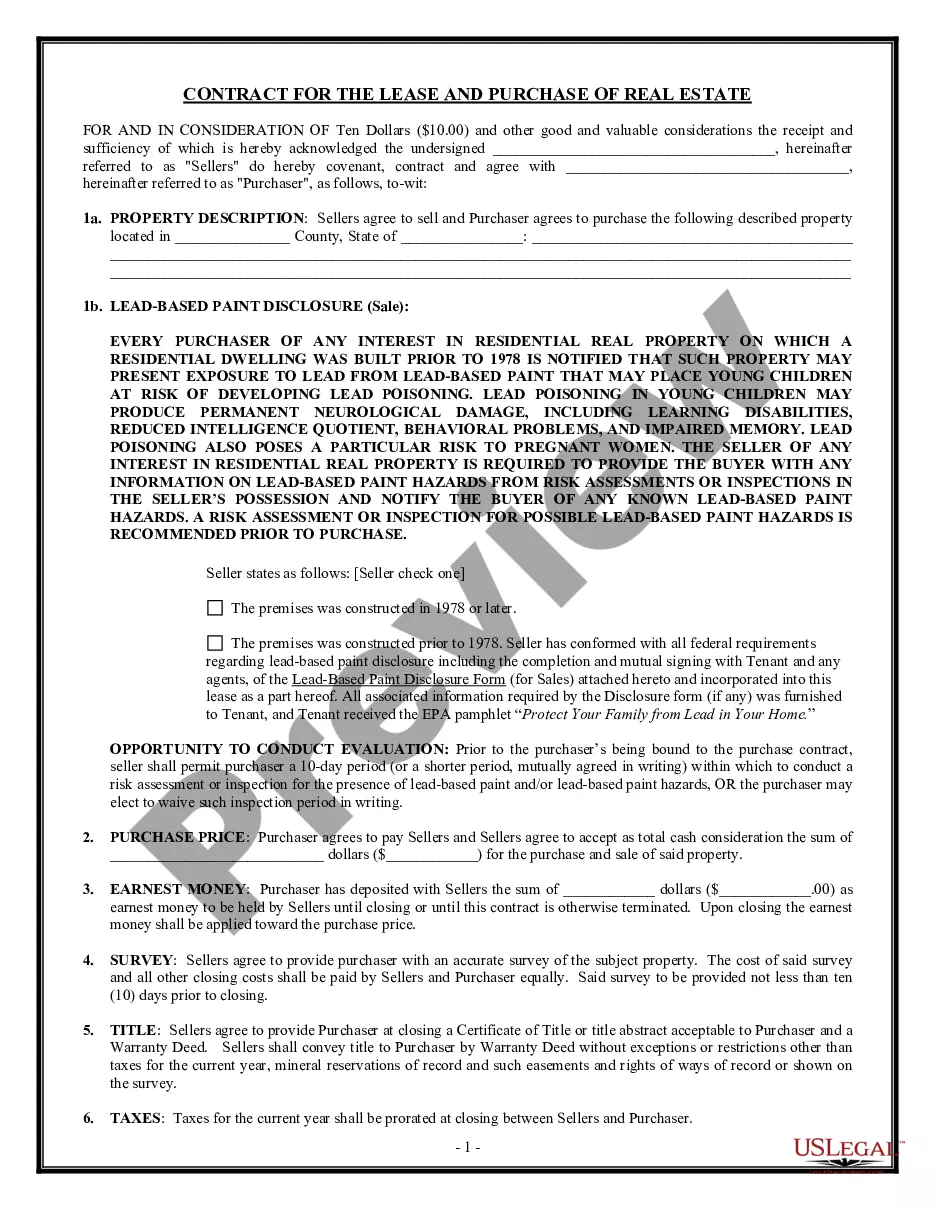
Real Estate Contract Clauses Examples In Santa Clara
Description

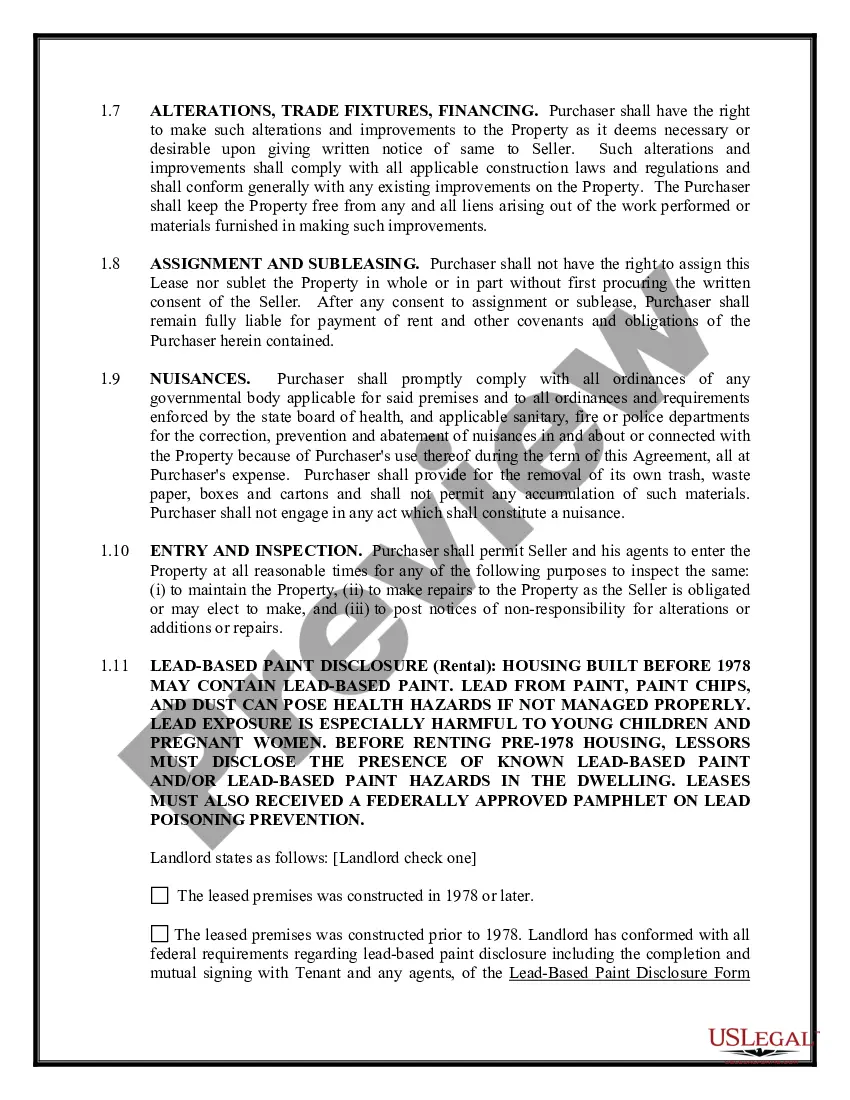
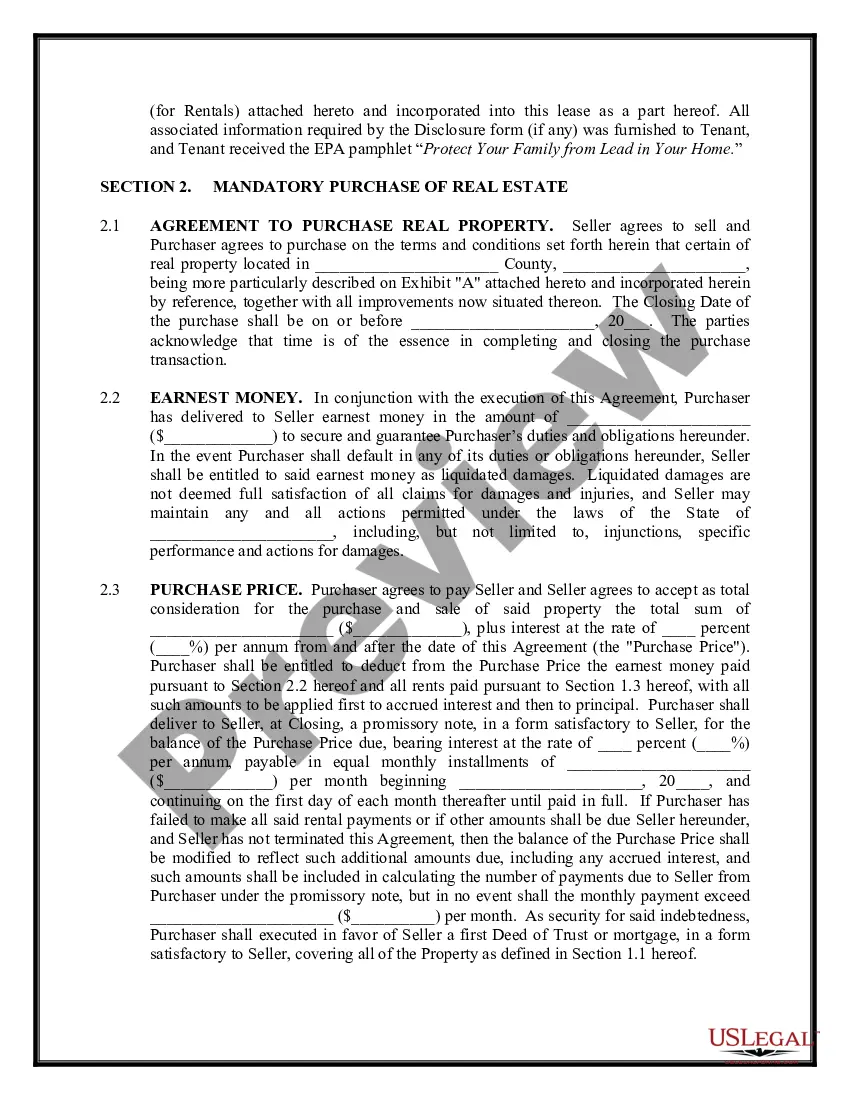
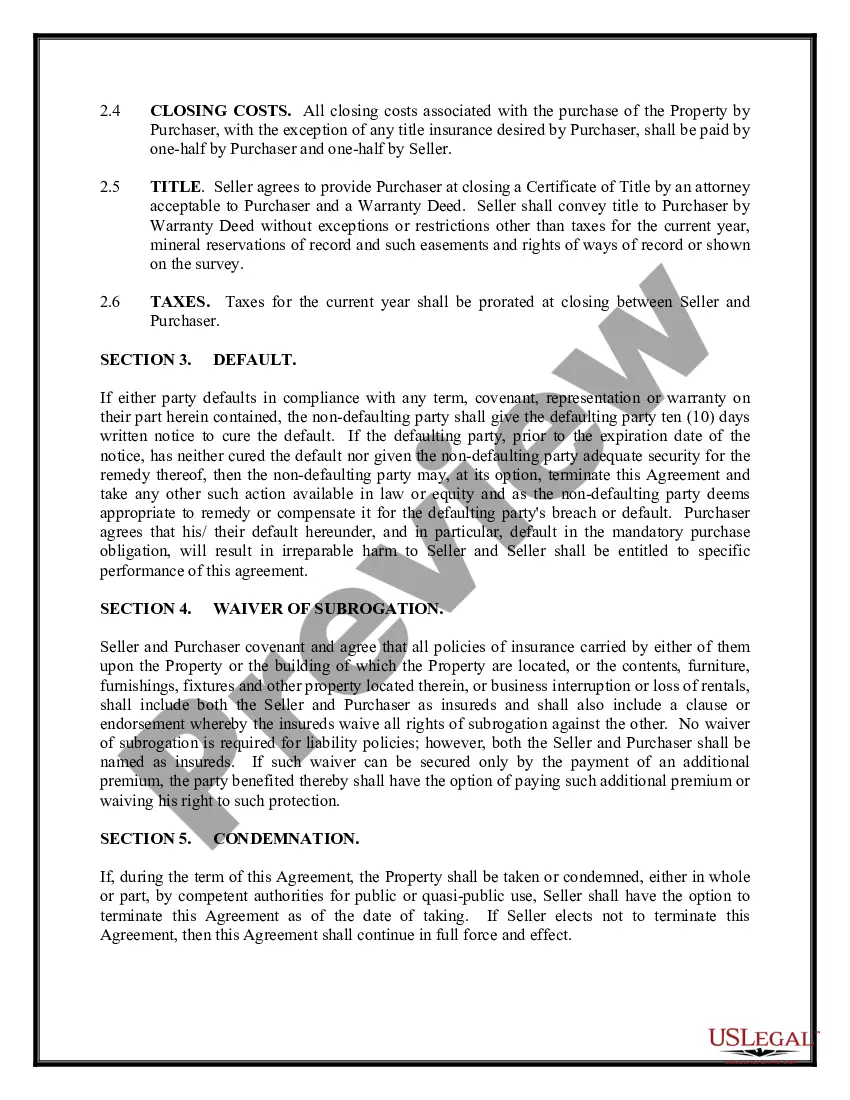
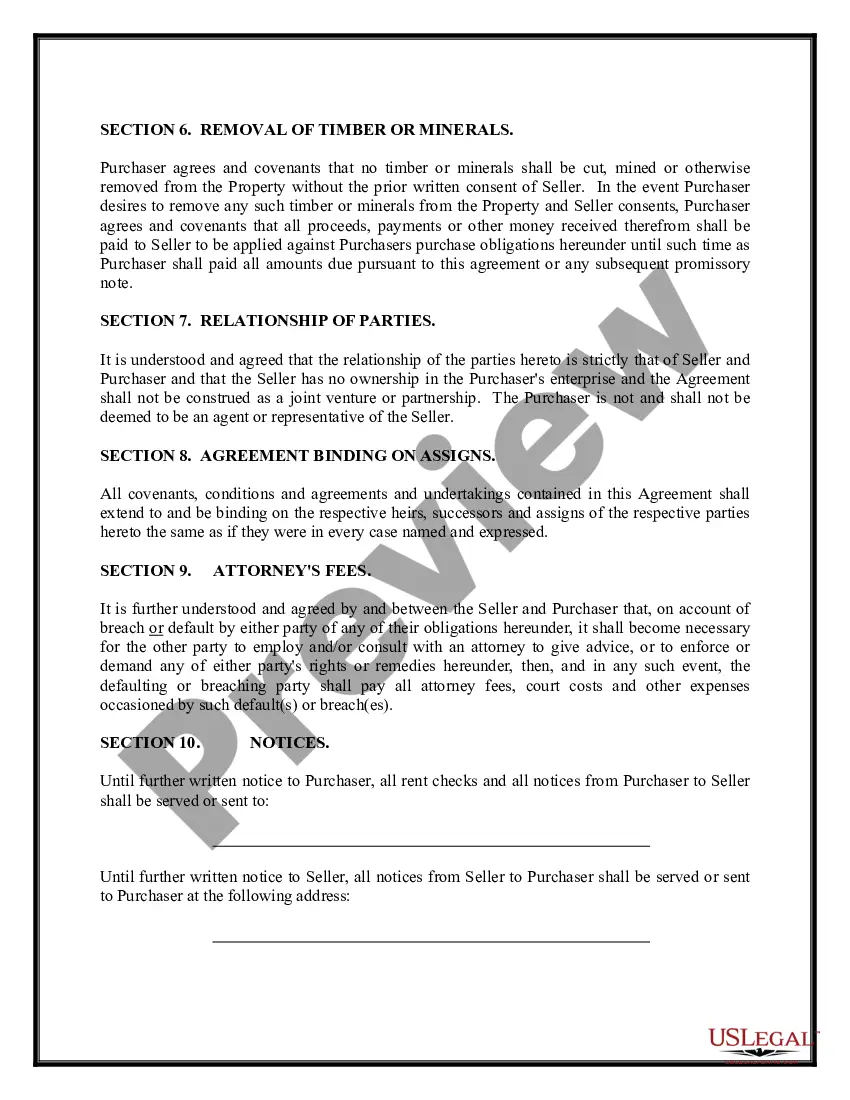
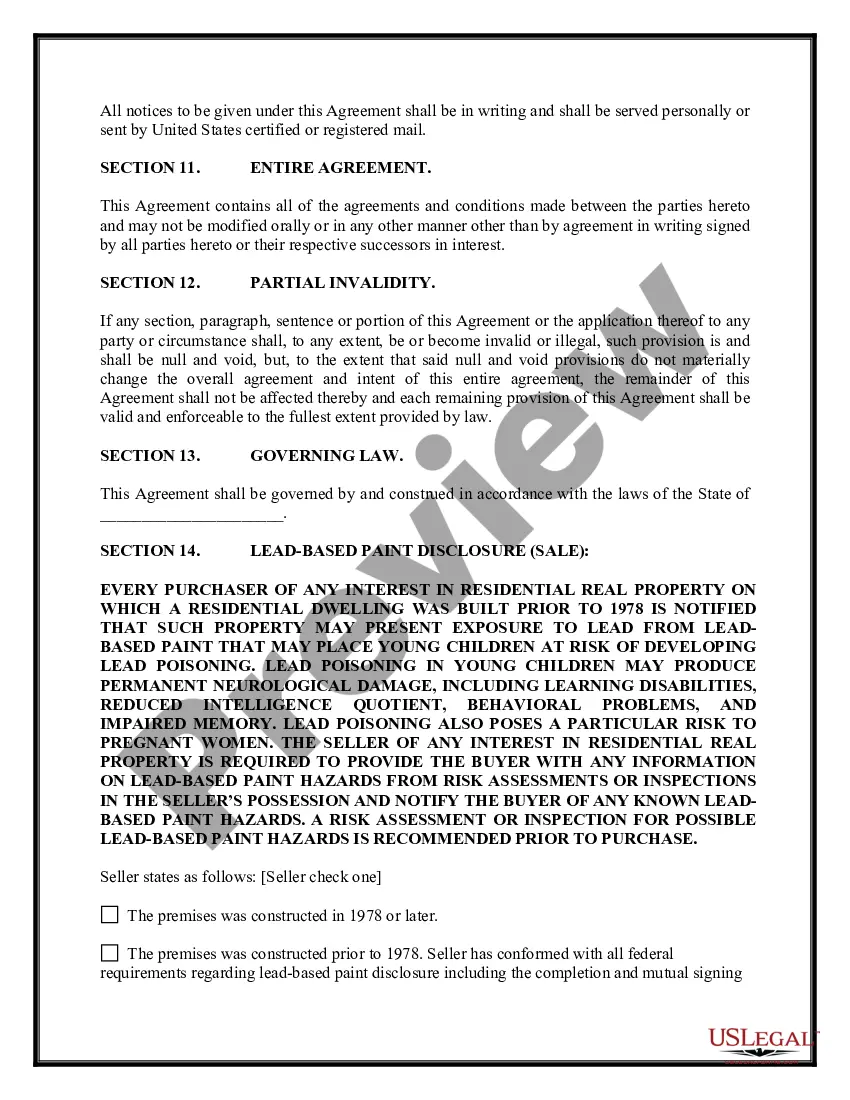
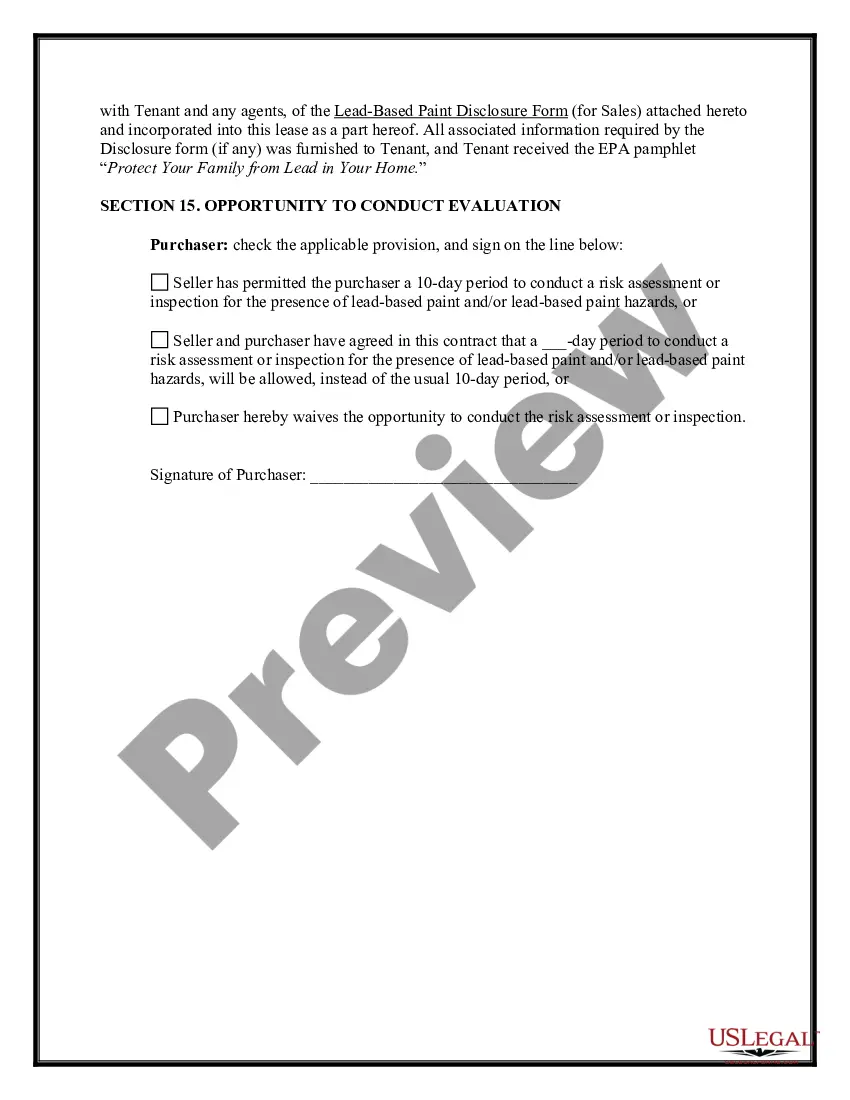
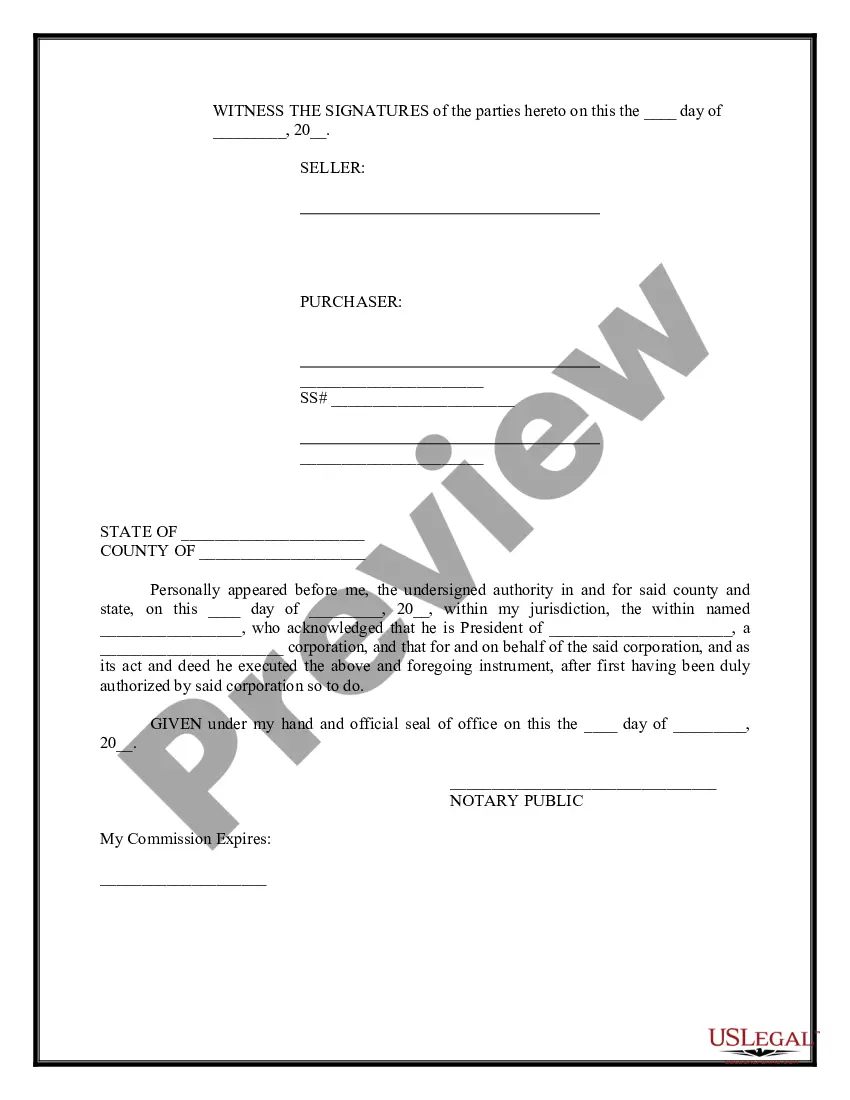
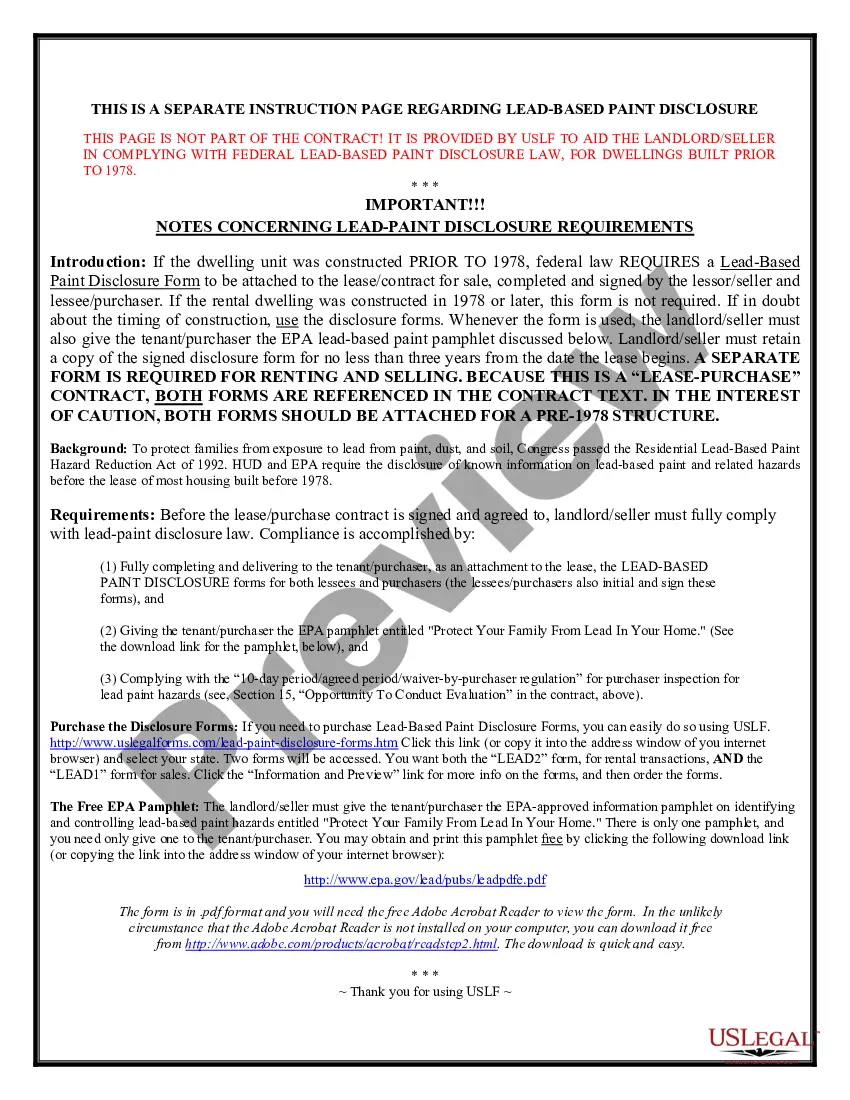
Get your form ready online
Our built-in tools help you complete, sign, share, and store your documents in one place.
Make edits, fill in missing information, and update formatting in US Legal Forms—just like you would in MS Word.
Download a copy, print it, send it by email, or mail it via USPS—whatever works best for your next step.
Sign and collect signatures with our SignNow integration. Send to multiple recipients, set reminders, and more. Go Premium to unlock E-Sign.
If this form requires notarization, complete it online through a secure video call—no need to meet a notary in person or wait for an appointment.
We protect your documents and personal data by following strict security and privacy standards.

Make edits, fill in missing information, and update formatting in US Legal Forms—just like you would in MS Word.

Download a copy, print it, send it by email, or mail it via USPS—whatever works best for your next step.

Sign and collect signatures with our SignNow integration. Send to multiple recipients, set reminders, and more. Go Premium to unlock E-Sign.

If this form requires notarization, complete it online through a secure video call—no need to meet a notary in person or wait for an appointment.

We protect your documents and personal data by following strict security and privacy standards.
Looking for another form?
Form popularity
FAQ
Examples of good faith in a business context include: Honesty: both parties are honest and truthful about the details of the contract, from the terms and conditions, to warranties and disclaimers. Fairness: both parties act fairly and reasonably as outlined by the contract.
Example Clause The Parties agree to engage in good faith negotiations to resolve any disputes arising under this Agreement. Each Party shall act honestly and fairly, provide necessary and relevant information to the other Party, and make a genuine effort to reach an equitable resolution.
1. Confidentiality clause Intellectual property clause. Intellectual property (IP) clauses establish who owns what, both before and after the contract. Limitation of liability clause. Termination clause. Force majeure clause. Dispute resolution clause. Payment terms clause. Renewal clause. Indemnification clause.
Writing a contract When drafting clauses, avoid using vague language or terms. Instead, be direct in your wording. Consider all possible scenarios and ensure that the language used leaves no room for interpretation. If necessary, seek legal advice to ensure clauses are airtight and legally enforceable.
Examples include confidentiality, liability, and termination clauses, all of which serve to protect parties' interests and provide a framework for resolving potential disputes.
With current negotiations in business, good faith negotiation refers to dealing fairly and honestly with others so that all parties receive their negotiated contract benefits.
A: Key elements of a Good Faith Agreement include an introduction outlining the purpose of the agreement; an outline of each party's rights and obligations; clauses defining dispute resolution procedures; clauses defining termination procedures; an acknowledgement of acceptance from both parties; and finally, ...
: a clause in an agreement providing that the buyer accepts the item for sale in its presently existing condition without modification or repair.
It simply means that the only warranties about the work are the ones written in the contract. Admittedly, the typical “AS-IS” wording is off-putting for clients. It sounds as though the service provider is just dumping its work on the client and washing its hands of the whole thing: as-is, take it or leave it.
Consumer protection laws ensure that any dealer selling a vehicle “as-is” must have its status properly displayed and on the vehicle's buyer's guide, where a box will be checked noting that the vehicle is being sold “As Is – No Warranty.” If dealers follow proper selling and disclose procedures, then they have no ...