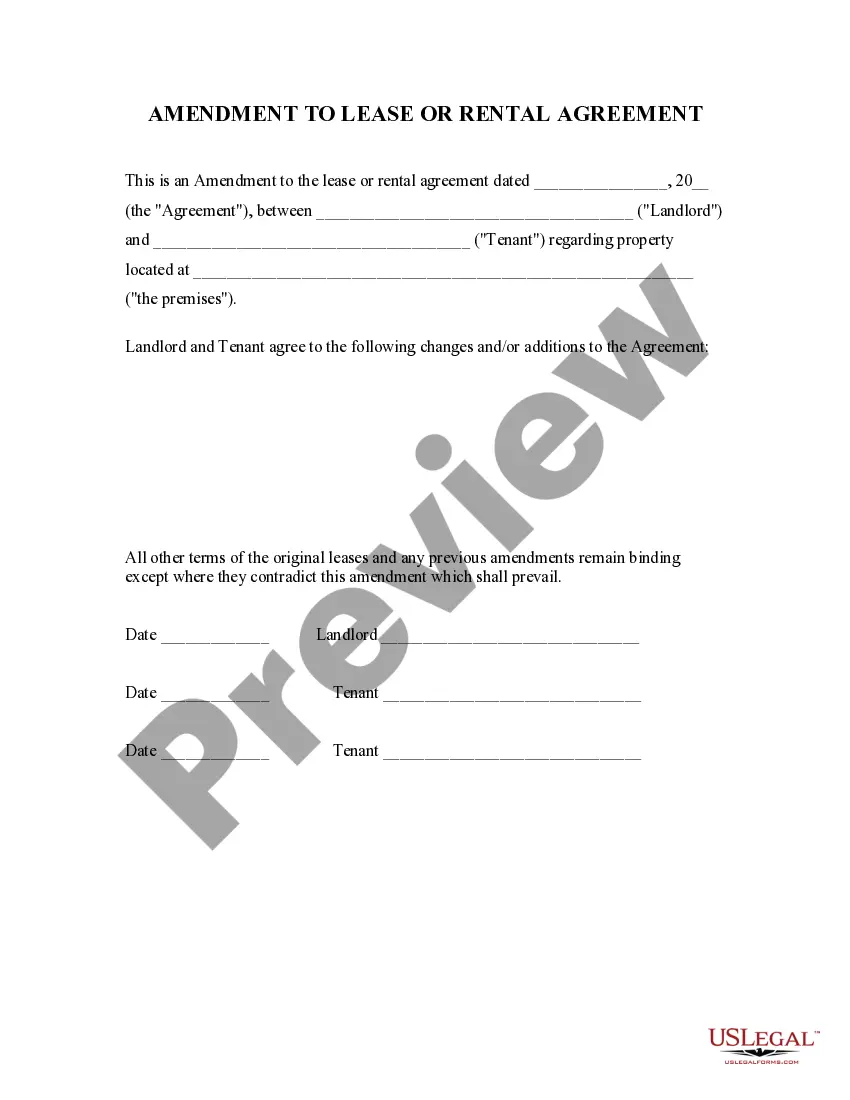
Real Estate Contract Clauses Examples In San Jose
Description

Get your form ready online
Our built-in tools help you complete, sign, share, and store your documents in one place.
Make edits, fill in missing information, and update formatting in US Legal Forms—just like you would in MS Word.
Download a copy, print it, send it by email, or mail it via USPS—whatever works best for your next step.
Sign and collect signatures with our SignNow integration. Send to multiple recipients, set reminders, and more. Go Premium to unlock E-Sign.
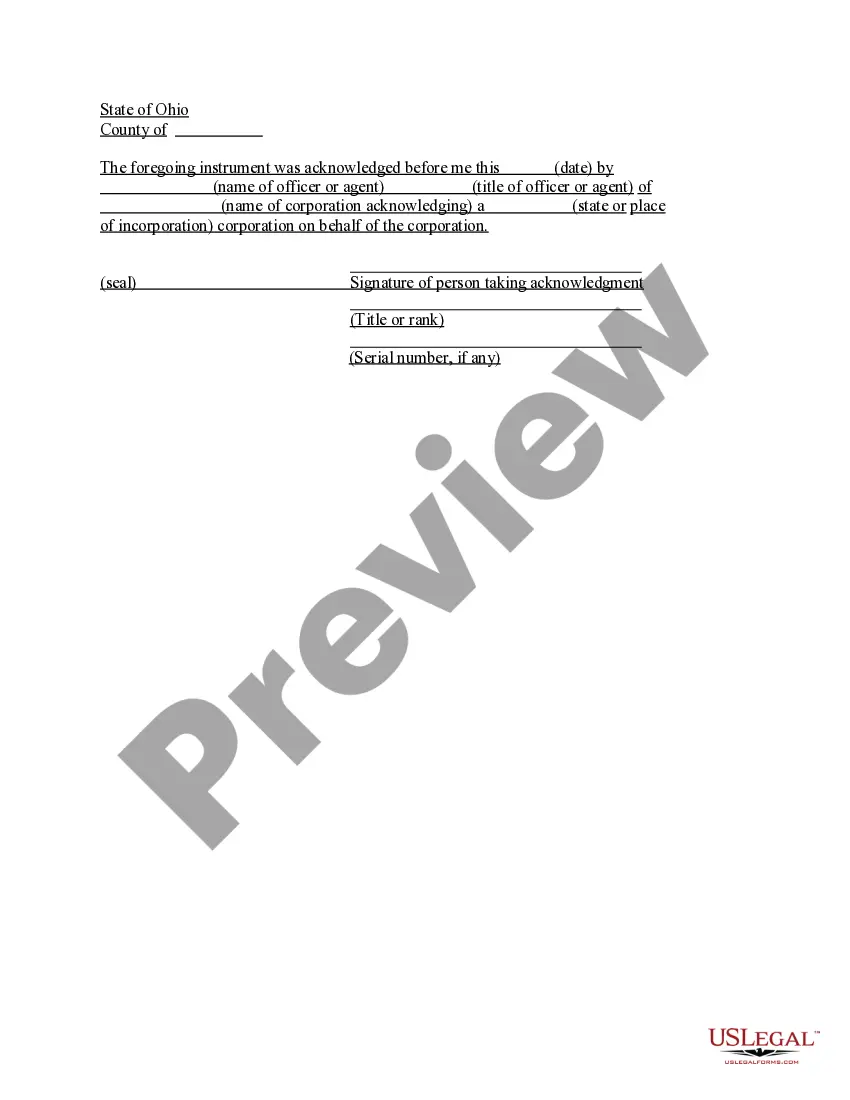
If this form requires notarization, complete it online through a secure video call—no need to meet a notary in person or wait for an appointment.
We protect your documents and personal data by following strict security and privacy standards.

Make edits, fill in missing information, and update formatting in US Legal Forms—just like you would in MS Word.

Download a copy, print it, send it by email, or mail it via USPS—whatever works best for your next step.

Sign and collect signatures with our SignNow integration. Send to multiple recipients, set reminders, and more. Go Premium to unlock E-Sign.

If this form requires notarization, complete it online through a secure video call—no need to meet a notary in person or wait for an appointment.

We protect your documents and personal data by following strict security and privacy standards.
Looking for another form?





Form popularity
FAQ
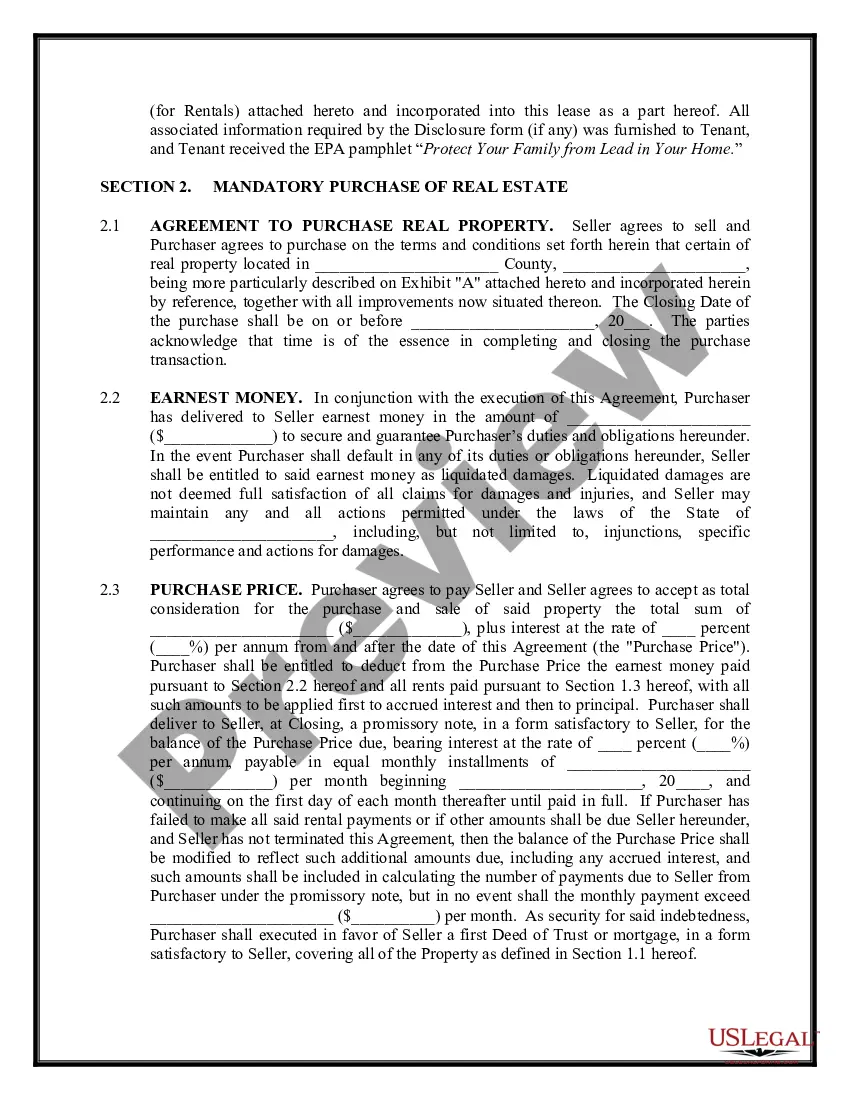
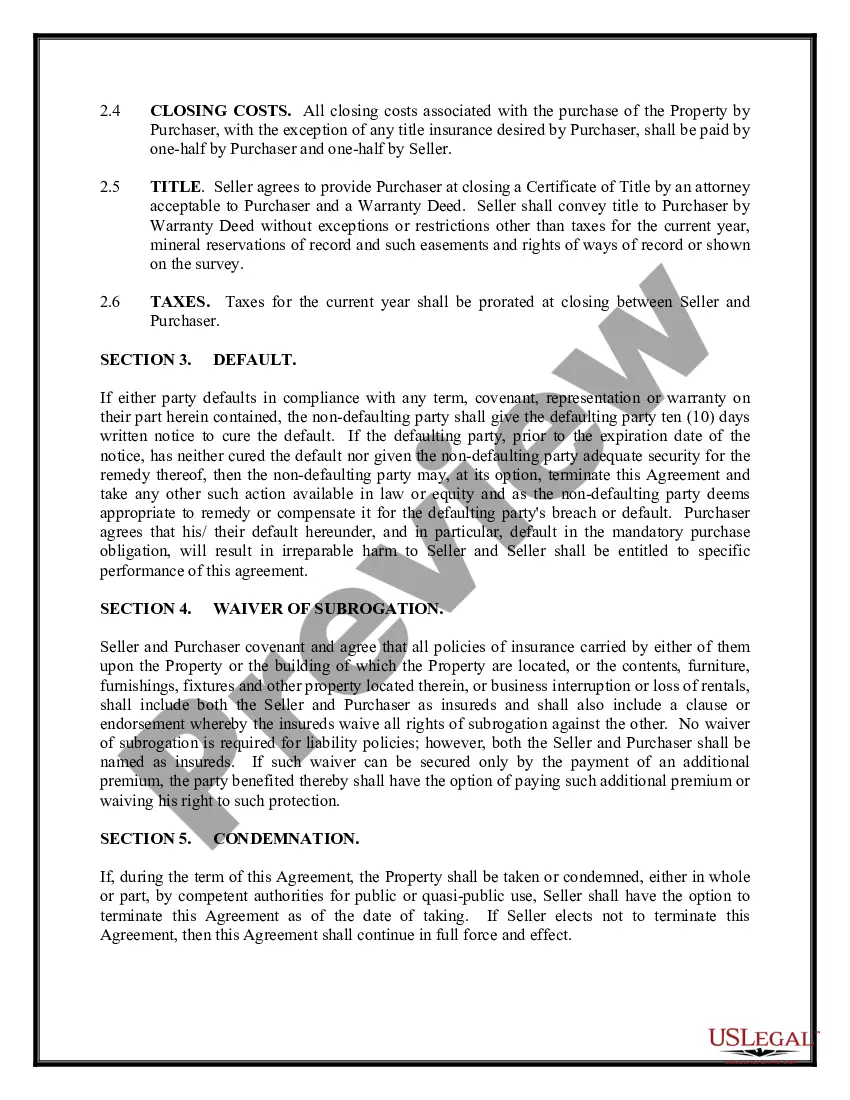
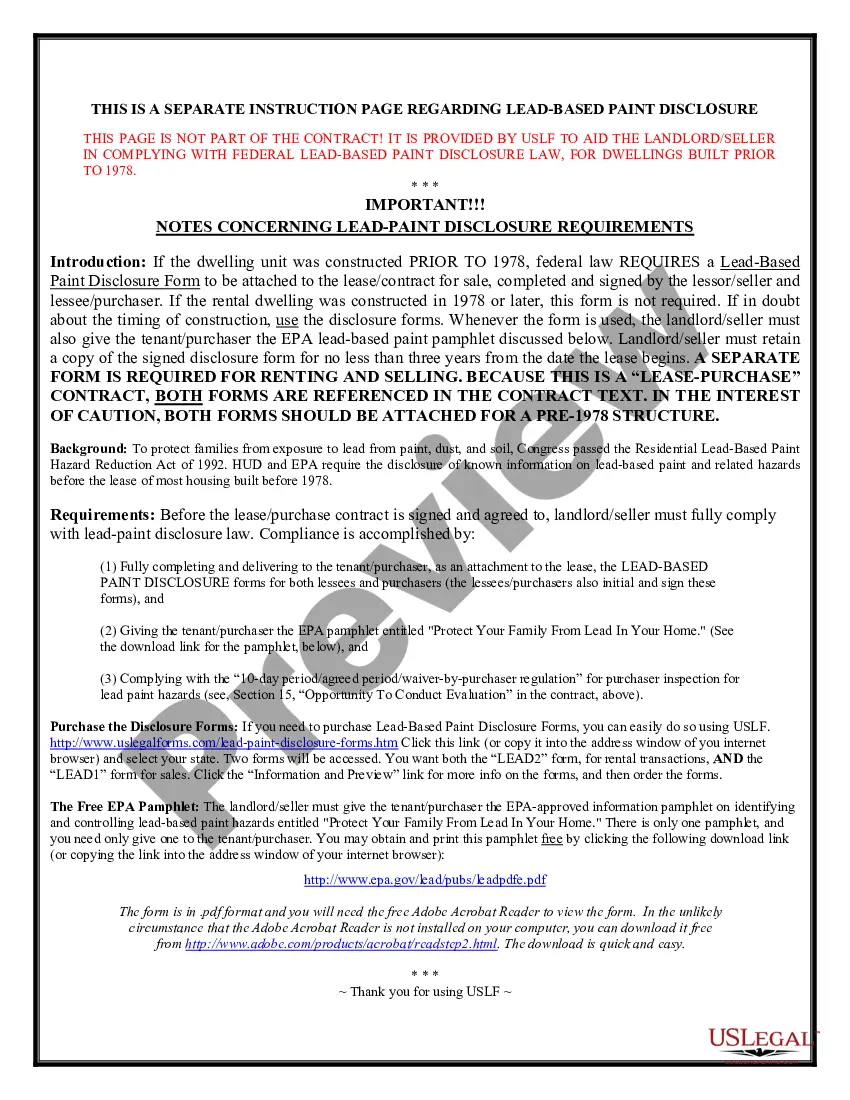
Example1: “The Buyer acknowledges that the property is being sold 'as is' with all faults and defects, whether known or unknown, presently existing or that may hereafter arise. The Seller makes no warranties or representations of any kind regarding the condition of the property.”
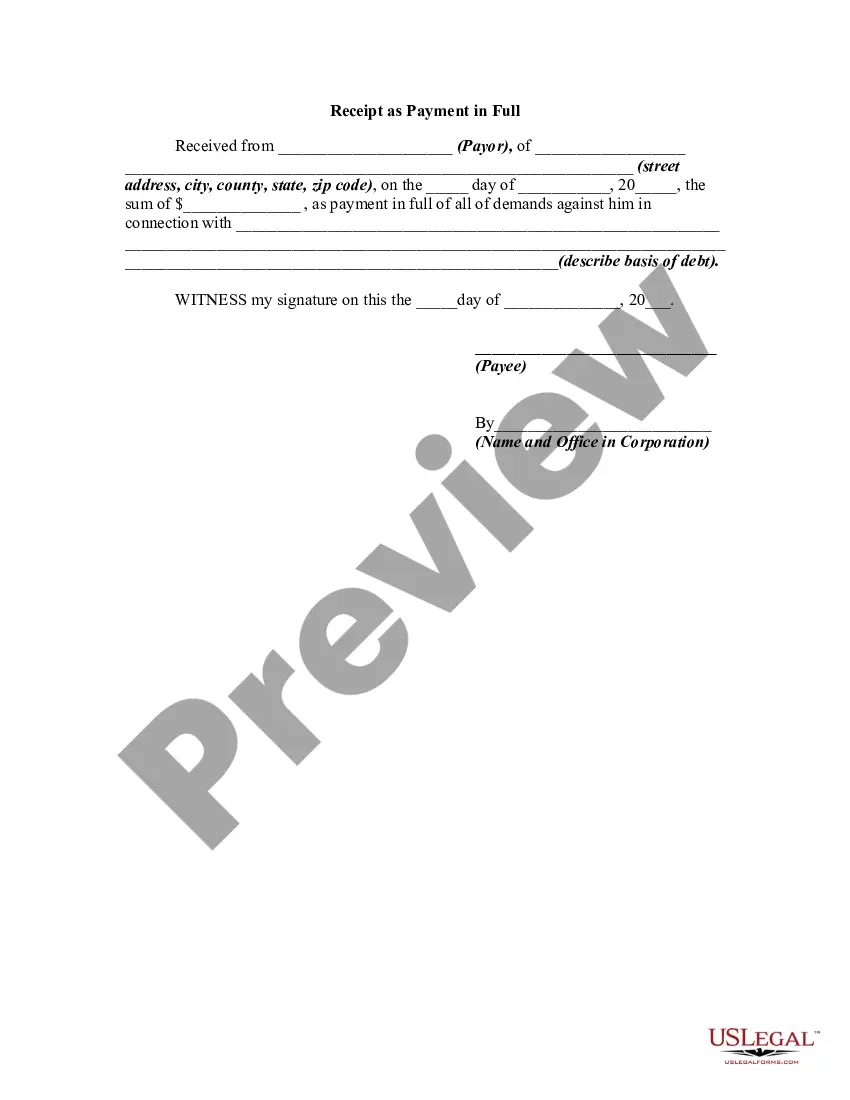
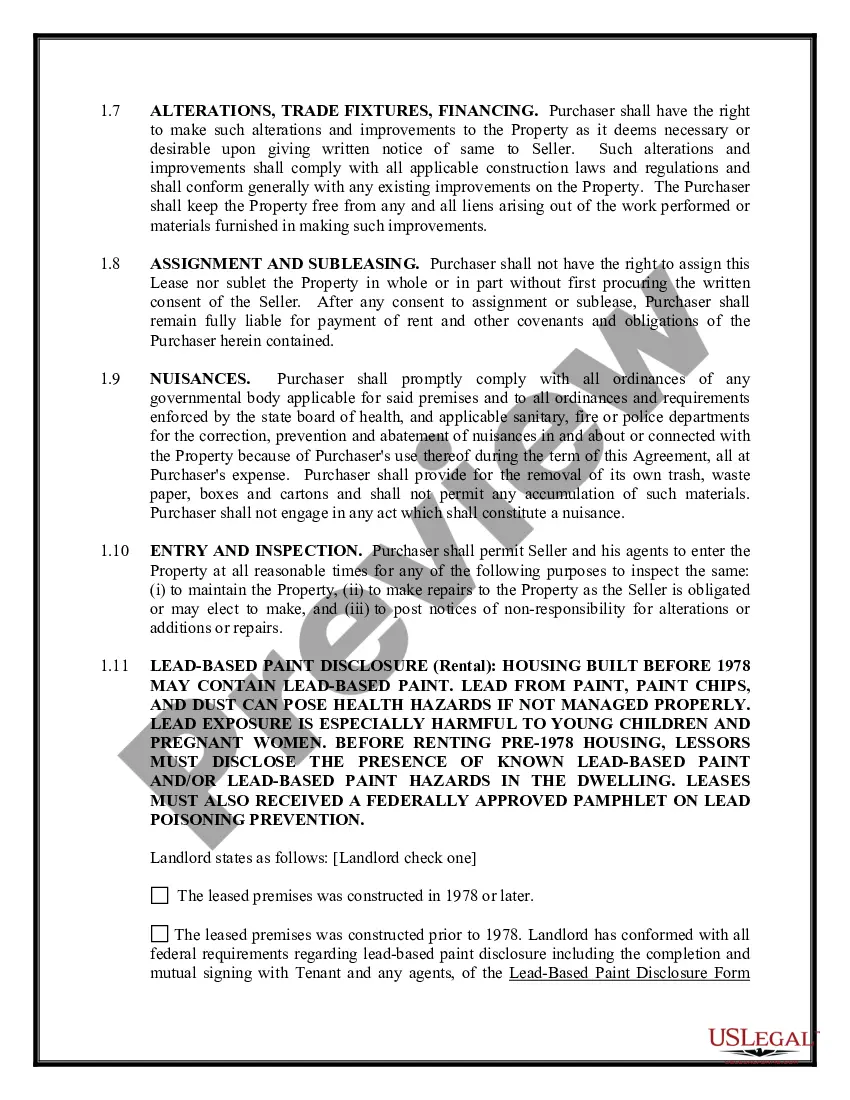
Real estate contracts commonly include the following information: Parties involved: The names and contact information of the buyer(s) and seller(s). Property description: A detailed description of the property, including its address, legal description, and any specific features.
Writing your own contracts is perfectly possible, and legal. But it's also an incredibly bad idea. There's two reasons for this: Property law is complicated. Because it's such a fundamental part of legislation, it's often lots and lots of different laws layered on top of each other.
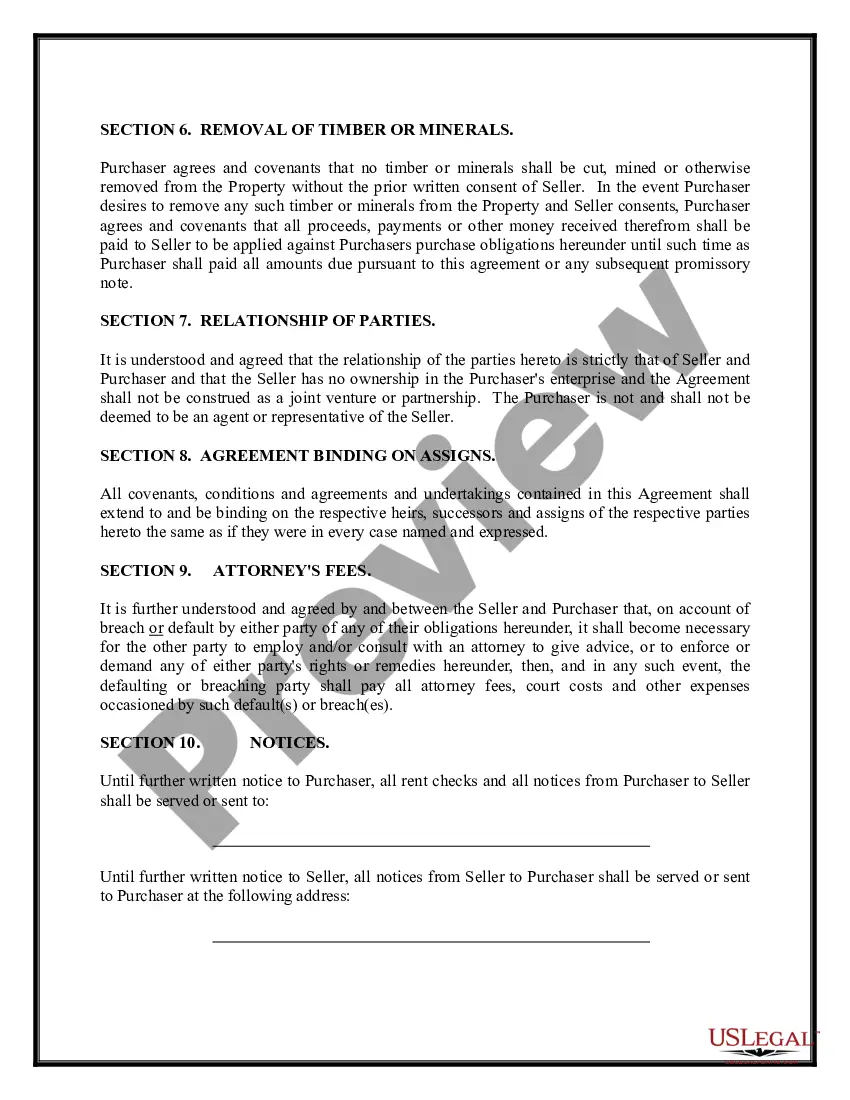
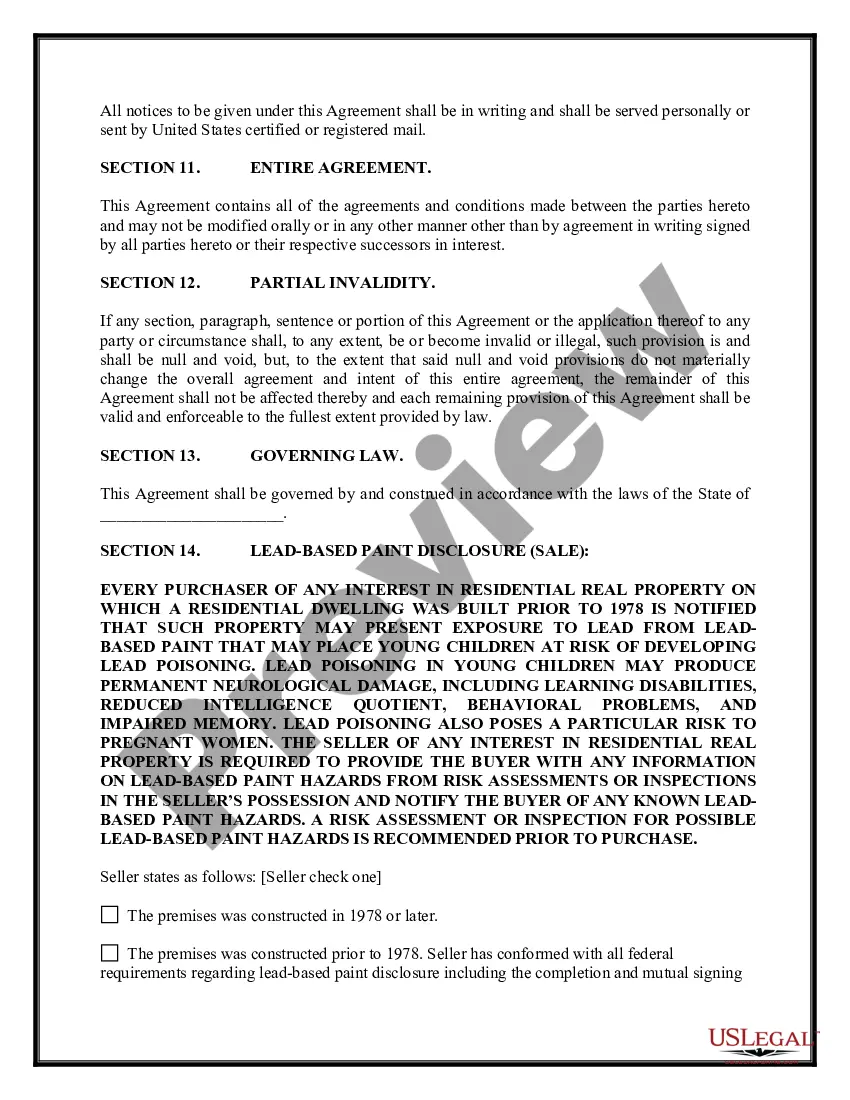
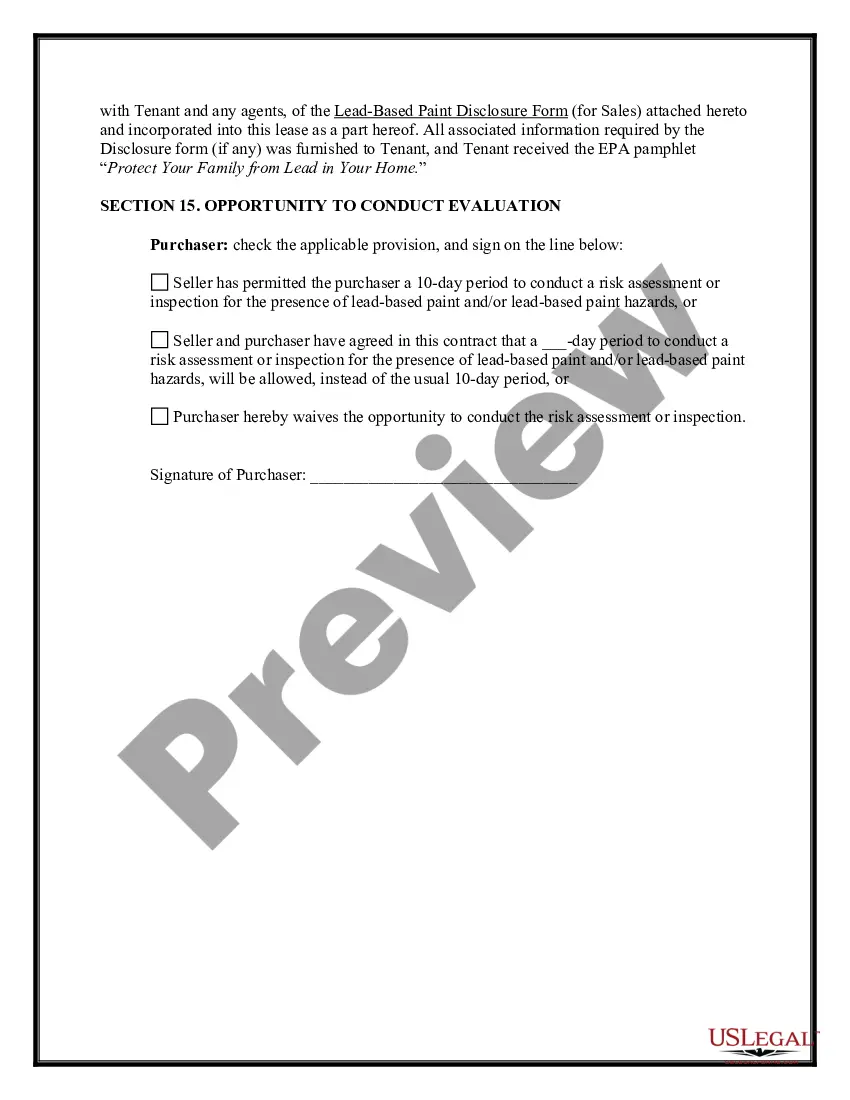
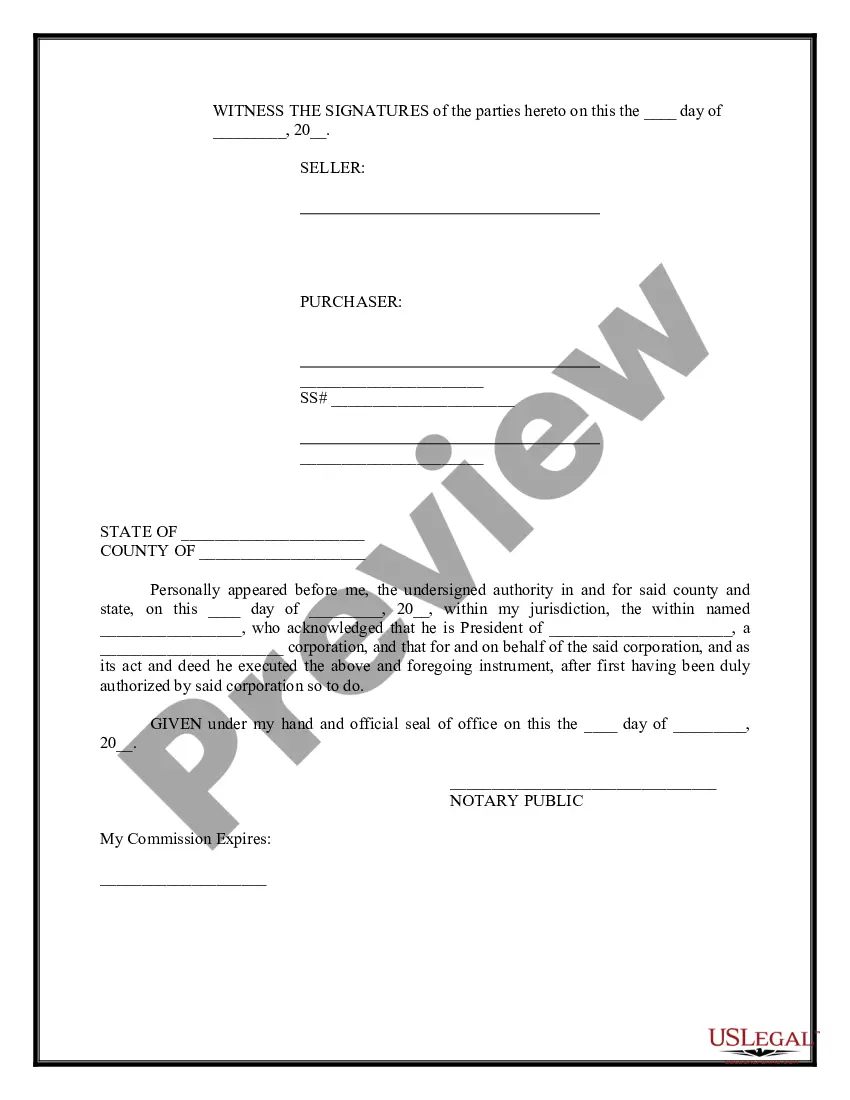
Write the contract in six steps Start with a contract template. Open with the basic information. Describe in detail what you have agreed to. Include a description of how the contract will be ended. Write into the contract which laws apply and how disputes will be resolved. Include space for signatures.
Eg. Conditional upon Buyer getting Financing (mortgage approval) or Conditional upon Inspection of the property by a home Inspector. If there is a Condition on Financing & Inspection (for example) for 5 days, it means the Seller has agreed to accept the Buyer's offer and can't accept any other offers.
Example: Fixed Term The Agreement shall commence on date | the date of this Agreement, and continue for a period of 2 years and thereafter terminate. We run through some examples of contingent commencement of contracts and termination of contracts in the context of conditions precedent.
1 Use plain language. 2 Define key terms. 3 Structure your clauses logically. 4 Be specific and precise. 5 Use examples and scenarios. 6 Review and revise your clauses. 7 Here's what else to consider.
To write effective and enforceable business contracts, you need to include a number of contract clauses. These include indemnification, force majeure, copyright, termination, warranties and disclaimers, and privacy.
An example standard clause for specifying the jurisdiction which the parties agree disputes will be heard is: The parties submit to the non-exclusive/exclusive jurisdiction of the courts of and any courts that may hear appeals from those courts in respect of any proceedings in connection with this contract.