Pleading With You Meaning In Bronx
Description
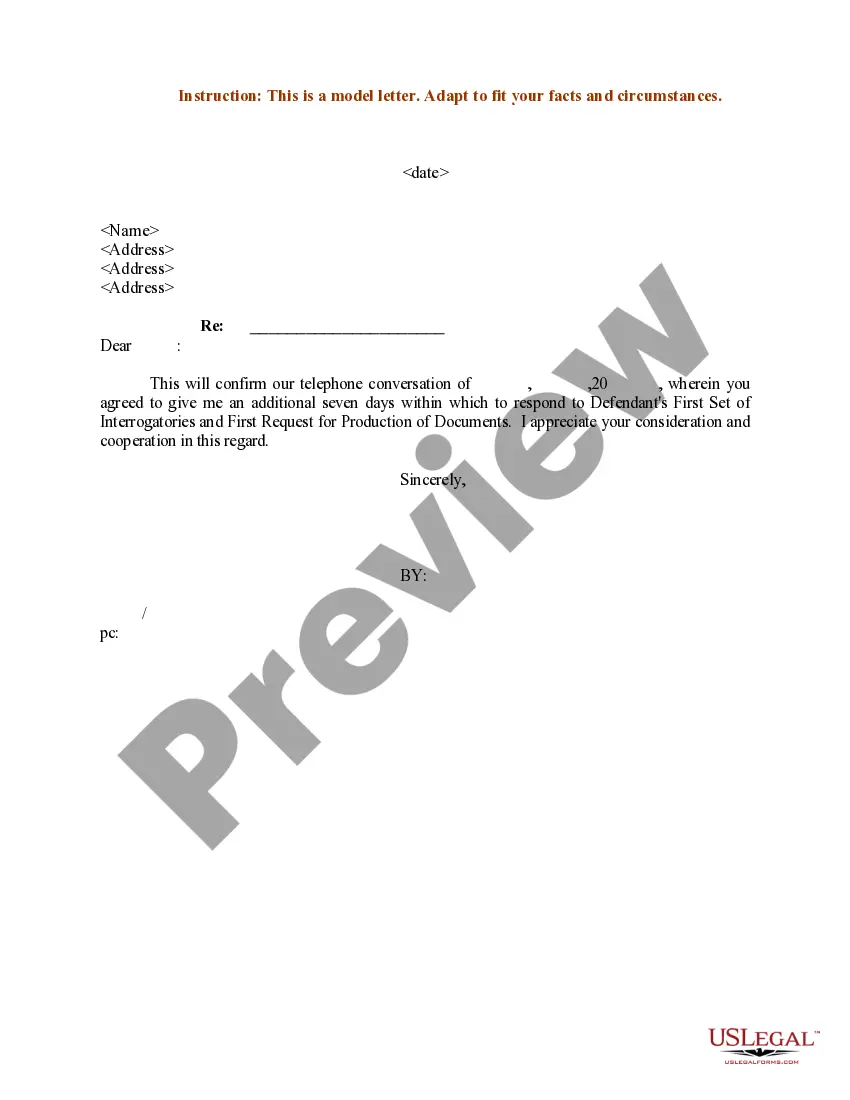
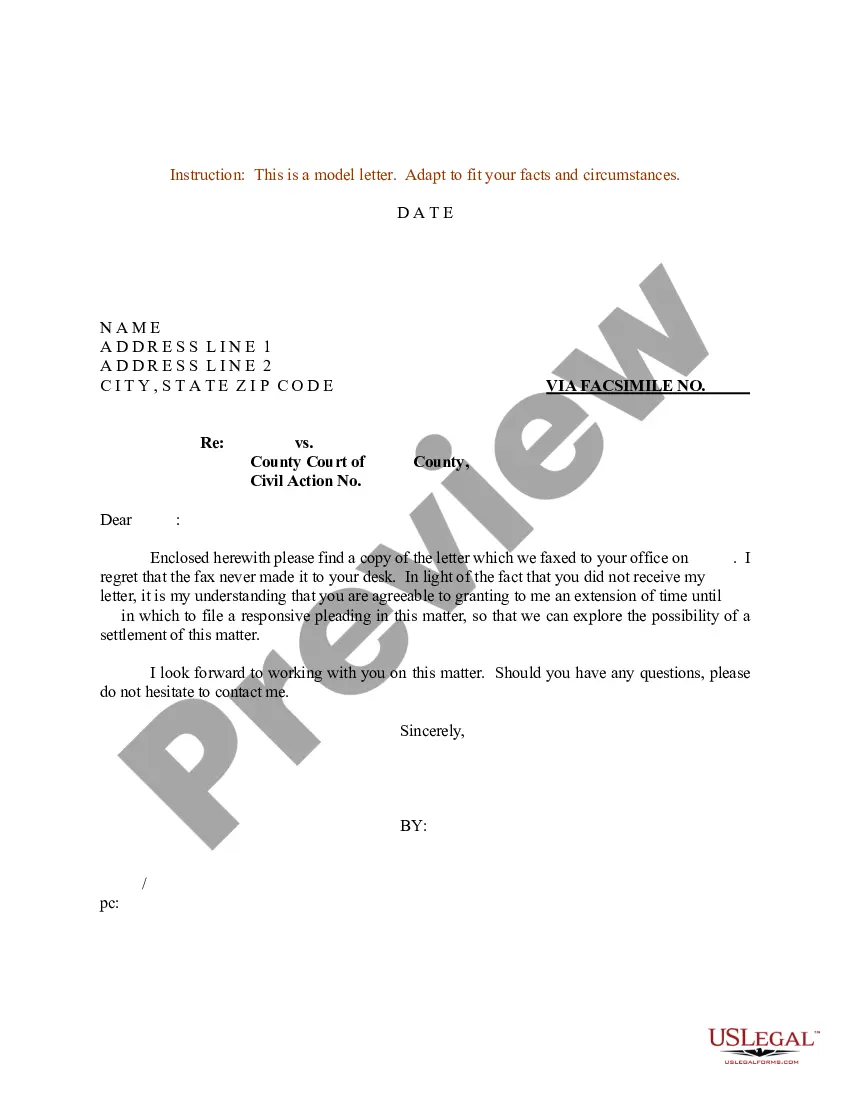


Get your form ready online
Our built-in tools help you complete, sign, share, and store your documents in one place.
Make edits, fill in missing information, and update formatting in US Legal Forms—just like you would in MS Word.
Download a copy, print it, send it by email, or mail it via USPS—whatever works best for your next step.
Sign and collect signatures with our SignNow integration. Send to multiple recipients, set reminders, and more. Go Premium to unlock E-Sign.
If this form requires notarization, complete it online through a secure video call—no need to meet a notary in person or wait for an appointment.
We protect your documents and personal data by following strict security and privacy standards.

Make edits, fill in missing information, and update formatting in US Legal Forms—just like you would in MS Word.

Download a copy, print it, send it by email, or mail it via USPS—whatever works best for your next step.

Sign and collect signatures with our SignNow integration. Send to multiple recipients, set reminders, and more. Go Premium to unlock E-Sign.

If this form requires notarization, complete it online through a secure video call—no need to meet a notary in person or wait for an appointment.

We protect your documents and personal data by following strict security and privacy standards.
Looking for another form?








Form popularity
FAQ
(1) "Pleading" means a petition, complaint, application, objection, answer, response, notice, request for orders, statement of interest, report, or account filed in proceedings under the Family Code.
For example, a legal pleading might involve a complaint from a homeowner that a roofer did not adequately perform a repair, resulting in a leak in the roof and damage to the home. The roofer could then file an answer to the claim, denying culpability.
Pleadings can be categorized as complaints or answers, though both have variations. A party filing a complaint is the complaining party, while the other side is the responding party. Pleadings set forth parties' positions in the action, such as allegations, claims, defenses and denials.
You can either answer the summons in writing or in person. If you answer in person, you must go to the courthouse clerk's office and tell the clerk about your defenses to the plaintiff's claims. The clerk will check off the boxes in a Consumer Credit Transaction Answer In Person form.
In some courts, the pleading is called a petition. Every case starts with someone filing papers with a court. The person starting the case is called the plaintiff or petitioner. The person filing the pleading asks the other side to submit an answer.
Answer. n. in law, a written pleading filed by a defendant to respond to a complaint in a lawsuit filed and served upon that defendant.
Pleading noun (ASKING) A kind of pleading came into her voice. He had became almost pathetic in his pleading. It was as though he had sensed her unspoken pleading. All his pleading was in vain.
There are several types of pleadings in civil litigation. These include complaints, which serve as the basis of the legal action, and answers, which are the responses to the complaints. There may also be counterclaims, crossclaims, and third-party claims, which are also types of pleadings.
Pleadings can be categorized as complaints or answers, though both have variations. A party filing a complaint is the complaining party, while the other side is the responding party. Pleadings set forth parties' positions in the action, such as allegations, claims, defenses and denials.
Where are motions returnable? Motions are returnable to 851 Grand Concourse Bronx, New York 10451 in room 217.

