Pleading Paper For Court In Bronx
Description
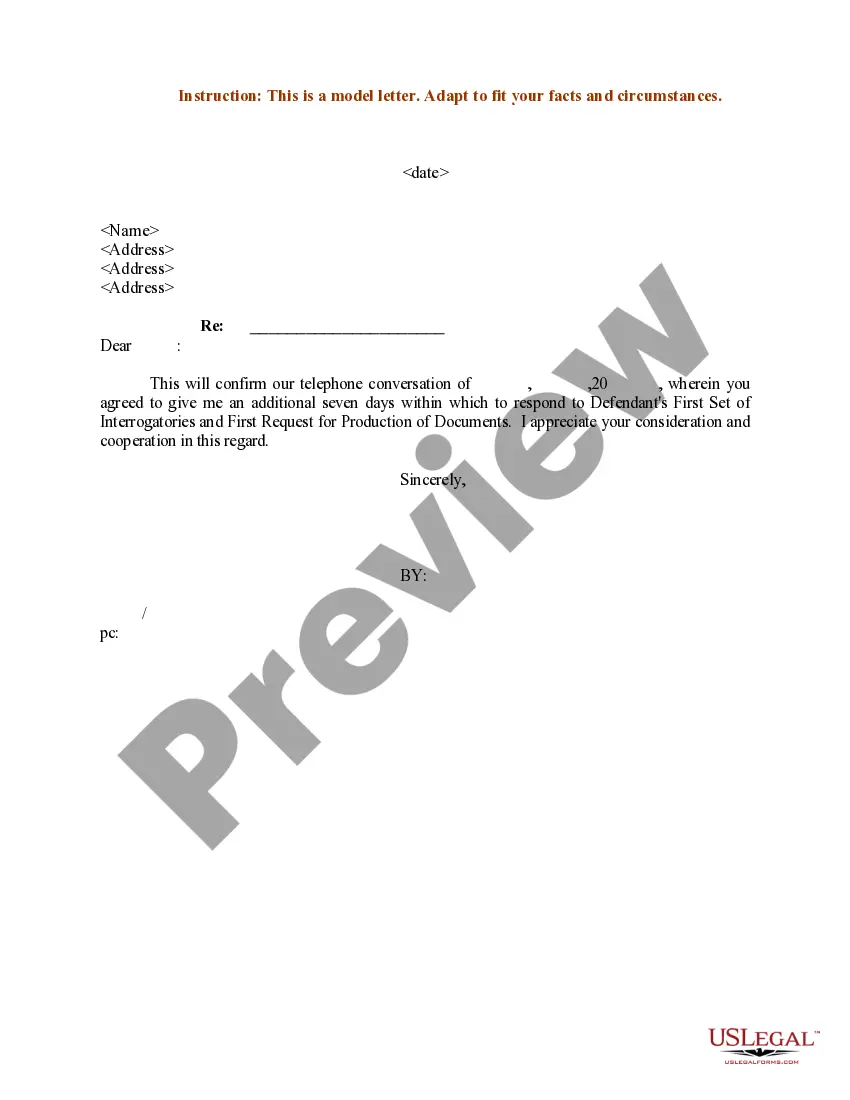
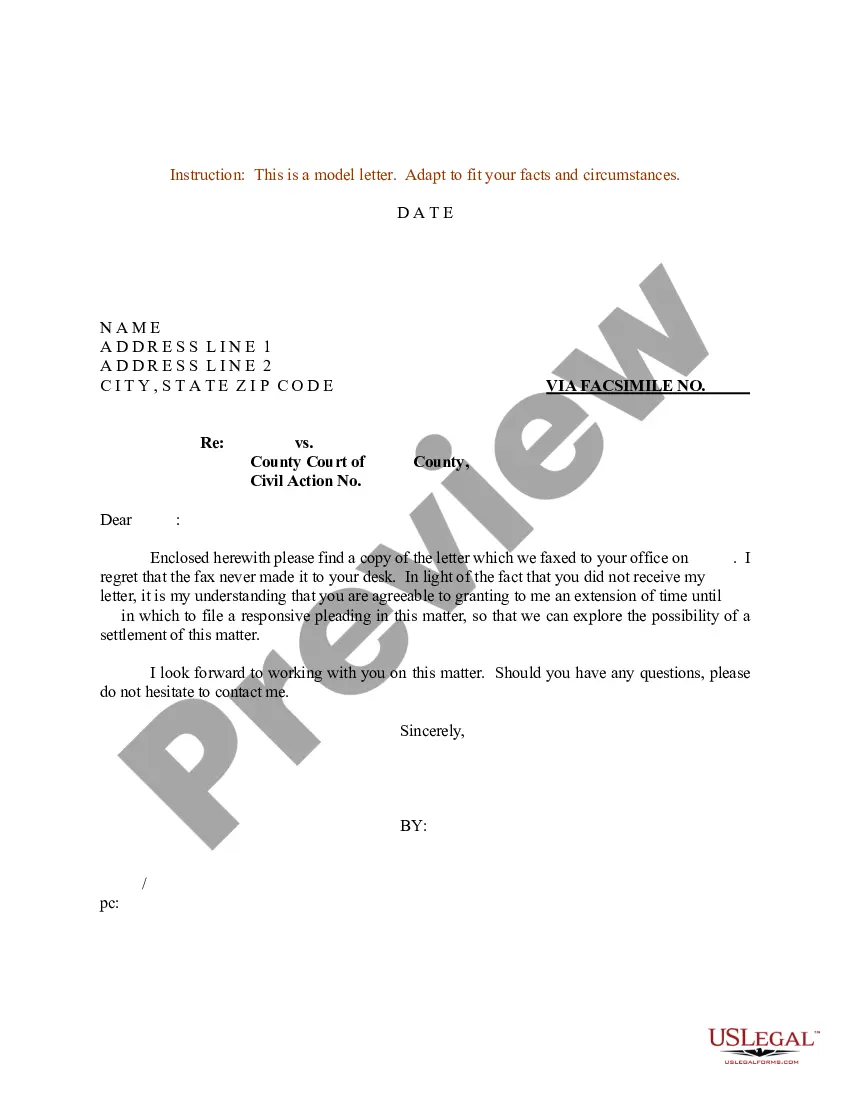
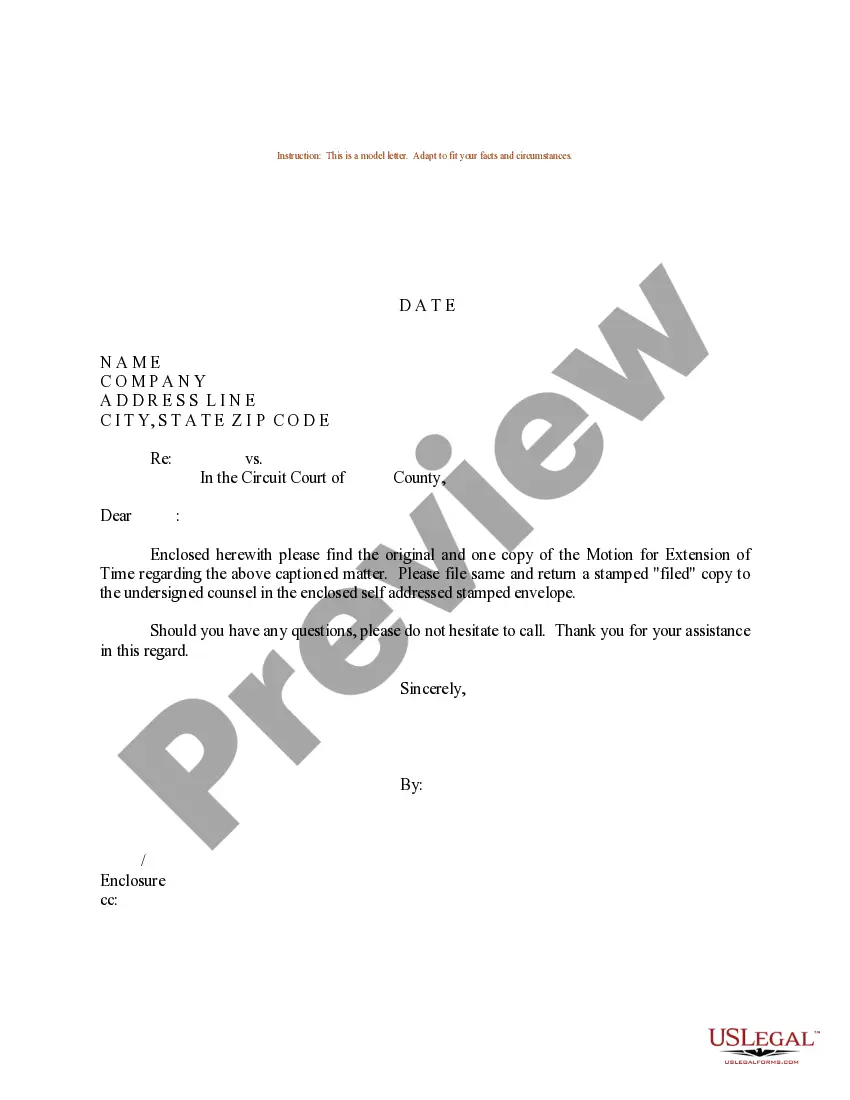
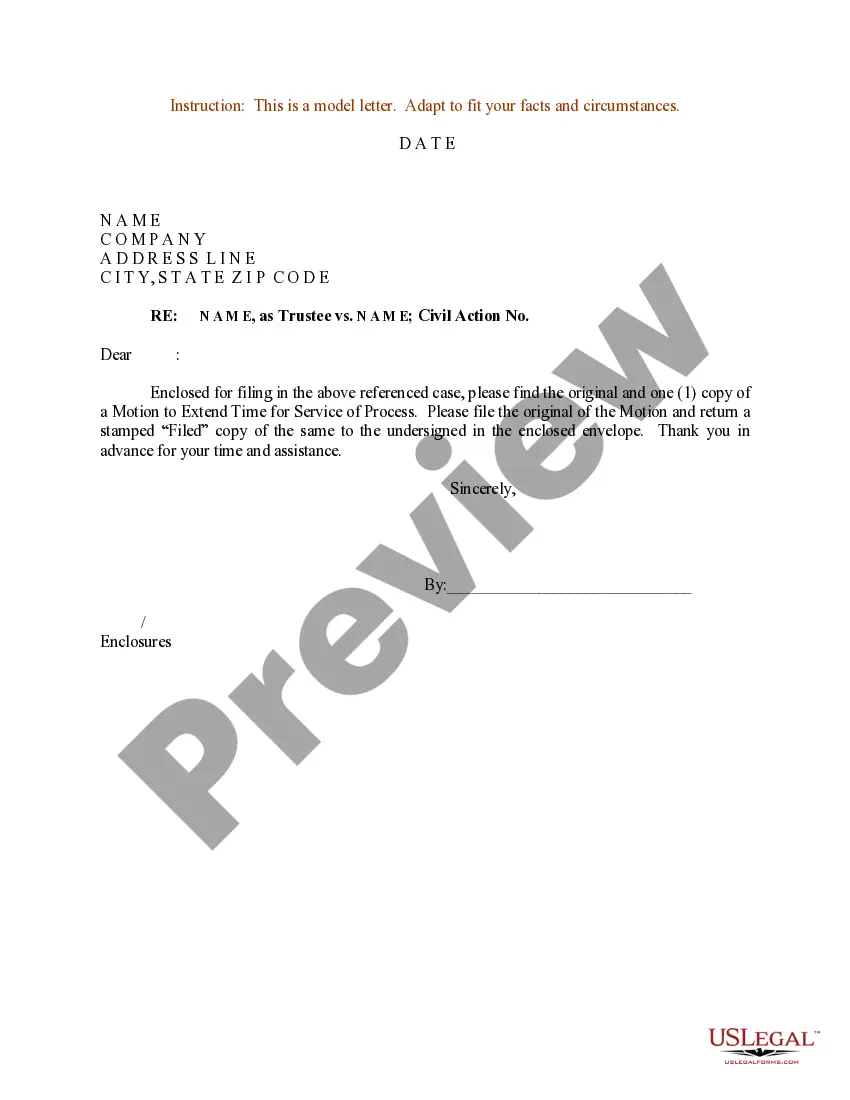
Get your form ready online
Our built-in tools help you complete, sign, share, and store your documents in one place.
Make edits, fill in missing information, and update formatting in US Legal Forms—just like you would in MS Word.
Download a copy, print it, send it by email, or mail it via USPS—whatever works best for your next step.
Sign and collect signatures with our SignNow integration. Send to multiple recipients, set reminders, and more. Go Premium to unlock E-Sign.
If this form requires notarization, complete it online through a secure video call—no need to meet a notary in person or wait for an appointment.
We protect your documents and personal data by following strict security and privacy standards.

Make edits, fill in missing information, and update formatting in US Legal Forms—just like you would in MS Word.

Download a copy, print it, send it by email, or mail it via USPS—whatever works best for your next step.

Sign and collect signatures with our SignNow integration. Send to multiple recipients, set reminders, and more. Go Premium to unlock E-Sign.

If this form requires notarization, complete it online through a secure video call—no need to meet a notary in person or wait for an appointment.

We protect your documents and personal data by following strict security and privacy standards.
Looking for another form?






Form popularity
FAQ
Where are motions returnable? Motions are returnable to 851 Grand Concourse Bronx, New York 10451 in room 217.
The Civil Term, Bronx Supreme Court, handles civil cases over $50,000. The majority of the cases involve medical malpractice, labor laws, motor vehicle cases and other torts (civil cases designed to provide relief to persons who have been harmed due to the wrongful act of others).
Although the Supreme Court may hear an appeal on any question of law provided it has jurisdiction, it usually does not hold trials. Instead, the Court's task is to interpret the meaning of a law, to decide whether a law is relevant to a particular set of facts, or to rule on how a law should be applied.
To file a motion for contempt in New York, certain criteria must be met. There must be an existing order of the court that is clear and unambiguous, and the accused must be proven to have known about this order and willfully disobeyed it.
The Supreme Court has original jurisdiction in proceedings for extraordinary relief in the nature of mandamus, certiorari, and prohibition. The court also has original jurisdiction in habeas corpus proceedings (Cal. Const., art. VI, § 10).
Typically, the Court hears cases that have been decided in either an appropriate U.S. Court of Appeals or the highest Court in a given state (if the state court decided a Constitutional issue). The Supreme Court has its own set of rules. ing to these rules, four of the nine Justices must vote to accept a case.
Its caseload includes the following: Civil matters beyond the monetary limits of the lower courts' jurisdiction; Divorce, separation and annulment proceedings; Equity suits, such as mortgage foreclosures and injunctions.
The Civil Court has monetary jurisdiction up to $50,000.00, including replevin when the value of the chattel does not exceed that amount. It has jurisdiction of real property actions, such as partitions, and foreclosures, within the monetary limit.
In some courts, the pleading is called a petition. Every case starts with someone filing papers with a court. The person starting the case is called the plaintiff or petitioner. The person filing the pleading asks the other side to submit an answer.
The Civil Court has monetary jurisdiction up to $50,000.00, including replevin when the value of the chattel does not exceed that amount. It has jurisdiction of real property actions, such as partitions, and foreclosures, within the monetary limit.

