Letter To Donor For Donation In Virginia
Description




Get your form ready online
Our built-in tools help you complete, sign, share, and store your documents in one place.
Make edits, fill in missing information, and update formatting in US Legal Forms—just like you would in MS Word.
Download a copy, print it, send it by email, or mail it via USPS—whatever works best for your next step.
Sign and collect signatures with our SignNow integration. Send to multiple recipients, set reminders, and more. Go Premium to unlock E-Sign.
If this form requires notarization, complete it online through a secure video call—no need to meet a notary in person or wait for an appointment.
We protect your documents and personal data by following strict security and privacy standards.

Make edits, fill in missing information, and update formatting in US Legal Forms—just like you would in MS Word.

Download a copy, print it, send it by email, or mail it via USPS—whatever works best for your next step.

Sign and collect signatures with our SignNow integration. Send to multiple recipients, set reminders, and more. Go Premium to unlock E-Sign.

If this form requires notarization, complete it online through a secure video call—no need to meet a notary in person or wait for an appointment.

We protect your documents and personal data by following strict security and privacy standards.
Looking for another form?

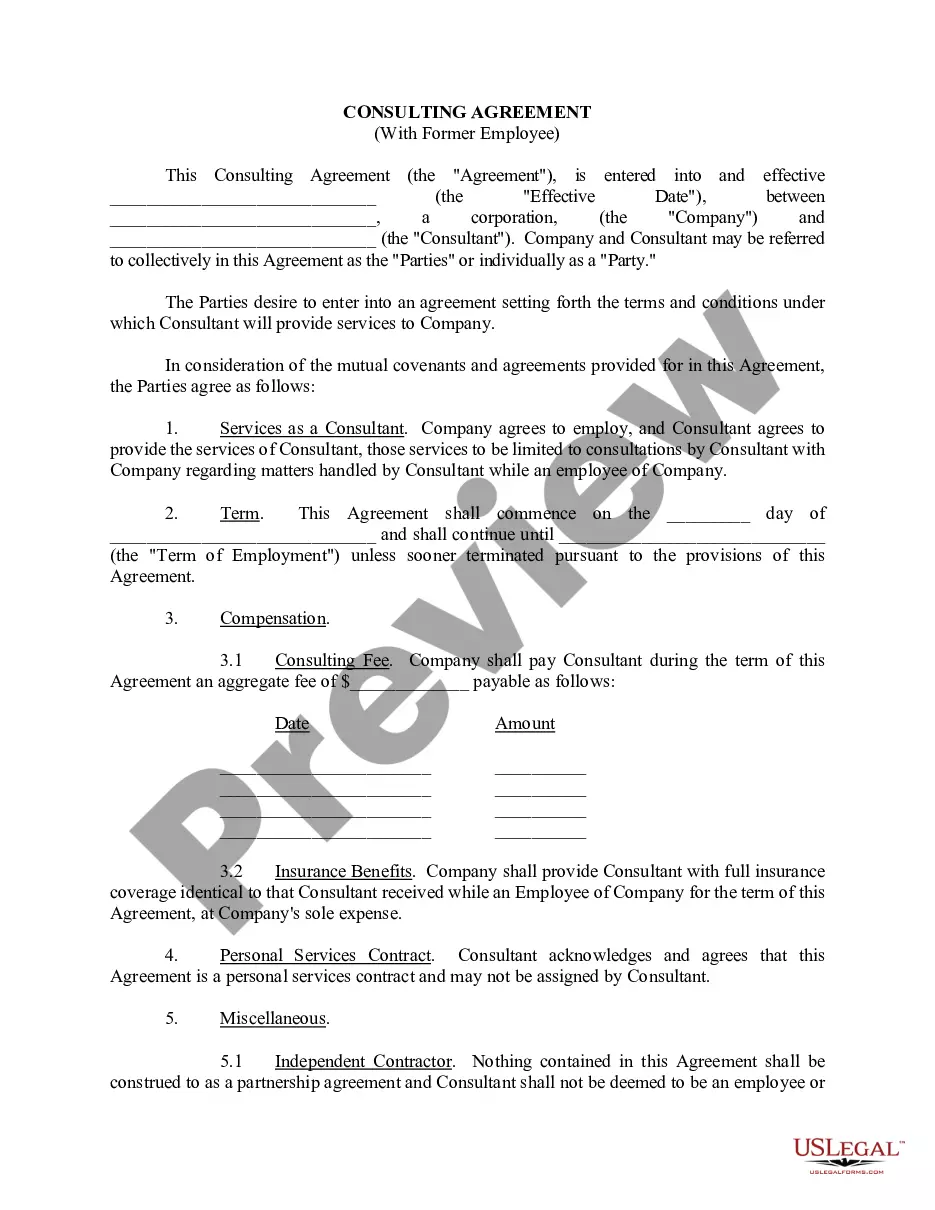
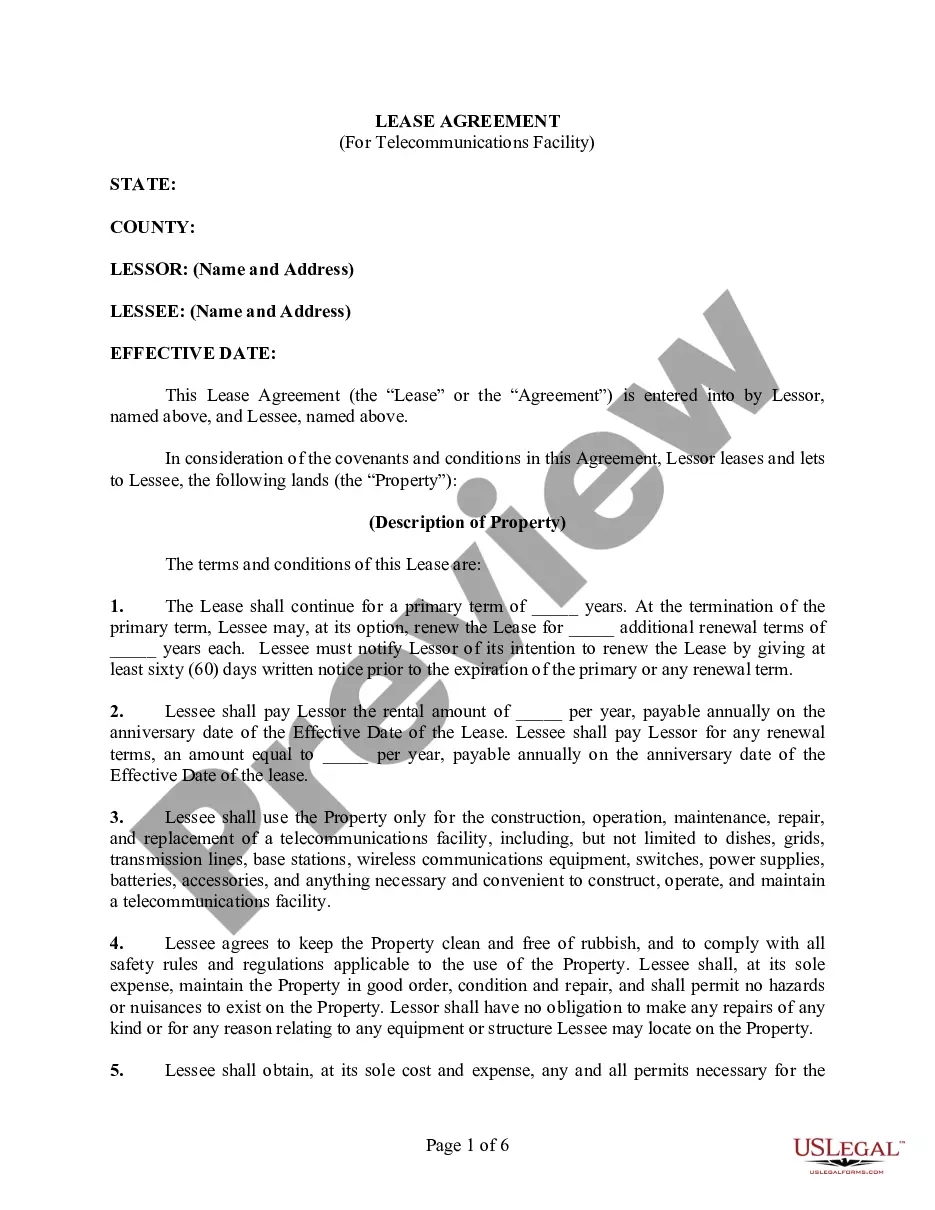
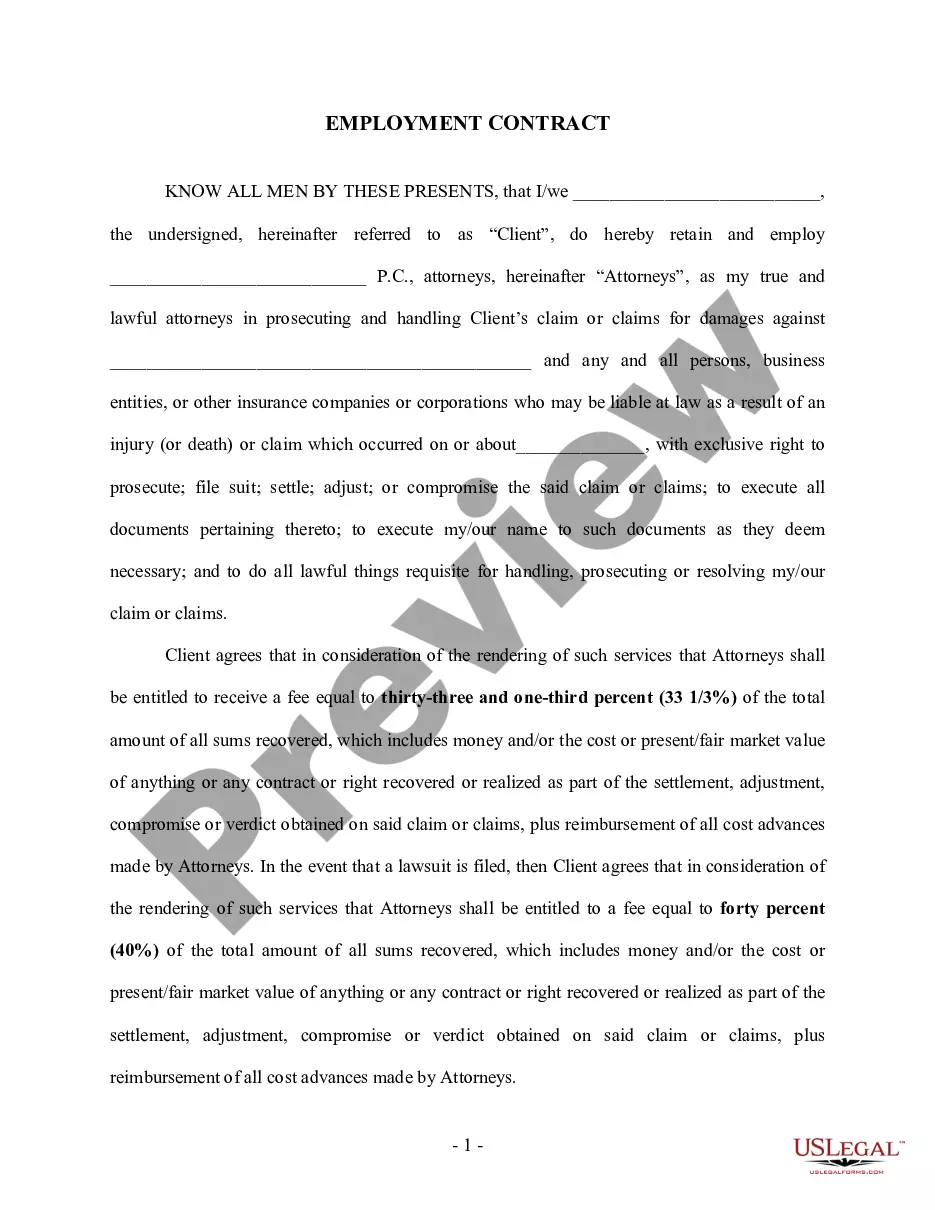
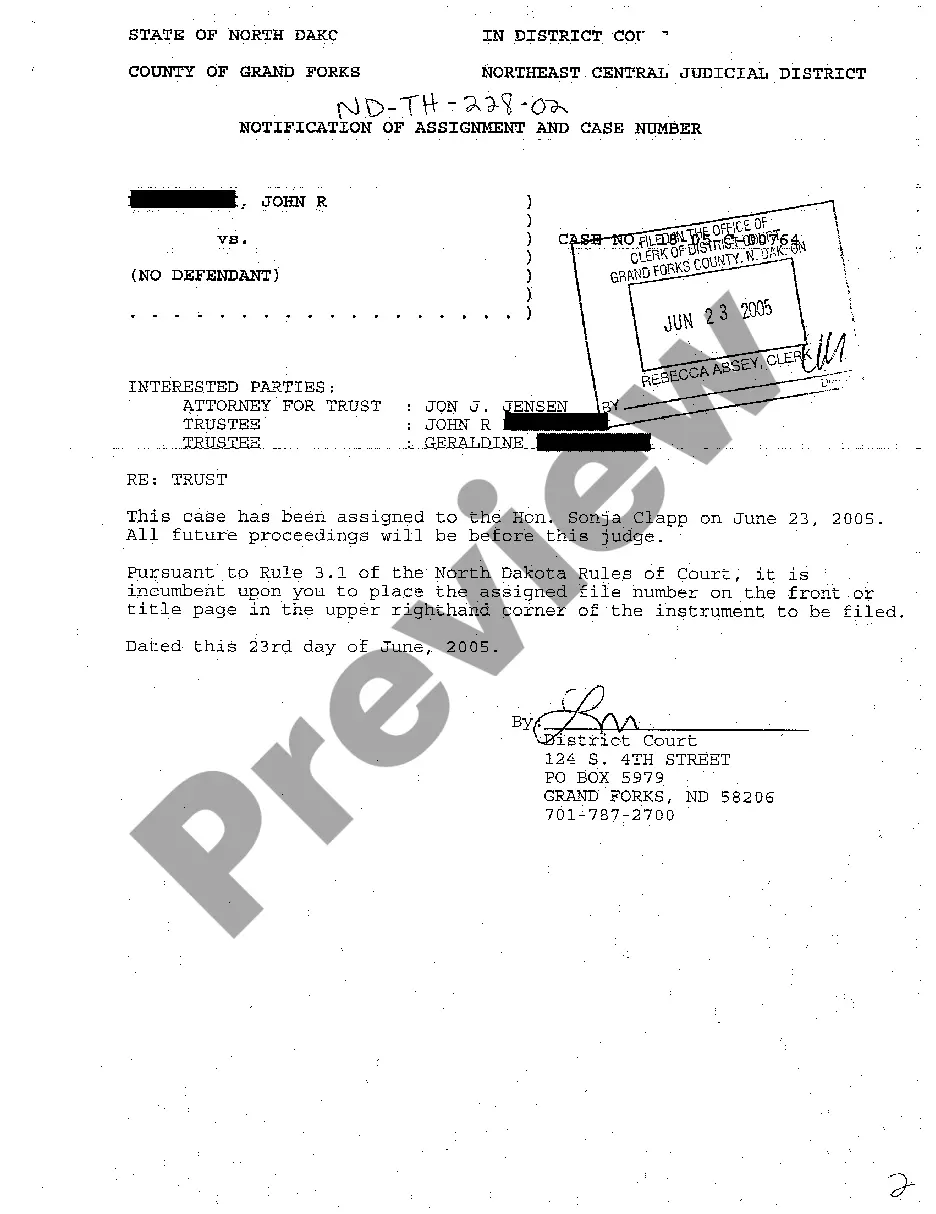
Form popularity
FAQ
To set your appeal up for success, follow these essential steps: Address the donor by their preferred name. Incorporate storytelling. Add compelling visuals. Emphasize the impact of donations. Include a call to action.
Donor Salutation: Address your donor by their preferred name. Decide whether you prefer a formal salutation such as “Dear Mr. and Mrs. Richard Smith,” or a more informal one like “Hi Rick.”
6 top tips for writing donor emails Focus on one topic. Craft an attention-grabbing subject line. Personalize every message. Keep the email copy concise. Include a call to action. Improve your strategy based on metrics.
Never, Ever Surprise Your Prospect Make it clear in your first call or contact that you're interested in talking to the potential donor about your cause and how he or she might be able to get involved. Make it clear that, while you're interested in them as a person, there's a deeper purpose for your visit.
Here are a few simple rules to follow: Address each potential sponsor by name. Add details from their LinkedIn profile, social media, or company announcements. Highlight the event's mission or “big why” reason for being. Share a few words on the impact your event has had on your community.
Sample Food Donation Request Letter Subject: Help feed our community with organization's name! Dear donor's name, We are organization's name and we work hard to provide awareness and support to organization's cause. Describe emotional story about how your organization started working towards this cause.
Dear Donor Name, Today, I'm writing to ask you to support cause. By donating just amount, you can specific impact. To donate, specific action. Thank you for joining cause's efforts during this adjective time—It's supporters like you that help us change the world every day.
How to write a donor letter Write a formal salutation. Customizing your letter can make the donor feel valued and appreciated. Describe the purpose of the non-profit. Include a call to action. Finish with a message of gratitude.
How to Write a Letter of Intent to Donate Step 1 – Provide Your Contact Information. Step 2 – State the Effective Date. Step 3 – Identify the Donor and Recipient. Step 4 – Describe the Donation. Step 5 – Outline Donation Conditions. Step 6 – Set an Acceptance Deadline. Step 7 – Discuss Recognition.
Dear donor's name, My name is name and I am position with nonprofit's name. We have recently received your generous donation of donation amount and wanted to personally thank you. You are truly making a difference and nonprofit name values your support tremendously.

