Sample Gift Acknowledgement Letters For Nonprofits In San Diego
Description



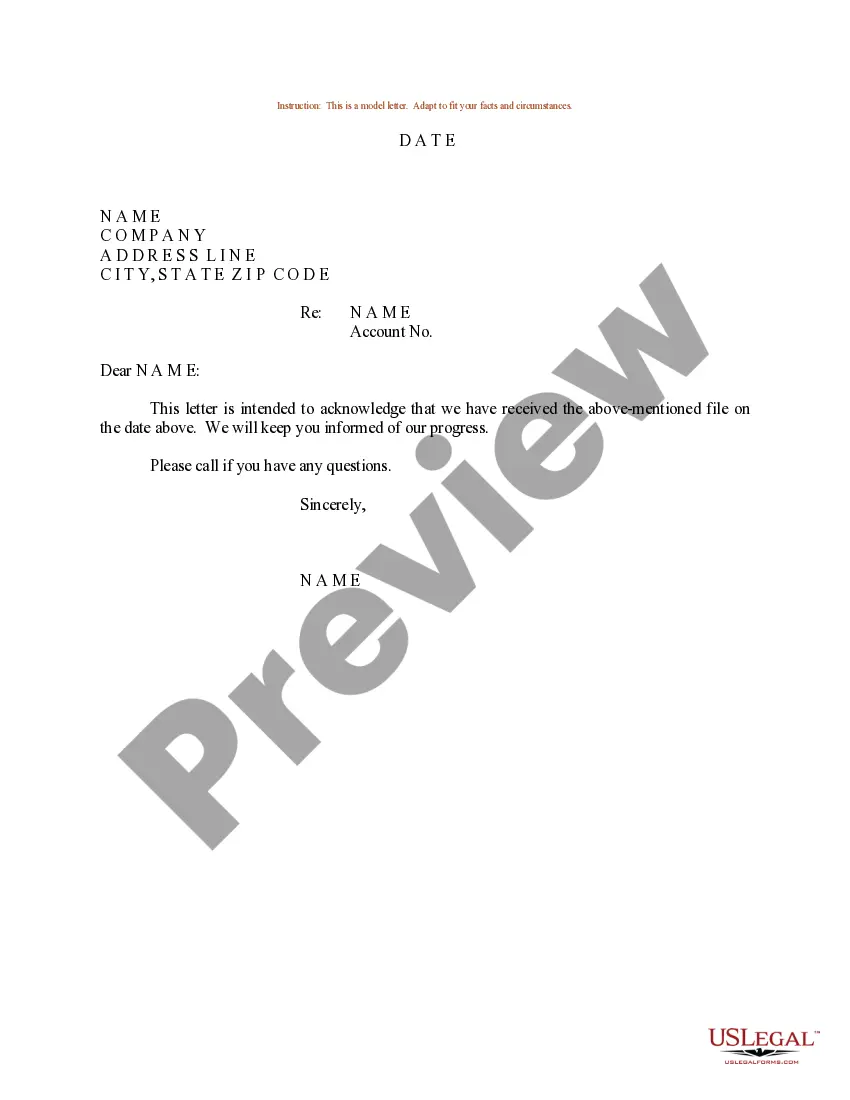
Get your form ready online
Our built-in tools help you complete, sign, share, and store your documents in one place.
Make edits, fill in missing information, and update formatting in US Legal Forms—just like you would in MS Word.
Download a copy, print it, send it by email, or mail it via USPS—whatever works best for your next step.
Sign and collect signatures with our SignNow integration. Send to multiple recipients, set reminders, and more. Go Premium to unlock E-Sign.
If this form requires notarization, complete it online through a secure video call—no need to meet a notary in person or wait for an appointment.
We protect your documents and personal data by following strict security and privacy standards.

Make edits, fill in missing information, and update formatting in US Legal Forms—just like you would in MS Word.

Download a copy, print it, send it by email, or mail it via USPS—whatever works best for your next step.

Sign and collect signatures with our SignNow integration. Send to multiple recipients, set reminders, and more. Go Premium to unlock E-Sign.

If this form requires notarization, complete it online through a secure video call—no need to meet a notary in person or wait for an appointment.

We protect your documents and personal data by following strict security and privacy standards.
Looking for another form?



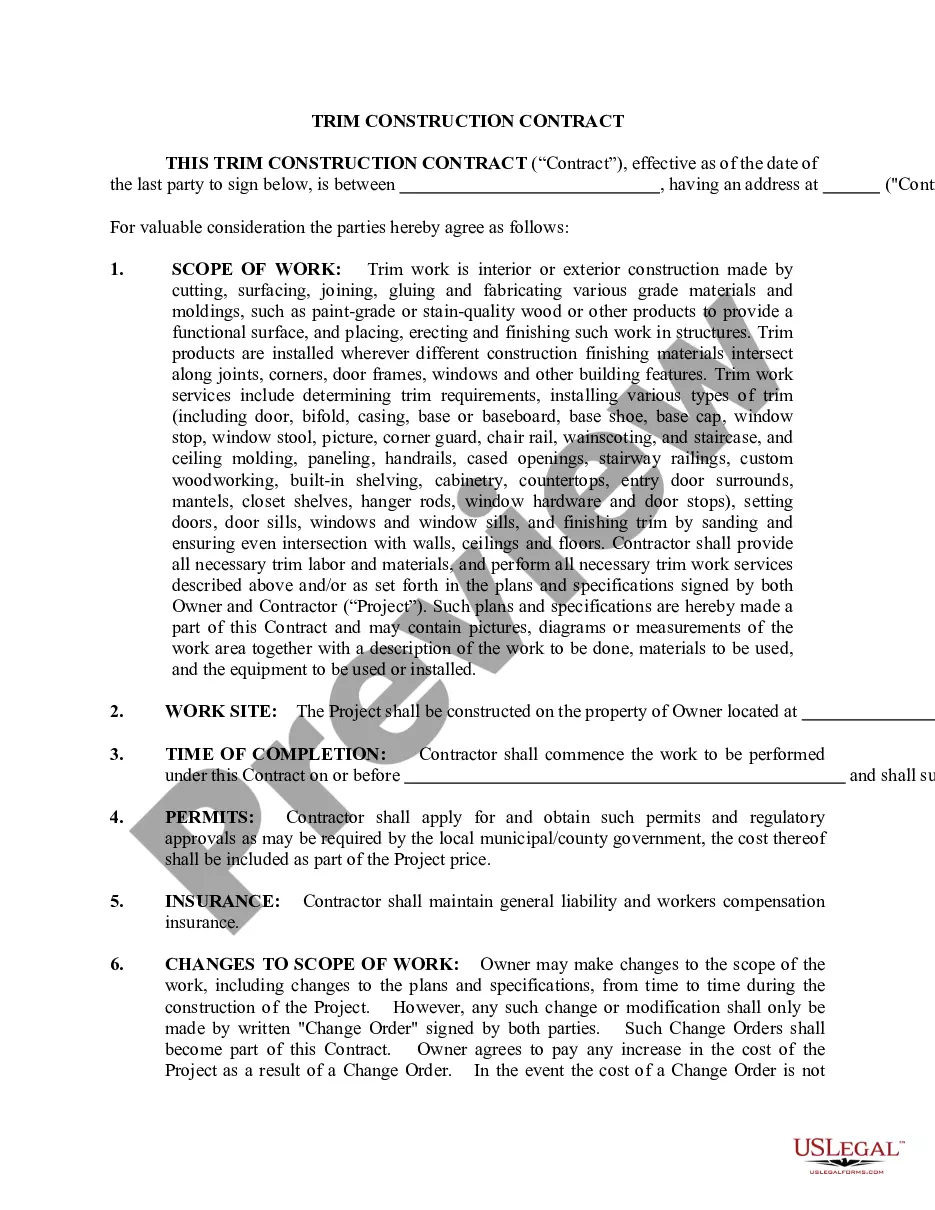




Form popularity
FAQ
While we recommend sending donation acknowledgment letters to all of your donors, you are legally obligated to send documentation to donors who have given a gift of $250 or more. The IRS requires nonprofit organizations to provide a formal acknowledgment letter to these donors for tax purposes.
While we recommend sending donation acknowledgment letters to all of your donors, you are legally obligated to send documentation to donors who have given a gift of $250 or more.
Thank-you letters should always be written in a personal, down-to-earth voice. You want to show your appreciation for the effort your donor has made and show how far their donation has gone. You should always address the donor by name, and focus on how they've helped your organization.
Quid pro quo contributions A charitable organization must provide a written disclosure statement to any donor of a quid pro quo contribution over $75.
Technically, donors don't need the substantiation until sometime before they file their personal tax returns for the year the gift was made. There are other ways to acknowledge a gift in addition to a written gift acknowledgment that is sent to the donor, whether via email or regular mail.
Outline the information that needs to be included in the letter Start with a professional greeting. Identify the person the letter is acknowledging. Describe the action that is being acknowledged. Express gratitude for the action taken. Include any relevant details. Close with a professional sign-off. Add contact information.
Once a donation of stock has been received, a thank you letter should be sent to the donor. This letter should acknowledge the gift of stock, such as the name and number of shares. It should not list the value of the stock received since the organization is not in the business of valuing stock.
Providing Receipts As soon as the donation is in your brokerage account, send the donor a nonprofit stock acknowledgment letter that includes a tax receipt for it.
To process stock donations, a nonprofit would have to work with each donor individually to send the donation form, track and record the gift, send an acknowledgment letter, ensure paperwork was correct, liquidate and reinvest funds, and avoid forgery and fraud—all by hand!
If a charity receives a gift of publicly traded stock, the charity should send the donor an acknowledgement letter that describes the stock (i.e., “Thank you for your donation of 100 shares of XYZ Corporation”) but does not place a monetary value on the shares.

