Gift Letter Form Withdrawal In North Carolina
Description



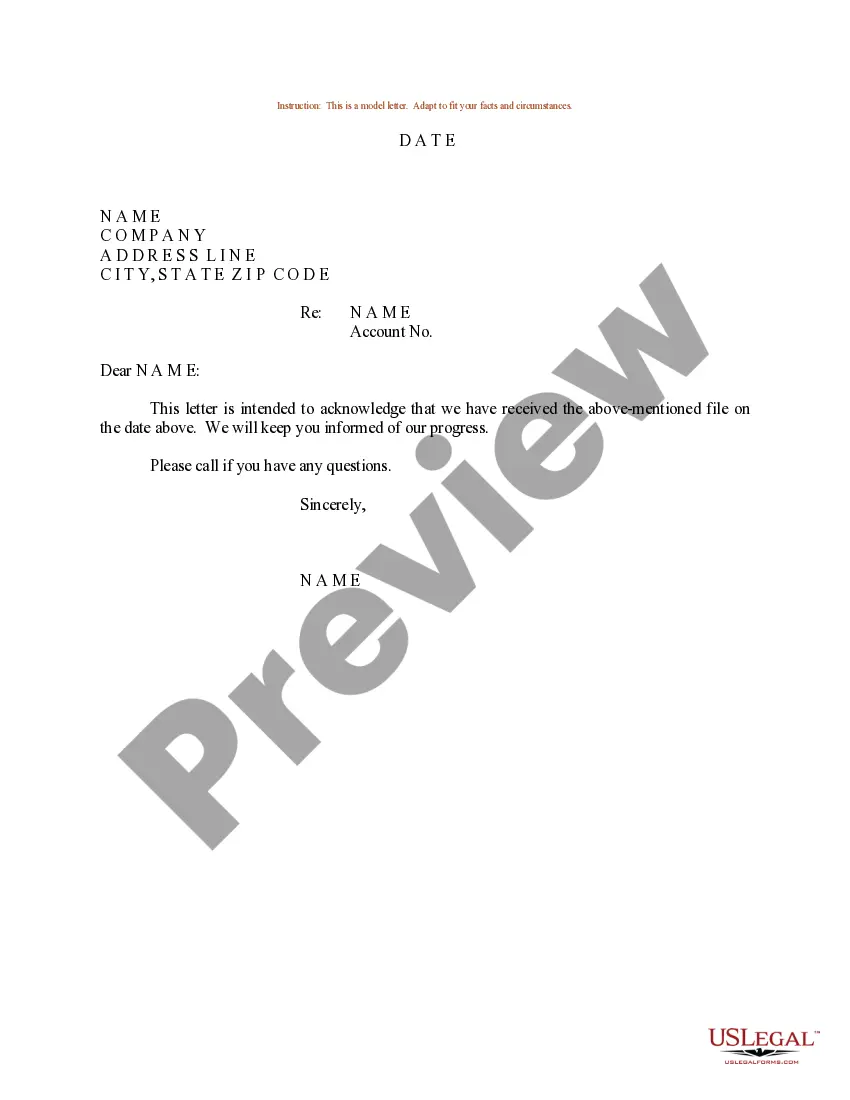
Get your form ready online
Our built-in tools help you complete, sign, share, and store your documents in one place.
Make edits, fill in missing information, and update formatting in US Legal Forms—just like you would in MS Word.
Download a copy, print it, send it by email, or mail it via USPS—whatever works best for your next step.
Sign and collect signatures with our SignNow integration. Send to multiple recipients, set reminders, and more. Go Premium to unlock E-Sign.
If this form requires notarization, complete it online through a secure video call—no need to meet a notary in person or wait for an appointment.
We protect your documents and personal data by following strict security and privacy standards.

Make edits, fill in missing information, and update formatting in US Legal Forms—just like you would in MS Word.

Download a copy, print it, send it by email, or mail it via USPS—whatever works best for your next step.

Sign and collect signatures with our SignNow integration. Send to multiple recipients, set reminders, and more. Go Premium to unlock E-Sign.

If this form requires notarization, complete it online through a secure video call—no need to meet a notary in person or wait for an appointment.

We protect your documents and personal data by following strict security and privacy standards.
Looking for another form?









Form popularity
FAQ
No need for a witness You don't need to appear in court and prove yourself when your gift letter is notarized. Under the law, your notarized document is considered a self-authenticating document. This means you can submit it as evidence in a trial without any other argument or additional proof.
A gift, if valid, is a legally enforceable transfer under general contract law. That means, if a gift meets all of the legal elements of a valid gift, then the gift is enforceable and cannot generally be rescinded and revoked.
The best way to prove that a transfer of property qualifies as a gift is with evidence of the intent of the donor. The donor must intend to make a permanent transfer without any expectation of receiving something in return.
A letter from your parents and a copy of the bank statement may be enough. However, if your parents give more than that in a single year, they will be required to file a gift tax return on Form 709, assuming they are American citizens.
North Carolina transfer tax exemptions There are circumstances where there is no transfer tax needed. Some of these are deeds of gift, foreclosure deeds, deeds from local, state, or federal government, and certain leases with a term of fewer than 10 years.
To gift someone a vehicle, you must transfer the vehicle title to their name and create a bill of sale. Selling a vehicle for $1 instead of gifting it could result in your recipient paying sales tax based on the car's fair market value — it's better to stick with the official gifting process.
Gradually making smaller gifts: Each year, taxpayers can gift up to what is called the “annual exclusion amount” (in 2025, $19,000 per donor per recipient; $38,000 for married couples) without incurring the gift tax.
As with any conveyance of real estate, a gift deed requires a complete legal description of the parcel. Recite the source of title to establish a clear chain of title, and detail any restrictions associated with the property. Record the completed deed at the local County Recorder's office.
How Do I Write a Gift Letter? The donor's name, address and phone number. The donor's relationship to the client. The dollar amount of the gift. The date when the funds were (or will be) transferred. A statement from the donor that no repayment is expected. The donor's signature.
Documentation Requirements The gift letter must: specify the actual or the maximum dollar amount of the gift; include the donor's statement that no repayment is expected; and. indicate the donor's name, address, telephone number, and relationship to the borrower.

