Gift Letter Template For Boat In Michigan
Description



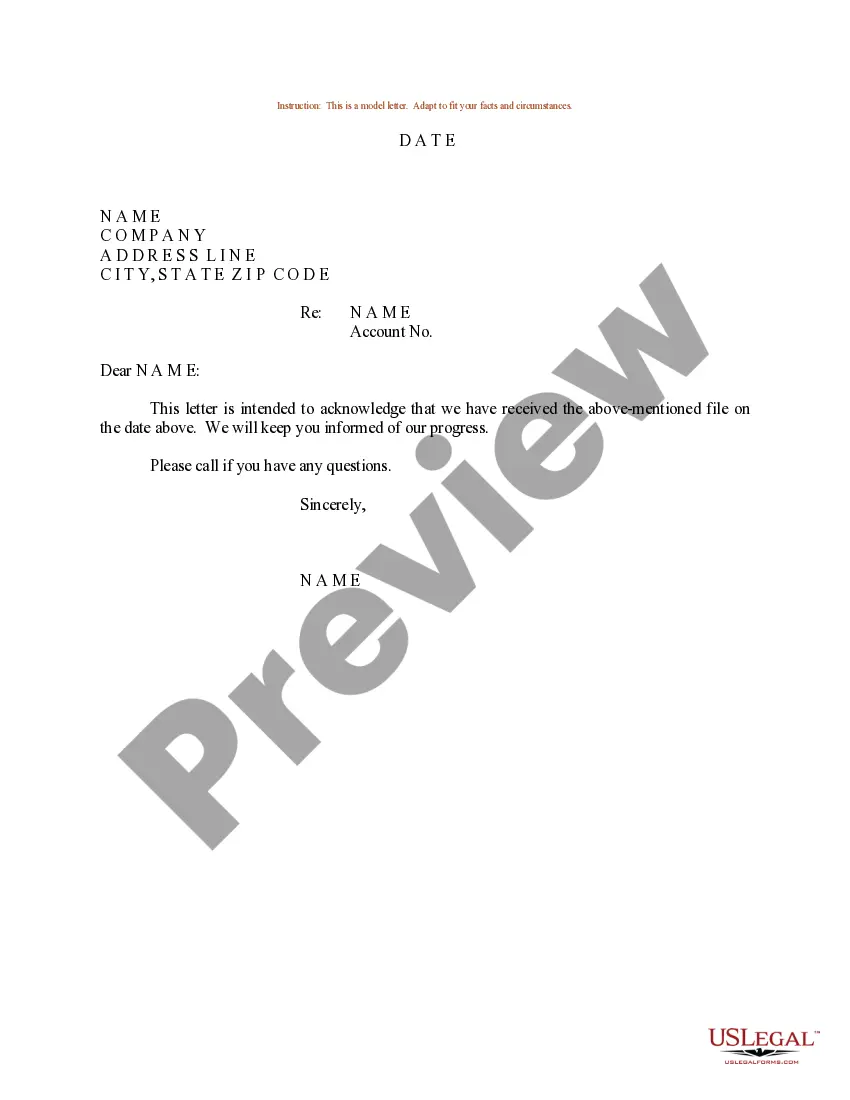
Get your form ready online
Our built-in tools help you complete, sign, share, and store your documents in one place.
Make edits, fill in missing information, and update formatting in US Legal Forms—just like you would in MS Word.
Download a copy, print it, send it by email, or mail it via USPS—whatever works best for your next step.
Sign and collect signatures with our SignNow integration. Send to multiple recipients, set reminders, and more. Go Premium to unlock E-Sign.
If this form requires notarization, complete it online through a secure video call—no need to meet a notary in person or wait for an appointment.
We protect your documents and personal data by following strict security and privacy standards.

Make edits, fill in missing information, and update formatting in US Legal Forms—just like you would in MS Word.

Download a copy, print it, send it by email, or mail it via USPS—whatever works best for your next step.

Sign and collect signatures with our SignNow integration. Send to multiple recipients, set reminders, and more. Go Premium to unlock E-Sign.

If this form requires notarization, complete it online through a secure video call—no need to meet a notary in person or wait for an appointment.

We protect your documents and personal data by following strict security and privacy standards.
Looking for another form?








Form popularity
FAQ
Most mortgage providers will have a template that you can follow, but in general, your gift letter should include: The donor's name, address and phone number. The donor's relationship to the client. The dollar amount of the gift. The date when the funds were (or will be) transferred.
They are legally binding — While giving a family member a financial gift may not feel like a big deal to some people, gift letters are not only a formality. They are a legally binding document that both parties must sign.
How Do I Write a Gift Letter? The donor's name, address and phone number. The donor's relationship to the client. The dollar amount of the gift. The date when the funds were (or will be) transferred. A statement from the donor that no repayment is expected. The donor's signature.
106 of the Michigan Compiled Laws, may apply for a certificate of title. (2) The application shall be accompanied by all of the following: (a) A certified statement setting forth the relationship of the applicant to the decedent and the fact of heirship. (b) A Copy of the decedent's death certificate.
Gather Necessary Documents: The car's title: The current owner (you) needs to sign and transfer the title to the recipient. A bill of sale: Some states may require a bill of sale, even for a gift. Odometer disclosure statement: Record the mileage on the title or a separate form, if required.
You can give a car you fully own to anyone by signing over the title. If it is a gift you may owe taxes on the value of the car if the value exceeds the gift threshold available to you, but that won't stop you from giving it to someone.
To gift someone a vehicle, you must transfer the vehicle title to their name and create a bill of sale. Selling a vehicle for $1 instead of gifting it could result in your recipient paying sales tax based on the car's fair market value — it's better to stick with the official gifting process.
After filling out the bill of sale, it's essential to properly complete and sign the car's title. The recipient can then take the title to the Department of Motor Vehicles (DMV) to complete the transfer into their name.

