Donation Receipt Example In Hillsborough
Description



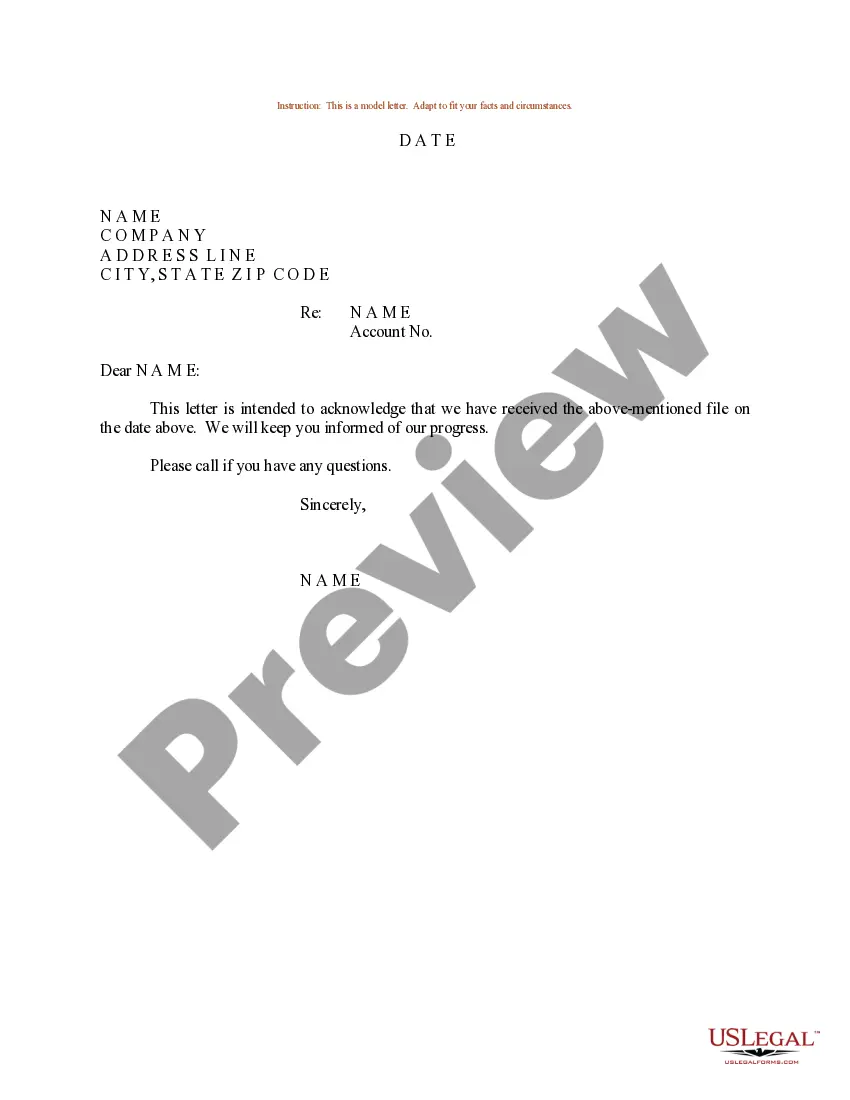
Get your form ready online
Our built-in tools help you complete, sign, share, and store your documents in one place.
Make edits, fill in missing information, and update formatting in US Legal Forms—just like you would in MS Word.
Download a copy, print it, send it by email, or mail it via USPS—whatever works best for your next step.
Sign and collect signatures with our SignNow integration. Send to multiple recipients, set reminders, and more. Go Premium to unlock E-Sign.
If this form requires notarization, complete it online through a secure video call—no need to meet a notary in person or wait for an appointment.
We protect your documents and personal data by following strict security and privacy standards.

Make edits, fill in missing information, and update formatting in US Legal Forms—just like you would in MS Word.

Download a copy, print it, send it by email, or mail it via USPS—whatever works best for your next step.

Sign and collect signatures with our SignNow integration. Send to multiple recipients, set reminders, and more. Go Premium to unlock E-Sign.

If this form requires notarization, complete it online through a secure video call—no need to meet a notary in person or wait for an appointment.

We protect your documents and personal data by following strict security and privacy standards.
Looking for another form?
Form popularity
FAQ
However, you should be able to provide a bank record (bank statement, credit card statement, canceled check or a payroll deduction record) to claim the tax deduction. Written records, like check registers or personal notations, from the donor aren't enough proof. The records should show the: Organization's name.
In that case, all you need to provide in the donation receipt is the name and EIN of the organization, date of donation, and a description of the donated item. You should also add a note stating that the valuation of the item is the donor's income tax responsibility.
Getting a receipt every time you donate strengthens your tax records if you are audited. If you make a large donation and don't have (or can't find) the receipt, the donation will almost certainly be disallowed on audit. For this reason, it's best to set up a record-keeping system at the start of each year.
Each letter should include the following information: The donor's name. The full legal name of your organization. A declaration of your organization's tax-exempt status. Your organization's employer identification number. The date the gift was received. A description of the gift and the amount received.
Technically, if you do not have these records, the IRS can disallow your deduction. Practically, IRS auditors may allow some reconstruction of these expenses if it seems reasonable.
Proof can be provided in the form of an official receipt or invoice from the receiving qualified charitable organization, but it can also be provided via credit card statements or other financial records detailing the donation.
How to provide an in-kind donation receipt? In the case of in-kind donations exceeding $250, donors need to determine the deductibility of the items themselves. In that case, all you need to provide in the donation receipt is the name and EIN of the organization, date of donation, and a description of the donated item.
Each donor receipt should include the name of the donor as well. Many donor receipts also include the charity's address and EIN, although not required. The donor, however, should have records of the charity's address. Donor receipts should include the date of the contribution.
What records must a tax-exempt organization keep? An exempt organization must keep books and records needed to show that it complies with the tax rules. The organization must be able to document the sources of receipts and expenditures reported on its annual return and on any tax returns it must file.
