Sample Nonprofit Gift Acknowledgement Letter With No Experience In Harris
Description



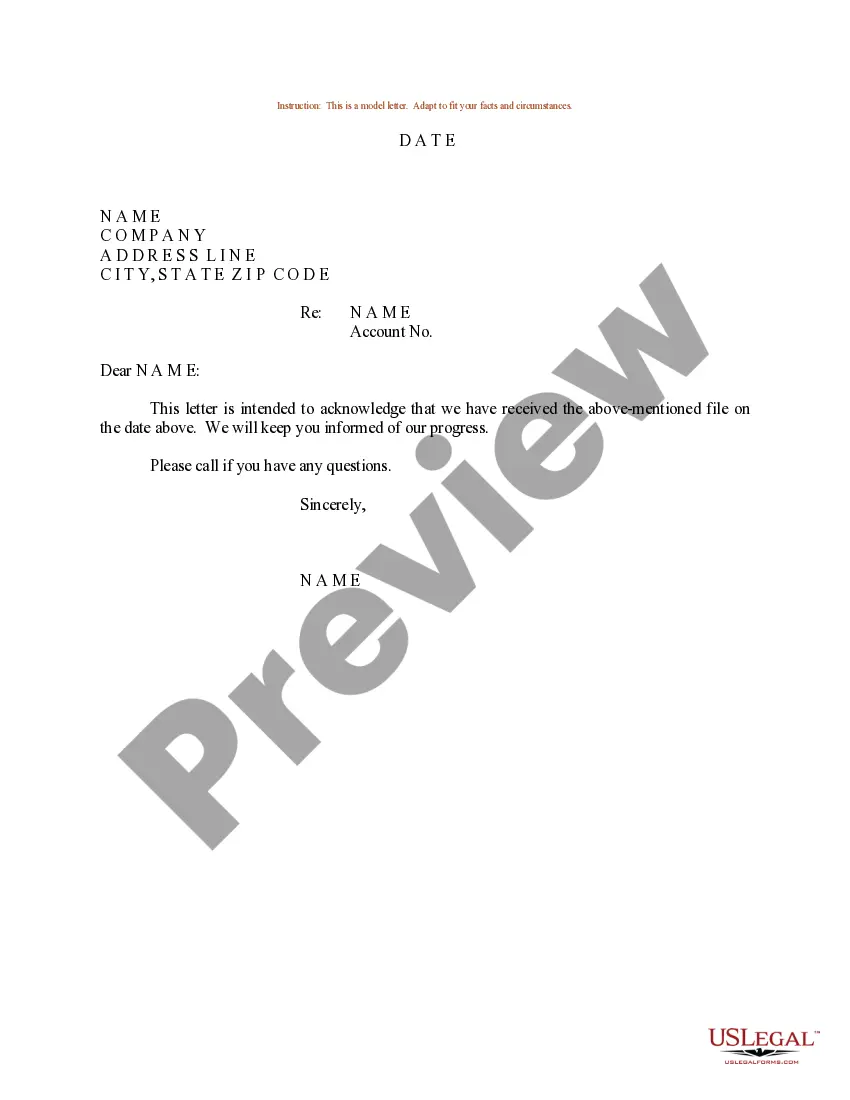
Get your form ready online
Our built-in tools help you complete, sign, share, and store your documents in one place.
Make edits, fill in missing information, and update formatting in US Legal Forms—just like you would in MS Word.
Download a copy, print it, send it by email, or mail it via USPS—whatever works best for your next step.
Sign and collect signatures with our SignNow integration. Send to multiple recipients, set reminders, and more. Go Premium to unlock E-Sign.
If this form requires notarization, complete it online through a secure video call—no need to meet a notary in person or wait for an appointment.
We protect your documents and personal data by following strict security and privacy standards.

Make edits, fill in missing information, and update formatting in US Legal Forms—just like you would in MS Word.

Download a copy, print it, send it by email, or mail it via USPS—whatever works best for your next step.

Sign and collect signatures with our SignNow integration. Send to multiple recipients, set reminders, and more. Go Premium to unlock E-Sign.

If this form requires notarization, complete it online through a secure video call—no need to meet a notary in person or wait for an appointment.

We protect your documents and personal data by following strict security and privacy standards.
Looking for another form?








Form popularity
FAQ
An acknowledgment letter or section typically includes the following: Title and date: Clearly state the purpose of the acknowledgment and the date. Recipient details: Addressing the relevant person or organization. Opening statement: Politely acknowledging receipt.
The following is an example of a written acknowledgment where a charity accepts contributions in the name of one of its activities: "Thank you for your contribution of $250 to (Organization) made in the name of its Kids & Families program. No goods or services were provided in exchange for your donation."
The format is roughly as follows: Dear (So-and-So), Thank you very much for the (name gift). It was just what I needed, as I (explain how you'll use the gift). The point is to express your appreciation for the thoughtfulness of the gift. Thoughtfulness means the gift-giver has chosen something espe...
What do you need to include in your donation acknowledgment letter? The donor's name. The full legal name of your organization. A declaration of your organization's tax-exempt status. Your organization's employer identification number. The date the gift was received. A description of the gift and the amount received.
An acknowledgment letter or section typically includes the following: Title and date: Clearly state the purpose of the acknowledgment and the date. Recipient details: Addressing the relevant person or organization. Opening statement: Politely acknowledging receipt.
Thank-you letters should always be written in a personal, down-to-earth voice. You want to show your appreciation for the effort your donor has made and show how far their donation has gone. You should always address the donor by name, and focus on how they've helped your organization.
The Formula... Intro Thank you for.... Tell then what you are going to do with the gift (or experience, action, etc.) Say what it means to you and how much it meant to receive Add a personal sentence about what their action/gift/experience meant to you. End with a line of gratitude. Close and sign
What To Include in Donor Acknowledgement Letters Donor's name. Address the donor by name. Organization's name. Clearly state your nonprofit's name to make the letter official and avoid confusion. Donation amount and date. Type of donation. Tax information. Mission impact. Closing with gratitude. Clear Subject Line.

