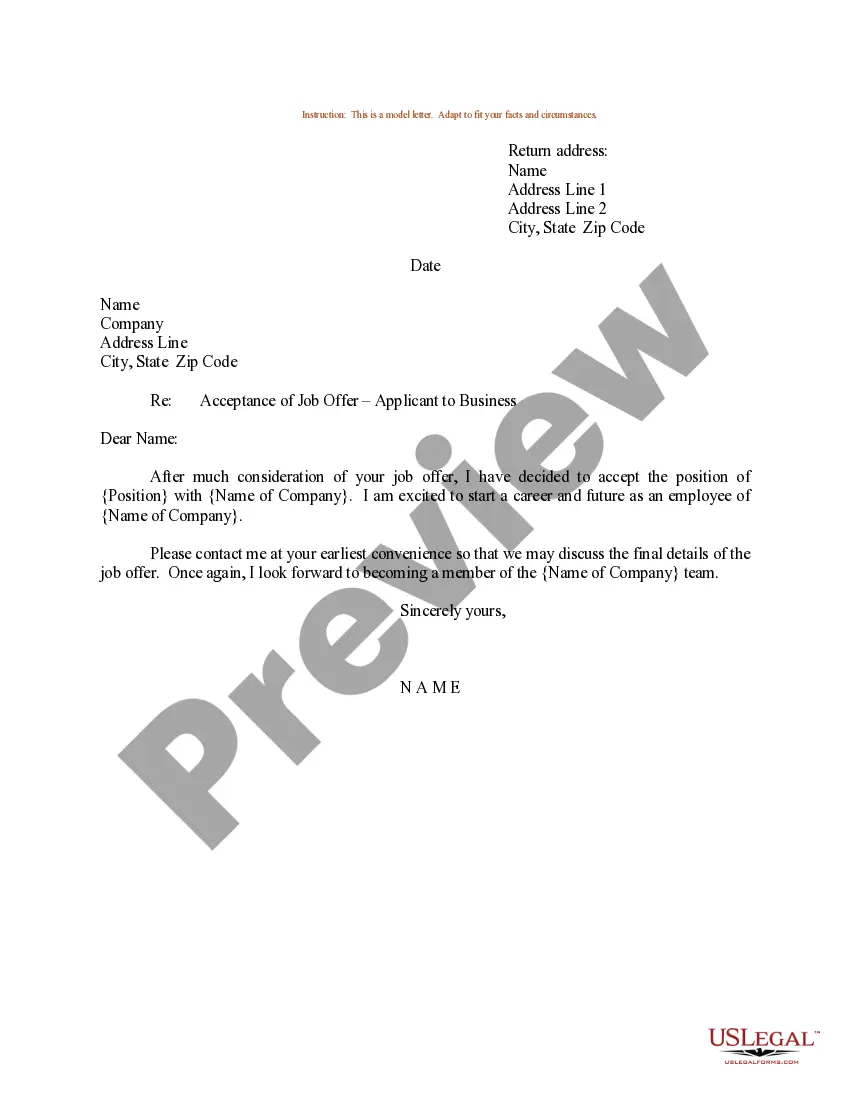
Letter To Donor For Donation In Georgia
Description




Get your form ready online
Our built-in tools help you complete, sign, share, and store your documents in one place.
Make edits, fill in missing information, and update formatting in US Legal Forms—just like you would in MS Word.
Download a copy, print it, send it by email, or mail it via USPS—whatever works best for your next step.
Sign and collect signatures with our SignNow integration. Send to multiple recipients, set reminders, and more. Go Premium to unlock E-Sign.
If this form requires notarization, complete it online through a secure video call—no need to meet a notary in person or wait for an appointment.
We protect your documents and personal data by following strict security and privacy standards.

Make edits, fill in missing information, and update formatting in US Legal Forms—just like you would in MS Word.

Download a copy, print it, send it by email, or mail it via USPS—whatever works best for your next step.

Sign and collect signatures with our SignNow integration. Send to multiple recipients, set reminders, and more. Go Premium to unlock E-Sign.

If this form requires notarization, complete it online through a secure video call—no need to meet a notary in person or wait for an appointment.

We protect your documents and personal data by following strict security and privacy standards.
Looking for another form?







Form popularity
FAQ
Donor Salutation: Address your donor by their preferred name. Decide whether you prefer a formal salutation such as “Dear Mr. and Mrs. Richard Smith,” or a more informal one like “Hi Rick.”
Make it urgent. Giving now is better than giving later, so make sure your language reflects that. Be clear and direct. Craft a great subject line. Keep it optimistic. Say thank you in advance. Use "you" in your asking for a donation wording. Use action verbs. Follow the numbers.
To whom should you send general donation requests? These letters are perfect for everyday fundraising campaigns and needs. You can send them to anyone in your support network, including current donors, prospective donors, corporate sponsors, board members, volunteers, event attendees, and more.
Make it urgent. Giving now is better than giving later, so make sure your language reflects that. Be clear and direct. Craft a great subject line. Keep it optimistic. Say thank you in advance. Use "you" in your asking for a donation wording. Use action verbs. Follow the numbers.
How to Write a Letter of Intent to Donate Step 1 – Provide Your Contact Information. Step 2 – State the Effective Date. Step 3 – Identify the Donor and Recipient. Step 4 – Describe the Donation. Step 5 – Outline Donation Conditions. Step 6 – Set an Acceptance Deadline. Step 7 – Discuss Recognition.
Dear Donor's name, My name is Name, and I'm the position at Nonprofit. At Nonprofit, our mission is to help mission by steps nonprofit has taken. Give a specific example of your impact.
How to write a donor letter Write a formal salutation. Customizing your letter can make the donor feel valued and appreciated. Describe the purpose of the non-profit. Include a call to action. Finish with a message of gratitude.
Sample Food Donation Request Letter Subject: Help feed our community with organization's name! Dear donor's name, We are organization's name and we work hard to provide awareness and support to organization's cause. Describe emotional story about how your organization started working towards this cause.
Here are some ideas for wording that can be used while asking for donations: Make a donation. Join the fight! Give to <nonprofit/cause> Impact the lives of <beneficiaries> today. Take action! Help educate a child! / Help <blank> today! Stop Injustice. Fight now!
Be specific in your ask Providing people with specific information is a strong way to grab their attention. Give potential donors clear-cut reasons why they should donate to your cause. In your ask, be sure to break down these three things: Your current situation.