Donation Receipt Format 80g In Franklin
Description



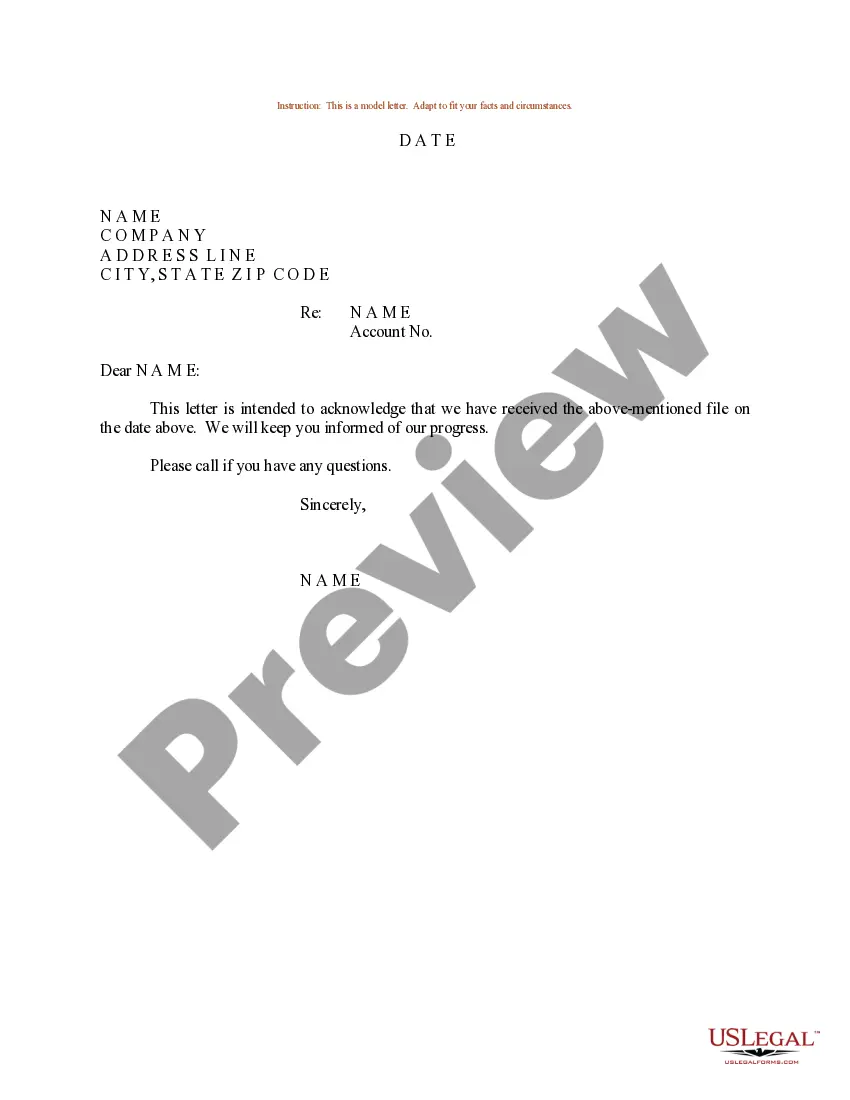
Get your form ready online
Our built-in tools help you complete, sign, share, and store your documents in one place.
Make edits, fill in missing information, and update formatting in US Legal Forms—just like you would in MS Word.
Download a copy, print it, send it by email, or mail it via USPS—whatever works best for your next step.
Sign and collect signatures with our SignNow integration. Send to multiple recipients, set reminders, and more. Go Premium to unlock E-Sign.
If this form requires notarization, complete it online through a secure video call—no need to meet a notary in person or wait for an appointment.
We protect your documents and personal data by following strict security and privacy standards.

Make edits, fill in missing information, and update formatting in US Legal Forms—just like you would in MS Word.

Download a copy, print it, send it by email, or mail it via USPS—whatever works best for your next step.

Sign and collect signatures with our SignNow integration. Send to multiple recipients, set reminders, and more. Go Premium to unlock E-Sign.

If this form requires notarization, complete it online through a secure video call—no need to meet a notary in person or wait for an appointment.

We protect your documents and personal data by following strict security and privacy standards.
Looking for another form?



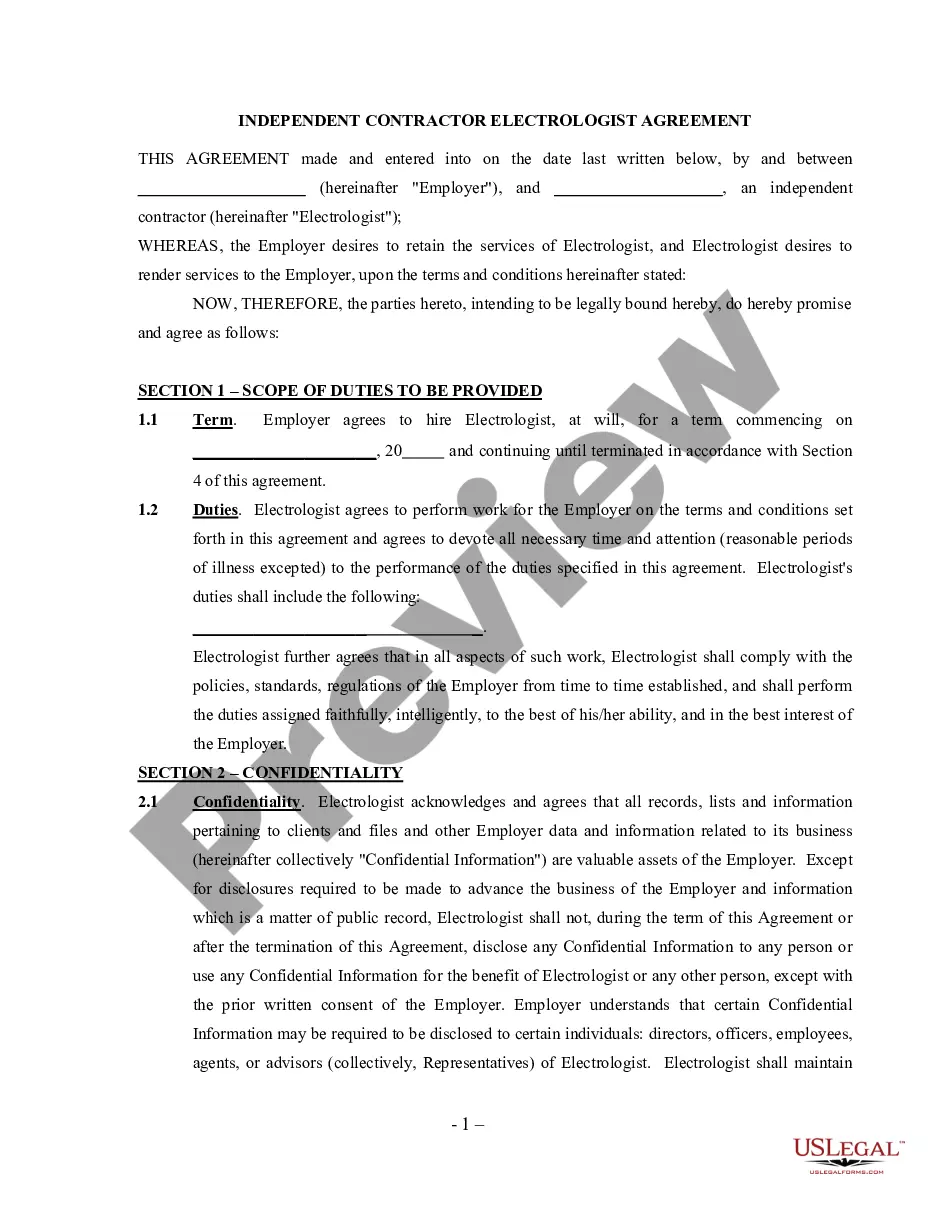
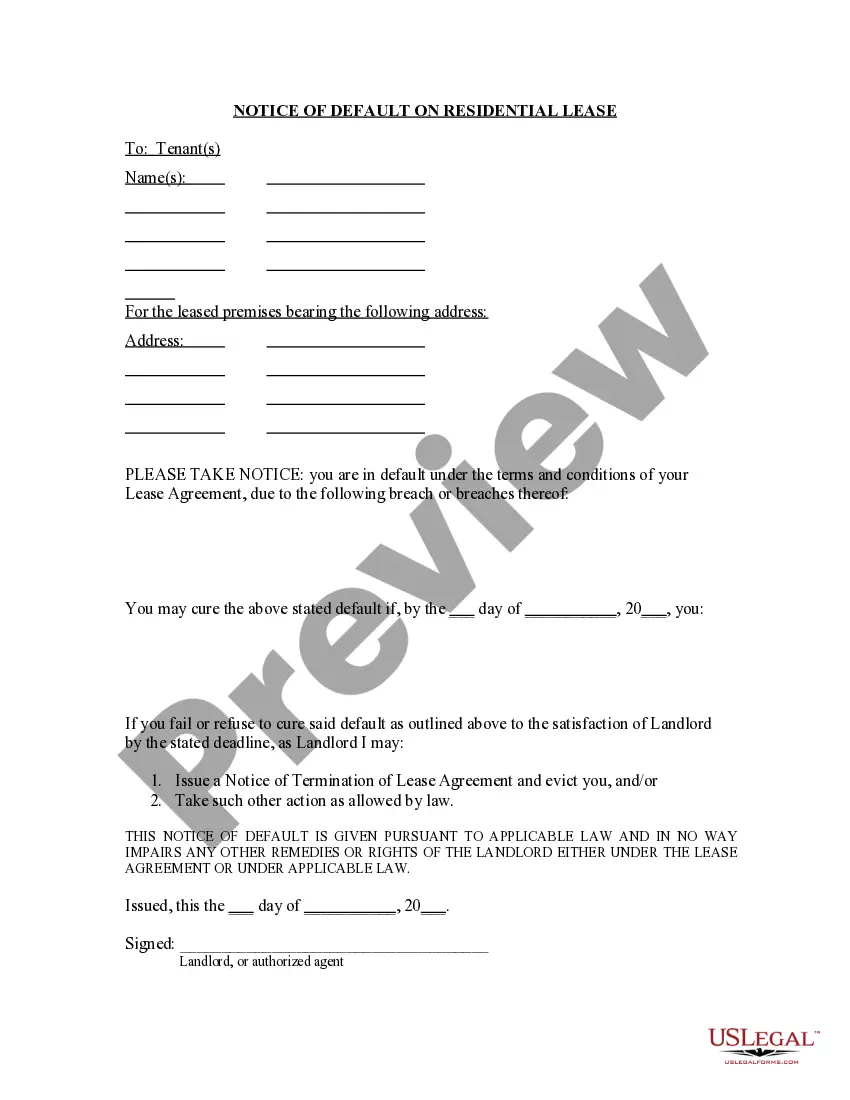



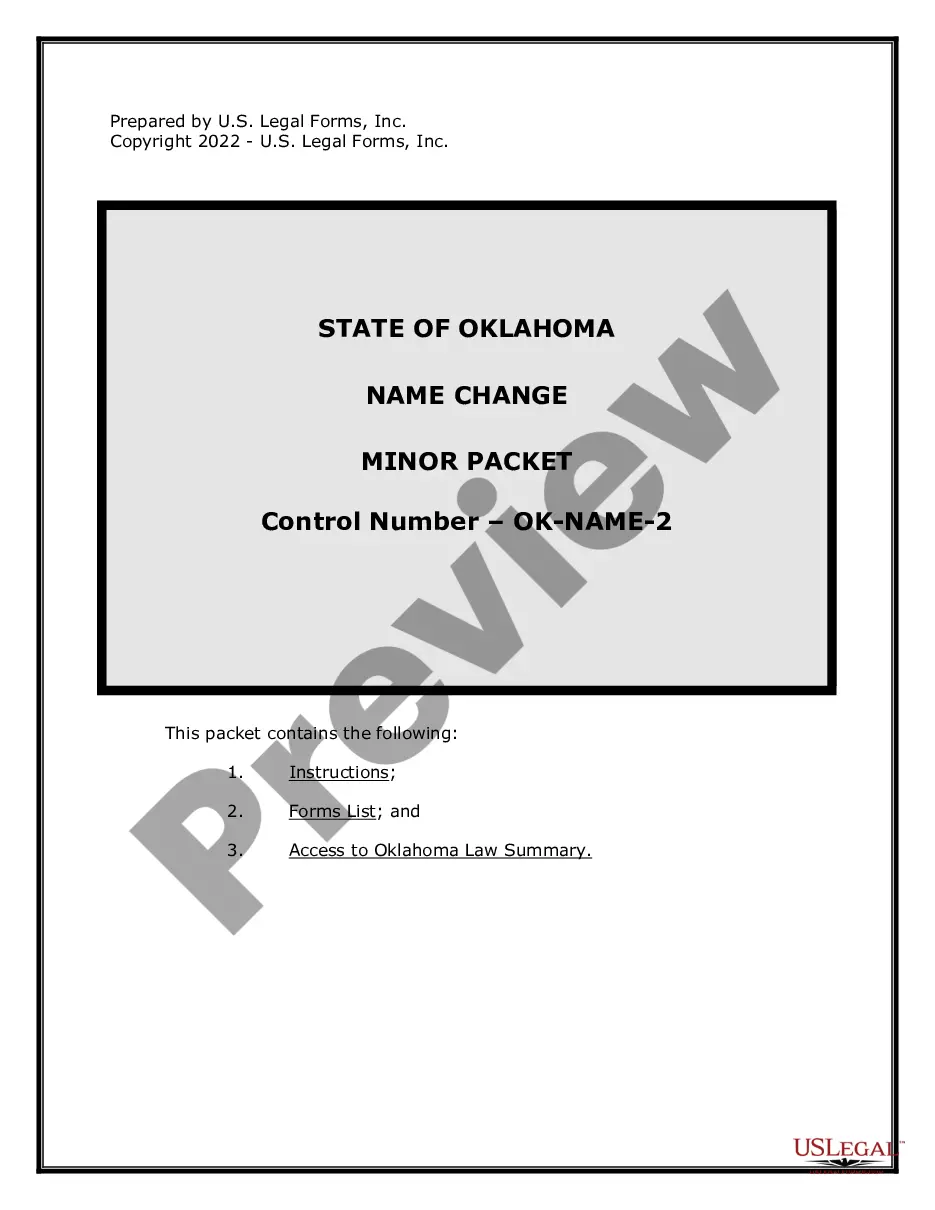

Form popularity
FAQ
Ing to the IRS, any kind of donation above $250 should require a donation receipt. The same applies to stock gifts/donations.
How to Reissue a Donation Receipt Open the Donation Record: Navigate to the donation record for which you need to reissue the receipt. Edit Personal Information. Modify the First Name. Restore the First Name. Download the Reissued Receipt:
Proof can be provided in the form of an official receipt or invoice from the receiving qualified charitable organization, but it can also be provided via credit card statements or other financial records detailing the donation.
Ing to the IRS, donation tax receipts should include the following information: The name of the organization. A statement confirming that the organization is a registered 501(c)(3) organization, along with its federal tax identification number. The date the donation was made.
While it's best practice to always send a donation receipt for every gift your organization receives, there are circumstances where a donation receipt is required by the IRS and must meet IRS guidelines, including: When single donations are greater than $250.
How much can I deduct for household items and clothing? You can deduct the amount based on a percentage of your Adjusted Gross Income. The fair market value of donated items in good or used condition can be claimed as a deduction on your tax return. You can claim a deduction of up to 60% of your Adjusted Gross Income.
The same applies to stock gifts/donations. In this case, you should send a donation receipt comprising details such as the ticker symbol, the number of shares, and the donation date. Mentioning the value of the stock is not necessary since a nonprofit is not supposed to be assigning value to stocks or gifts.
This letter should acknowledge the gift of stock, such as the name and number of shares. It should not list the value of the stock received since the organization is not in the business of valuing stock. Also, the donor should have a record of the transaction from the broker.
Providing Receipts As soon as the donation is in your brokerage account, send the donor a nonprofit stock acknowledgment letter that includes a tax receipt for it.
To process stock donations, a nonprofit would have to work with each donor individually to send the donation form, track and record the gift, send an acknowledgment letter, ensure paperwork was correct, liquidate and reinvest funds, and avoid forgery and fraud—all by hand!

