Director Appointment Form Mca In Michigan
Description

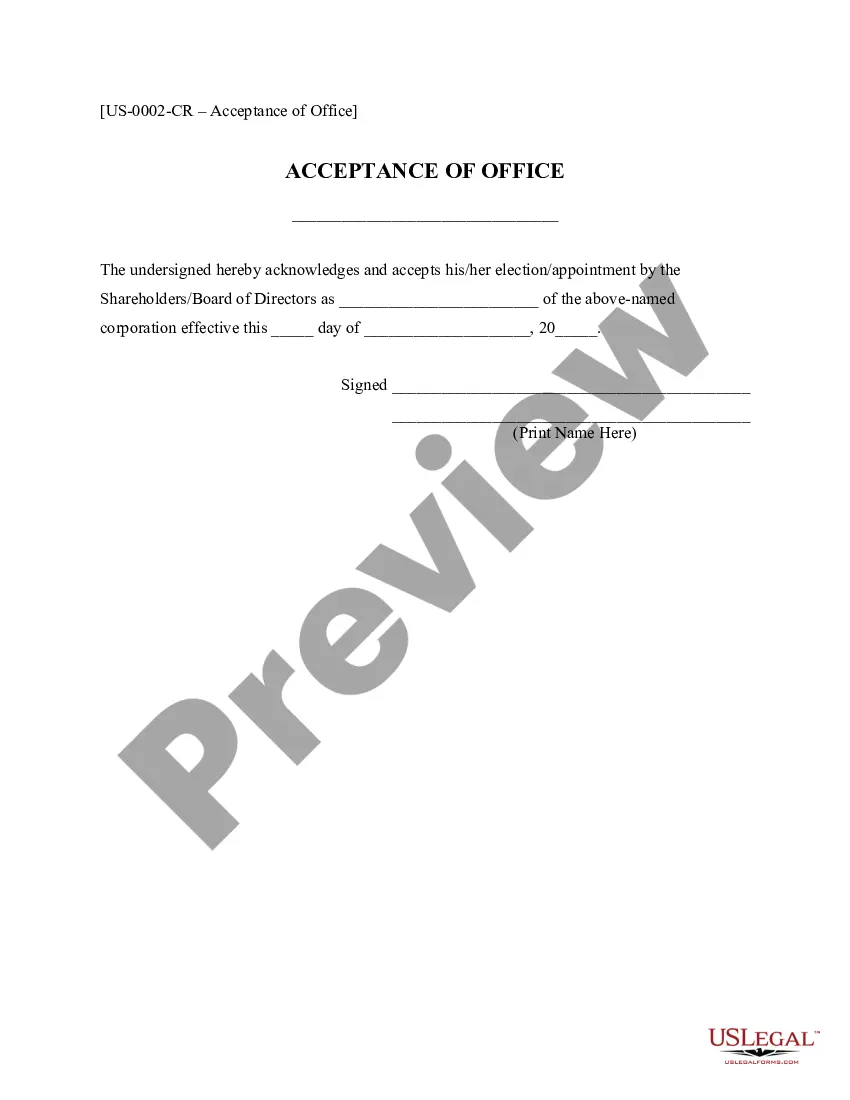

Get your form ready online
Our built-in tools help you complete, sign, share, and store your documents in one place.
Make edits, fill in missing information, and update formatting in US Legal Forms—just like you would in MS Word.
Download a copy, print it, send it by email, or mail it via USPS—whatever works best for your next step.
Sign and collect signatures with our SignNow integration. Send to multiple recipients, set reminders, and more. Go Premium to unlock E-Sign.
If this form requires notarization, complete it online through a secure video call—no need to meet a notary in person or wait for an appointment.
We protect your documents and personal data by following strict security and privacy standards.

Make edits, fill in missing information, and update formatting in US Legal Forms—just like you would in MS Word.

Download a copy, print it, send it by email, or mail it via USPS—whatever works best for your next step.

Sign and collect signatures with our SignNow integration. Send to multiple recipients, set reminders, and more. Go Premium to unlock E-Sign.

If this form requires notarization, complete it online through a secure video call—no need to meet a notary in person or wait for an appointment.

We protect your documents and personal data by following strict security and privacy standards.
Looking for another form?
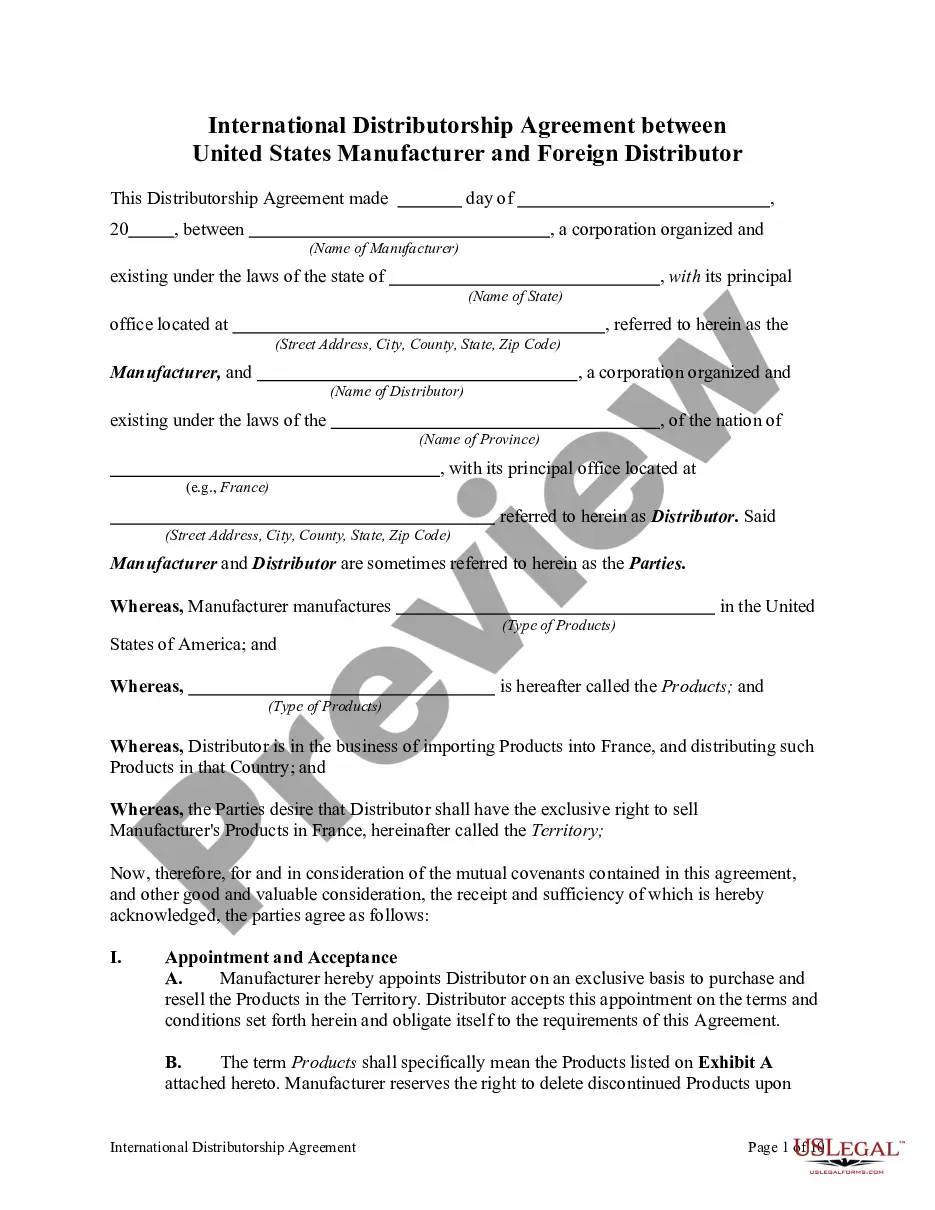







Form popularity
FAQ
The steps you'll take to become a paramedic are similar to an EMT, except you'll need to enroll in further training and gain additional training and licensure. A paramedic is the highest level of EMT. They first need training to become and EMT and then do more advanced training to qualify as a paramedic.
Basic Course Must have High School Diploma or GED. Must be 18 or older when scheduling the NREMT Exam after successful completion of course. Must be able to PASS a 10panel drug screening (Conducted at LifeLine Academy) Must be able to PASS a background check with no felony convictions.
As a part of their early training, nurses need to pass basic life support certification which includes cardiopulmonary resuscitation and advanced cardiac life support certification. These certifications are required for licensure, but they generally do not count toward CEUs needed to renew your license.
Completing the EMT-Specialist training could take you between nine to 12 months, while an EMT-Paramedic training certificate program requires between 18 months and two years of study if you're enrolled full time. These programs prepare you for the National Registry Examinations for EMT licensure in Michigan.
MEDICAL CONTROL: Means supervising and coordinating emergency medical services through an MCA, as prescribed, adopted, and enforced through department-approved protocols, within an emergency medical services system.
Must have High School Diploma or GED. Must be 18 or older when scheduling the NREMT Exam after successful completion of course. Must be able to PASS a 10-panel drug screening (Conducted at LifeLine Academy) Must be able to PASS a background check with no felony convictions.
Other criminal convictions. Other criminal convictions besides can also disqualify you from holding an EMT/paramedic license—especially felony offenses. Substance abuse. Untreated addictions to alcohol or drugs may also jeopardize your license.
Continuing Education (CAPCE) are accepted in Michigan. The content of the program must relate to Emergency Medical Services and must follow Michigan credit categories.

