Quick Deed Vs Warranty Deed In Salt Lake
Description

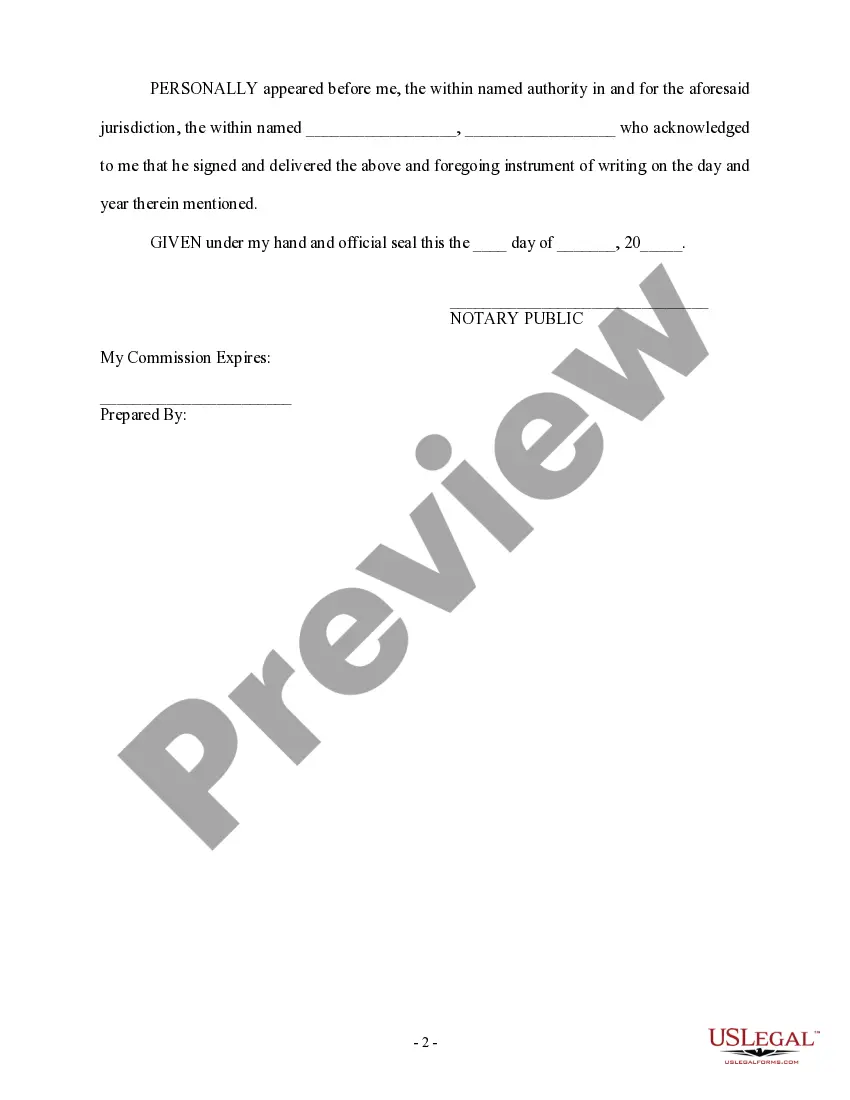
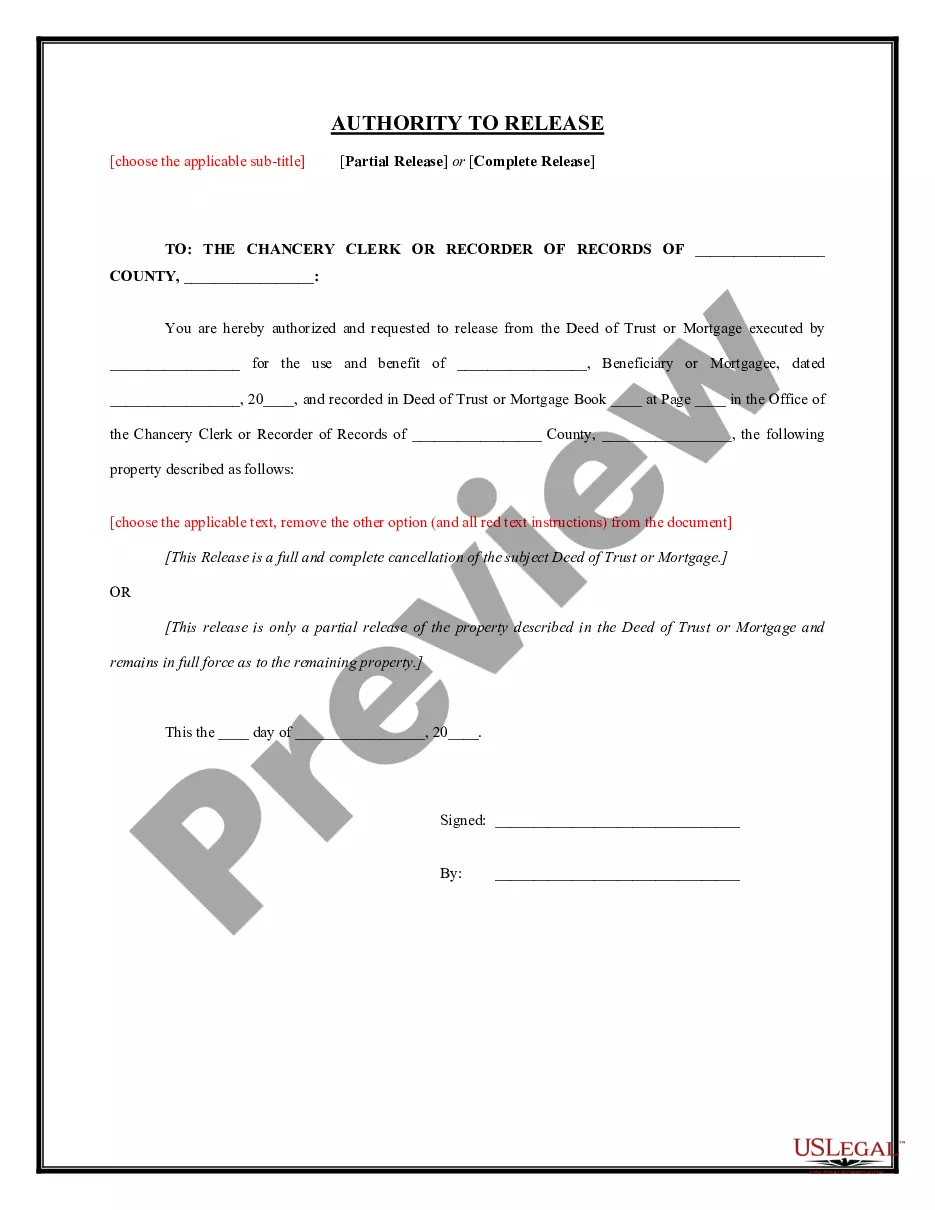
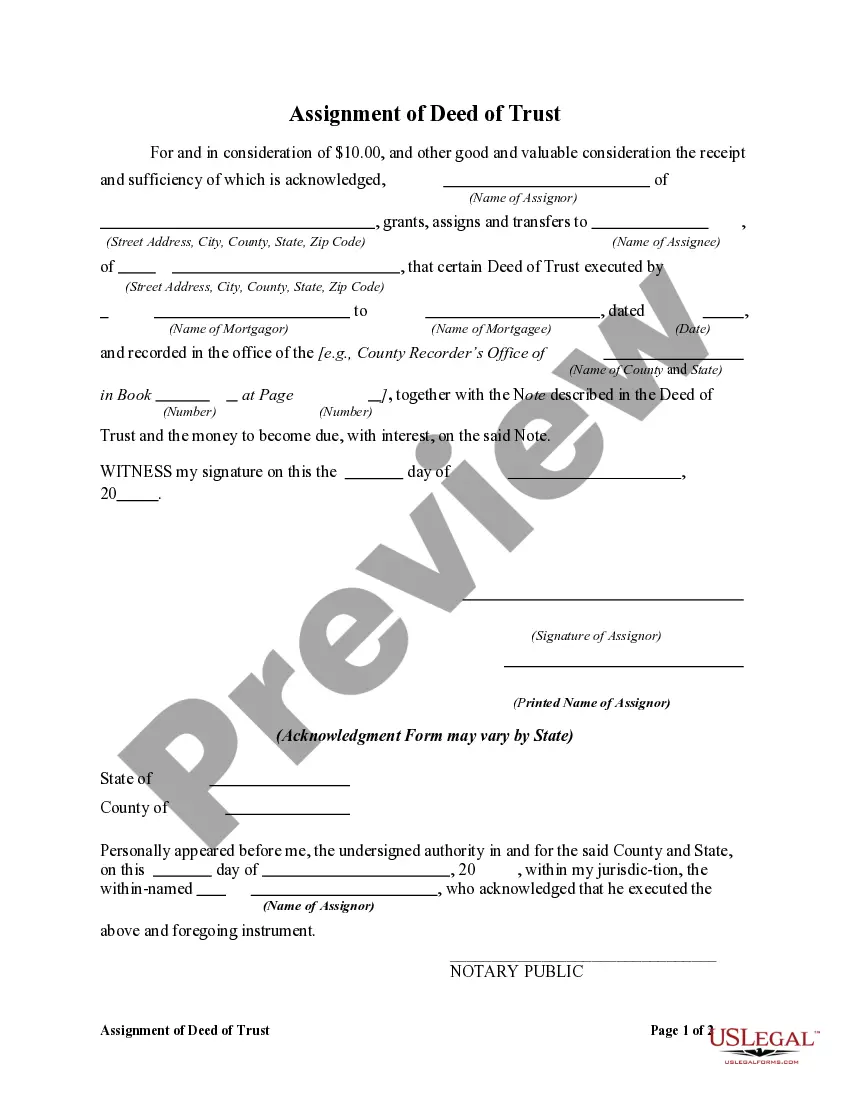

Get your form ready online
Our built-in tools help you complete, sign, share, and store your documents in one place.
Make edits, fill in missing information, and update formatting in US Legal Forms—just like you would in MS Word.
Download a copy, print it, send it by email, or mail it via USPS—whatever works best for your next step.
Sign and collect signatures with our SignNow integration. Send to multiple recipients, set reminders, and more. Go Premium to unlock E-Sign.
If this form requires notarization, complete it online through a secure video call—no need to meet a notary in person or wait for an appointment.
We protect your documents and personal data by following strict security and privacy standards.

Make edits, fill in missing information, and update formatting in US Legal Forms—just like you would in MS Word.

Download a copy, print it, send it by email, or mail it via USPS—whatever works best for your next step.

Sign and collect signatures with our SignNow integration. Send to multiple recipients, set reminders, and more. Go Premium to unlock E-Sign.

If this form requires notarization, complete it online through a secure video call—no need to meet a notary in person or wait for an appointment.

We protect your documents and personal data by following strict security and privacy standards.
Looking for another form?





Form popularity
FAQ
Transferring ownership of real property incident to divorce often involves the use of a Quitclaim Deed.
The transfer process entails several key steps: Complete Required Documents: Fill out all necessary forms accurately. Obtain Signatures: Ensure all parties involved sign the documents. Submit to County Recorder: File the documents with the local county recorder's office.
To submit your Quitclaim Deed, first ensure all fields are accurately filled out. You can mail the completed document to your local county recorder's office or submit it in person for immediate processing. Check your county's specific submission guidelines for any additional steps or requirements.
Because of the lack of title guarantees, quitclaim deeds are most often used to transfer property between two parties who know and trust each other, such as family members.
Because of the lack of title guarantees, quitclaim deeds are most often used to transfer property between two parties who know and trust each other, such as family members.
But unlike a warranty deed and a special warranty deed, which provide certain warranties or guarantees regarding the property's title, a quitclaim deed only transfers whatever interest the grantor may have in the property at the time of the transfer. That interest may be no interest whatsoever.
A general warranty deed is a deed used to legally transfer real property from one person to another. This type of deed offers the most protection for the buyer.
General warranty deeds give the grantee the most legal protection, while special warranty deeds give the grantee more limited protection.
How to File a Quitclaim Deed in Utah Step 1: Reference the Original Deed. Step 2: Consult an Attorney. Step 3: Complete the Quitclaim Deed. Step 4: Complete the Water Rights Addendum. Step 5: Sign and Notarize. Step 6: File with the County Recorder.
Quitclaim deeds can be used in a number of different situations, though they are most common when transferring property between family members or spouses.
