Warranty Deed Vs Gift Deed In Pennsylvania
Description

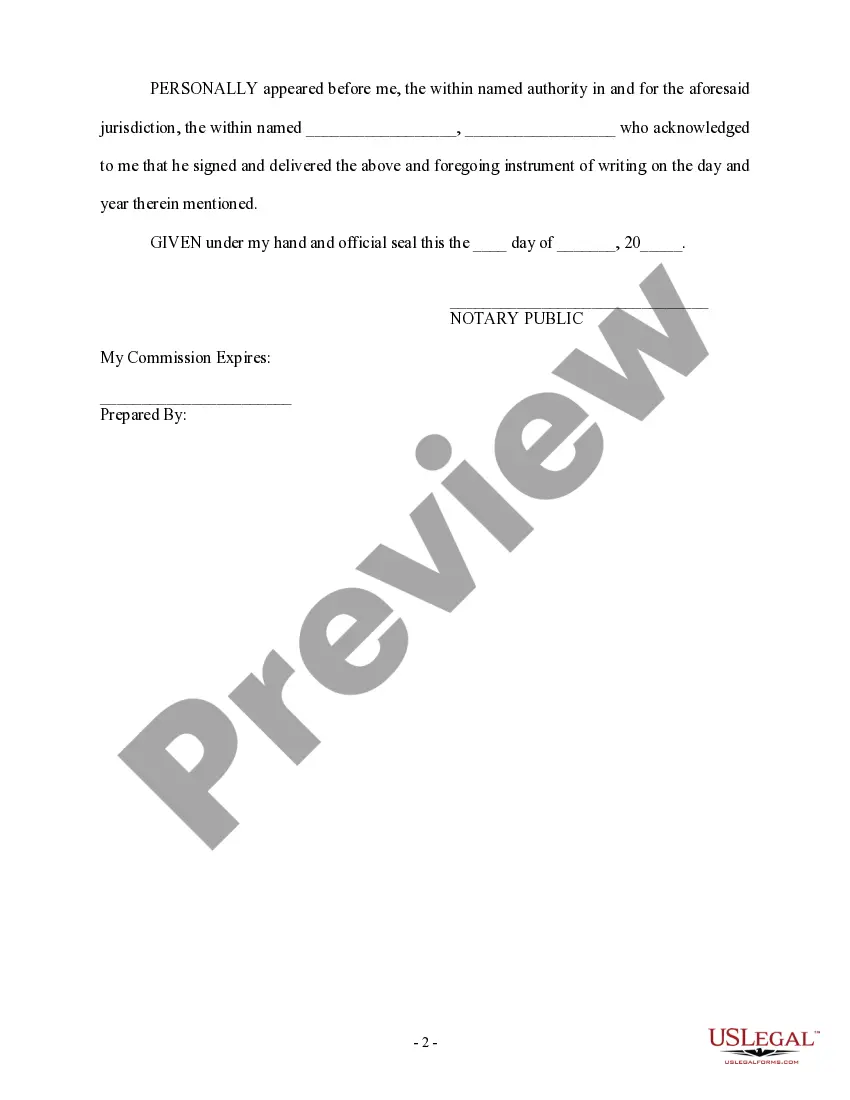
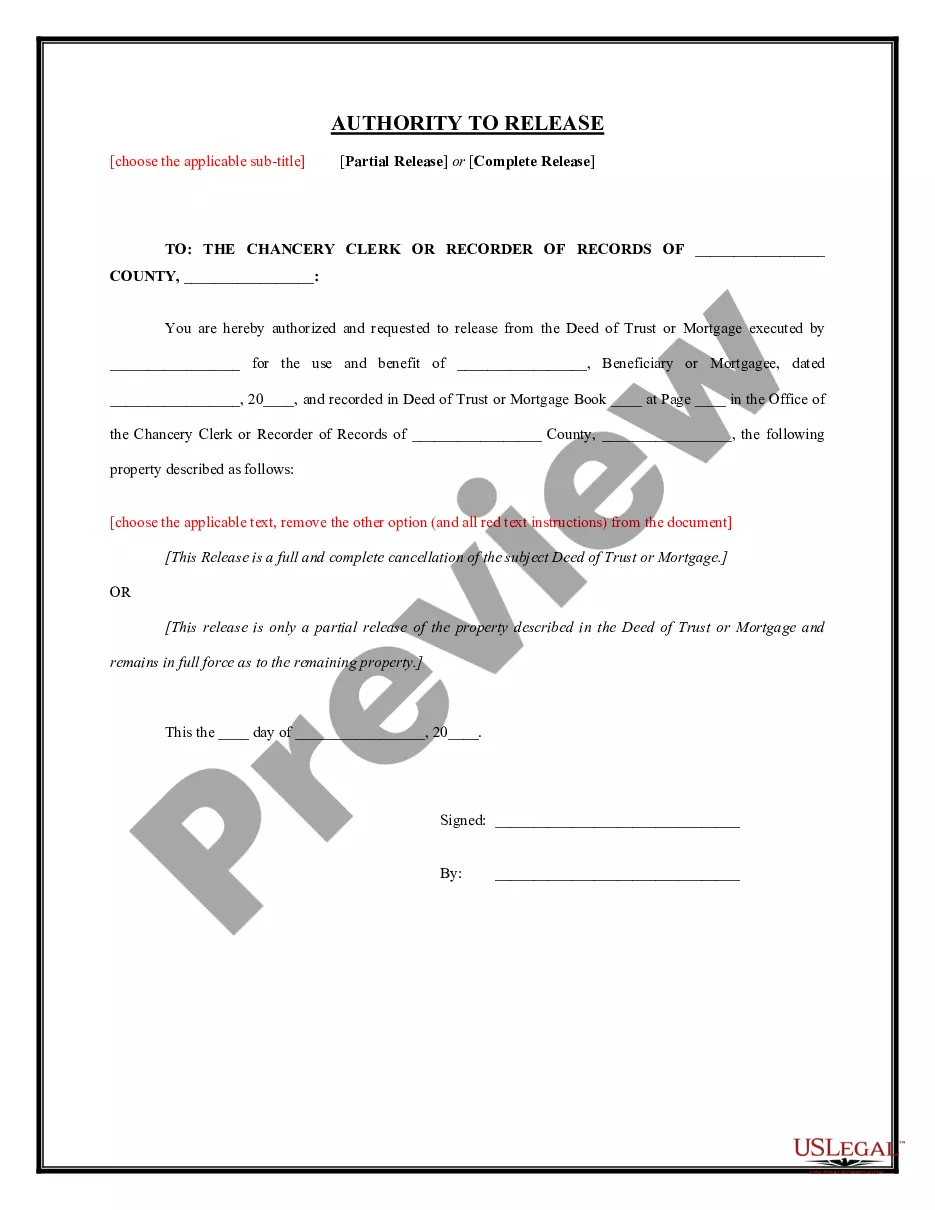
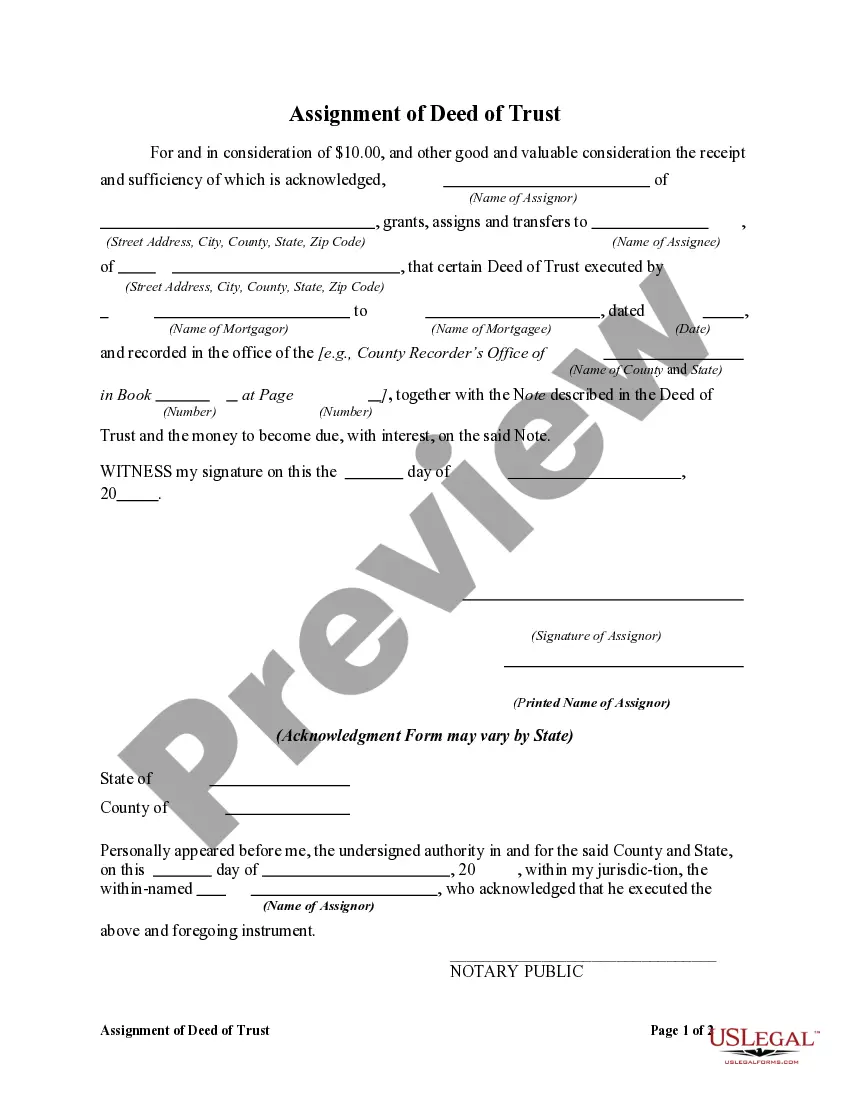
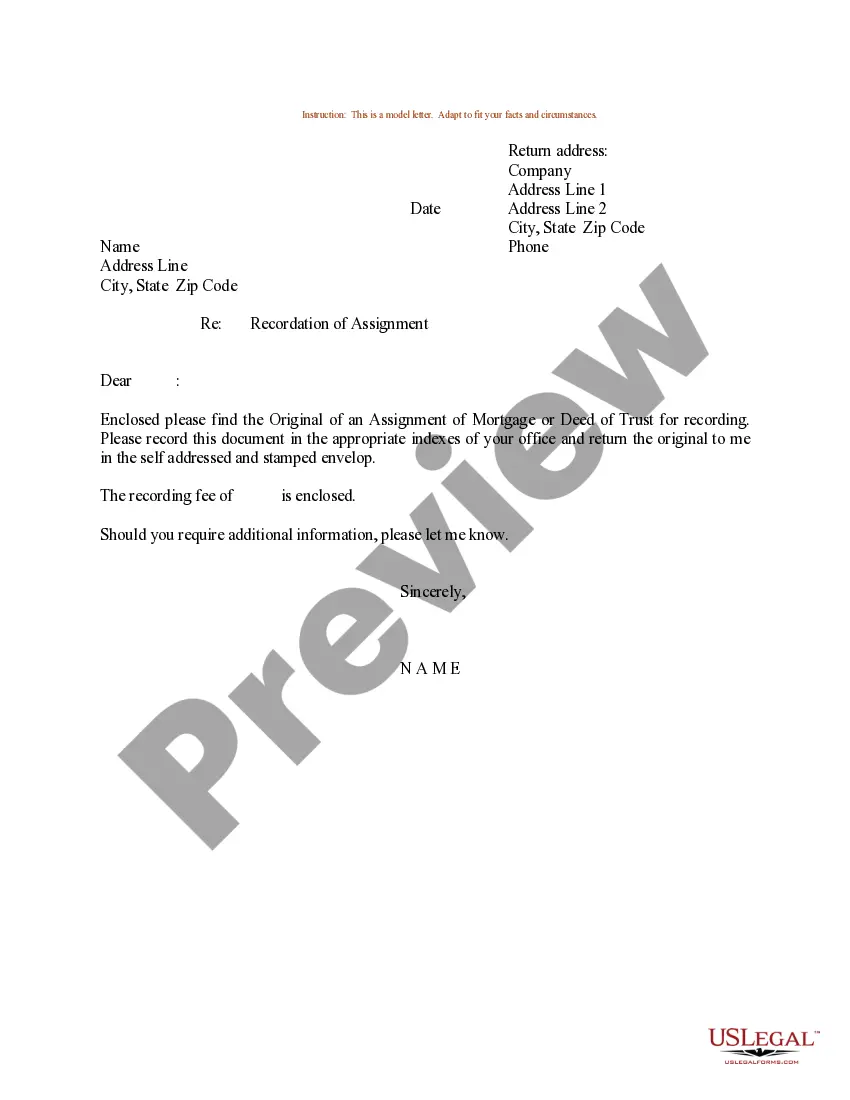
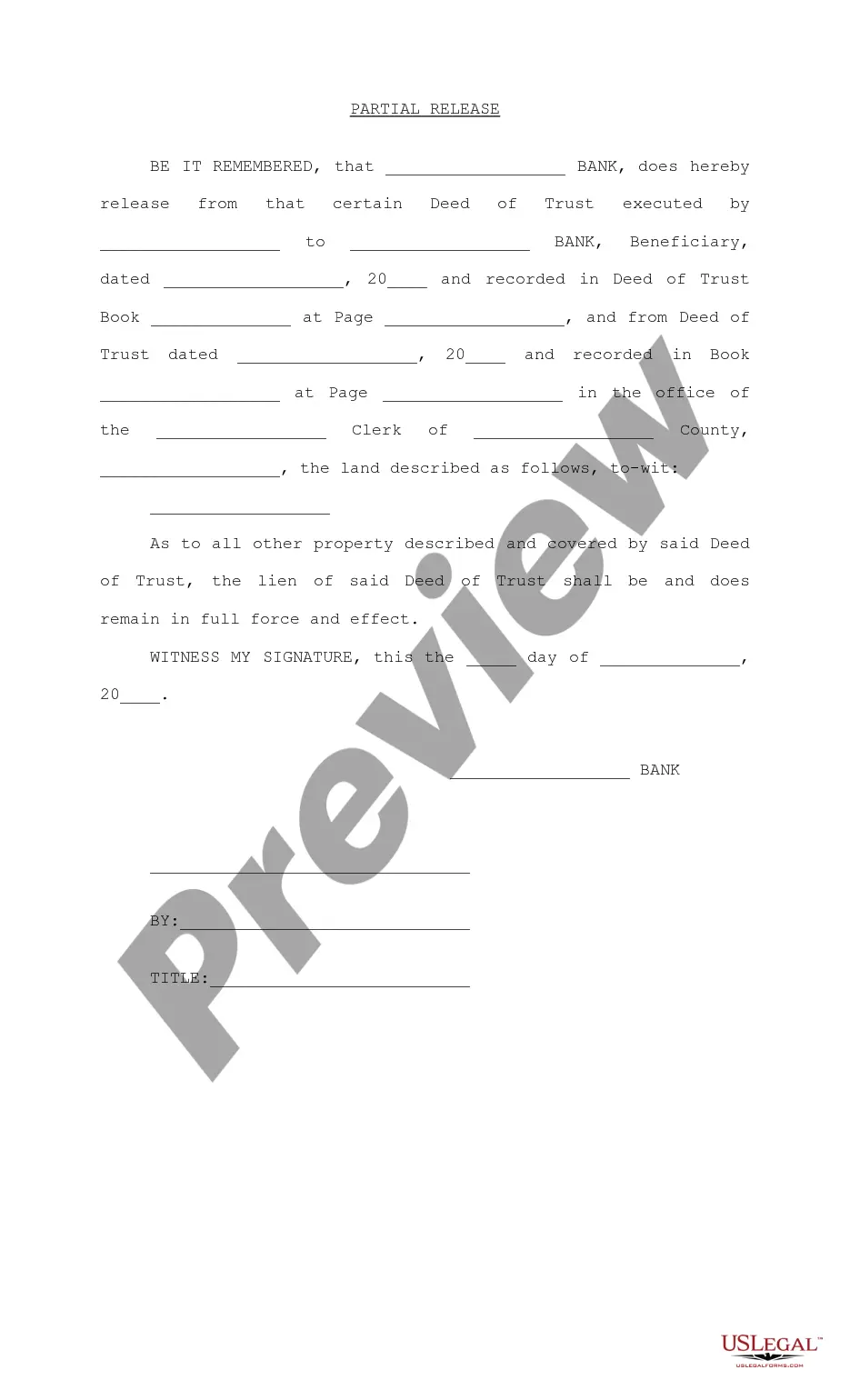
Get your form ready online
Our built-in tools help you complete, sign, share, and store your documents in one place.
Make edits, fill in missing information, and update formatting in US Legal Forms—just like you would in MS Word.
Download a copy, print it, send it by email, or mail it via USPS—whatever works best for your next step.
Sign and collect signatures with our SignNow integration. Send to multiple recipients, set reminders, and more. Go Premium to unlock E-Sign.
If this form requires notarization, complete it online through a secure video call—no need to meet a notary in person or wait for an appointment.
We protect your documents and personal data by following strict security and privacy standards.

Make edits, fill in missing information, and update formatting in US Legal Forms—just like you would in MS Word.

Download a copy, print it, send it by email, or mail it via USPS—whatever works best for your next step.

Sign and collect signatures with our SignNow integration. Send to multiple recipients, set reminders, and more. Go Premium to unlock E-Sign.

If this form requires notarization, complete it online through a secure video call—no need to meet a notary in person or wait for an appointment.

We protect your documents and personal data by following strict security and privacy standards.
Looking for another form?








Form popularity
FAQ
A warranty deed is a type of deed where the grantor (seller) guarantees that they hold clear title to a piece of real estate and has a right to sell it to the grantee (buyer), in contrast to a quitclaim deed, where the seller does not guarantee that they hold title to a piece of real estate.
There are also some disadvantages to using gift deeds: It is irrevocable post-execution, which can lead to complications if problems arise in the future between the donor and donee. There are extra costs in the form of stamp duty, which vary from state to state.
In Pennsylvania, there is no state gift tax. Transfers of property by gift are exempt from the Pennsylvania property transfer tax (91 Pa. C.S. 193), but are subject to the federal gift tax described above.
A general warranty deed is used to transfer real property from one person to another. This type of deed offers the greatest protection for the buyer and has specific requirements for what must be included in the document.
Each Pennsylvania warranty deed must meet all Pennsylvania recording requirements. The deed must be correctly formatted and include the information needed for a valid transfer—such as the names of the grantor and the grantee, a legal description of the property, and any notices required by Pennsylvania law.
A quitclaim deed is ideal when transferring property between family members quickly, especially when the recipient trusts the grantor and does not need a guarantee about the property's history.
A general warranty deed provides the highest level of protection for the buyer. It guarantees that the seller has clear ownership of the property and the legal right to transfer it.
A warranty deed offers the strongest protection. It protects the party receiving the property title in case there turns out to be any issues with the title.
A quitclaim deed gives the grantee the least protection under the law. Deed fraud, long a perennial issue, is reported to be on the rise.
A Pennsylvania property deed must contain the current owner (the grantor), the new owner (the grantee), a legal description of the property, and the signature of the grantor before the transfer. But there are also less common ways to use property, which require several different types of property deeds.
