Missouri Deed Of Trust Form With Two Points In Pennsylvania
Description


Form popularity
FAQ
Overall, establishing a trust for your home in Pennsylvania can streamline the process of transferring property, offer enhanced protection, and provide peace of mind that your estate will be managed ing to your wishes.
A Pennsylvania property deed must contain the current owner (the grantor), the new owner (the grantee), a legal description of the property, and the signature of the grantor before the transfer. But there are also less common ways to use property, which require several different types of property deeds.
WPC is an Accredited Land Trust Western Pennsylvania Conservancy is an accredited land trust. First accredited in February 2012, we recently renewed our land trust accreditation in August 2023 with the Land Trust Accreditation Commission, an independent program of the Land Trust Alliance.
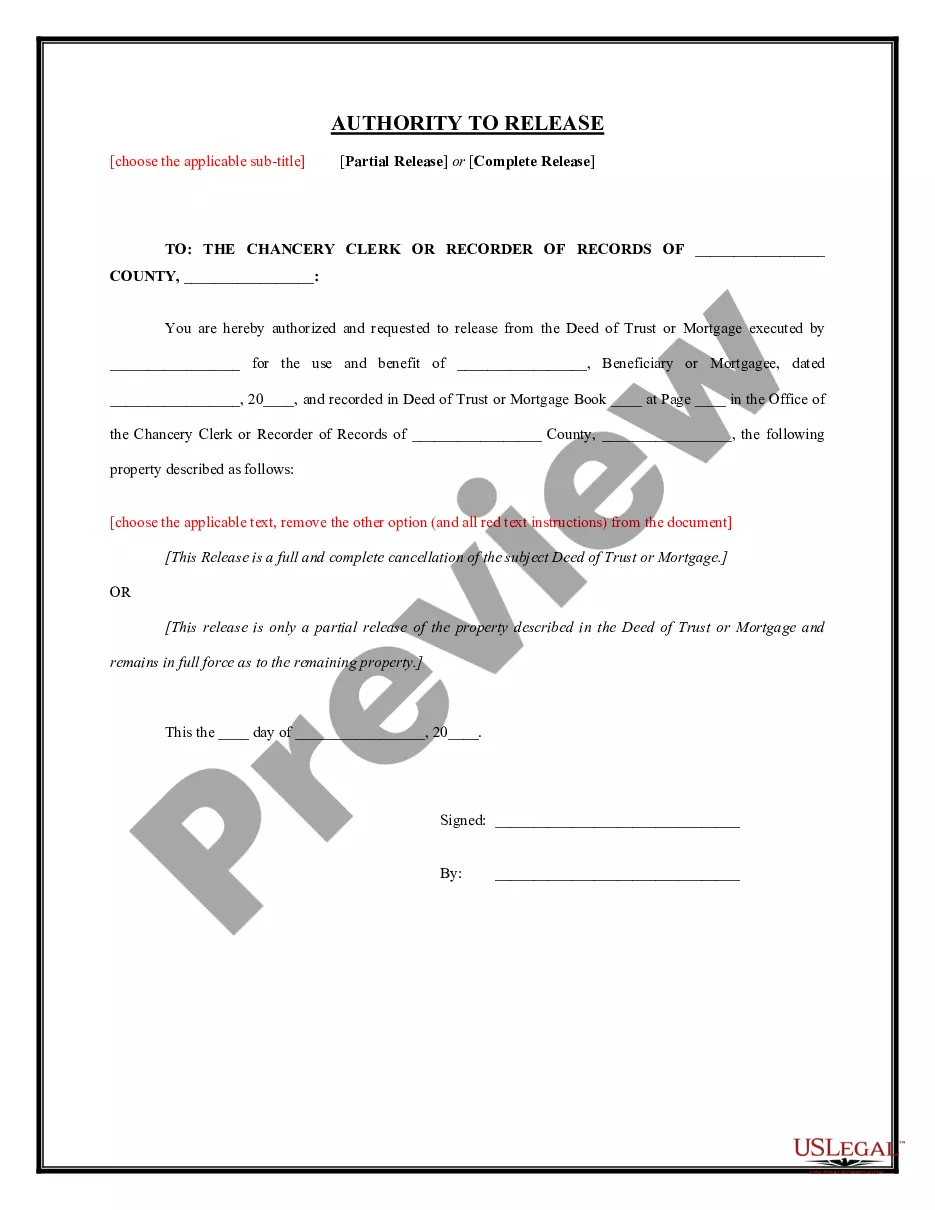
Is Missouri a Mortgage State or a Deed of Trust State? Missouri is a Deed of Trust state.
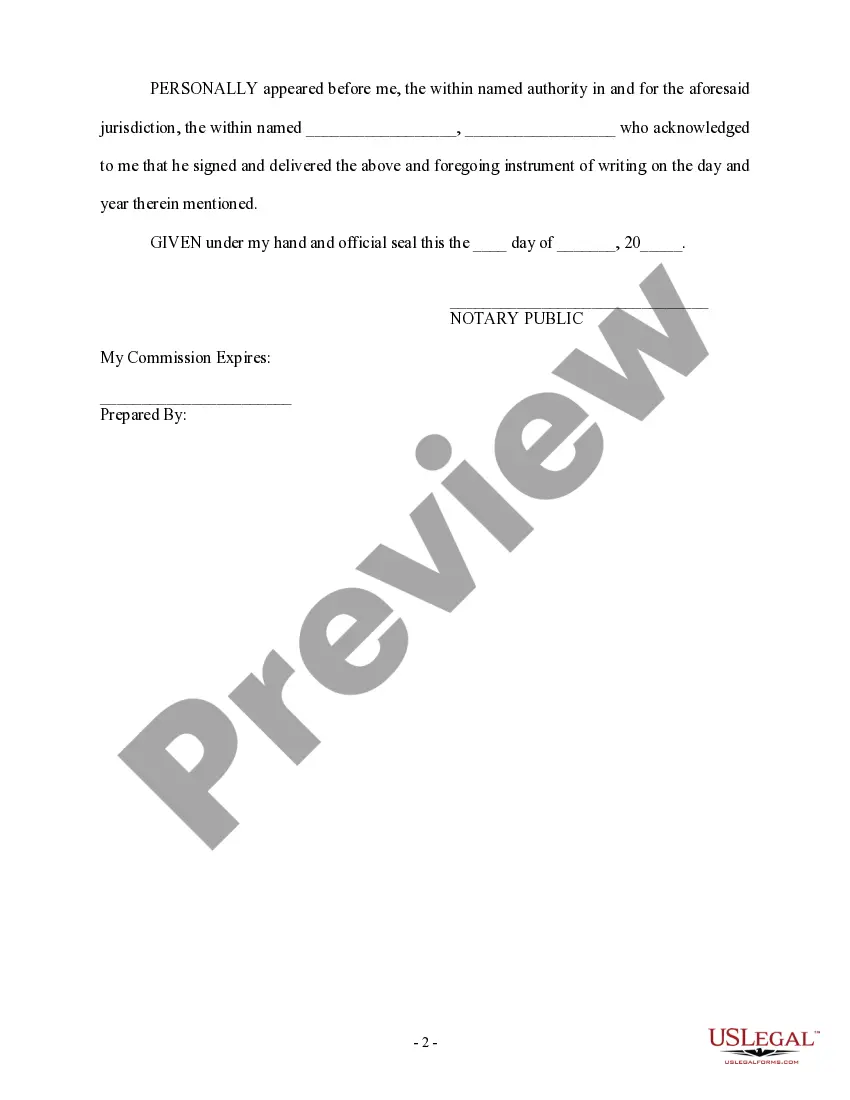
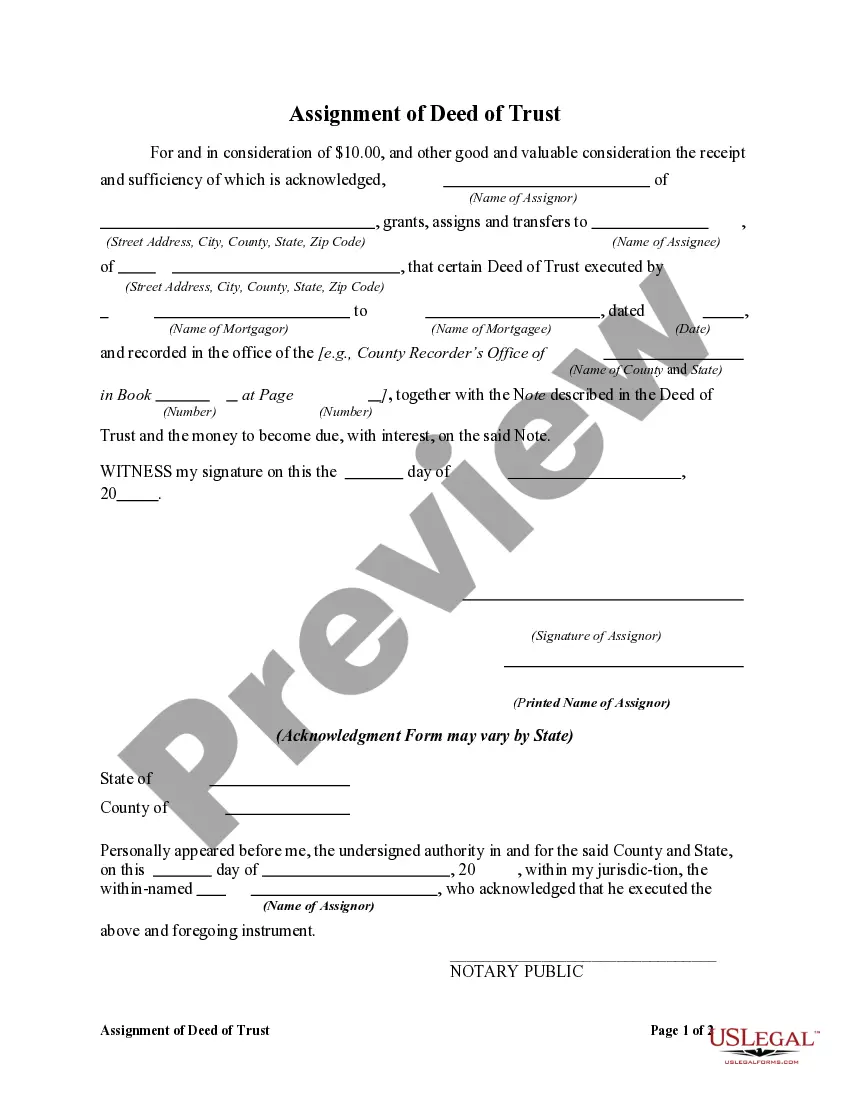
A Deed to Trust form used to transfer the grantor's title and interest in real property in Pennsylvania to a trustee of a trust for the grantor's benefit. This standard document allows the drafter to choose between warranty and quitclaim deed language.
How do I file a quit claim deed in Missouri? A person can file a quitclaim deed by (1) entering the relevant information on a quitclaim deed form, (2) signing the deed with two witnesses and a notary, and (3) recording the deed at the county comptroller's office.
The deed must meet the format and content requirements in Pennsylvania law. It should specify the grantor, grantee, and property details. The property description must be legally sufficient - a real estate lawyer in Philadelphia can research the prior deeds and draft an accurate description.
There are 3 ways to obtain a copy: Stop by in person. Anyone can pick it up. Send a written request to Recorder of Deeds, 729 Maple Street, Hillsboro MO 63050. Include a check for $9 per copy and a self-addressed stamped return envelope. Order over the phone with a credit card by calling 636-797-5414.
Revising the terms of a trust is known as “amending” the trust. An amendment is generally appropriate when there are only a few minor changes to make, like rewording a certain paragraph, changing the successor trustee, or modifying beneficiaries.
