Warranty Deed Vs Quit Claim Deed In Oakland
Description

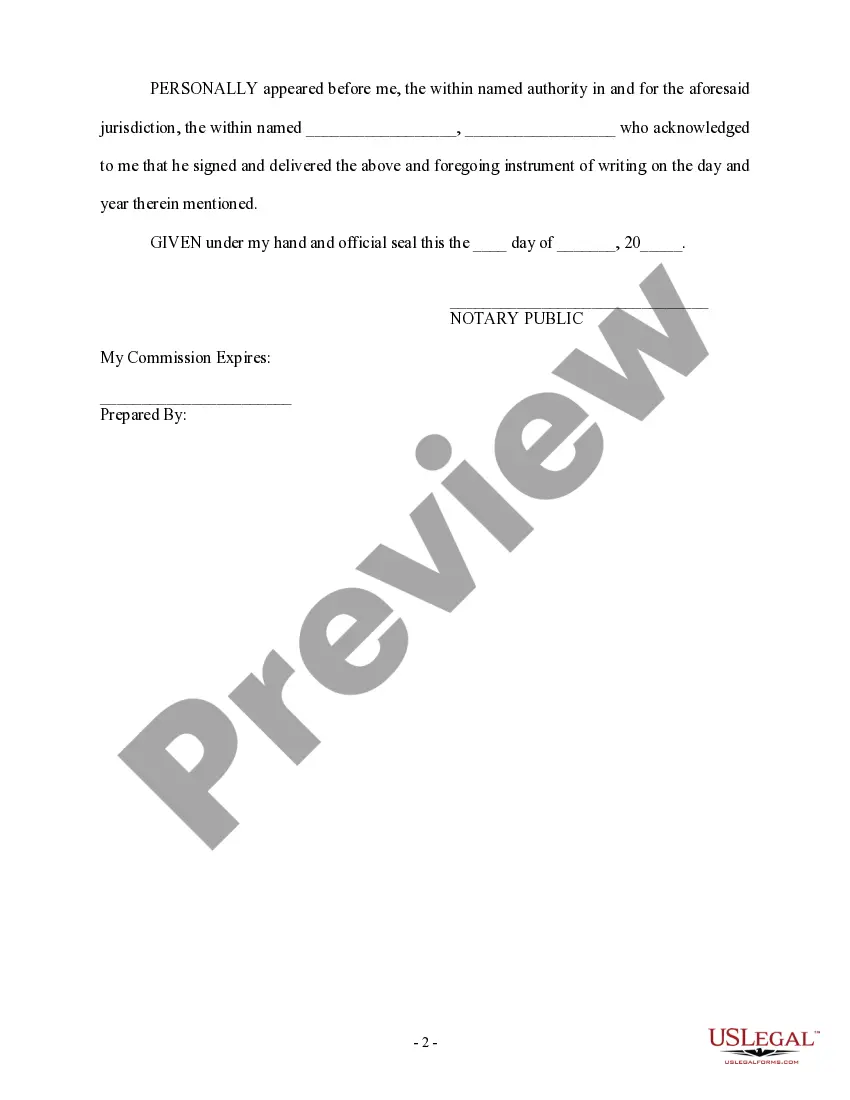
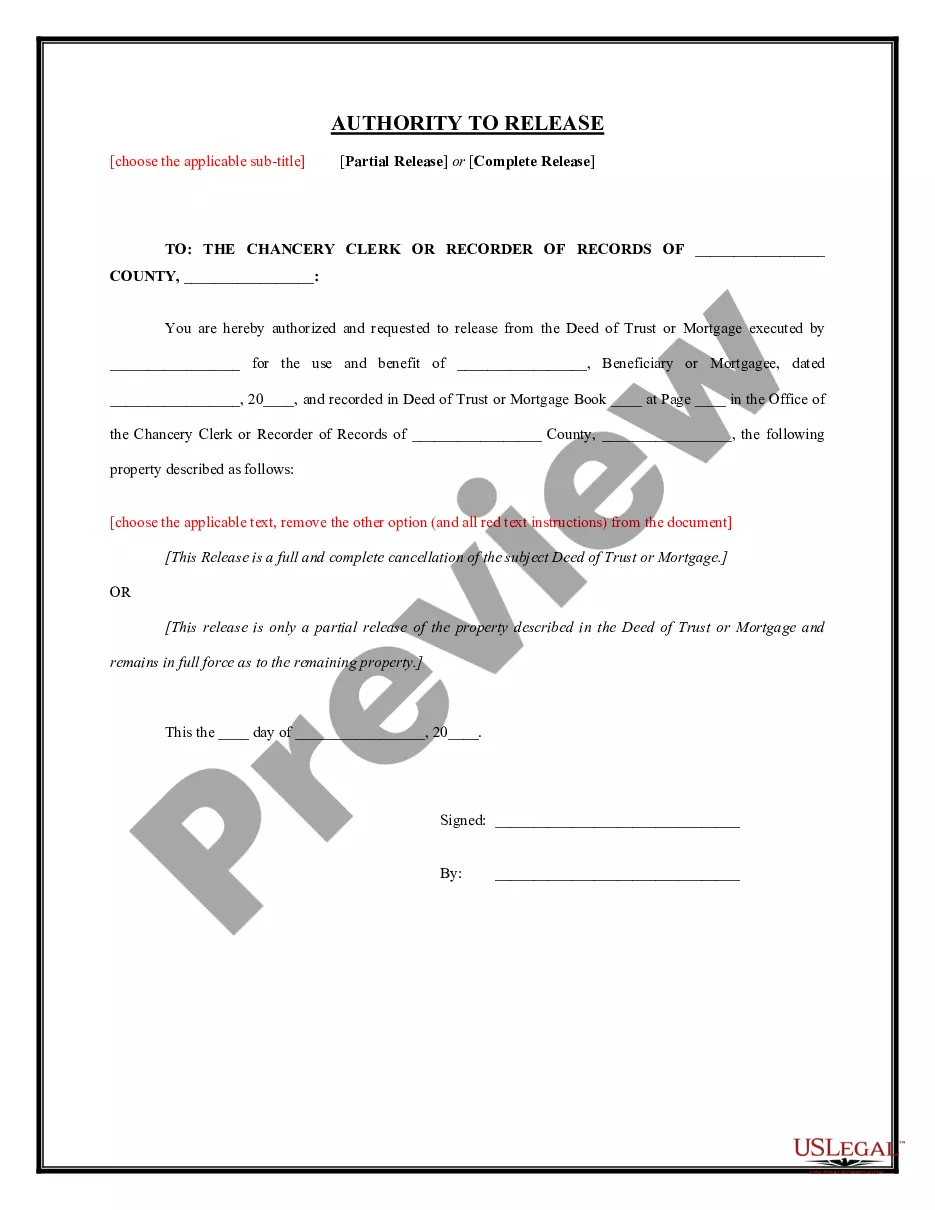
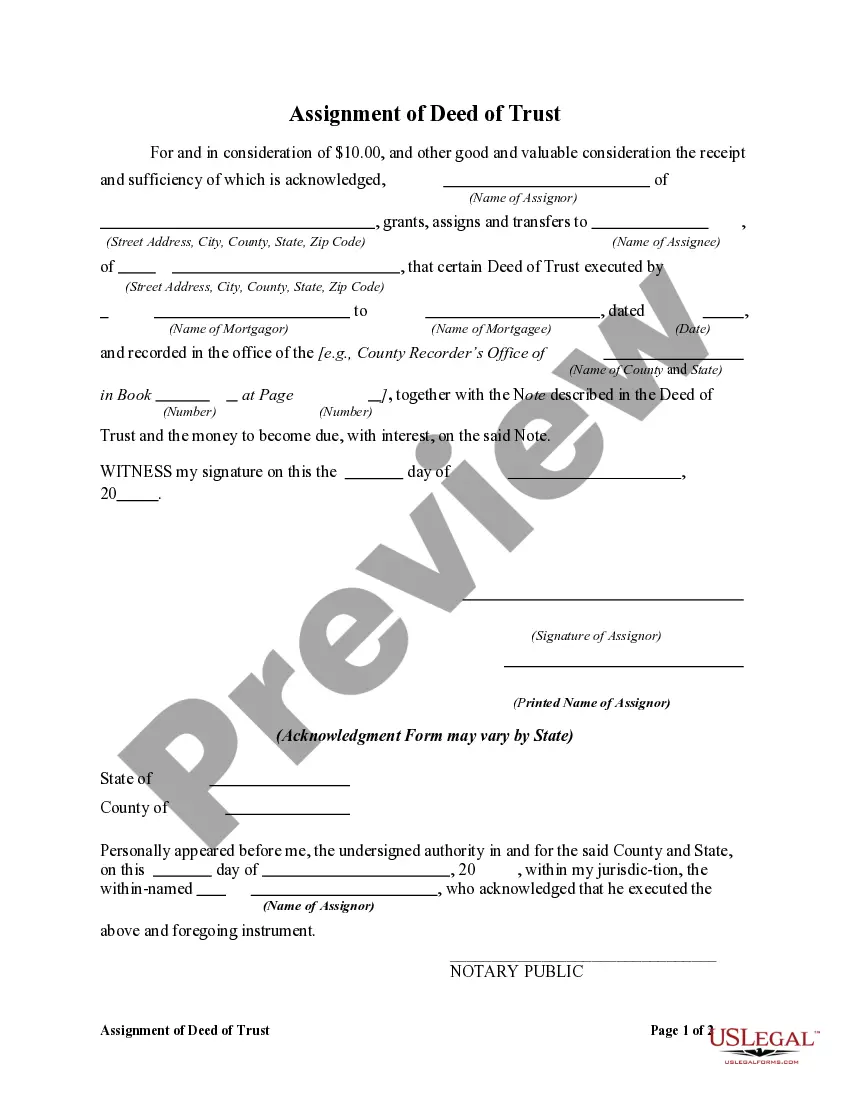
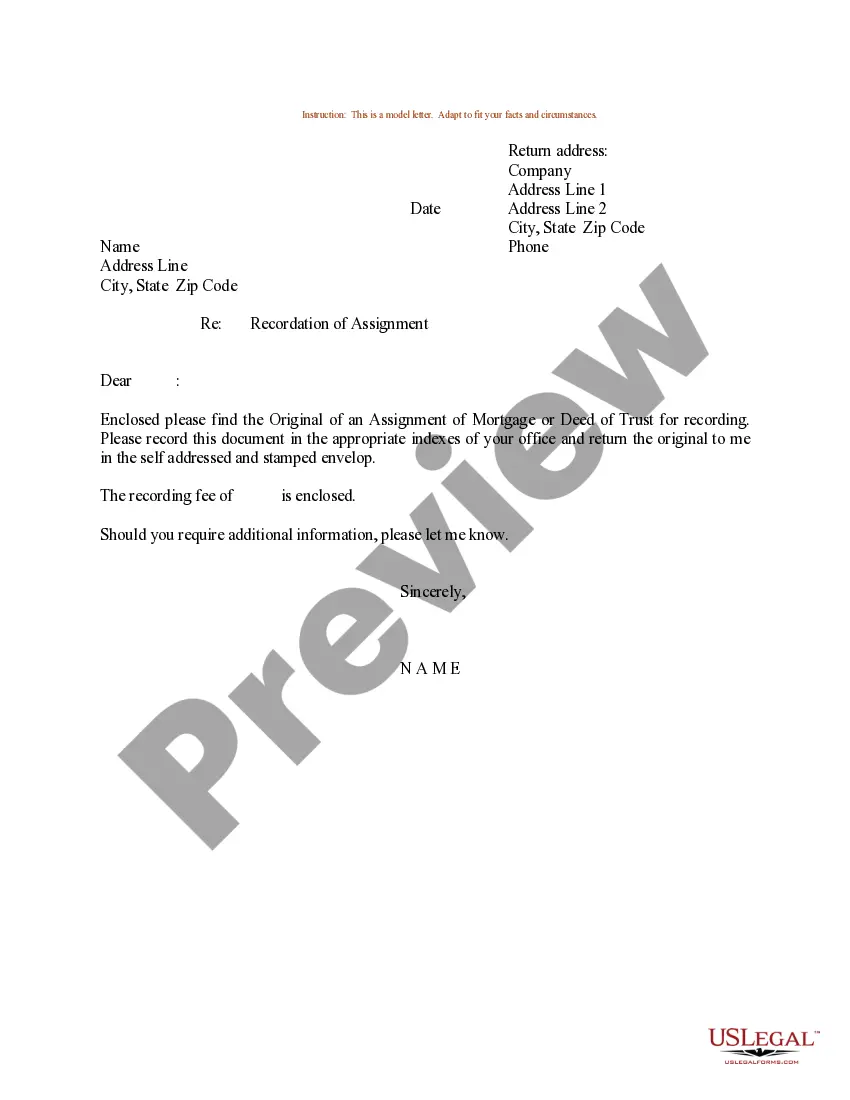

Get your form ready online
Our built-in tools help you complete, sign, share, and store your documents in one place.
Make edits, fill in missing information, and update formatting in US Legal Forms—just like you would in MS Word.
Download a copy, print it, send it by email, or mail it via USPS—whatever works best for your next step.
Sign and collect signatures with our SignNow integration. Send to multiple recipients, set reminders, and more. Go Premium to unlock E-Sign.
If this form requires notarization, complete it online through a secure video call—no need to meet a notary in person or wait for an appointment.
We protect your documents and personal data by following strict security and privacy standards.

Make edits, fill in missing information, and update formatting in US Legal Forms—just like you would in MS Word.

Download a copy, print it, send it by email, or mail it via USPS—whatever works best for your next step.

Sign and collect signatures with our SignNow integration. Send to multiple recipients, set reminders, and more. Go Premium to unlock E-Sign.

If this form requires notarization, complete it online through a secure video call—no need to meet a notary in person or wait for an appointment.

We protect your documents and personal data by following strict security and privacy standards.
Looking for another form?








Form popularity
FAQ
Quitclaim deed transfers are ideal for: transferring property interest between family members, such as a parent to a child.
What Is the Strongest Type of Deed? For real estate buyers, a general warranty deed provides greater protection than any other type of deed. While it's the best deed for the grantee, it gives the grantor the most liability.
A quitclaim deed is the opposite of a warranty deed in that the grantor is transferring title to a piece of property but is not warranting that they have good title to that property. A quitclaim deed only transfers whatever interest that the grantor has in the property at the time of the conveyance.
General warranty deed It's the type of deed that offers the most buyer protection. When committing to a general warranty deed, the seller is promising there are no liens against the property, and if there were, the seller would compensate the buyer for those claims.
No, a warranty deed does not prove ownership. A title search is the best way to prove that a grantor rightfully owns a property. The warranty deed is a legal document that offers the buyer protection. In other words, the property title and warranty deed work in tandem together.
It's safer to use a warranty deed any time you are not entirely sure of your or someone else's ownership stake in any property. If you are transferring a property to your child or to a revocable trust agreement as part of an estate plan, then a quitclaim deed could do the trick.
It's safer to use a warranty deed any time you are not entirely sure of your or someone else's ownership stake in any property. If you are transferring a property to your child or to a revocable trust agreement as part of an estate plan, then a quitclaim deed could do the trick.
Recording Legibly printed or typed in black ink, type size 10pt, white 20lb paper with a blank margin of 2 1/2" at the top of the first page and 1/2" on all other margins. Paper size must be 8 1/2" x 11" and not larger than 8 1/2" x 14." Signatures may be in black or blue ink. (MCLA 565.201 Sec 1)
Now if gina sells the property. She can give her buyer a warranty deed. But i wouldn't advise thatMoreNow if gina sells the property. She can give her buyer a warranty deed. But i wouldn't advise that you'd want to convey the property via another quit claim deed.
