Warranty Deed Vs Quit Claim Deed Form Florida In Nassau
Description

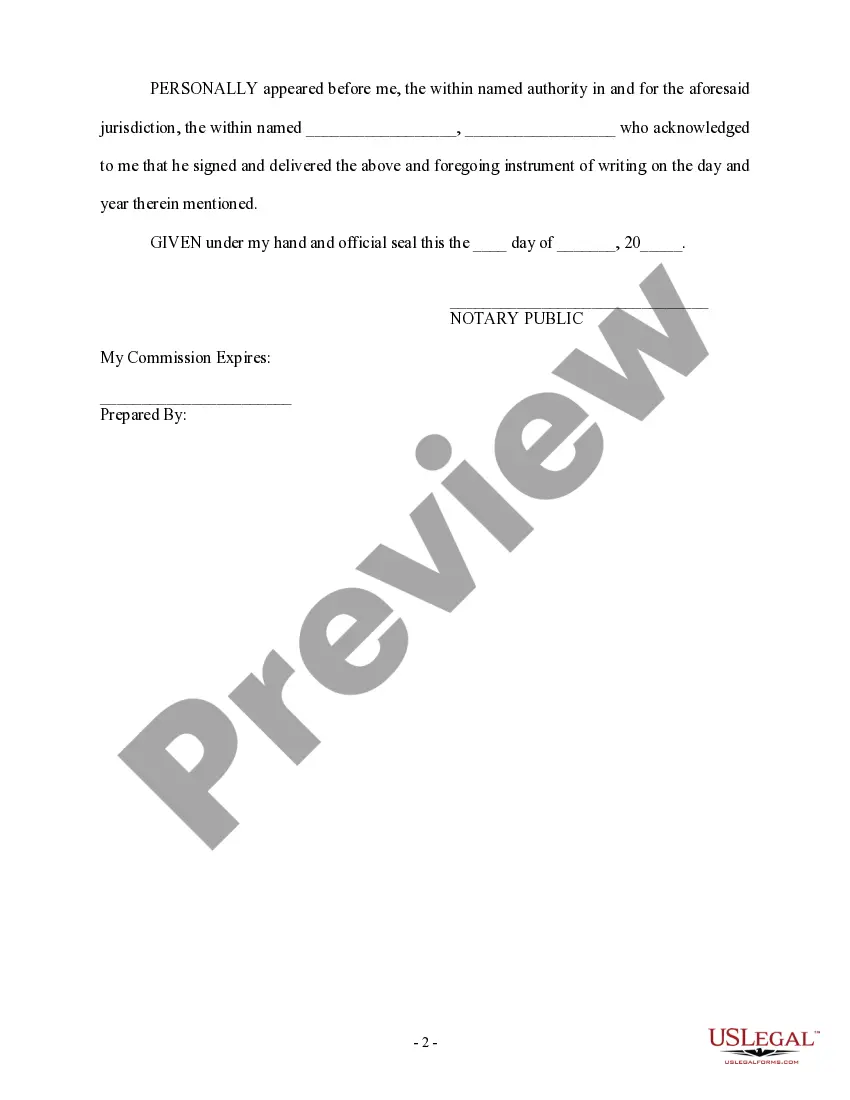
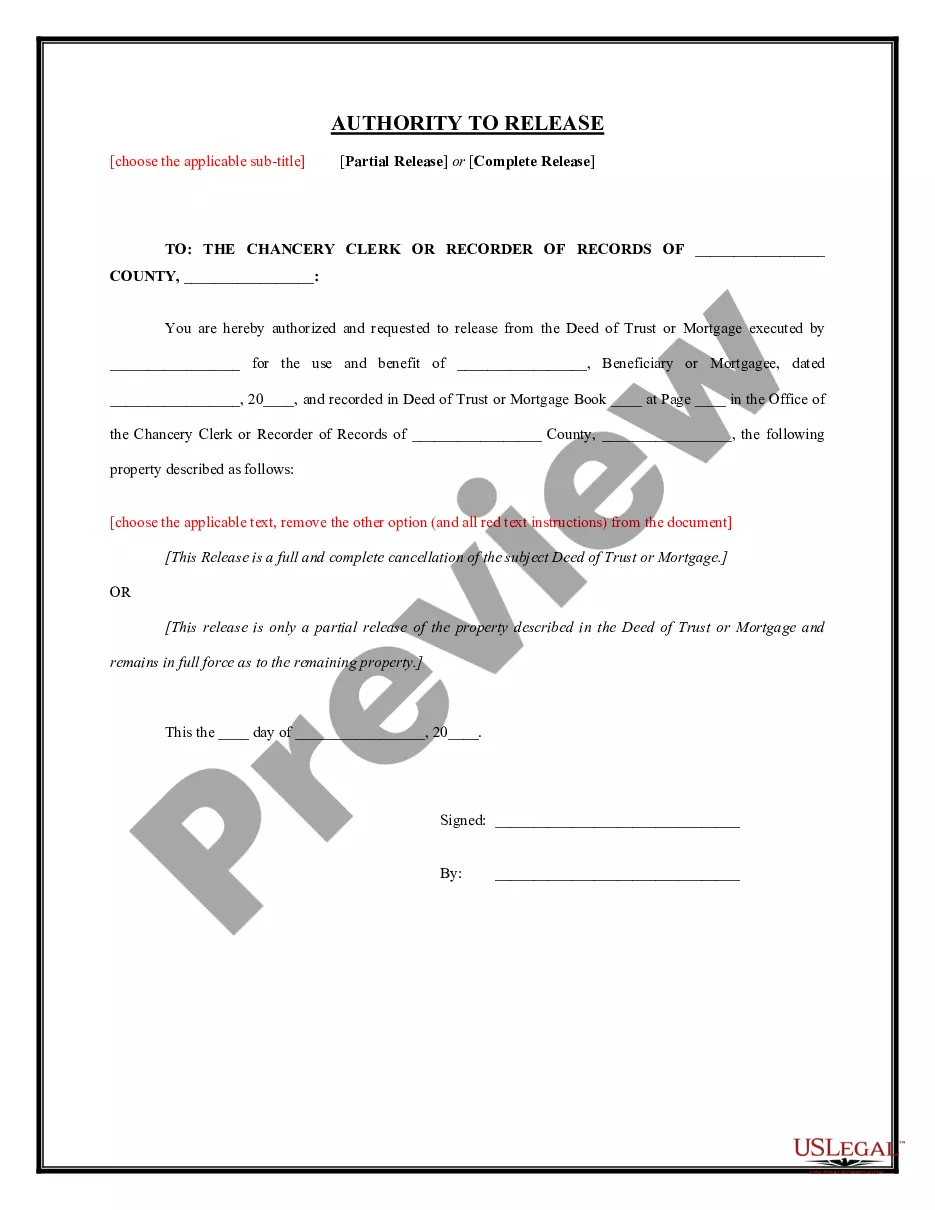
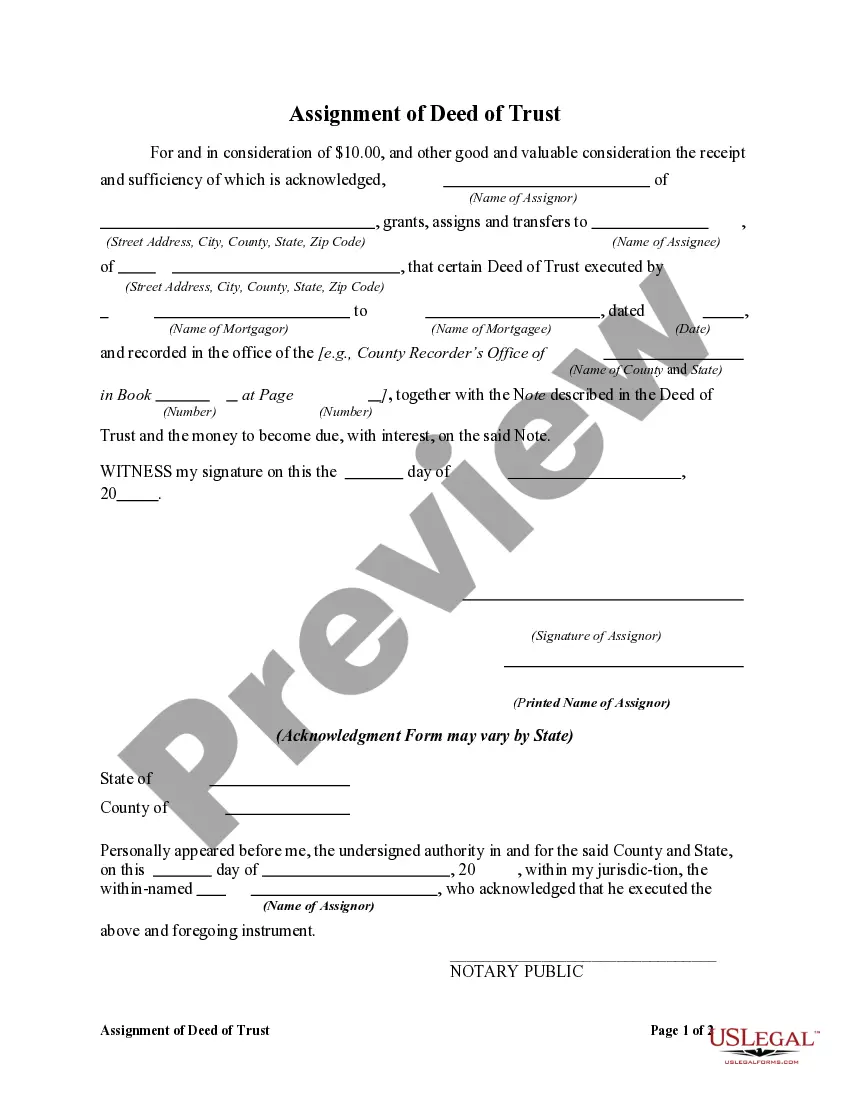
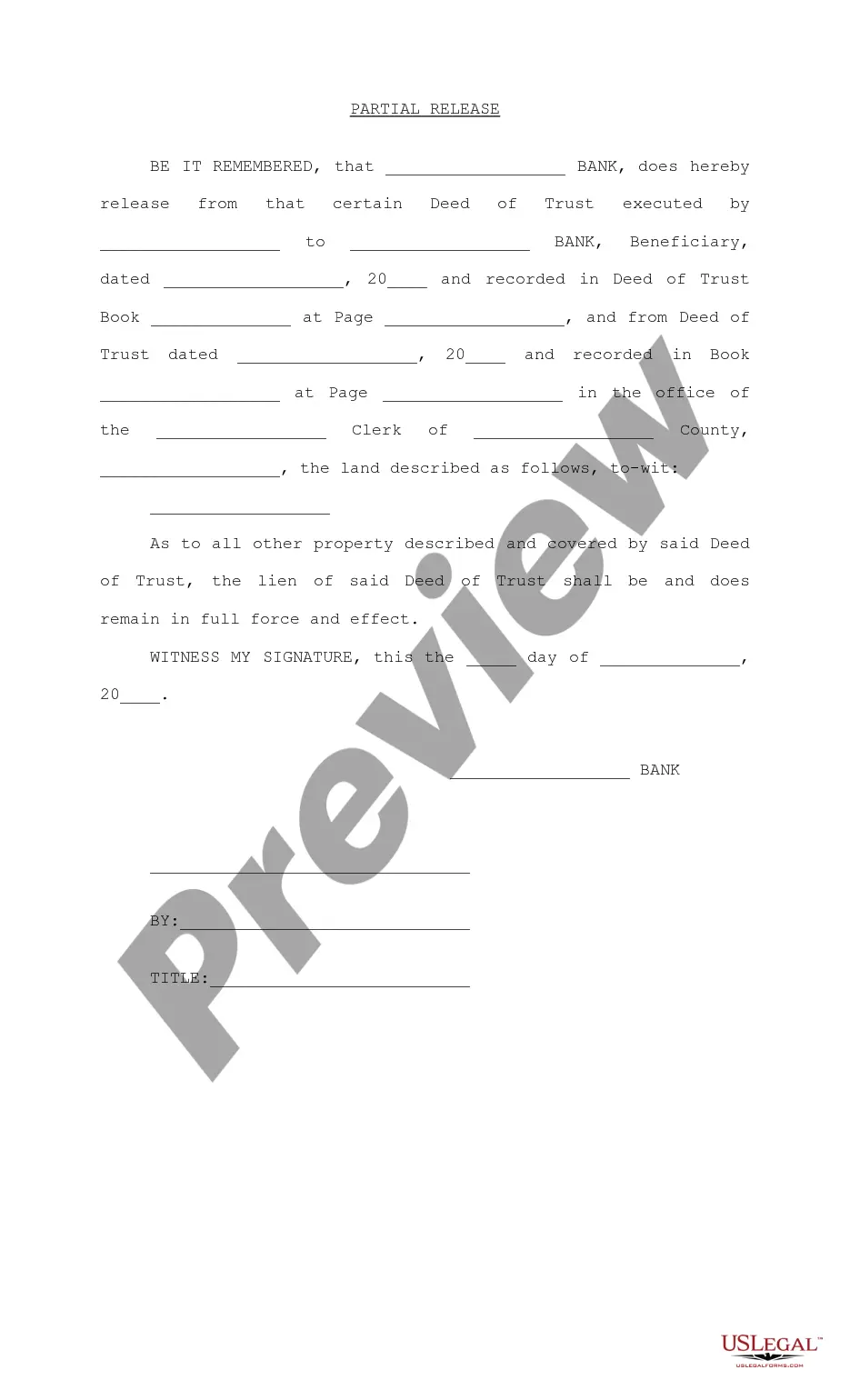
Get your form ready online
Our built-in tools help you complete, sign, share, and store your documents in one place.
Make edits, fill in missing information, and update formatting in US Legal Forms—just like you would in MS Word.
Download a copy, print it, send it by email, or mail it via USPS—whatever works best for your next step.
Sign and collect signatures with our SignNow integration. Send to multiple recipients, set reminders, and more. Go Premium to unlock E-Sign.
If this form requires notarization, complete it online through a secure video call—no need to meet a notary in person or wait for an appointment.
We protect your documents and personal data by following strict security and privacy standards.

Make edits, fill in missing information, and update formatting in US Legal Forms—just like you would in MS Word.

Download a copy, print it, send it by email, or mail it via USPS—whatever works best for your next step.

Sign and collect signatures with our SignNow integration. Send to multiple recipients, set reminders, and more. Go Premium to unlock E-Sign.

If this form requires notarization, complete it online through a secure video call—no need to meet a notary in person or wait for an appointment.

We protect your documents and personal data by following strict security and privacy standards.
Looking for another form?


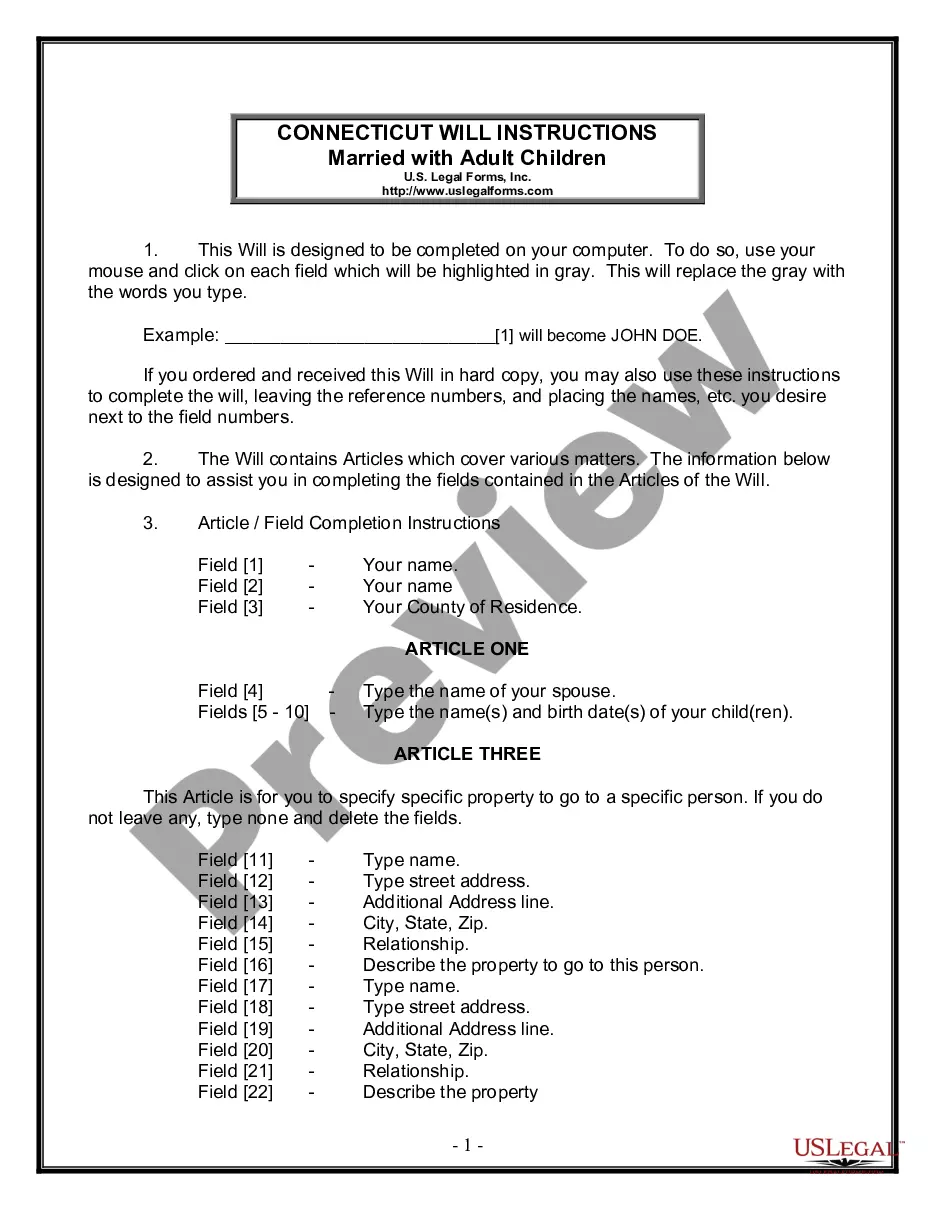

Form popularity
FAQ
Good to know: A Warranty Deed transfers real estate property title from one person or entity (grantor) to another person or entity (grantee). Whether the deed contains a full or limited warranty of title will determine which Warranty Deed you use.
Warranty Deed Rules and Requirements The name and address of the individual who prepared the deed. The name and address of the current owner (also called the grantor) The name and address of the new owner (also called the grantee) Original signature of the grantor (note: the grantee does not need to sign the deed)
Here are the steps for writing and filing a quitclaim deed in Florida: Download the Florida quitclaim deed. Fill in the name and address of the person who prepared the deed. Complete the buyer and seller sections. Property details. Submit tax details. Signatures. Delivery of the deed. Filing with the clerk.
An attorney licensed to practice law in Florida must prepare deeds, powers of attorney, and other instruments that are to be recorded. General closing documents that will not be recorded can be prepared by a non-attorney provided they are not contractual in nature.
A warranty deed promises that the grantor holds good, clear title to a piece of real estate. It promises also that the grantor has the right and authority right to sell it to the grantee or buyer. A quitclaim deed, on the other hand, makes no promises about the quality of the title to the property.
Since deed preparation is an integral part of the process of buying real estate in Florida, you should begin working with a real estate lawyer as soon as you can to understand deed requirements, and the basics of deed drafting.
After consulting with the property owner, the attorney will prepare the quitclaim deed to ensure that the owner's objectives are realized and that the legal description it accurate. Next, an attorney can determine whether the transfer is exempt from documentary stamp taxes.
In Florida, a non-attorney operated title company is only permitted to prepare documents involved in the issuance of title policies. Since they cannot provide services outside their scope, this limits their ability to close real estate transactions and resolve title issues.
Warranty Deeds A warranty deed offers the same promises as a grant deed, and then some. The owner of a property is guaranteeing that they have the full right to sell and transfer the property, and that the property is clear of any present or future claims, such as liens and taxes.
