Warranty Deed Vs Quit Claim Deed In Nassau
Description

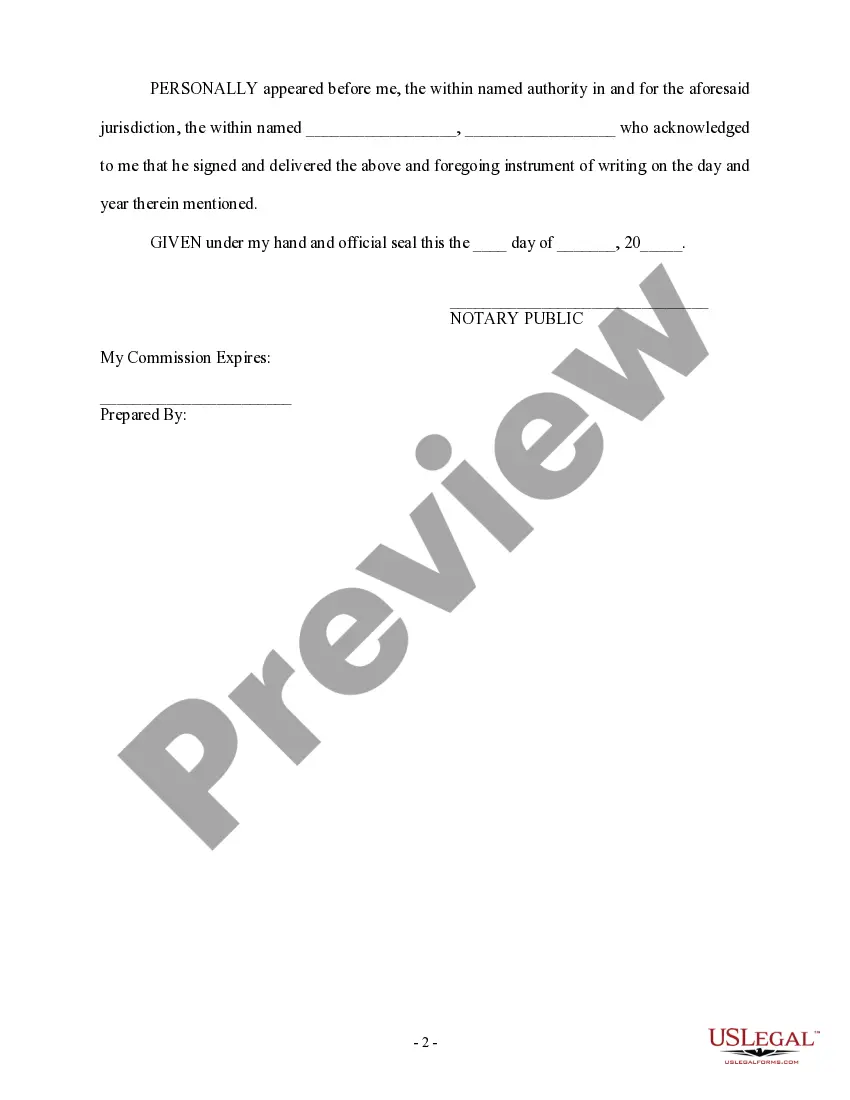
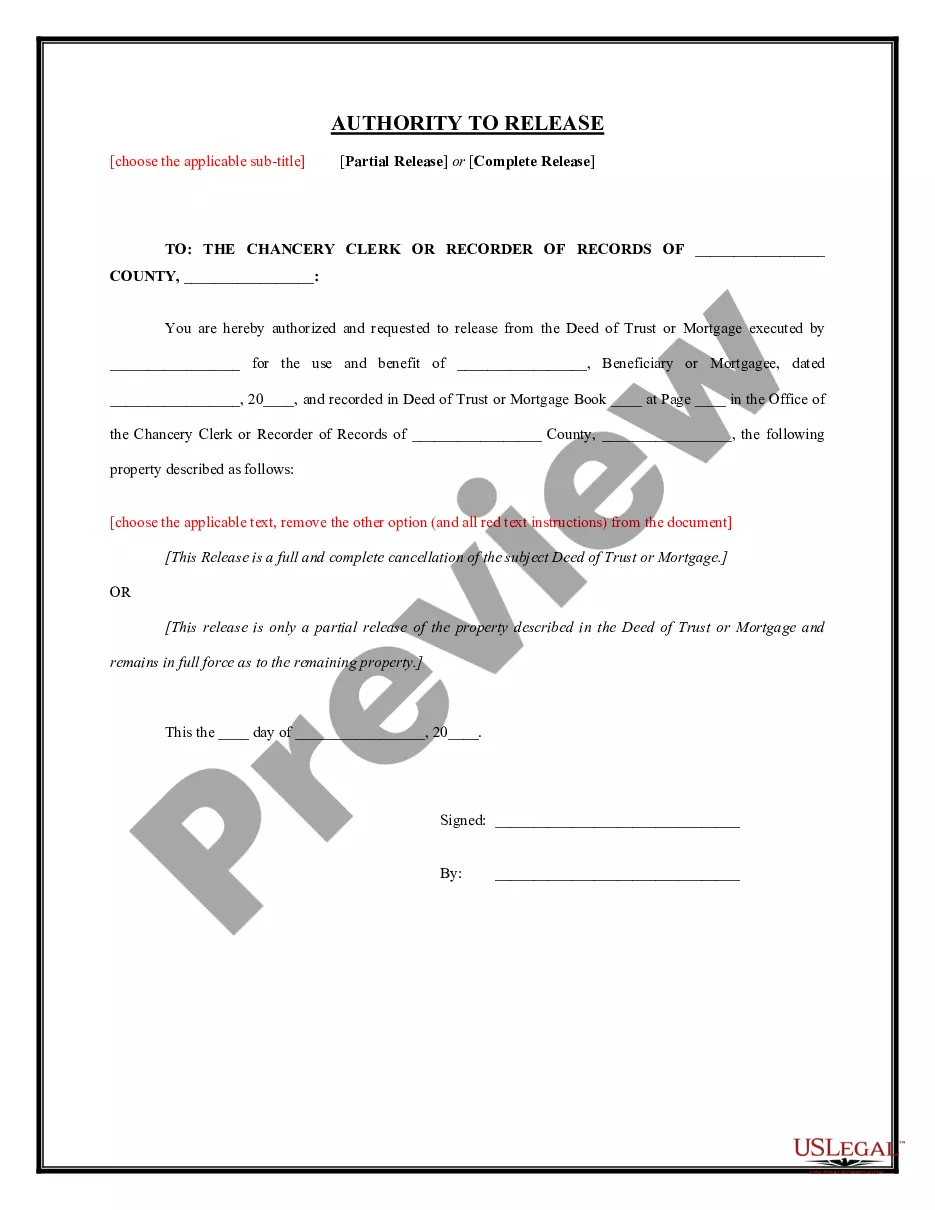
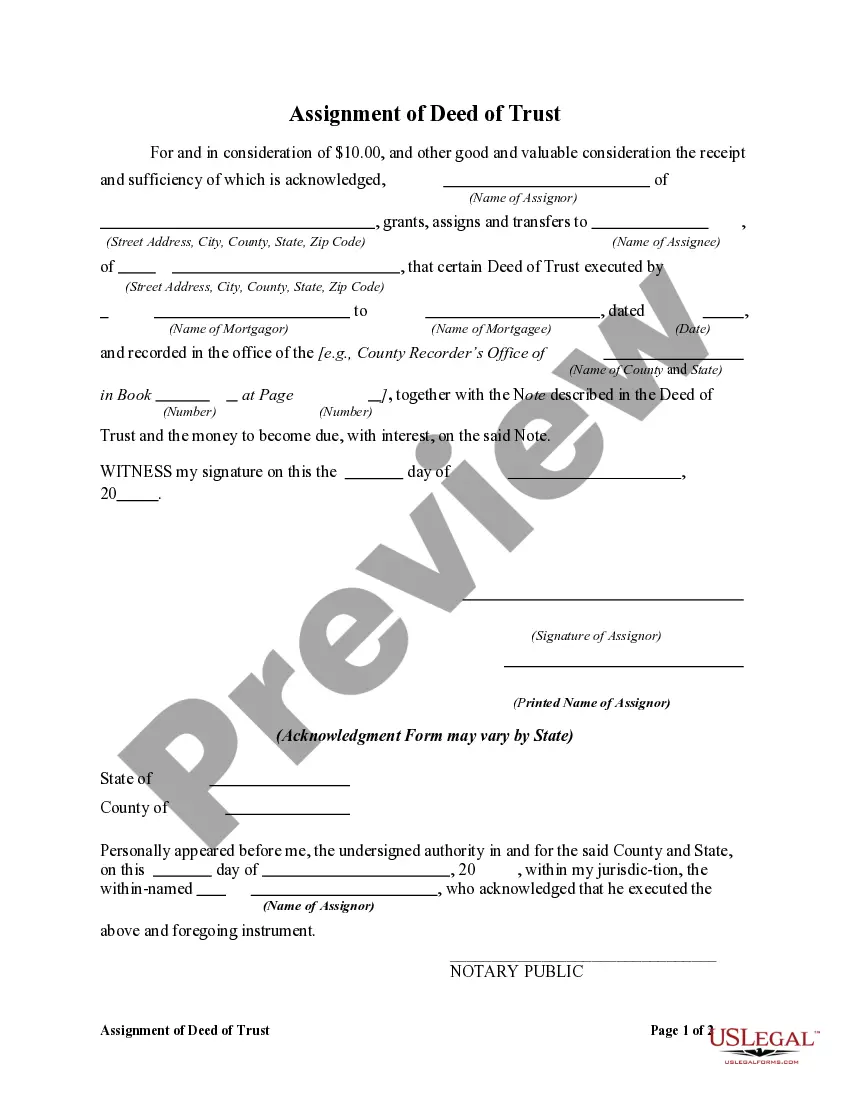
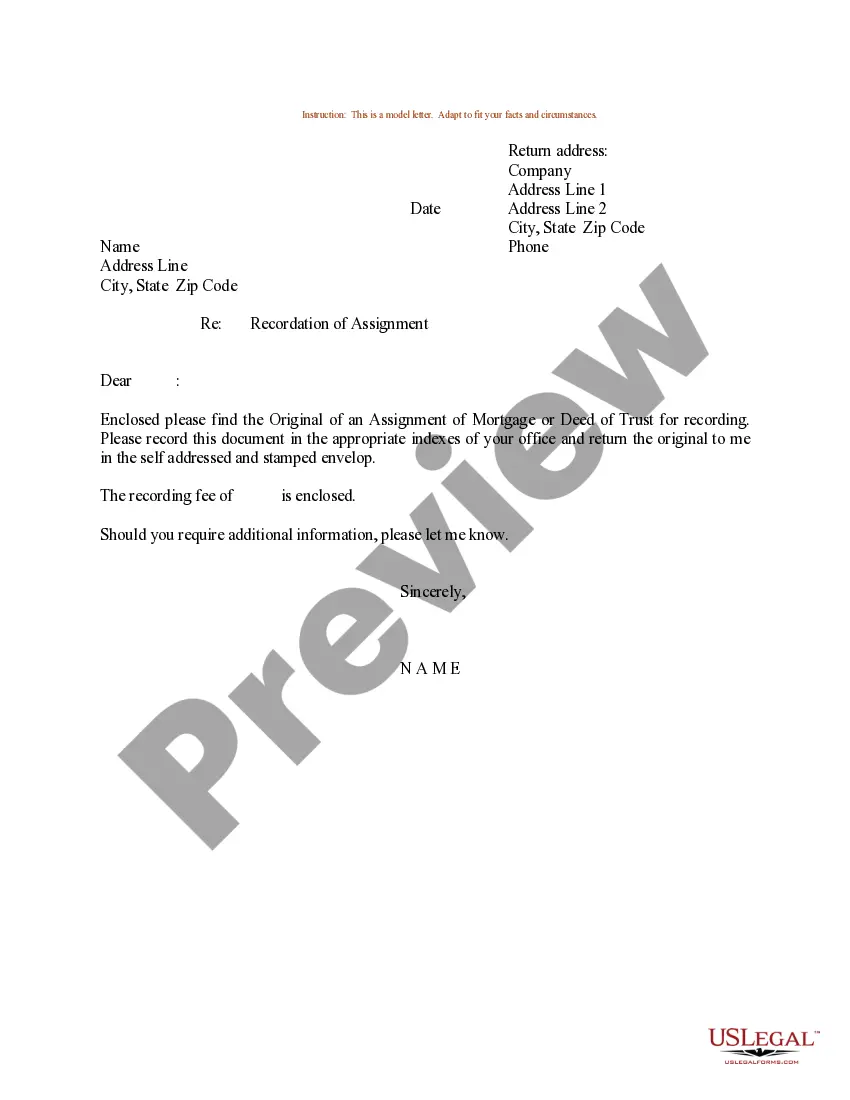

Get your form ready online
Our built-in tools help you complete, sign, share, and store your documents in one place.
Make edits, fill in missing information, and update formatting in US Legal Forms—just like you would in MS Word.
Download a copy, print it, send it by email, or mail it via USPS—whatever works best for your next step.
Sign and collect signatures with our SignNow integration. Send to multiple recipients, set reminders, and more. Go Premium to unlock E-Sign.
If this form requires notarization, complete it online through a secure video call—no need to meet a notary in person or wait for an appointment.
We protect your documents and personal data by following strict security and privacy standards.

Make edits, fill in missing information, and update formatting in US Legal Forms—just like you would in MS Word.

Download a copy, print it, send it by email, or mail it via USPS—whatever works best for your next step.

Sign and collect signatures with our SignNow integration. Send to multiple recipients, set reminders, and more. Go Premium to unlock E-Sign.

If this form requires notarization, complete it online through a secure video call—no need to meet a notary in person or wait for an appointment.

We protect your documents and personal data by following strict security and privacy standards.
Looking for another form?









Form popularity
FAQ
A general warranty deed must include the following to be valid: The name and address of the seller (called the grantor) The name and address of the buyer (called the grantee) A legal description of the property (found on the previous deed) A statement that the grantor is transferring the property to the grantee.
Preparation of the Deed: The seller prepares the warranty deed, detailing the grantor's and grantee's information, the legal description of the property, and the statement of conveyance. Notarization of the Deed: With all details in order, a notary public validates the warranty deed.
A general warranty deed must include the following to be valid: The name and address of the seller (called the grantor) The name and address of the buyer (called the grantee) A legal description of the property (found on the previous deed) A statement that the grantor is transferring the property to the grantee.
Use Form RP-5217-NYC for real property transfers within the five boroughs of New York City, and use Form RP-5217 for real property transfers in all other counties. Contact the local county clerk's office to confirm the specific local requirements.
How to fill out warranty template? Begin by entering your personal information such as name, address, and contact details. Include the details of the product being covered by the warranty, such as the brand, model, and serial number. Clearly state the duration of the warranty, specifying the start and end dates.
What Is the Strongest Type of Deed? For real estate buyers, a general warranty deed provides greater protection than any other type of deed. While it's the best deed for the grantee, it gives the grantor the most liability.
Mississippi Attorney Involvement Attorneys must prepare every legal document not prepared by a party to the transaction, including Warranty Deeds, Promissory Notes and Deeds of Trust, etc. Non-Attorneys may conduct closings but may not give legal advice.
It's safer to use a warranty deed any time you are not entirely sure of your or someone else's ownership stake in any property. If you are transferring a property to your child or to a revocable trust agreement as part of an estate plan, then a quitclaim deed could do the trick.
Now if gina sells the property. She can give her buyer a warranty deed. But i wouldn't advise thatMoreNow if gina sells the property. She can give her buyer a warranty deed. But i wouldn't advise that you'd want to convey the property via another quit claim deed.
There are several scenarios where a quitclaim deed can be a convenient option: Marriage: allows you to easily add your spouse to your title. Divorce: if you get divorced and need the title transferred to you or your ex-spouse. Wills: If someone passes and they've granted the title to a friend or relative.
