Warranty Deed Vs Quit Claim Deed For House In Harris
Description

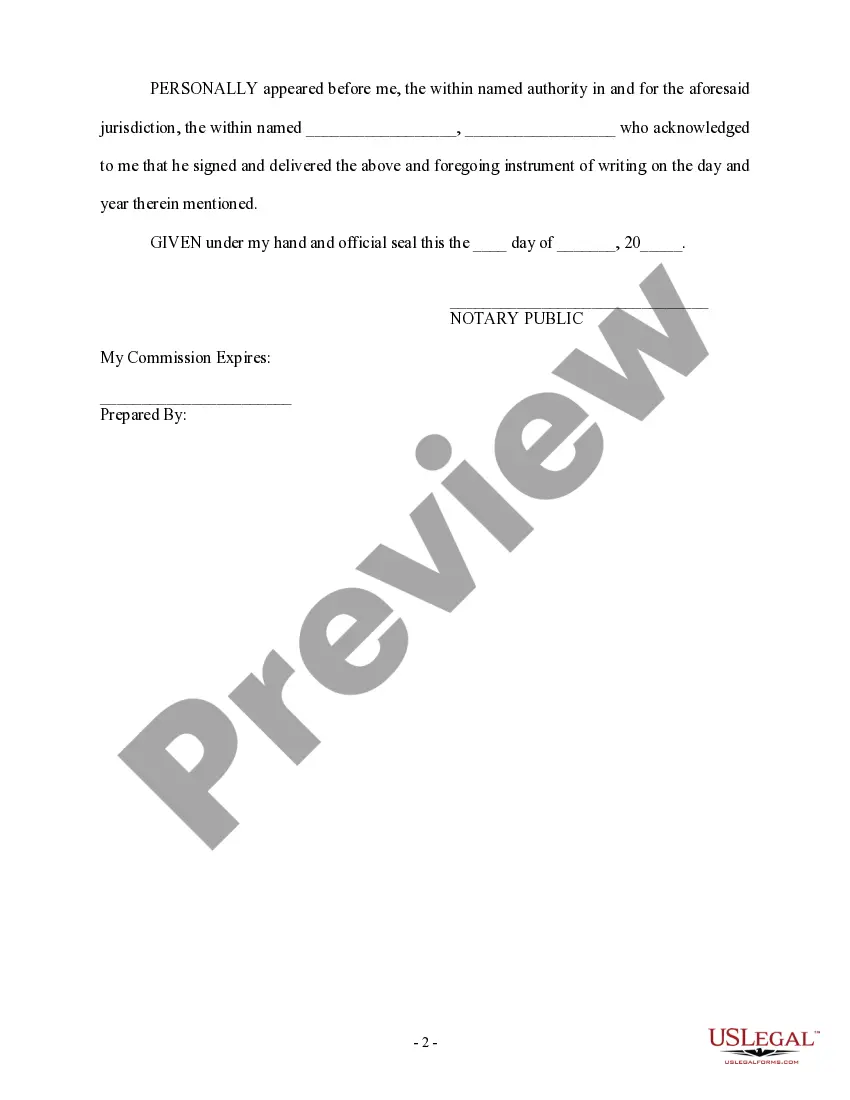
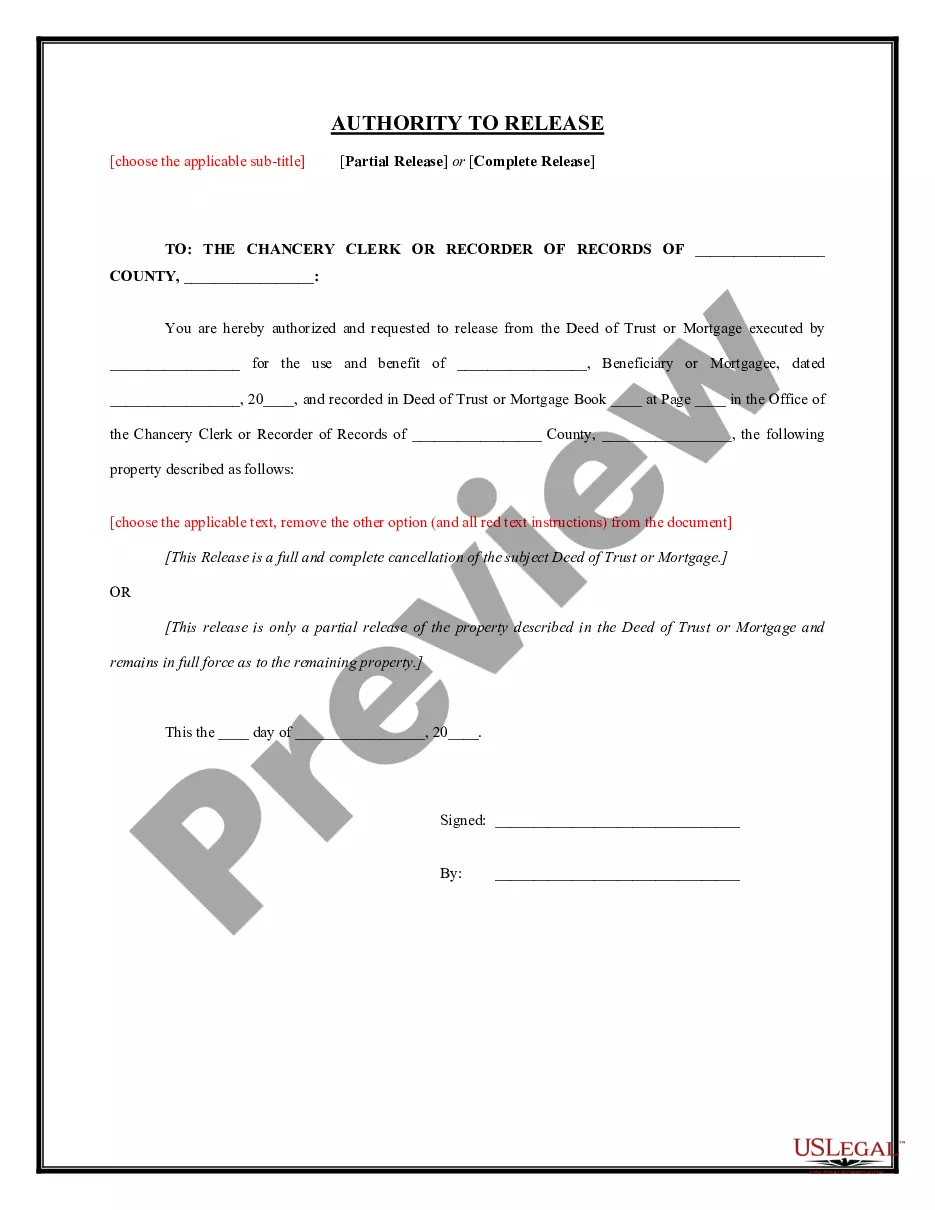
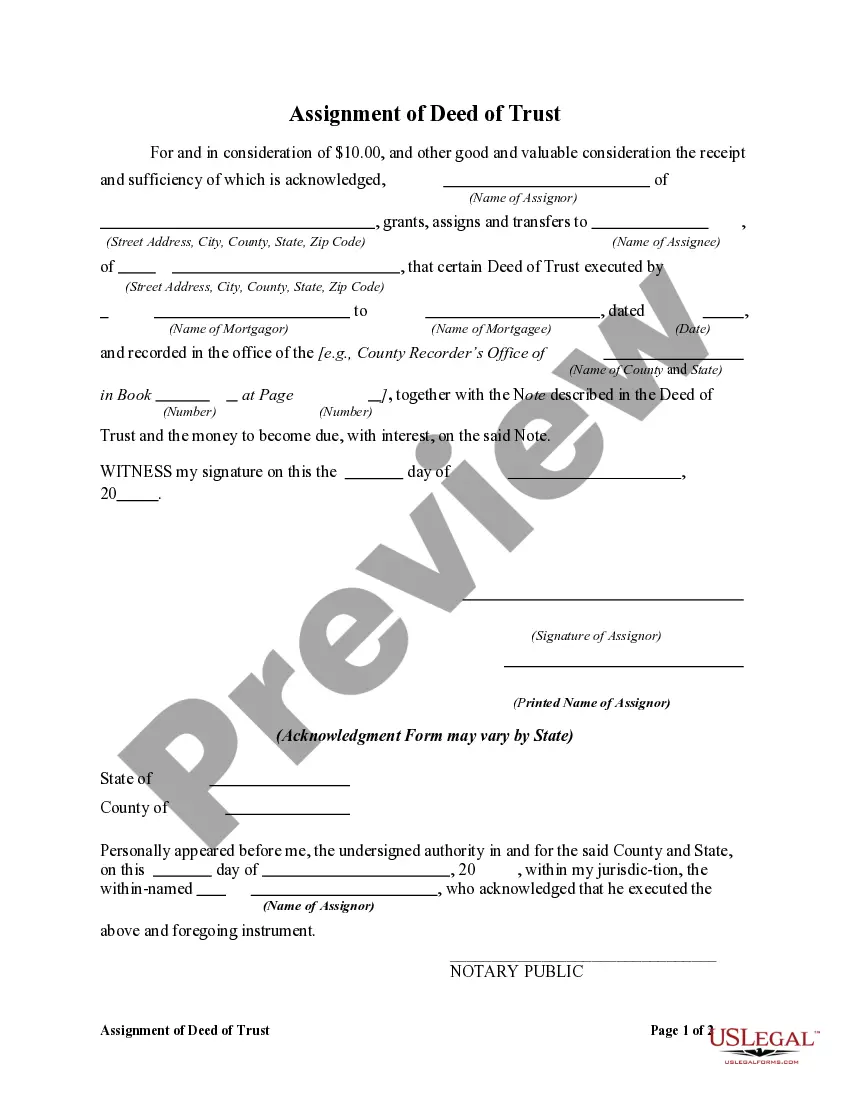

Get your form ready online
Our built-in tools help you complete, sign, share, and store your documents in one place.
Make edits, fill in missing information, and update formatting in US Legal Forms—just like you would in MS Word.
Download a copy, print it, send it by email, or mail it via USPS—whatever works best for your next step.
Sign and collect signatures with our SignNow integration. Send to multiple recipients, set reminders, and more. Go Premium to unlock E-Sign.
If this form requires notarization, complete it online through a secure video call—no need to meet a notary in person or wait for an appointment.
We protect your documents and personal data by following strict security and privacy standards.

Make edits, fill in missing information, and update formatting in US Legal Forms—just like you would in MS Word.

Download a copy, print it, send it by email, or mail it via USPS—whatever works best for your next step.

Sign and collect signatures with our SignNow integration. Send to multiple recipients, set reminders, and more. Go Premium to unlock E-Sign.

If this form requires notarization, complete it online through a secure video call—no need to meet a notary in person or wait for an appointment.

We protect your documents and personal data by following strict security and privacy standards.
Looking for another form?









Form popularity
FAQ
It's safer to use a warranty deed any time you are not entirely sure of your or someone else's ownership stake in any property. If you are transferring a property to your child or to a revocable trust agreement as part of an estate plan, then a quitclaim deed could do the trick.
Texas deeds without warranty While the deed without warranty sells and conveys the property to the buyer, it's only slightly better than a quitclaim deed. It conveys title to the buyer, but there's no warranty against any defects in the title.
SB 885 provides that four years after recording a quitclaim deed, a subsequent purchaser or creditor for value without actual notice of other unrecorded claims on the property has good faith protection.
General warranty deeds: A general warranty deed provides the most protection to the buyer but gives the grantor the highest degree of liability. The grantor of a general warranty deed fully warrants good, clear title to the property.
To complete your property title transfer in Texas, the deed needs to be signed by the seller or grantor in front of a notary. Once the document has been properly acknowledged, it should be filed with the county clerk's office in the county where the property is located.
How to fill out warranty deed texas: Begin by obtaining the correct form for a warranty deed in Texas. Fill in the necessary information on the form, including the names and addresses of both the grantor (current owner) and the grantee (new owner). Provide a detailed legal description of the property being transferred.
The buyer, or grantee, of a property benefits the most from obtaining a warranty deed. Through the recording of a warranty deed, the seller is providing assurances to the buyer should anything unexpected happen.
