Warranty Deed Vs Quit Claim Deed Form Florida In Georgia
Description

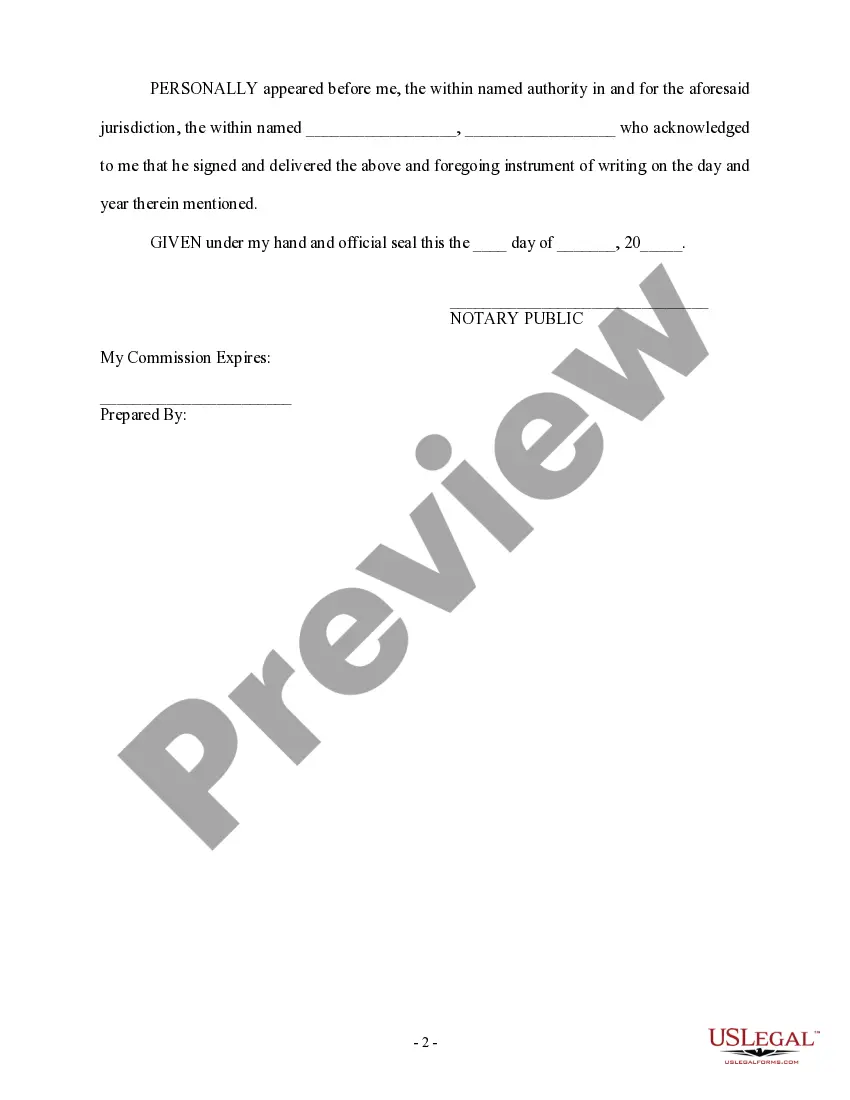
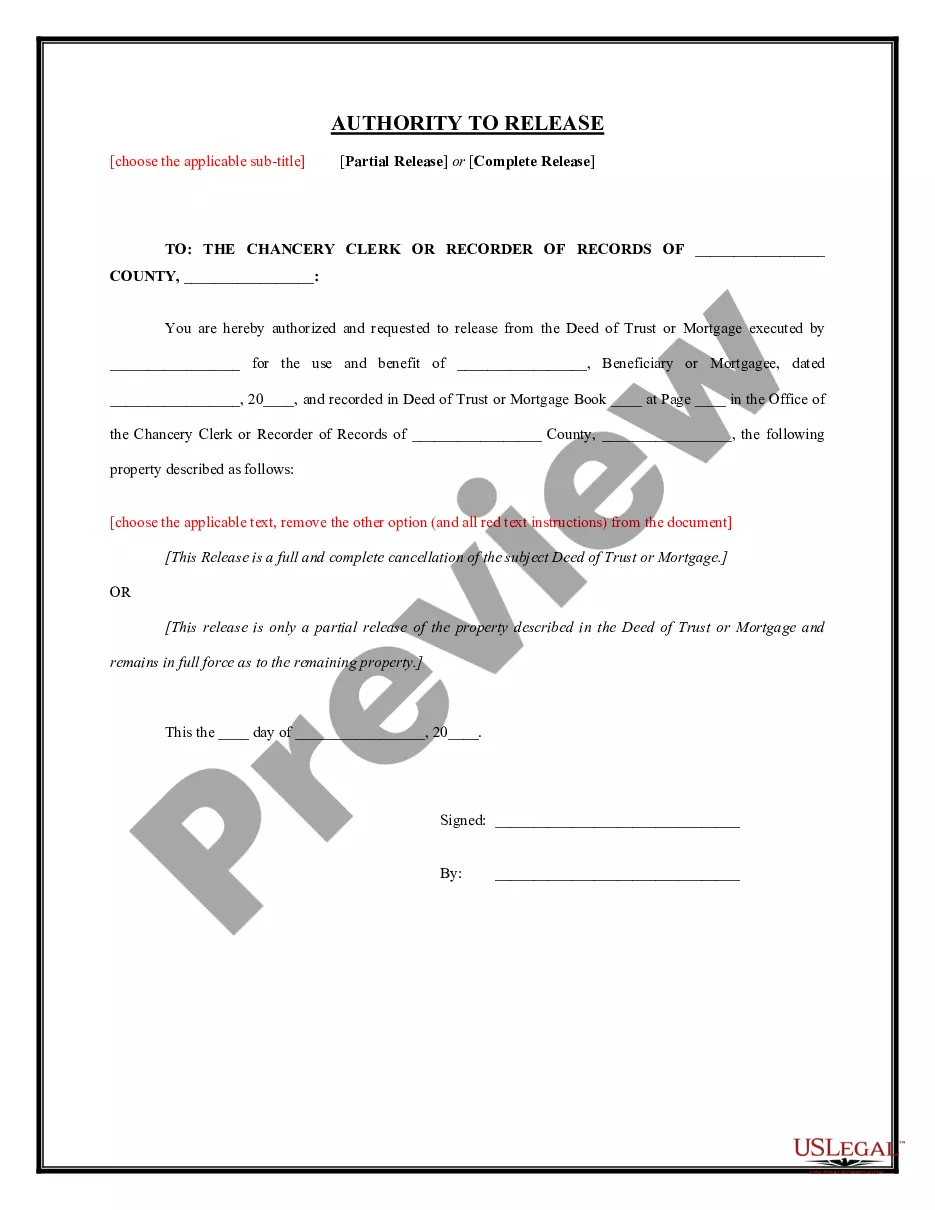
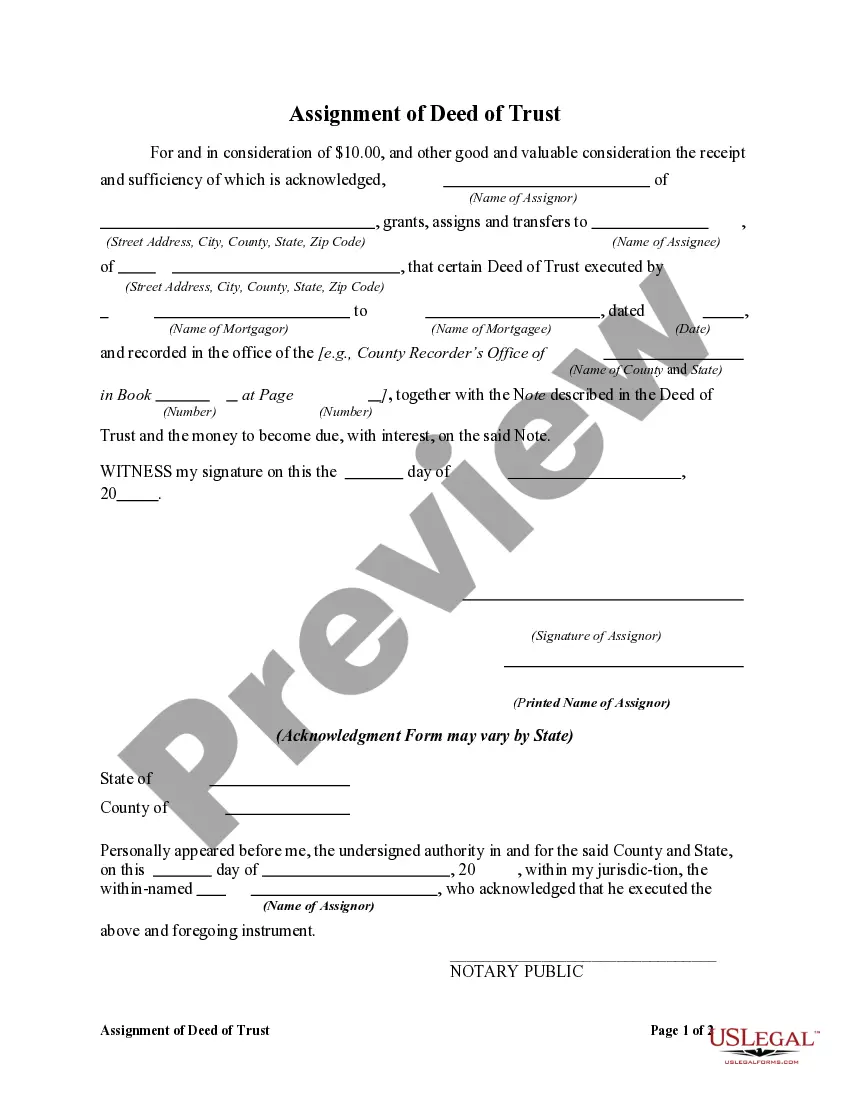

Get your form ready online
Our built-in tools help you complete, sign, share, and store your documents in one place.
Make edits, fill in missing information, and update formatting in US Legal Forms—just like you would in MS Word.
Download a copy, print it, send it by email, or mail it via USPS—whatever works best for your next step.
Sign and collect signatures with our SignNow integration. Send to multiple recipients, set reminders, and more. Go Premium to unlock E-Sign.
If this form requires notarization, complete it online through a secure video call—no need to meet a notary in person or wait for an appointment.
We protect your documents and personal data by following strict security and privacy standards.

Make edits, fill in missing information, and update formatting in US Legal Forms—just like you would in MS Word.

Download a copy, print it, send it by email, or mail it via USPS—whatever works best for your next step.

Sign and collect signatures with our SignNow integration. Send to multiple recipients, set reminders, and more. Go Premium to unlock E-Sign.

If this form requires notarization, complete it online through a secure video call—no need to meet a notary in person or wait for an appointment.

We protect your documents and personal data by following strict security and privacy standards.
Looking for another form?








Form popularity
FAQ
A warranty deed by definition is a deed which conveys the title to property whereby the seller guarantees the title to be good and unencumbered except as stated and agrees to defend and protect the purchaser against any loss that may arise in the future from any defect in the title at the time of conveyance.
Long story short: If you are the buyer, then the warranty deed is more favorable to you because it provides a more solid legal protection. If you're the seller, the quitclaim deed is more favorable to you.
Common uses – Typically, quitclaim deeds are used for lower-risk transfers between related parties. In contrast, warranty deeds are used for real estate sales and high-value transactions involving unrelated grantees. Grantee risks – With a quitclaim deed, all risks remain with the grantee.
Long story short: If you are the buyer, then the warranty deed is more favorable to you because it provides a more solid legal protection. If you're the seller, the quitclaim deed is more favorable to you.
Next the parties. Involved must agree on the terms of the deed. This includes the names of the grtorMoreNext the parties. Involved must agree on the terms of the deed. This includes the names of the grtor. The person transferring the property and the grantee the person receiving.
A general warranty deed is the strongest deed because it offers the most protection. A quitclaim deed is usually the weakest deed because it offers the least amount of protection.
Yes you can complete and record your own deed. It must b properly signed, witnessed, and notarized.
Now if gina sells the property. She can give her buyer a warranty deed. But i wouldn't advise thatMoreNow if gina sells the property. She can give her buyer a warranty deed. But i wouldn't advise that you'd want to convey the property via another quit claim deed.
A warranty deed offers the strongest protection. It protects the party receiving the property title in case there turns out to be any issues with the title.
A warranty deed offers the strongest protection. It protects the party receiving the property title in case there turns out to be any issues with the title.
