All Business Purchase Formula In Michigan
Description

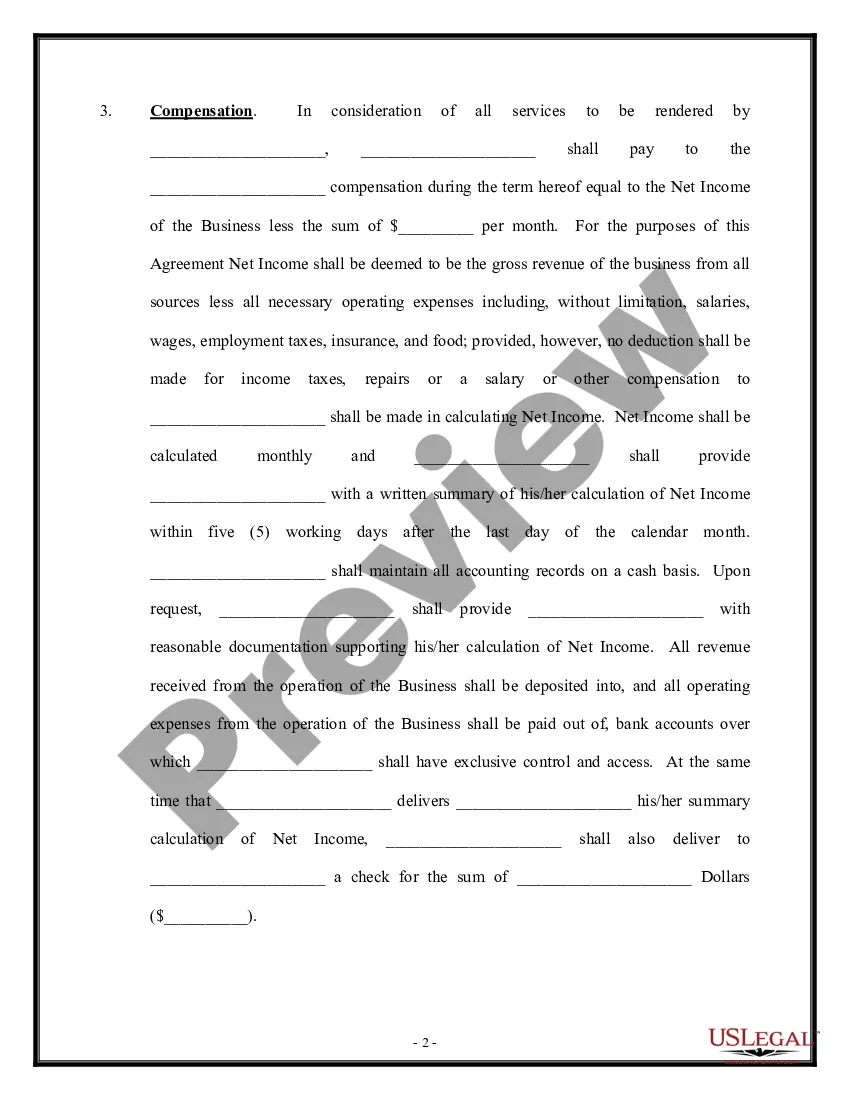
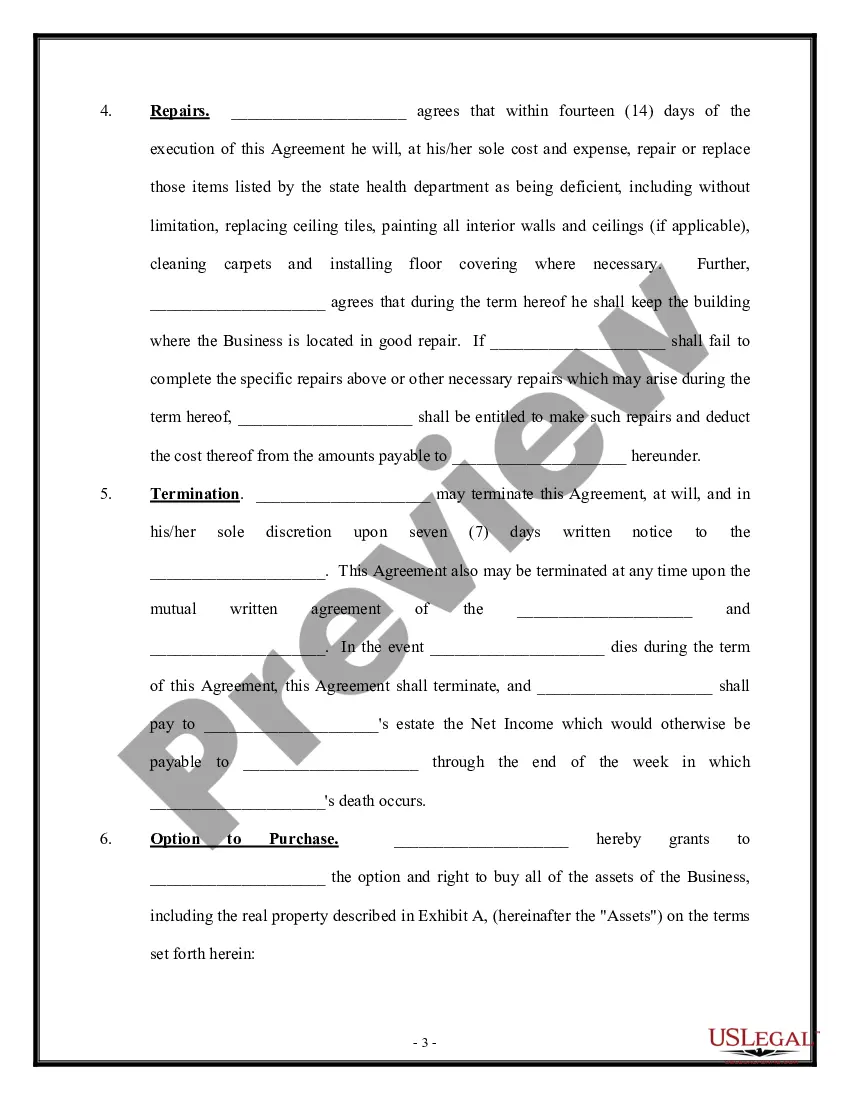
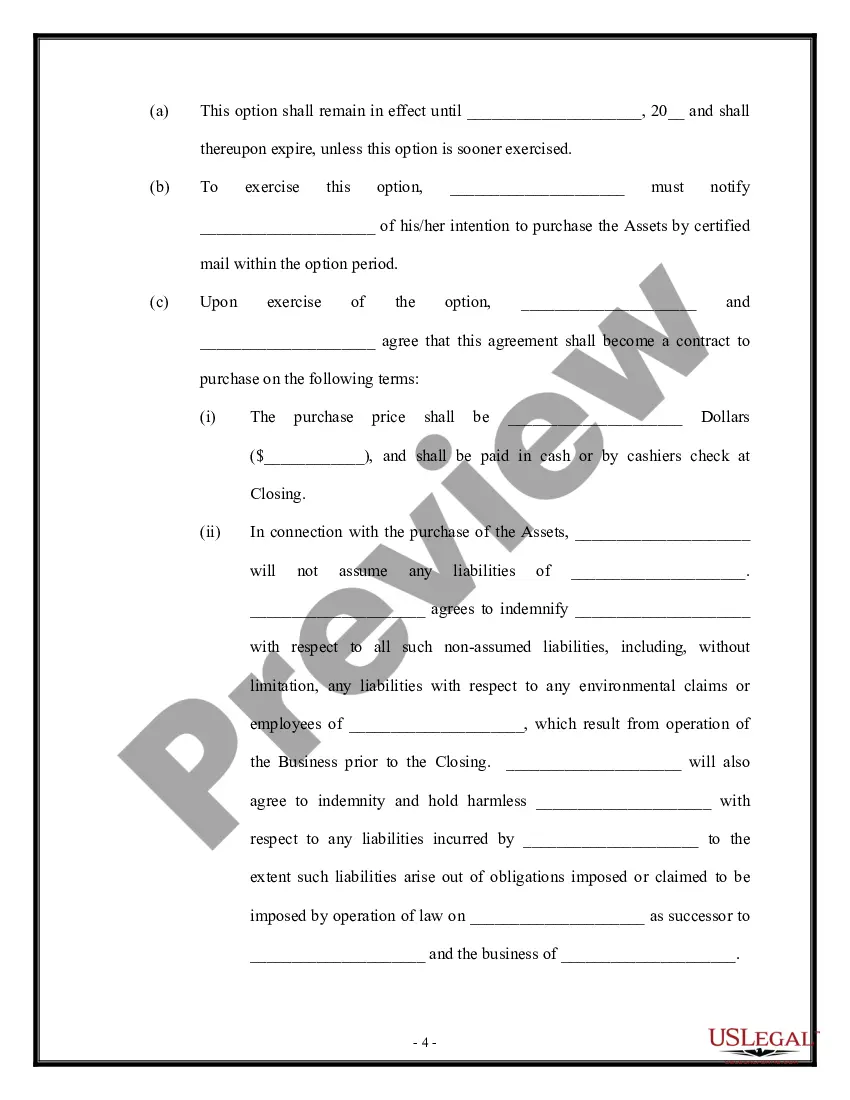
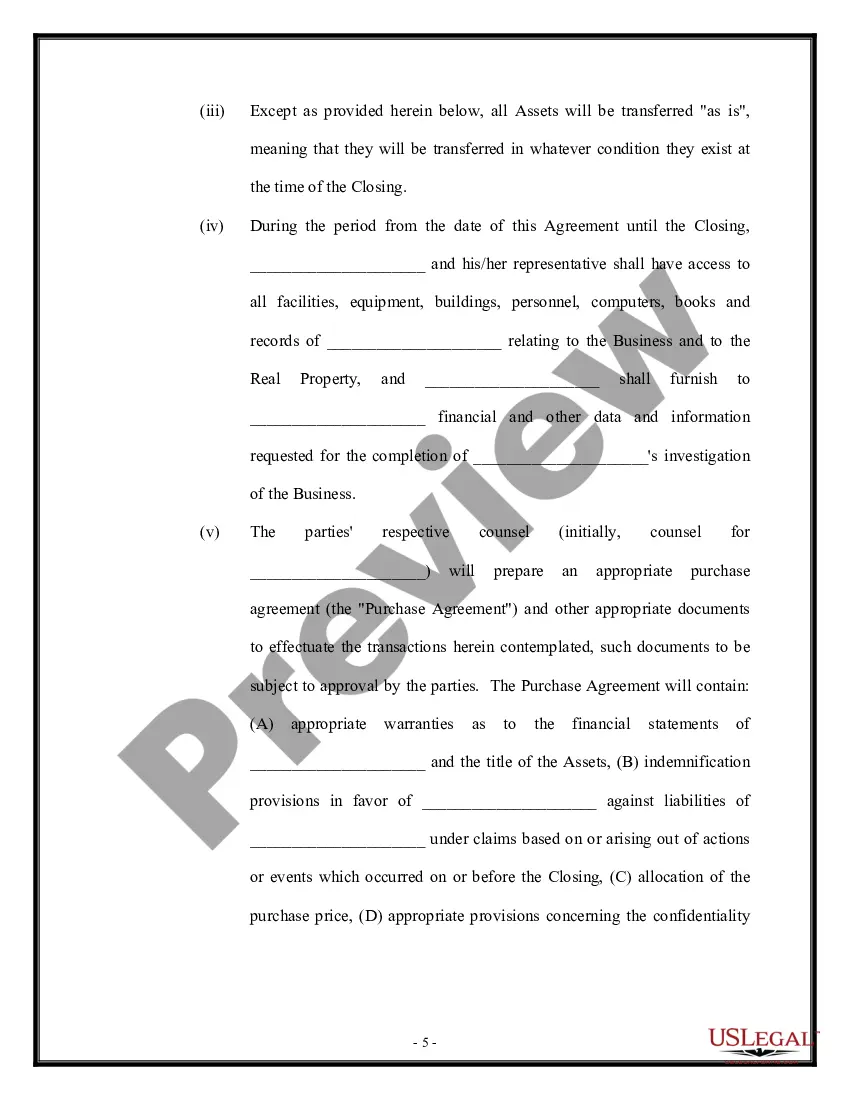
Get your form ready online
Our built-in tools help you complete, sign, share, and store your documents in one place.
Make edits, fill in missing information, and update formatting in US Legal Forms—just like you would in MS Word.
Download a copy, print it, send it by email, or mail it via USPS—whatever works best for your next step.
Sign and collect signatures with our SignNow integration. Send to multiple recipients, set reminders, and more. Go Premium to unlock E-Sign.
If this form requires notarization, complete it online through a secure video call—no need to meet a notary in person or wait for an appointment.
We protect your documents and personal data by following strict security and privacy standards.

Make edits, fill in missing information, and update formatting in US Legal Forms—just like you would in MS Word.

Download a copy, print it, send it by email, or mail it via USPS—whatever works best for your next step.

Sign and collect signatures with our SignNow integration. Send to multiple recipients, set reminders, and more. Go Premium to unlock E-Sign.

If this form requires notarization, complete it online through a secure video call—no need to meet a notary in person or wait for an appointment.

We protect your documents and personal data by following strict security and privacy standards.
Looking for another form?





Form popularity
FAQ
The treatment described in this bulletin is for periods after April 30, 1994 when sales and use tax rates increase from 4% to 6%.
Current Value = (Asset Value) / (1 – Debt Ratio) To quickly value a business, find its total liabilities and subtract them from the total assets. This will give you an idea of its book value. This formula estimates the worth of a business by looking at its assets and subtracting any liabilities.
To accurately ascertain a business's value efficiently, calculate its total liabilities and subtract that figure from the sum of all assets—the resulting number is known as book value. This approach to calculating company worth takes into account both existing assets and any outstanding liabilities.
9% of small businesses make over $1 million There are 16% of owners less successful, making less than $10,000 per year.
A venture that earns $1 million per year in revenue, for example, could have a multiple of 2 or 3 applied to it, resulting in a $2 or $3 million valuation. Another business might earn just $500,000 per year and earn a multiple of 0.5, yielding a valuation of $250,000.
The specific multiple used often ranges from 2 to 6 times EBITDA depending on the size, industry, profit margins, and growth prospects. For example, a retail store doing $100,000 in annual EBITDA could be valued roughly at $200,000 to $600,000 based on a 2X – 6X EBITDA rule of thumb.
To find the fair market value, it is then necessary to divide that figure by the capitalization rate. Therefore, the income approach would reveal the following calculations. Projected sales are $500,000, and the capitalization rate is 25%, so the fair market value is $125,000.
The sale of a business usually is not a sale of one asset. Instead, all the assets of the business are sold. Generally, when this occurs, each asset is treated as being sold separately for determining the treatment of gain or loss. A business usually has many assets.
In Michigan, a UBG with standard members must file Form 4567. A Designated Member (DM) must file the return on behalf of the standard members of the group. In a parent- subsidiary controlled group, the controlling member must serve as DM if it has nexus with Michigan.
When you close or sell your business, you must file final employment tax returns with the IRS. You also must file returns to report disposing of business property, to report the exchange of like-kind property, and/or to change the form of your business.
