Warranty Deed Vs Grant Deed In Florida
Description

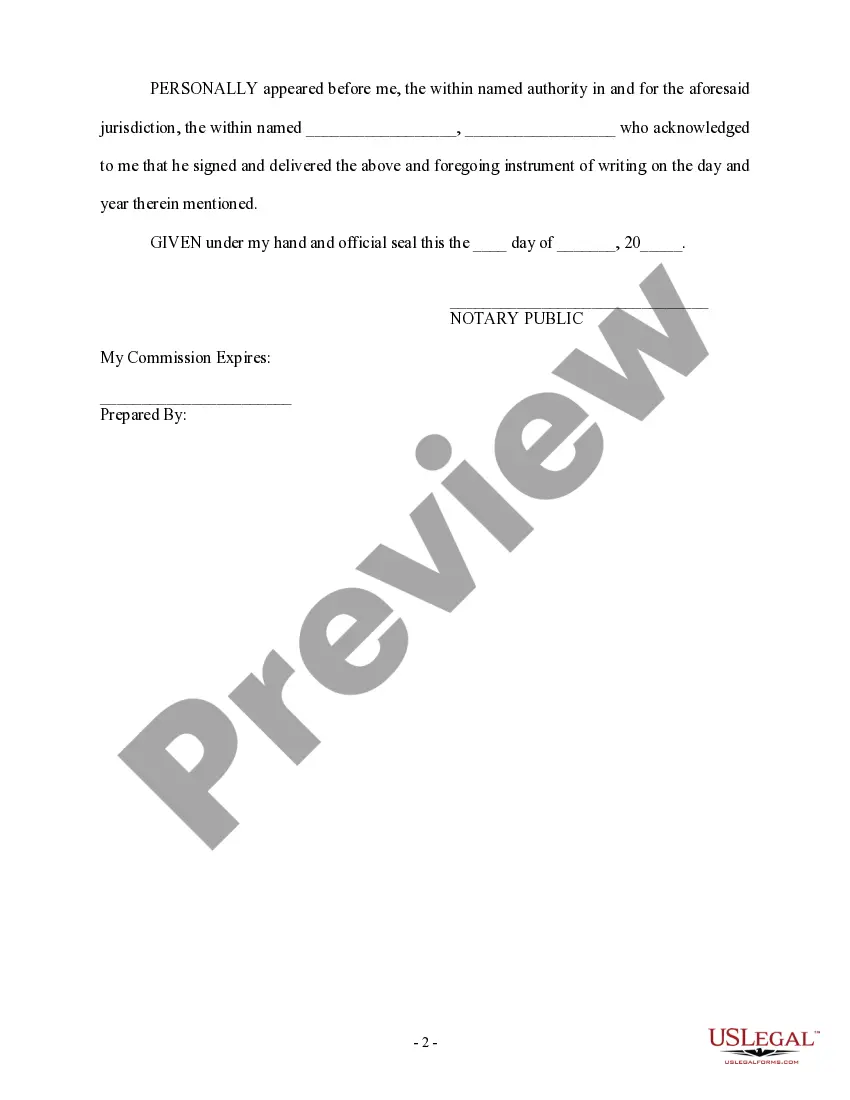
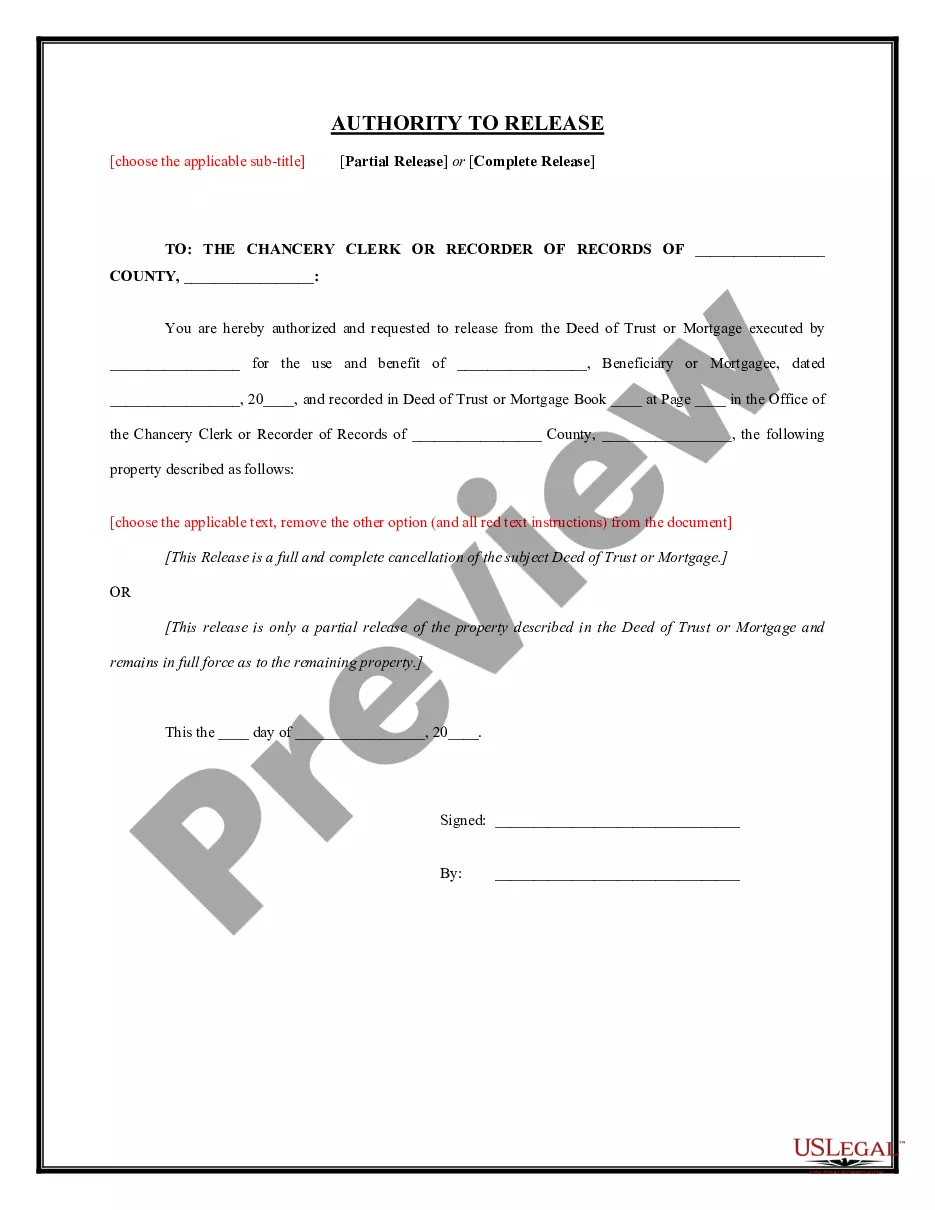
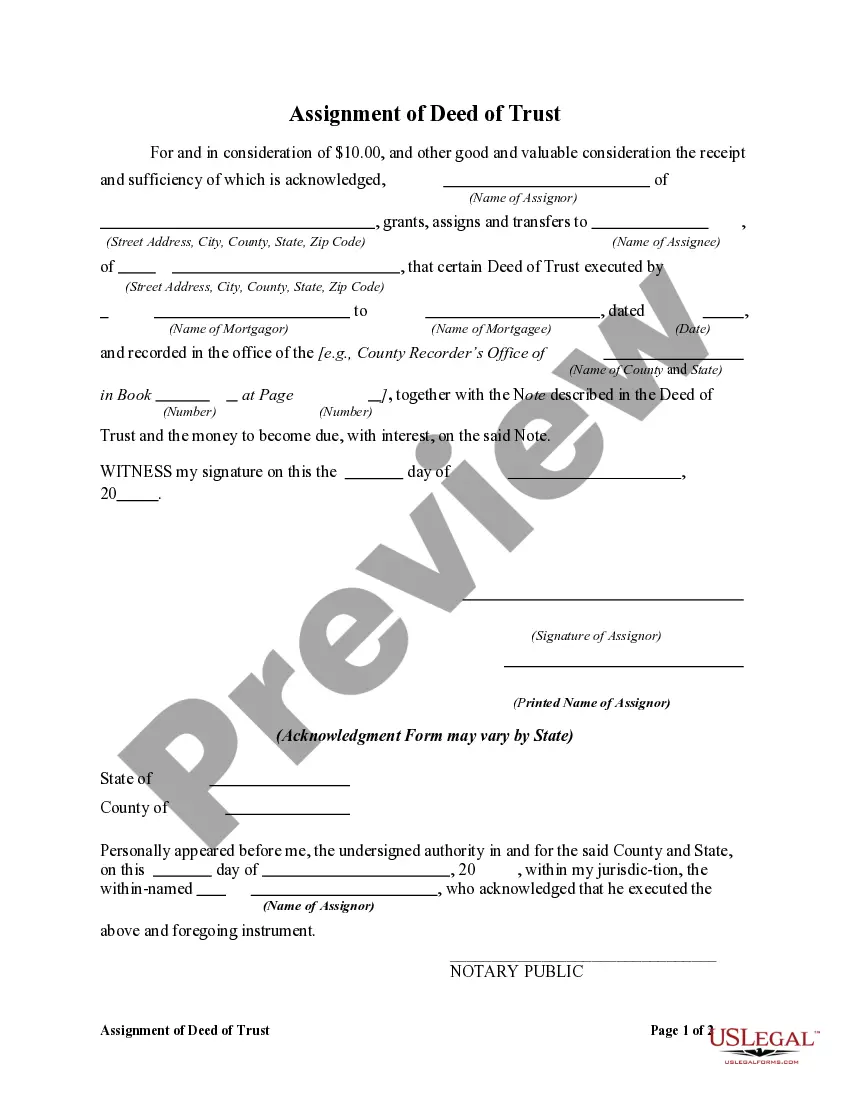
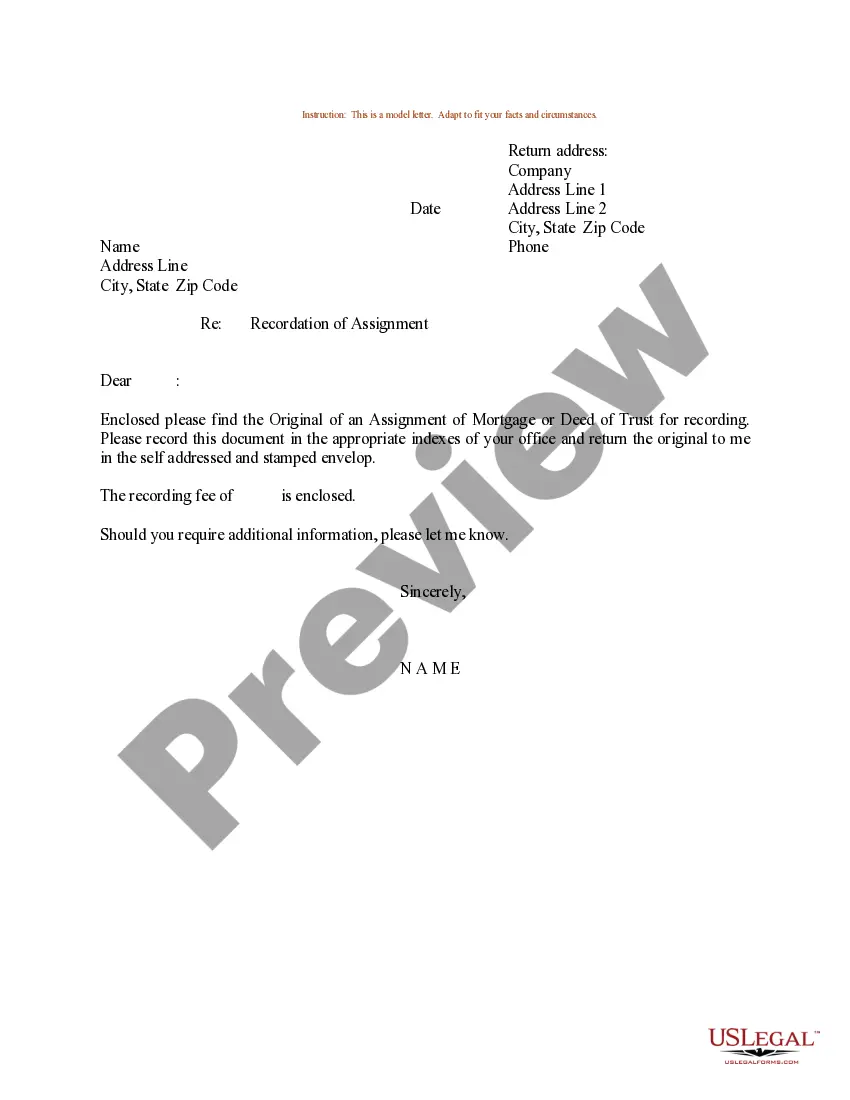

Get your form ready online
Our built-in tools help you complete, sign, share, and store your documents in one place.
Make edits, fill in missing information, and update formatting in US Legal Forms—just like you would in MS Word.
Download a copy, print it, send it by email, or mail it via USPS—whatever works best for your next step.
Sign and collect signatures with our SignNow integration. Send to multiple recipients, set reminders, and more. Go Premium to unlock E-Sign.
If this form requires notarization, complete it online through a secure video call—no need to meet a notary in person or wait for an appointment.
We protect your documents and personal data by following strict security and privacy standards.

Make edits, fill in missing information, and update formatting in US Legal Forms—just like you would in MS Word.

Download a copy, print it, send it by email, or mail it via USPS—whatever works best for your next step.

Sign and collect signatures with our SignNow integration. Send to multiple recipients, set reminders, and more. Go Premium to unlock E-Sign.

If this form requires notarization, complete it online through a secure video call—no need to meet a notary in person or wait for an appointment.

We protect your documents and personal data by following strict security and privacy standards.
Looking for another form?








Form popularity
FAQ
Obtaining a copy of a warranty deed in Florida is a relatively simple task. The first step would be to identify the county in which the subject property is located. Thereafter, a visit to that county's Clerk of Circuit Court website will produce all public records, such as property deeds, associated with the property.
Obtaining a copy of a warranty deed in Florida is a relatively simple task. The first step would be to identify the county in which the subject property is located. Thereafter, a visit to that county's Clerk of Circuit Court website will produce all public records, such as property deeds, associated with the property.
The main difference between a grant deed vs. warranty deed is the level of protection offered. A warranty deed offers a higher level of protection than a grant deed. With a grant deed, the grantor is guaranteeing that they haven't sold the property to anyone else, and that it is clear of any liens or restrictions.
Quitclaim deeds are often used to transfer property into a trust or to clarify ownership for any beneficiaries after the death of the property owner. Correcting title defects. Known as "clouds on title,” minor defects like misspellings may sometimes be corrected using a quitclaim deed.
A general warranty deed must include the following to be valid: The name and address of the seller (called the grantor) The name and address of the buyer (called the grantee) A legal description of the property (found on the previous deed) A statement that the grantor is transferring the property to the grantee.
A quitclaim deed is often used in divorces, when one spouse gives up any potential community property interest. In addition, a quitclaim deed is used to clear some "cloud on the title." A "cloud on the title" is some minor defect in the title which needs to be removed in order to perfect the title.
Quitclaim Deed This type of deed guarantees nothing and there is no expressed or implied warranty that grantor owns the property or any interest in it. Moreover, a quitclaim deed does not convey any after-acquired title.
A quitclaim deed is often used to cure a defect (a “cloud on the title”) in the recorded history of a real estate title.
In Florida, a warranty deed (also called a general warranty deed) provides the grantee with broad warranties and covenants of title and is the customary form of deed used in residential real property transactions. This Standard Document has integrated drafting notes with important explanations and drafting tips.
