Warranty Deed Vs Deed In Florida
Description
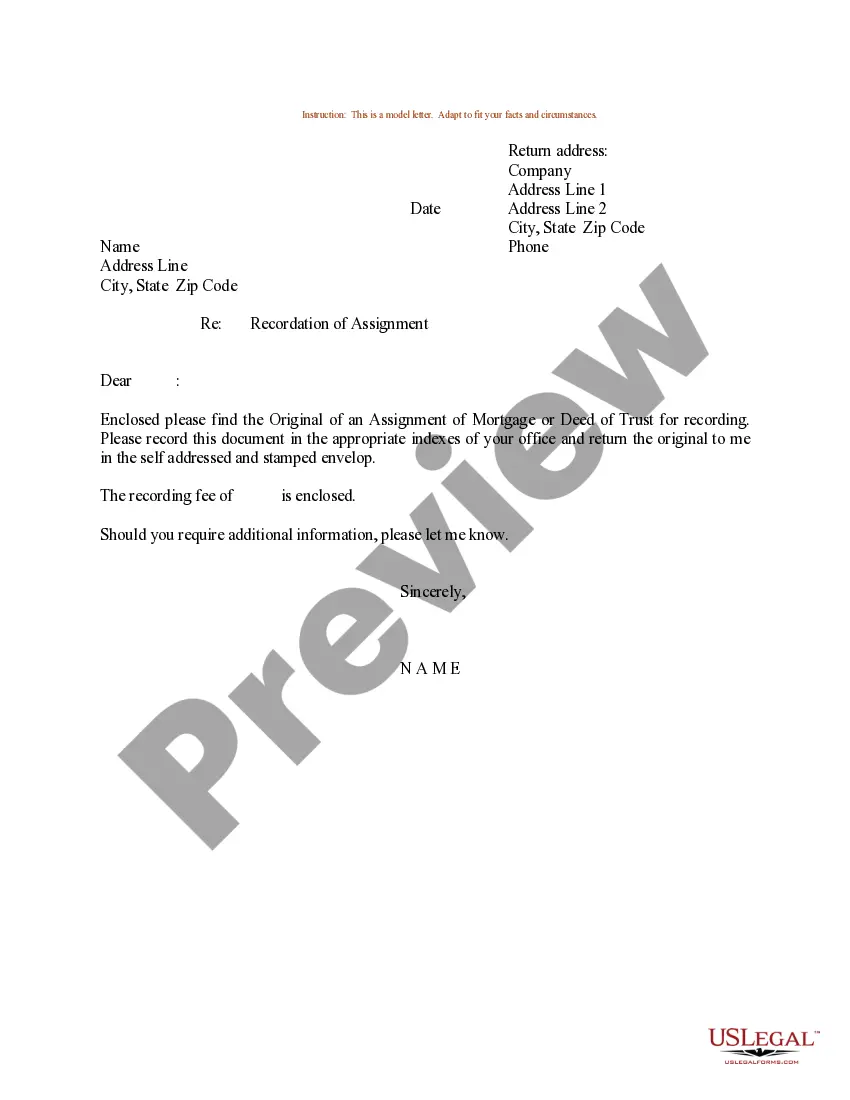

Get your form ready online
Our built-in tools help you complete, sign, share, and store your documents in one place.
Make edits, fill in missing information, and update formatting in US Legal Forms—just like you would in MS Word.
Download a copy, print it, send it by email, or mail it via USPS—whatever works best for your next step.
Sign and collect signatures with our SignNow integration. Send to multiple recipients, set reminders, and more. Go Premium to unlock E-Sign.
If this form requires notarization, complete it online through a secure video call—no need to meet a notary in person or wait for an appointment.
We protect your documents and personal data by following strict security and privacy standards.

Make edits, fill in missing information, and update formatting in US Legal Forms—just like you would in MS Word.

Download a copy, print it, send it by email, or mail it via USPS—whatever works best for your next step.

Sign and collect signatures with our SignNow integration. Send to multiple recipients, set reminders, and more. Go Premium to unlock E-Sign.

If this form requires notarization, complete it online through a secure video call—no need to meet a notary in person or wait for an appointment.

We protect your documents and personal data by following strict security and privacy standards.
Looking for another form?


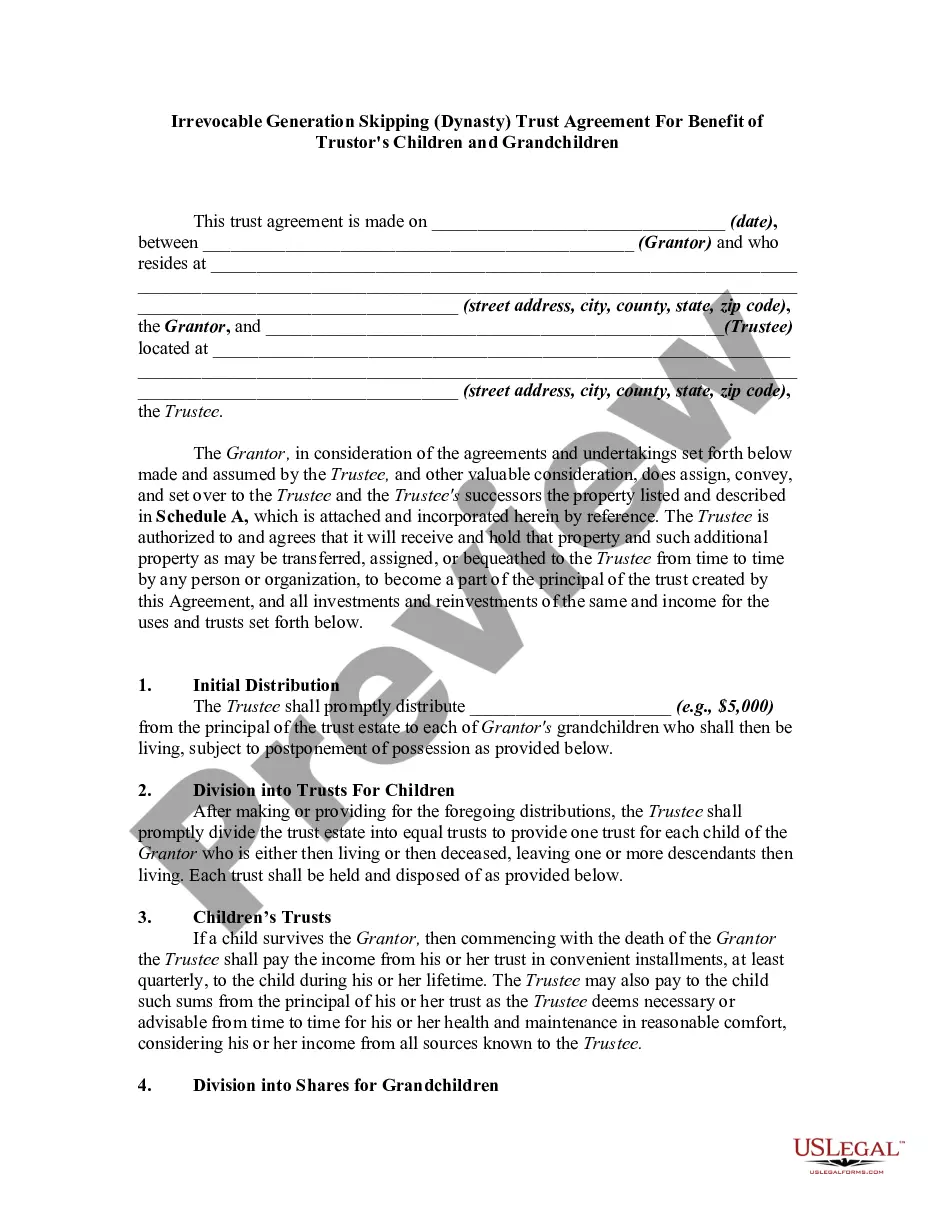
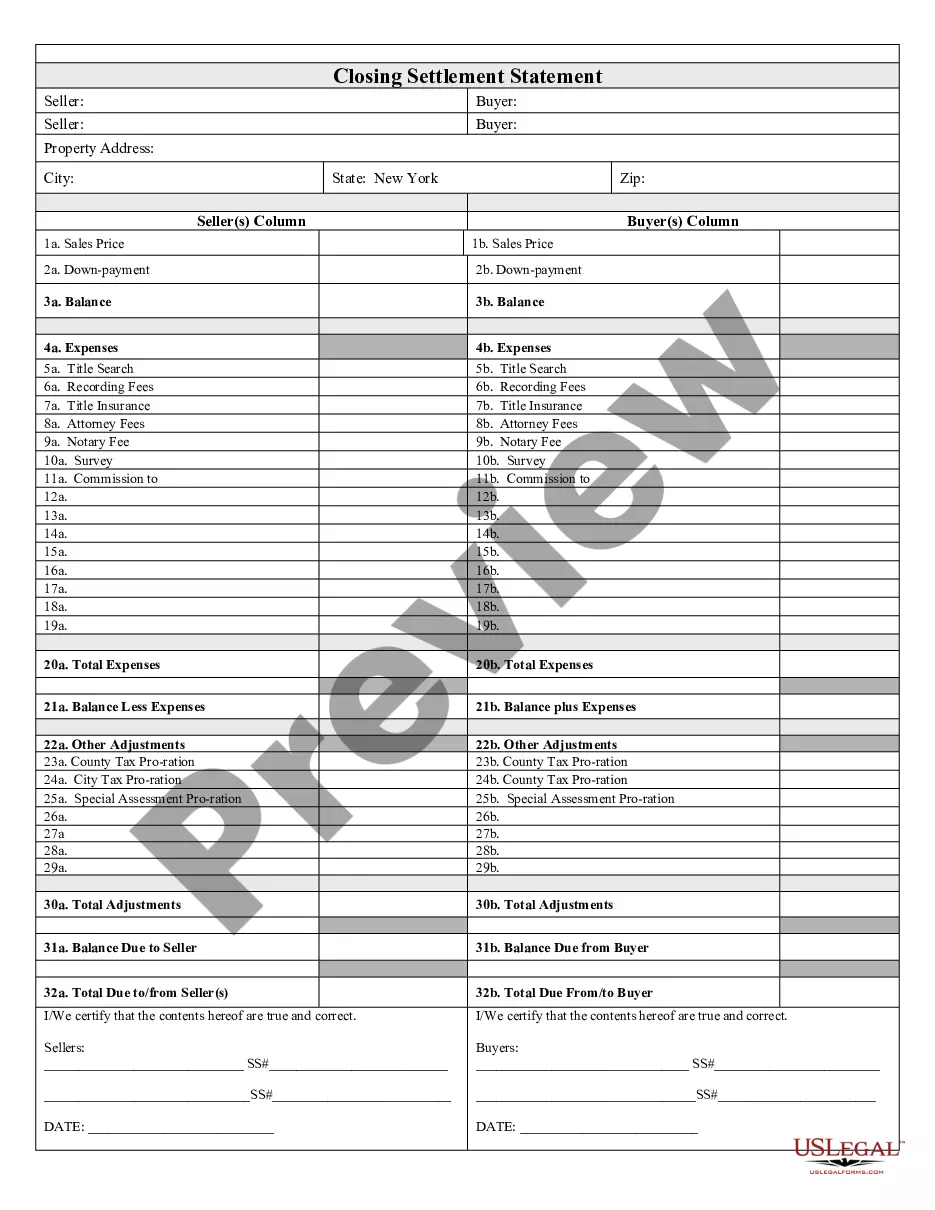

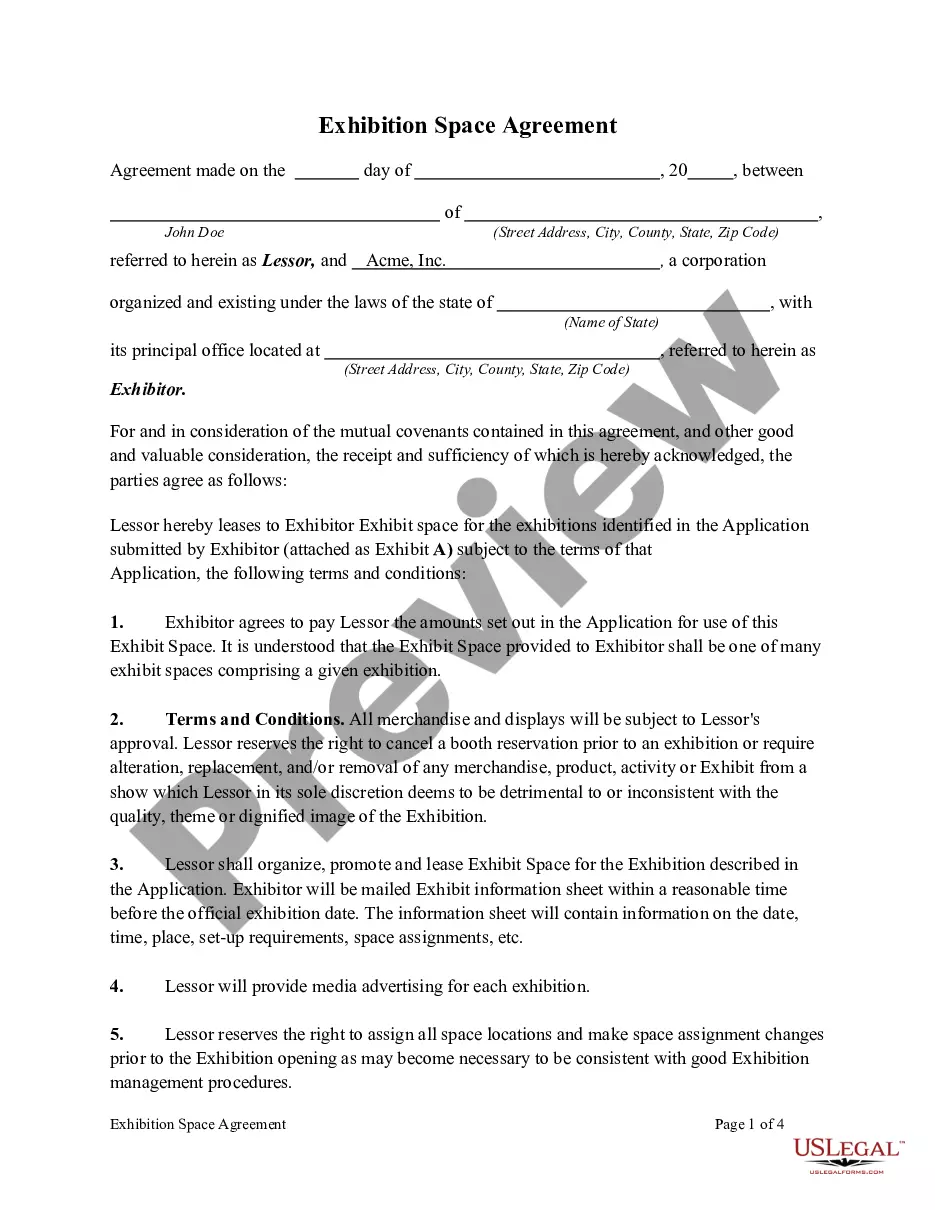



Form popularity
FAQ
Protection for Buyers It ensures that the seller is responsible for any title issues or claims that emerged under their ownership, but not for those that may have been present before.
Warranty Deeds A warranty deed offers the same promises as a grant deed, and then some. The owner of a property is guaranteeing that they have the full right to sell and transfer the property, and that the property is clear of any present or future claims, such as liens and taxes.
General Warranty Deed — A Warranty Deed is the most common type of deed used in Florida real estate transactions.
A deed is the actual legal document that would transfer the ownership (title) of a property from one person to another. A deed is signed by the person selling or transferring the property rights, called the grantor. The person purchasing or taking possession of the property rights is called the grantee.
Final answer: The most commonly used type of deed in real estate transactions is the general warranty deed, which offers the highest level of buyer protection. Other types of deeds, like the quitclaim deed and the special warranty deed, provide less security.
By far the most important type of deed is the “warranty deed.” There are two types of warranty deeds — general and special. Whether a deed is a warranty deed is significant because a warranty deed (whether general or special) provides certain assurances with regard to title that other deeds do not provide.
Warranty Deed Rules and Requirements The name and address of the individual who prepared the deed. The name and address of the current owner (also called the grantor) The name and address of the new owner (also called the grantee) Original signature of the grantor (note: the grantee does not need to sign the deed)
Whether a deed is a warranty deed is significant because a warranty deed (whether general or special) provides certain assurances with regard to title that other deeds do not provide. Warranty deeds “warrant” (or guarantee) title to property, thus they must meet specific legal requirements in Florida.
You can sell as a warranty deed... but this means you are warranting clean title and the buyer can come back to you, you should only provide a warranty deed if there's a title company/title insurance being purchased.
