Deed Without Warranty Vs Quitclaim Deed In Florida
Description

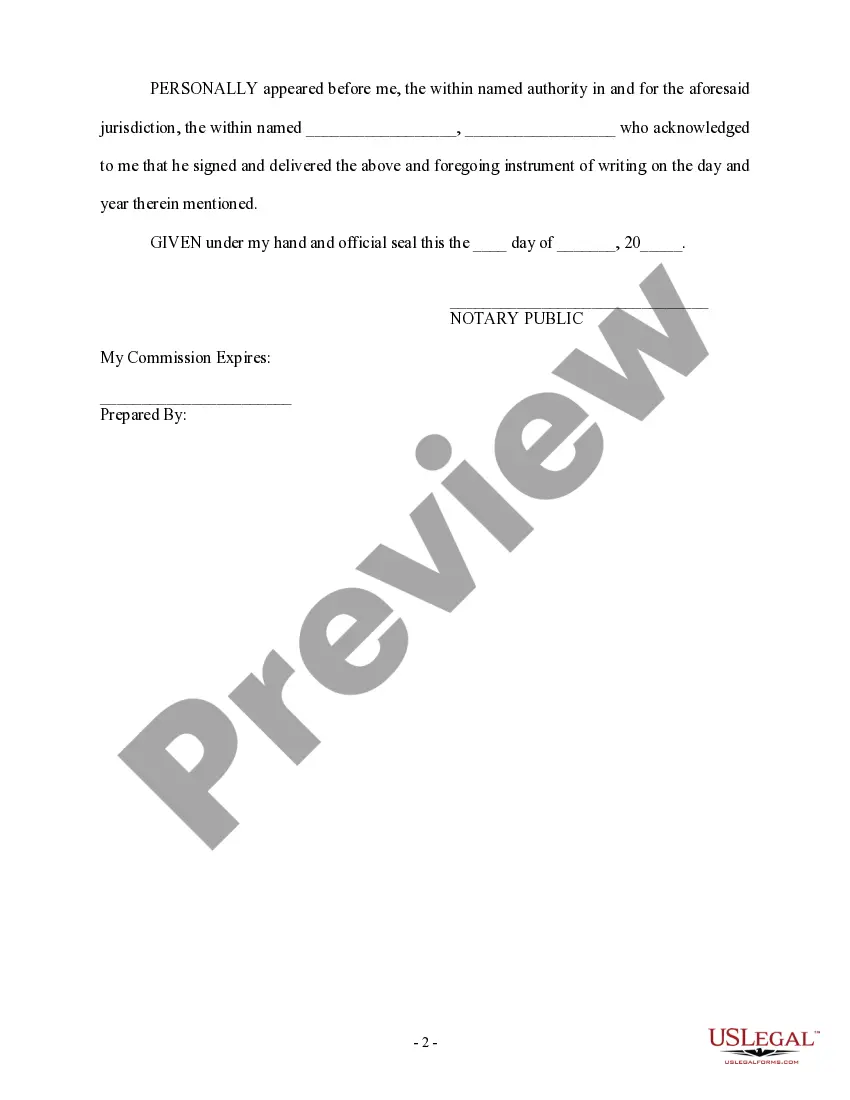
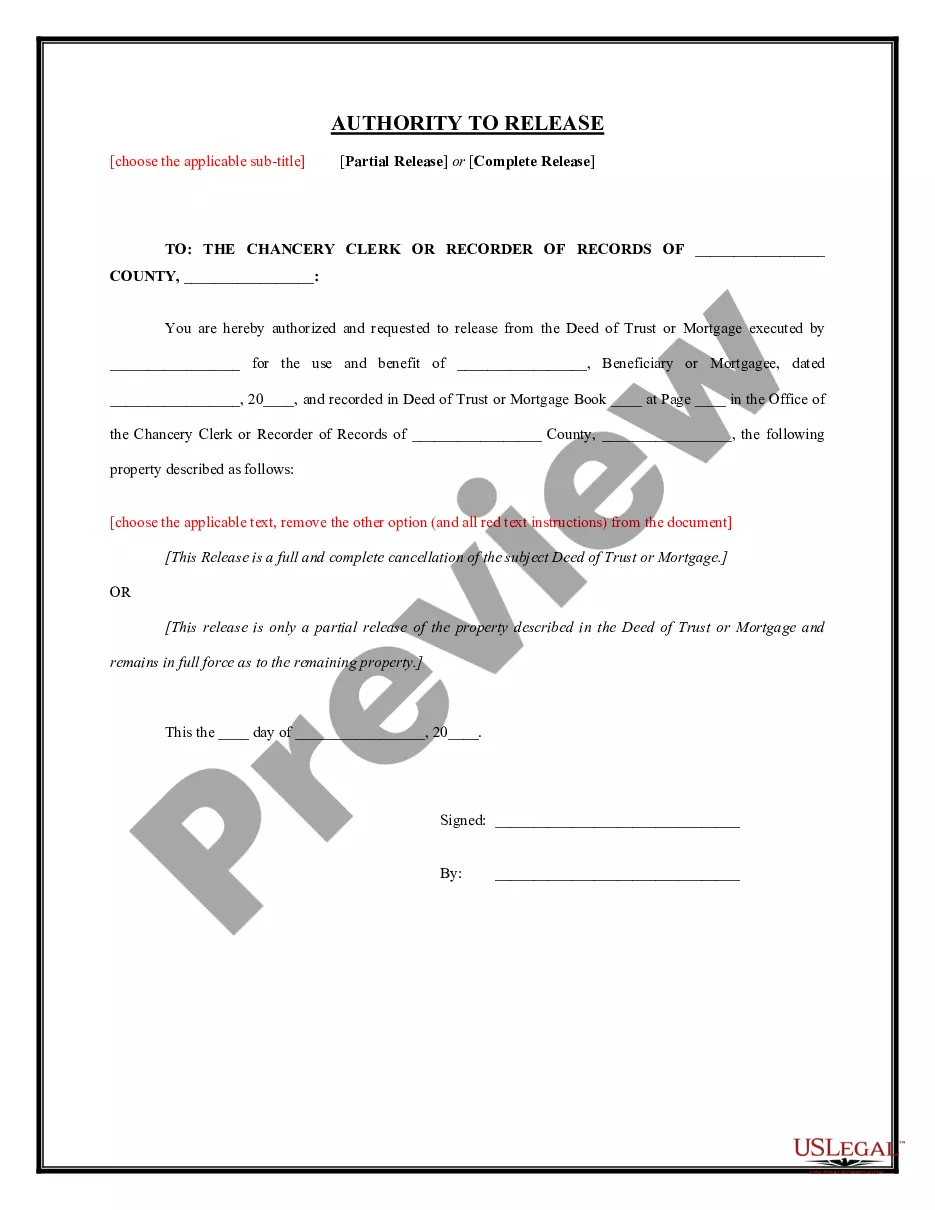
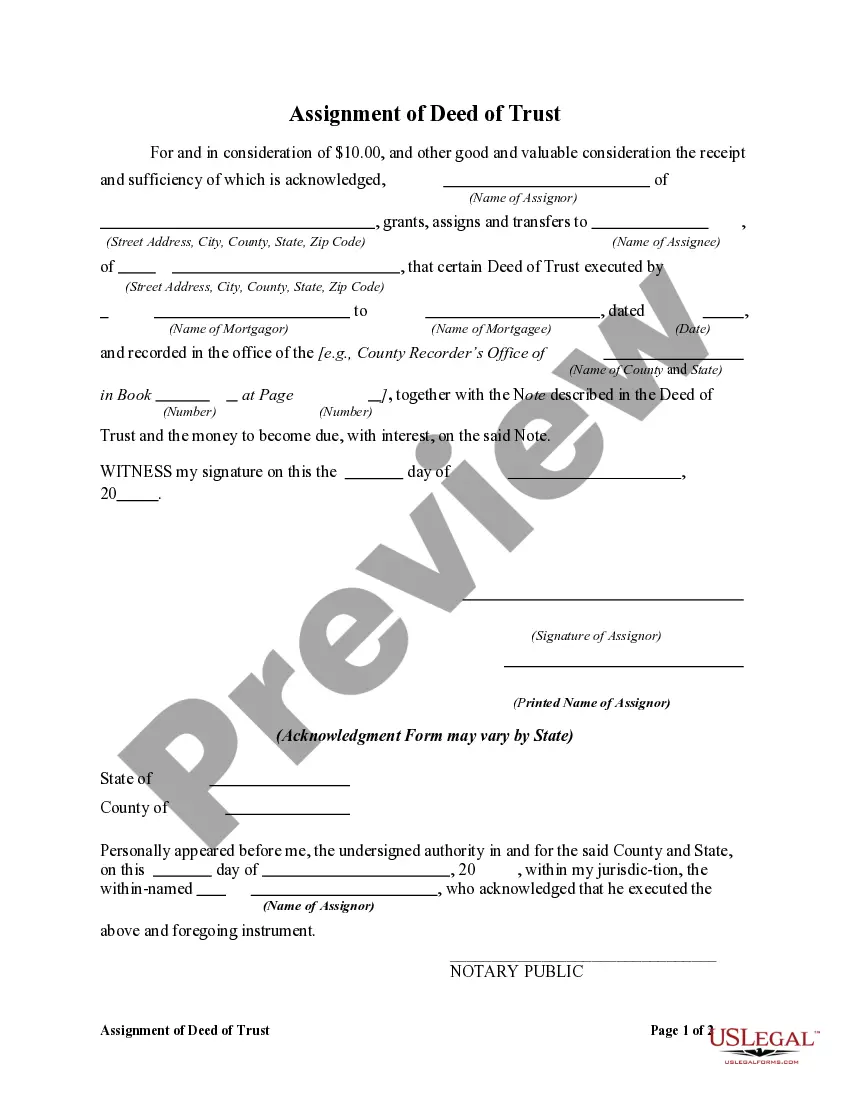
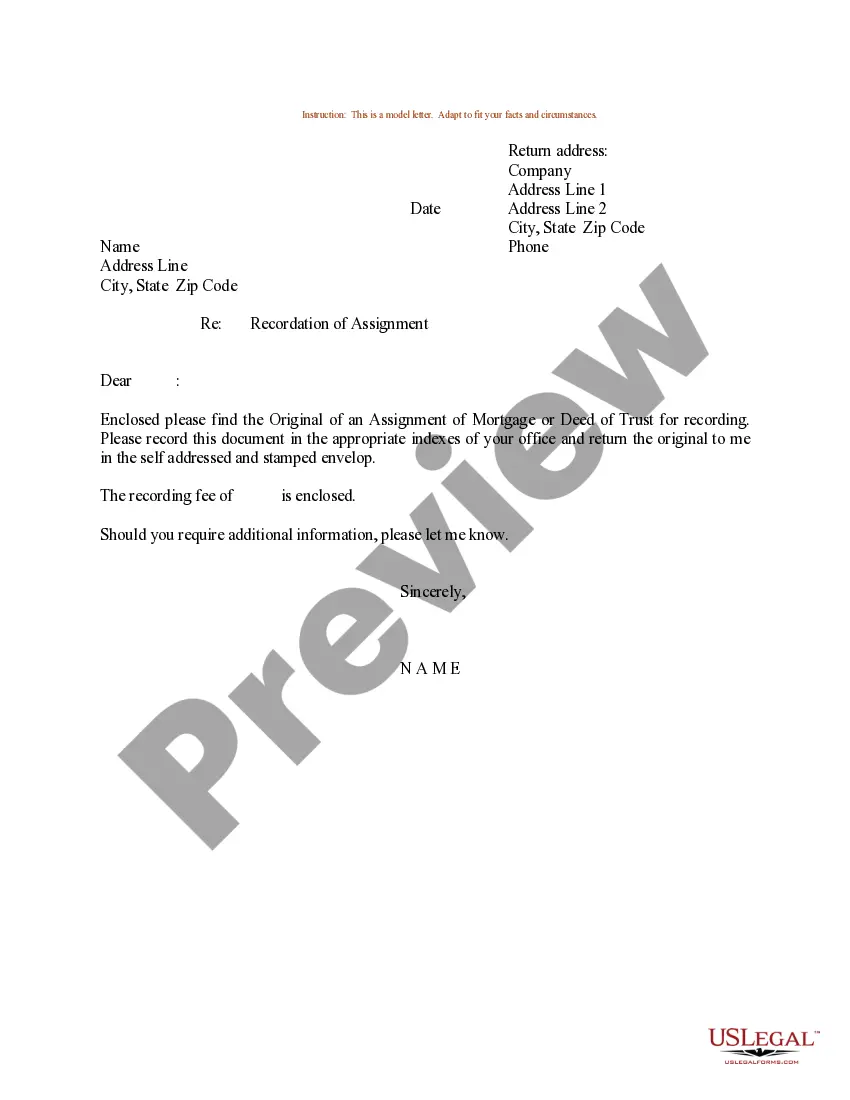

Get your form ready online
Our built-in tools help you complete, sign, share, and store your documents in one place.
Make edits, fill in missing information, and update formatting in US Legal Forms—just like you would in MS Word.
Download a copy, print it, send it by email, or mail it via USPS—whatever works best for your next step.
Sign and collect signatures with our SignNow integration. Send to multiple recipients, set reminders, and more. Go Premium to unlock E-Sign.
If this form requires notarization, complete it online through a secure video call—no need to meet a notary in person or wait for an appointment.
We protect your documents and personal data by following strict security and privacy standards.

Make edits, fill in missing information, and update formatting in US Legal Forms—just like you would in MS Word.

Download a copy, print it, send it by email, or mail it via USPS—whatever works best for your next step.

Sign and collect signatures with our SignNow integration. Send to multiple recipients, set reminders, and more. Go Premium to unlock E-Sign.

If this form requires notarization, complete it online through a secure video call—no need to meet a notary in person or wait for an appointment.

We protect your documents and personal data by following strict security and privacy standards.
Looking for another form?








Form popularity
FAQ
General warranty deeds: A general warranty deed provides the most protection to the buyer but gives the grantor the highest degree of liability. The grantor of a general warranty deed fully warrants good, clear title to the property.
The quitclaim deed is the lowest and least desirable form of deed. It does not carry with it any after-acquired title. The words of grant for a quitclaim deed, "remise, release, and quitclaim", imply no covenants or warranties of title.
Common situations where Florida quitclaim deeds can be used include: Property settlements. A quitclaim deed can remove an ex-spouse from a property title after divorce, transferring their interest to the other spouse. Transferring property into a trust.
The key distinctions include: Interest transferred – A quitclaim deed conveys only the grantor's current ownership share, which may be incomplete. A warranty deed transfers the property in its entirety. Warranties and protection – Quitclaim deeds provide zero warranties or protection for the grantee.
A quitclaim deed offers the least level of buyer protection and is generally used for title transfers between family members or to clear a defect on the title.
The Quitclaim Deed: The “quitclaim deed” is the worst type of deed because it conveys no warranty whatsoever that the seller's title is good title or that there are no encumbrances on the property.
Florida law requires specific elements to be included in a quitclaim deed for it to be legally binding. These components are the legal names of the grantor and grantee, a precise legal description of the property, the signature of the grantor, and, importantly, the deed must be notarized.
Great question! Yes, you can draft your own documents, such as a separation agreement and quit-claim deed. There is nothing that prohibits this, although it is always best to have an attorney who handles that area of law prepare it for you.
You do not have to be an attorney to prepare a Florida quitclaim deed. Absent attorney fees, your costs would only be the recording fees that the county comptroller charges and transfer fees if the property is mortgaged.
