Warranty Deed Vs Quitclaim Deed Form California In Chicago
Description

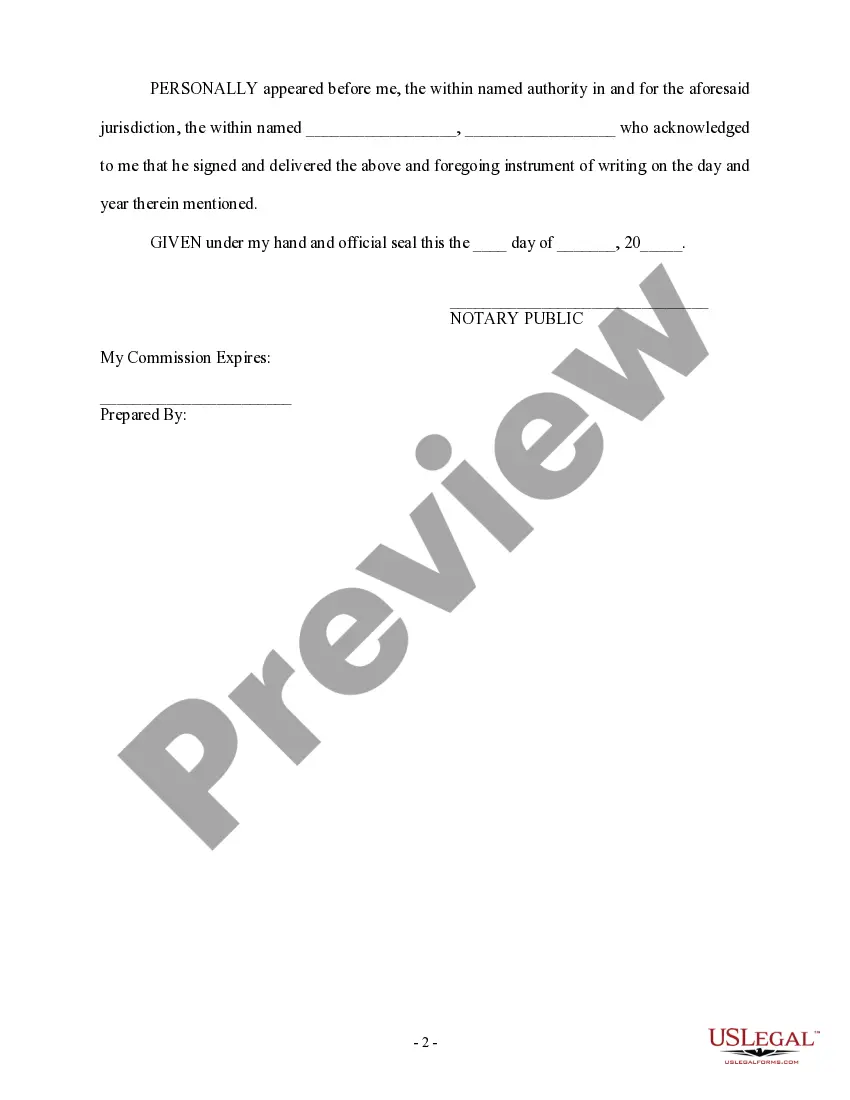
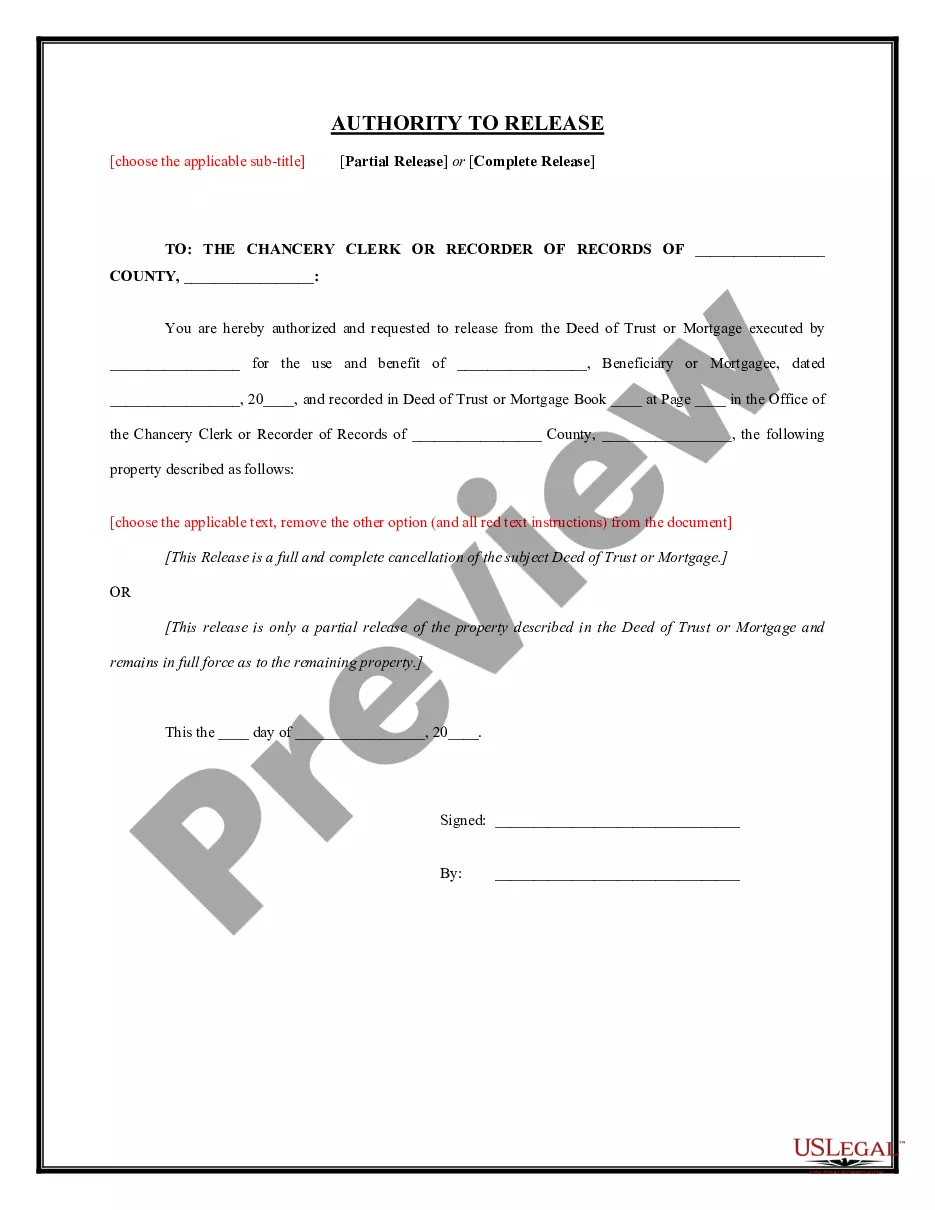
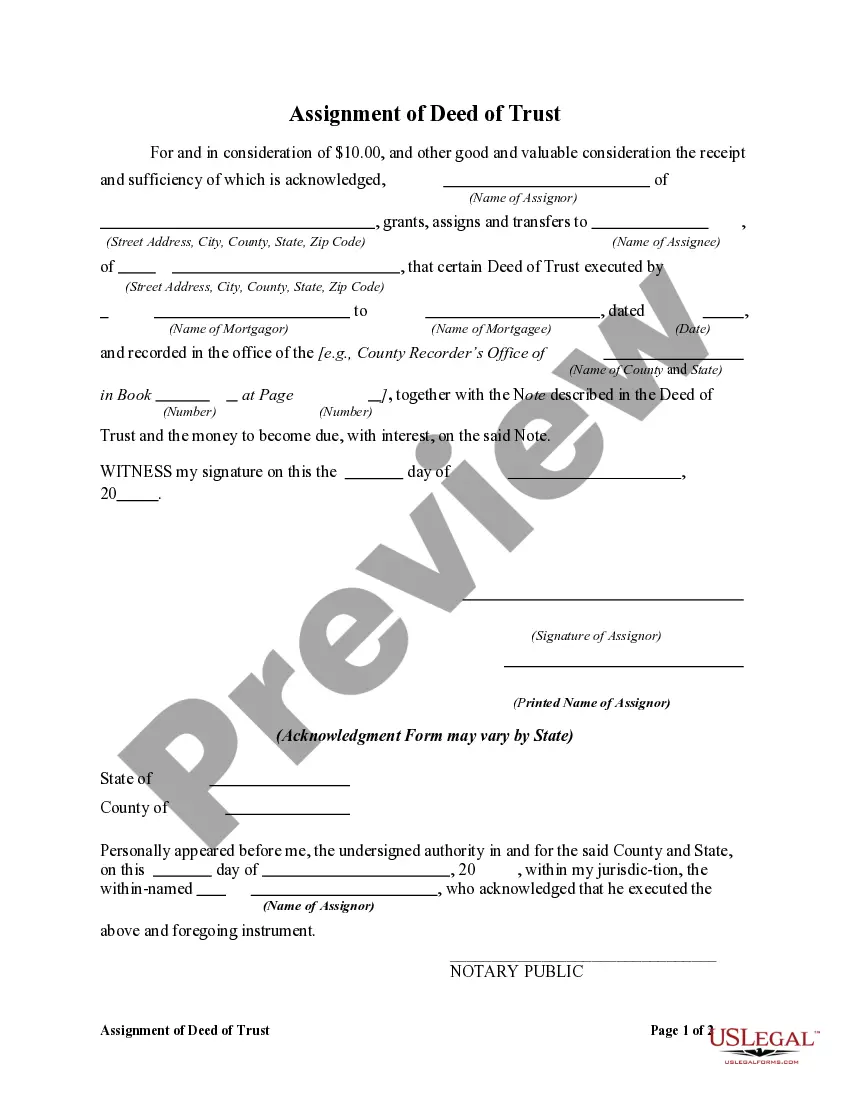

Get your form ready online
Our built-in tools help you complete, sign, share, and store your documents in one place.
Make edits, fill in missing information, and update formatting in US Legal Forms—just like you would in MS Word.
Download a copy, print it, send it by email, or mail it via USPS—whatever works best for your next step.
Sign and collect signatures with our SignNow integration. Send to multiple recipients, set reminders, and more. Go Premium to unlock E-Sign.
If this form requires notarization, complete it online through a secure video call—no need to meet a notary in person or wait for an appointment.
We protect your documents and personal data by following strict security and privacy standards.

Make edits, fill in missing information, and update formatting in US Legal Forms—just like you would in MS Word.

Download a copy, print it, send it by email, or mail it via USPS—whatever works best for your next step.

Sign and collect signatures with our SignNow integration. Send to multiple recipients, set reminders, and more. Go Premium to unlock E-Sign.

If this form requires notarization, complete it online through a secure video call—no need to meet a notary in person or wait for an appointment.

We protect your documents and personal data by following strict security and privacy standards.
Looking for another form?







Form popularity
FAQ
A quitclaim deed is only valid if both parties willingly performed the property transfer. If there is evidence that the grantor was coerced into filing the quitclaim against their will, this is grounds to revoke it.
In Illinois, quit claim deeds are a common tool for transferring property, but there are specific steps and legal requirements to follow.
Purchasing property claim via a quitclaim deed is risky because it does not guarantee that the seller has clear title or any ownership interest at all; meaning you could end up with no legal claim to the property if there are undisclosed issues.
Common uses – Typically, quitclaim deeds are used for lower-risk transfers between related parties. In contrast, warranty deeds are used for real estate sales and high-value transactions involving unrelated grantees. Grantee risks – With a quitclaim deed, all risks remain with the grantee.
Does a Quitclaim Deed Give You Ownership in California? Yes and no. While a quitclaim deed does transfer the grantor's interest in the property over to you, it doesn't necessarily mean that they had a valid ownership claim to begin with.
A warranty deed promises the seller that he or she legally owns the property. If the seller is not the lawful owner, he or she can be held accountable to you for breach of contract.
Because of the lack of title guarantees, quitclaim deeds are most often used to transfer property between two parties who know and trust each other, such as family members.
Deeds are typically characterized based on the sort of warranties in title delivered by the grantor. For example, the general warranty deed provides the highest protection level to the buyer, while the quitclaim deed often provides the least in an Illinois buyer protection.
How Do I Get a Warranty Deed in Illinois? In most cases, property owners turn to a real estate attorney to complete a warranty deed in the state of Illinois. While warranty deeds can be created on your own, they must comply with legal requirements and include the necessary language to make them official.
A warranty deed offers the strongest protection. It protects the party receiving the property title in case there turns out to be any issues with the title.
